FAQ of Bioleader's Eco-friendly Disposable Tableware
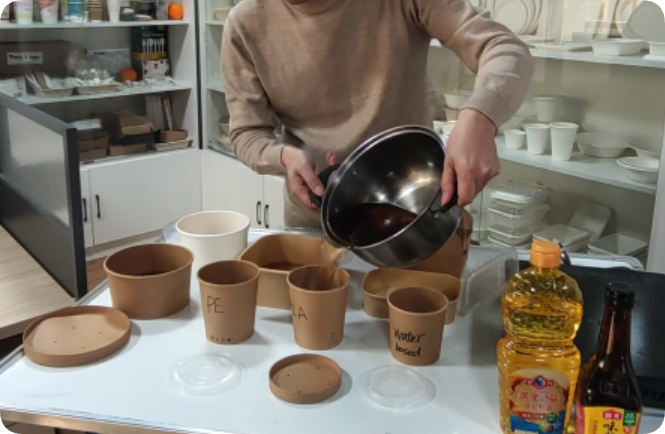
They cannot take away hot foods?
Yes, of course. These salad bowls kraft paper and can take hot food as well as cold food, hence usable for a range of dishes.
Paper Salad Bowl with Lid (Kraft & White)
Item Product Name Paper Weight Product Size (Top*Bottom*High) Pcs/ CTN Carton Size (cm) PE-SSK16 500ml Bowl (Kraft/White) Kraft Paper 337gsm / White paper 320gsm 148*131*46 mm 300 46 31 48 PE-SSK26 750ml Bowl (Kraft/White) Kraft Paper 337gsm / White paper 320gsm 148*129*60 mm 300 46 31 49 PE-SSK32 1000ml Bowl (Kraft/White) Kraft Paper 337gsm / White paper 320gsm 148*129*78 mm 300 46 31 51 Lid Options 148mm PP Flat Lid 6.5g 148mm 300 48 33 31.5 148mm PET Dome Lid 9g 148mm 300 47 33.5 31.5 148mm Paper Lid Kraft / White 148mm 300 68 32 48 PE-SSK36 1090ml Bowl (Kraft/White) Kraft Paper 337gsm / White paper 320gsm 168*145*65 mm 300 52 33 57 Lid Options 168mm PP Flat Lid 10g 168mm 300 54 32 36 168mm PET Dome Lid 11g 168mm 300 55 38 37 168mm Paper Lid Kraft / White 168mm 150 41 36 54 PE-SSK40 1200ml Bowl (Kraft/White) Kraft Paper 337gsm / White paper 320gsm 175*148*68 mm 300 54 36 58 Lid Options 175mm PP Flat Lid 10g 175mm 600 55 55 38 175mm PET Dome Lid 12g 175mm 300 57 38 37 175mm Paper Lid Kraft / White 175mm 150 38 38 56 PE-SSK44 1300ml Bowl (Kraft/White) Kraft Paper 337gsm / White paper 320gsm 184*161*70 mm 300 55 37 60 Lid Options 184mm Paper Lid Kraft / White 184mm 150 40 36 59 184mm PET Dome Lid 12g 184mm 300 58 40 34 Film Coated Options PE(single) Single 18gsm PE (100% recyclable, this is the normal choice type) PE(double) Double18gsm PE (available for ice, cold, and freezer) PLA Single 31gsm PLA (100% biodegradable & Compostable) Personalized in Terms of Logos and Designs A noteworthy highlight of our salad to go container with locking lid is that it can be printed with your brand’s logo or any design of your choice. This is a brilliant method to promote your business, and it gives an appealing professional touch to your take-out meals. Be it a café or a restaurant or a catering service, such personalized to go salad containers do not only keep the food safe but act as marketing tools as well — disposable cutlery. Custom printing is also possible so kindly reach out to us for all of your inquiries.
Are these biodegradable bowls completely eco-friendly and compostable?
Yes, our biodegradable bowls with lids are made from 100% eco-friendly materials like kraft paper and white cardboard, making them fully biodegradable after use.
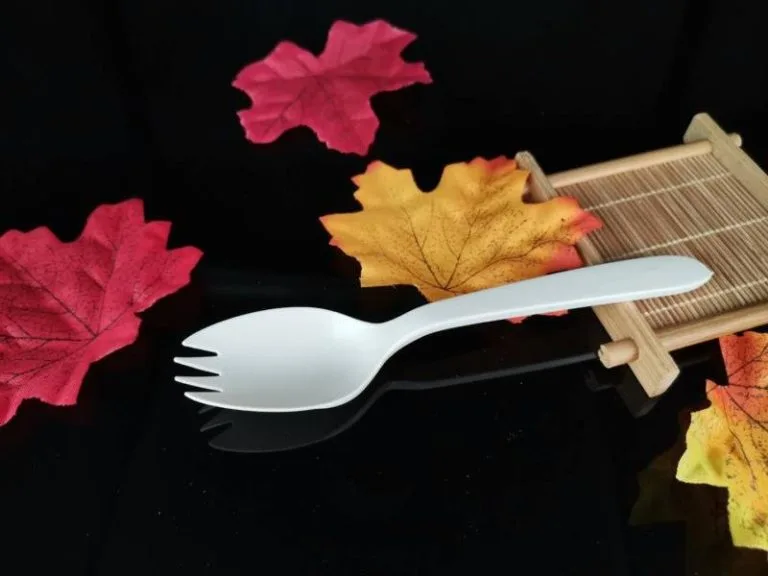
3. Who invented the spork?
The concept dates back to the late 19th century, with patents filed in the early 1900s , disposable cutlery. Its modern popularity rose with fast food, camping gear, and institutional dining.
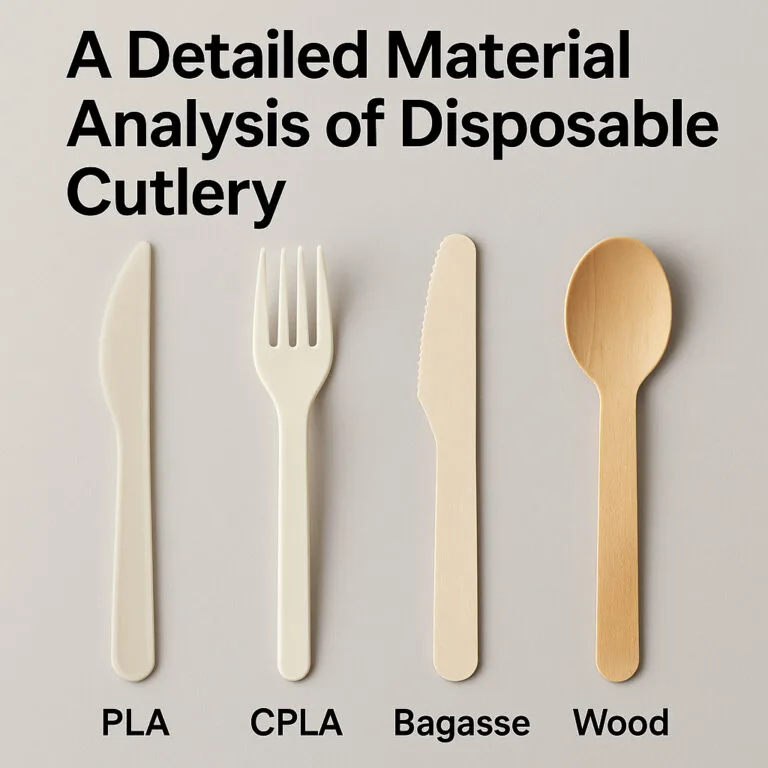
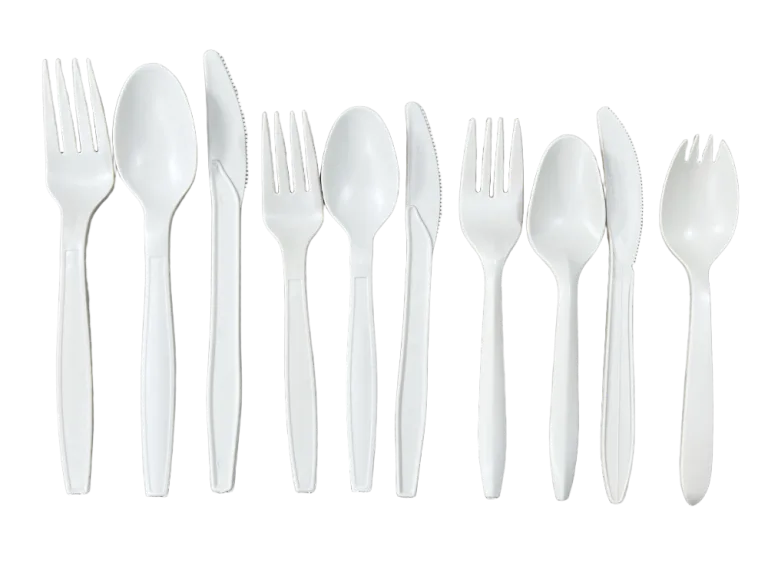
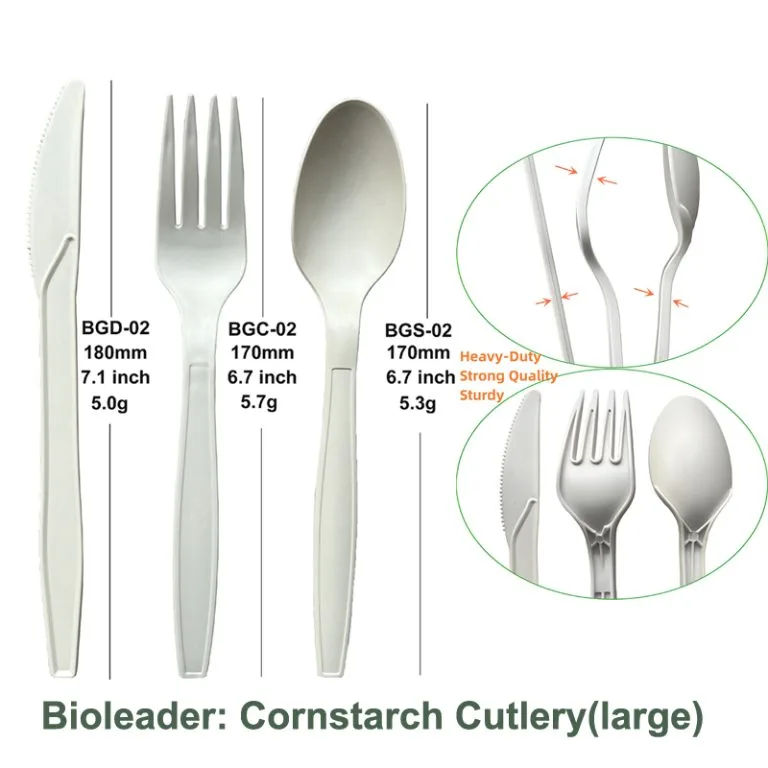
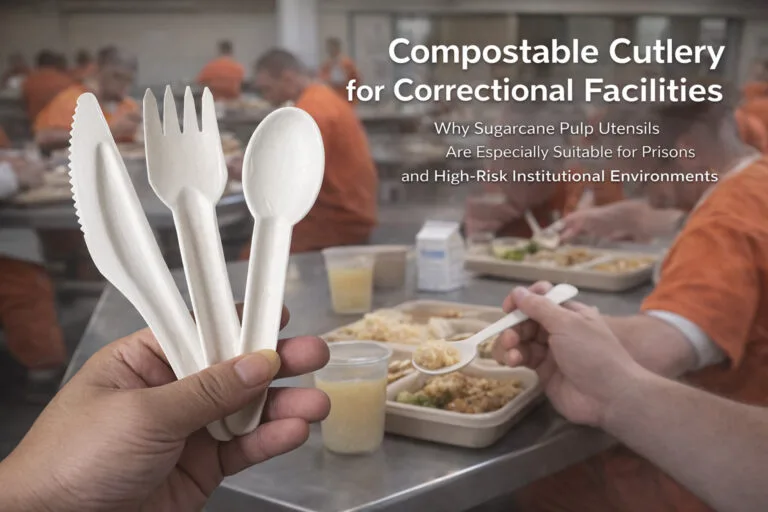
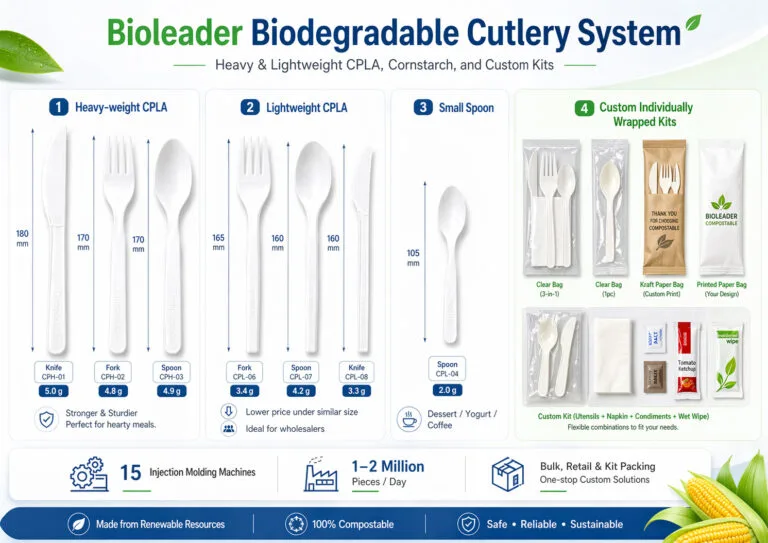
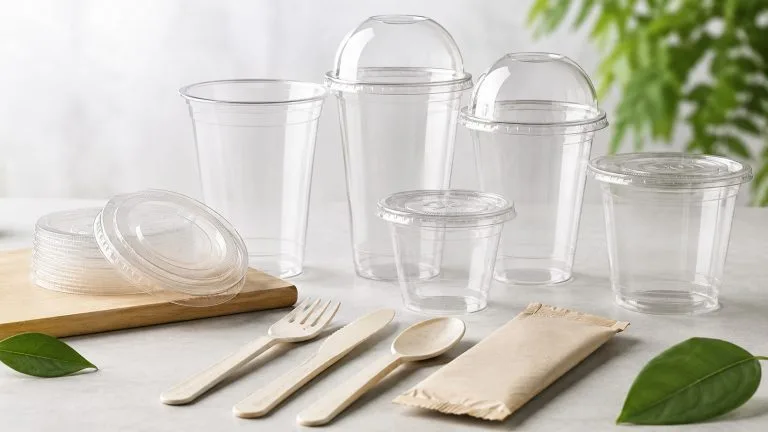
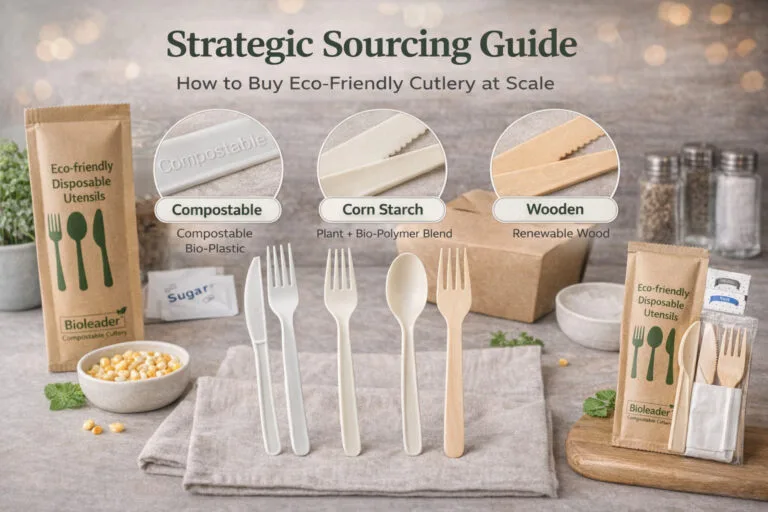
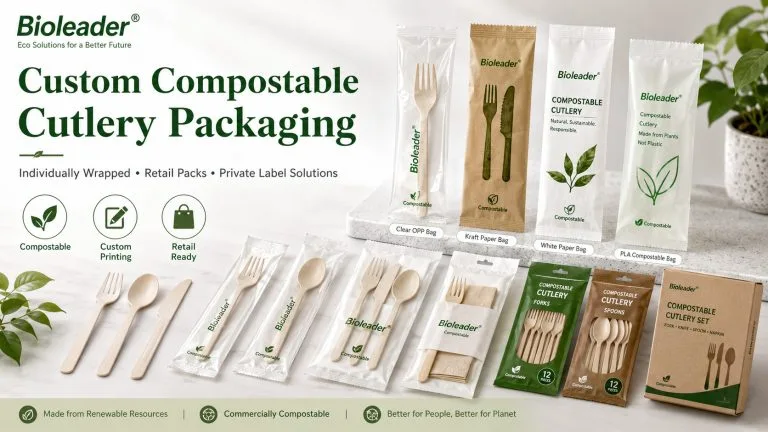
Bioleader’s Disposable Eco-friendly Biodegradable Compostable Cutlery Show