Top Use Cases For Disposable Cups Supplier China | Bioleader® Insights

Actionable coverage of disposable cups supplier China: eco-friendly, biodegradable, compostable materials, performance data, and compliance under EN13432 & ASTM D6400. Includes BPI/TÜV references and Food-Contact Tested guidance for safe deployment. Buyer-focused: manufacturer insights, bulk/wholesale buying playbooks, OEM/ODM customization tips, full size range selection.
disposable cups supplier China — Quick Summary
  • Items displayed (articles): 12
  • Last updated: 2025-02-26
  • Includes test data, compliance guides, buyer FAQs, and real-world use cases.

Editor’s Picks: Top Disposable Cups Supplier China Guides 2026

FAQ of Bioleader's Eco-friendly Disposable Tableware

2. What materials are available for disposable food trays with lids?

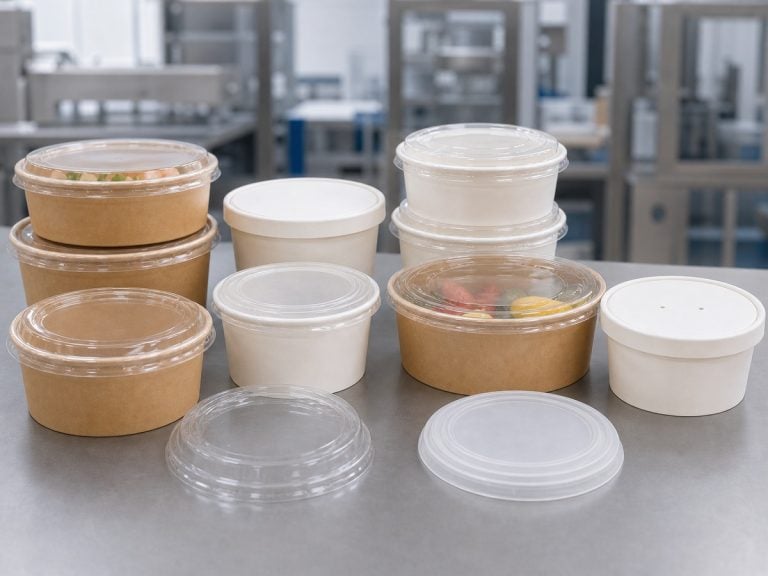
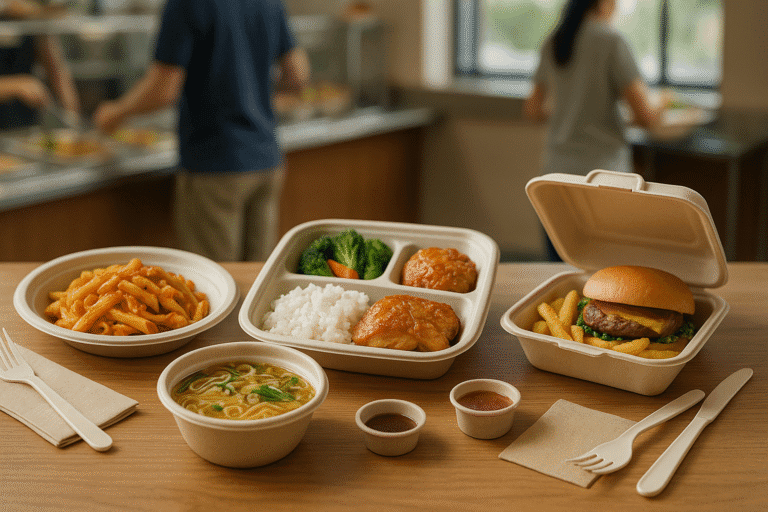
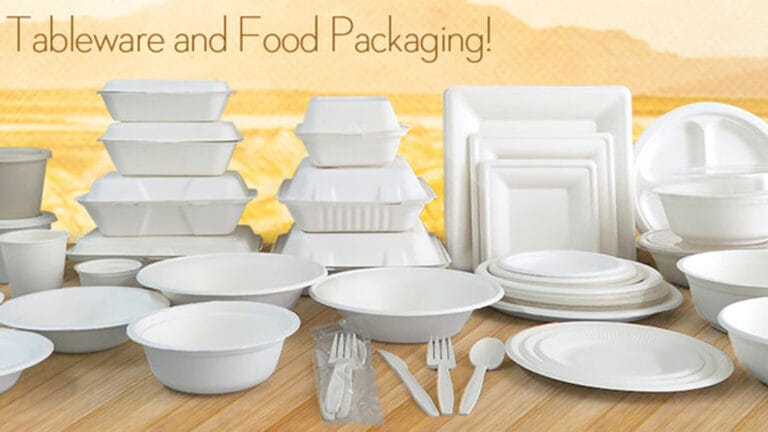
Common materials include sugarcane bagasse, kraft paper, aluminum, PET, PP, and PLA. For eco-conscious businesses, bagasse and PLA trays are preferred due to their compostable and biodegradable properties , disposable cups supplier China.

2. What materials are commonly used for takeaway trays with lids?

These trays are typically made from sugarcane bagasse, kraft paper, aluminum, or plastic (PP or PET) , disposable cups supplier China. Eco-friendly versions are made from compostable materials like molded fiber or PLA, offering sustainable alternatives to plastic foam trays.

1. What are disposable bagasse food trays made of?

They are made from sugarcane bagasse—the fibrous byproduct left after extracting juice from sugarcane. This renewable material is molded into durable trays that are compostable, biodegradable, and plastic-free , disposable cups supplier China.

2. Biodegradability & Compostability:

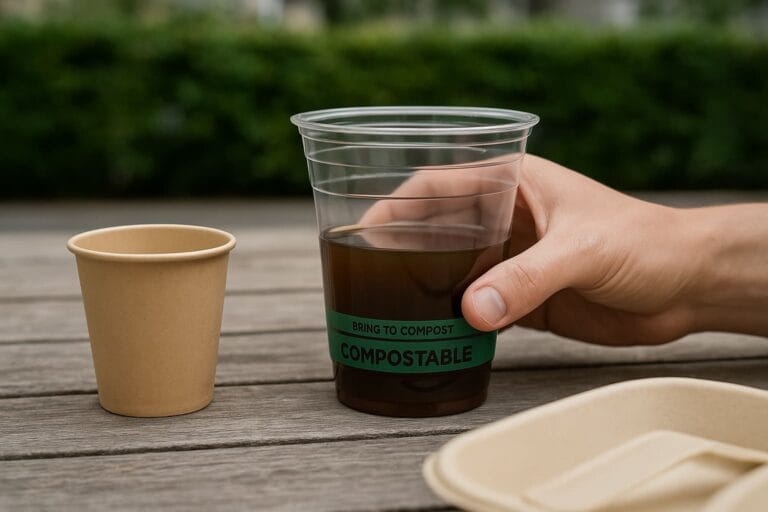
Unlike regular plastic cups that linger for centuries, PLA cups can break down into natural components (water, CO₂, and organic matter) when composted. Under commercial composting conditions, a PLA cup can fully decompose in as little as 90–120 days​, leaving no harmful microplastic residue behind​. This means that if disposed of correctly, PLA cups won’t accumulate in landfills or oceans long-term. Compostable packaging also enables food and drink remnants to be composted together with the container, reducing contamination in waste streams.

4. Safe and Non-Toxic:

PLA is free of toxic chemicals like BPA or phthalates that can be found in some plastics. It’s considered food-safe and does not impart any off-tastes. Moreover, industry certifications (ASTM D6400, BPI, etc.) ensure that certified PLA cups meet strict standards for compostability and material health. For example, many PLA cup products are certified by the Biodegradable Products Institute (BPI) to meet composting standards​, indicating they will break down properly without toxic residues.

Related Insights

🚀Ready to Go Green and Choose ?

Join the global movement toward zero-waste packaging.


Bioleader® offers:

  • 📦 Bulk order support & fast delivery

  • ✍️ Custom branding and OEM solutions

  • 🌍 Worldwide eco-packaging compliance

Get the Catalogue Products List  & Contact Us Now! 👉

Contact us Below

Click or drag files to this area to upload.You can upload up to 5 files.
The more details you share, the faster and more accurate our quotation will be.