Guide To Disposable Cane Plates: Materials, Standards & Best Practices | Bioleader® Guides
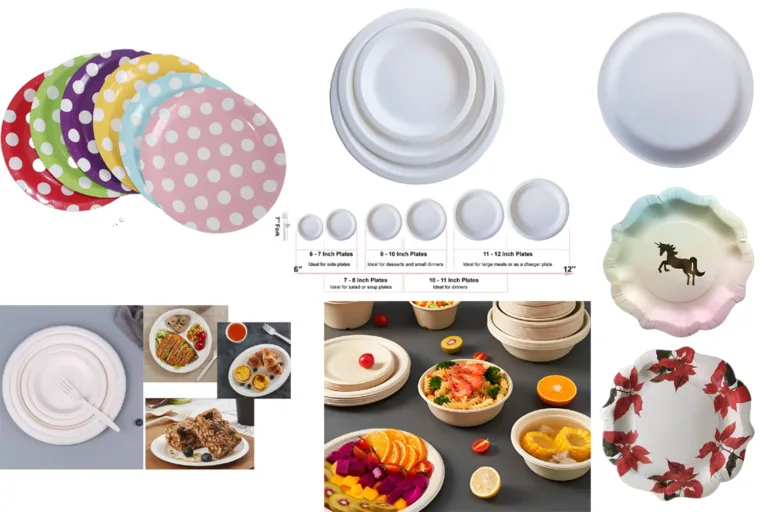
Actionable coverage of disposable cane plates: eco-friendly, biodegradable, compostable materials, performance data, and compliance under EN13432 & ASTM D6400. Includes BPI/TÜV references and Food-Contact Tested guidance for safe deployment. Buyer-focused: manufacturer insights, bulk/wholesale buying playbooks, OEM/ODM customization tips, full size range selection.
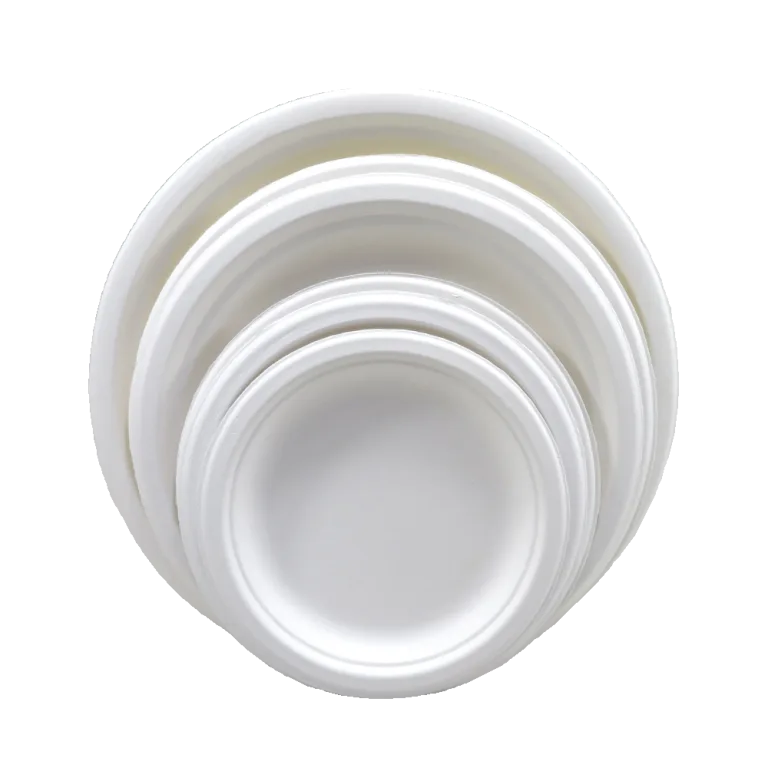
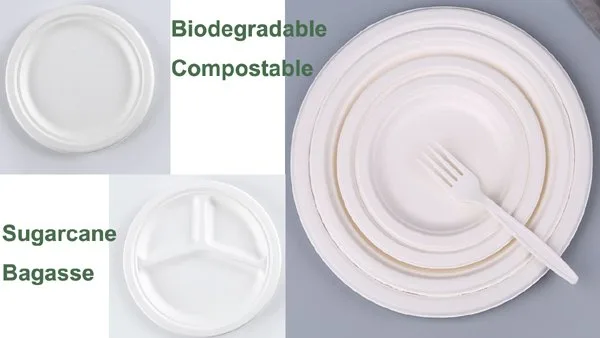
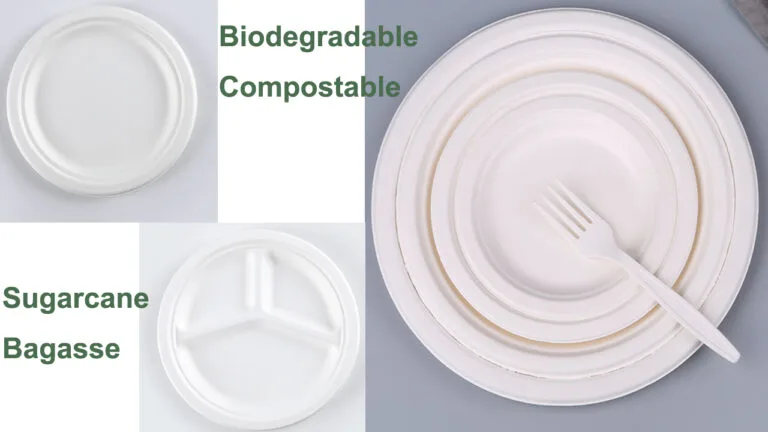
Bagasse plates are molded fiber plates made from sugarcane residue. They are designed as compostable and biodegradable alternatives to plastic plates and many coated paper plates. In foodservice use, they offer good strength, heat tolerance, and oil resistance, but buyers should still verify food-contact compliance, PFAS-free status, compostability claims, and real-use performance before bulk ordering.
disposable cane plates — Quick Summary
Items displayed (articles): 12
Last updated: 2025-03-14
Includes test data, compliance guides, buyer FAQs, and real-world use cases.
FAQ of Bioleader's Eco-friendly Disposable Tableware
Are they sturdy enough for takeaway food?
Yes, high-quality Kraft paper and white cardboard are used in the construction of these bowls making them strong and waterproof, Tested Woking – Freezer, and Suitable for takeaway/ delivery.
Are they safe for microwave heating?
Yes, these compostable bowls can be used in the microwave to reheat the food in the same container in which it was packed , disposable cane plates.
Can we put our company logo on the bowls?
Of course! We provide you with customization possibilities to add logos and designs on the bowls with lids to help strengthen your company’s image. Turn to us for further information on the customization options available.
How long do bagasse plates take to decompose?
Under composting conditions, bagasse plates typically decompose within 60 to 90 days , disposable cane plates. This rapid biodegradation process helps reduce landfill waste and supports sustainable waste management practices.
1. Collection and Preparation of Bagasse
After sugar extraction, the residual bagasse is collected and transported to manufacturing facilities , disposable cane plates. This fibrous material is then cleaned to remove impurities, ensuring the purity of the final product.