FAQ of Bioleader's Eco-friendly Disposable Tableware
5. What certifications should I look for when buying from an eco tray factory?
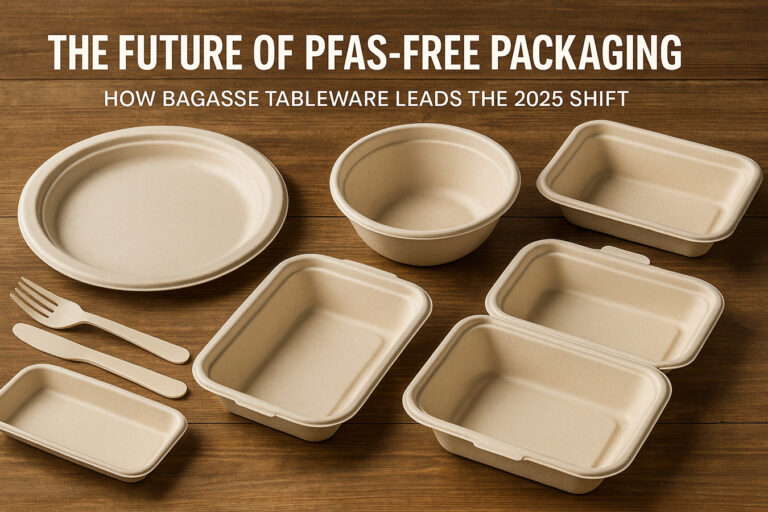
Reputable factories provide certifications such as OK Compost, BPI, TÜV Austria, EN13432, FDA, and LFGB. These ensure the trays are compostable, food-safe, and compliant with international sustainability standards , dinnerware safety. Packaging Insight: Why Choose Bioleader® Eco-Friendly Trays with Lids for Sustainable Food Packaging How do Bioleader® eco-friendly trays combine performance with sustainability? Utilizing bagasse and other renewable fibers, these trays deliver sturdy, leak-resistant food packaging that withstands hot and cold meals, while being fully compostable.
Food Delivery
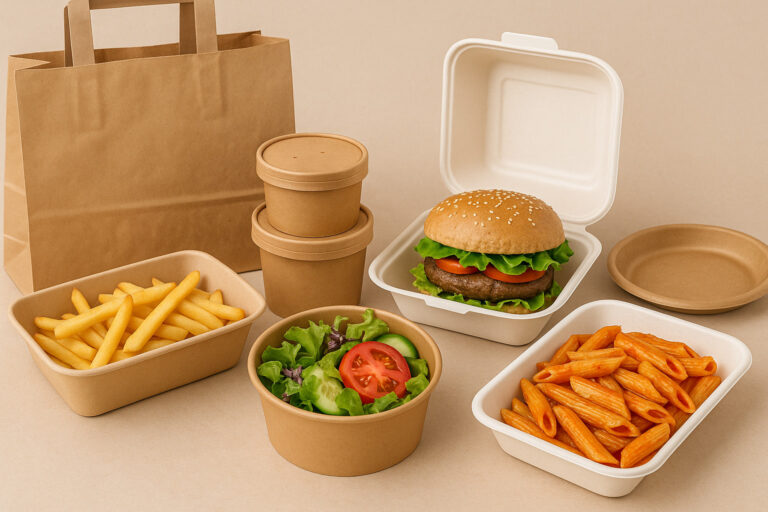
The matching lid helps protect food during short-distance transport. It is a dependable option for restaurants and cloud kitchens that need cleaner presentation and better takeaway functionality.
Waterproof, Oil-Resistant, and Durable
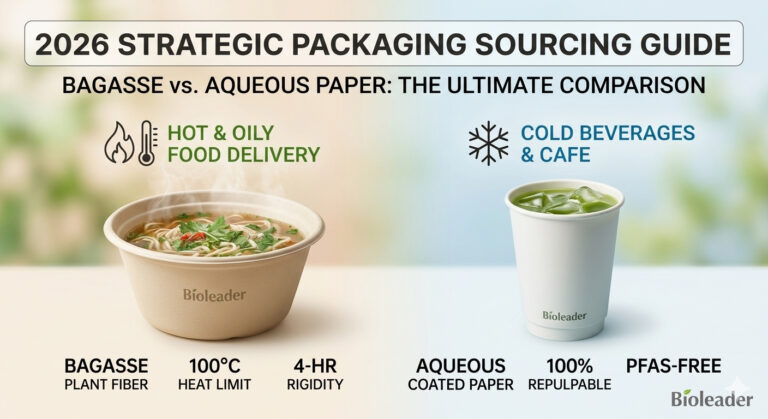
Bagasse trays are designed to handle a range of food types, including greasy and moist dishes. Their waterproof and oil-resistant properties prevent leaks, making them a reliable choice for takeaway meals , dinnerware safety. The durable and reliable construction ensures that food remains intact during transportation and storage, enhancing the overall customer experience , dinnerware safety. Versatile Usage
What are the most common toxic chemicals found in traditional dinnerware?
Traditional dinnerware often contains harmful chemicals such as lead and cadmium, which are used in glazes to enhance color and durability. These substances can leach into food and pose serious health risks, including neurological disorders and hormonal imbalances.
How can I tell if my dinnerware is non-toxic?
To ensure your dinnerware is non-toxic, look for certifications such as 'lead-free,' 'non-toxic,' or 'eco-friendly.' You can also check for third-party verifications and conduct a simple vinegar test to detect the presence of lead.