Guide To Die Cutting: Materials, Standards & Best Practices | Bioleader® Guides

Actionable coverage of die cutting: eco-friendly, biodegradable, compostable materials, performance data, and compliance under EN13432 & ASTM D6400. Includes BPI/TÜV references and Food-Contact Tested guidance for safe deployment. Buyer-focused: manufacturer insights, bulk/wholesale buying playbooks, OEM/ODM customization tips, full size range selection.
die cutting — Quick Summary
  • Items displayed (articles): 12
  • Last updated: 2025-03-05
  • Includes test data, compliance guides, buyer FAQs, and real-world use cases.

Editor’s Picks: Top Die Cutting Guides 2026

FAQ of Bioleader's Eco-friendly Disposable Tableware

Durable, Leak-Proof Design

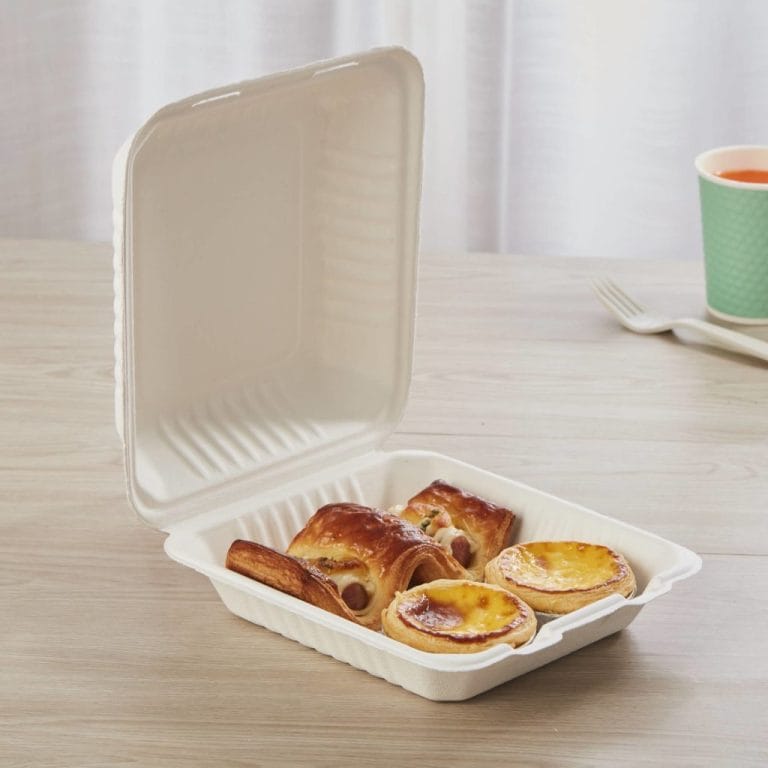
Our bagasse pulp trays offer excellent waterproof and oil-resistant properties, making them ideal for a variety of food items, from oily dishes to soups. Their durable structure prevents leaks and breakage, ensuring a mess-free, reliable packaging experience. This strength and reliability make them suitable for demanding food service settings, including high-volume takeaway and food delivery. Practical Applications of Molded Pulp Trays

2. What materials are commonly used for takeaway trays with lids?

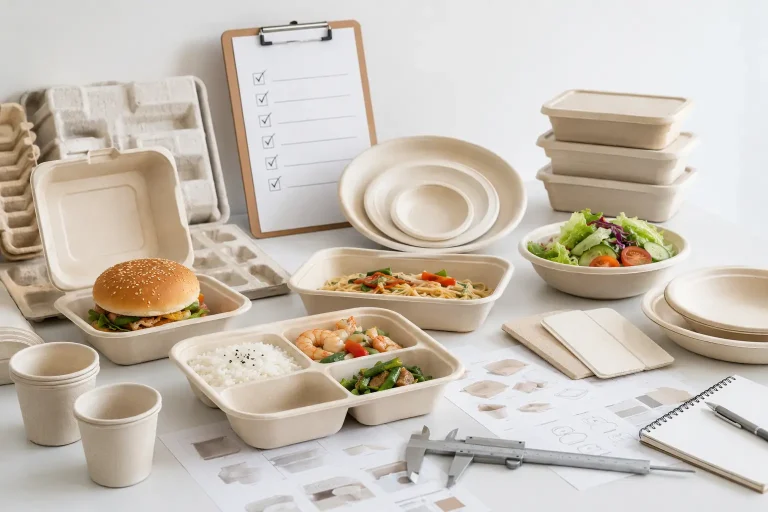
These trays are typically made from sugarcane bagasse, kraft paper, aluminum, or plastic (PP or PET) — die cutting. Eco-friendly versions are made from compostable materials like molded fiber or PLA, offering sustainable alternatives to plastic foam trays.

Why Choose Sugarcane Bagasse?

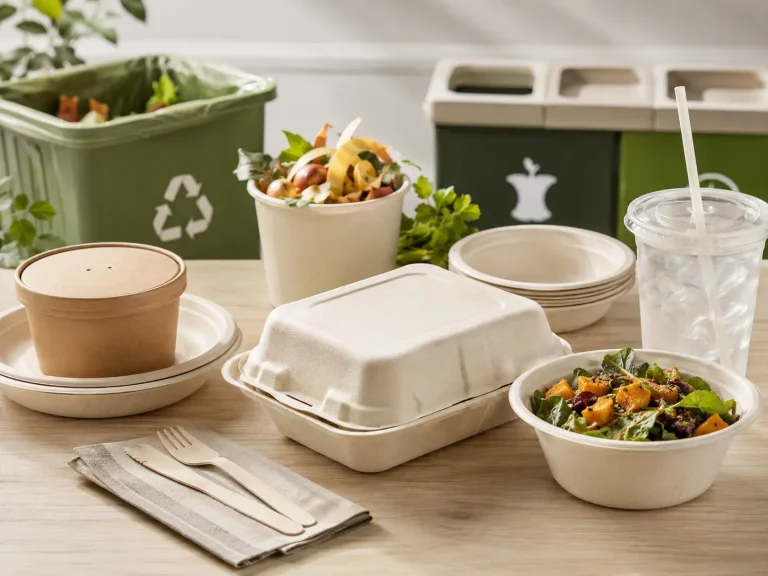
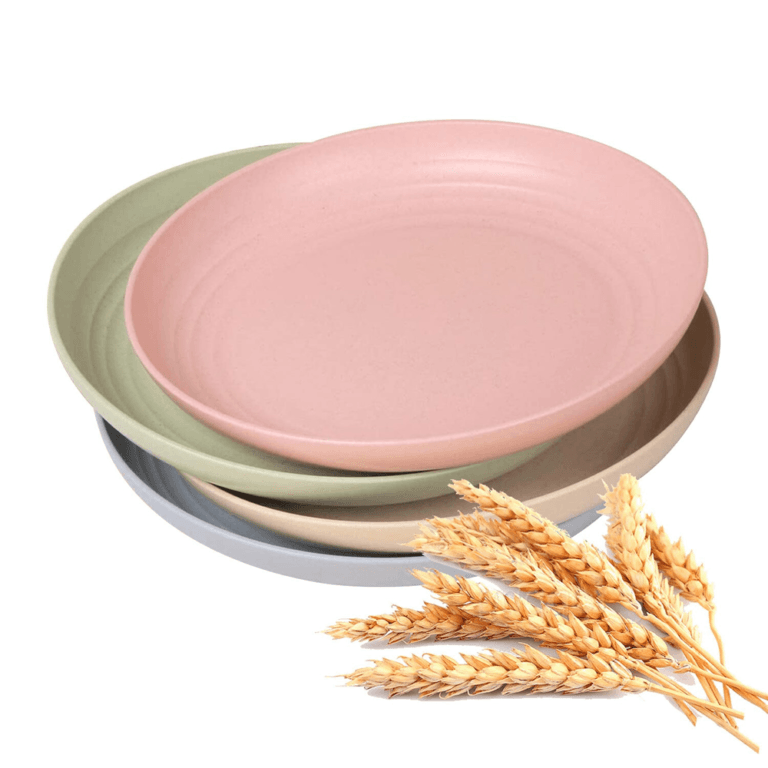
Renewable Resource: Since sugarcane is harvested and grown repeatedly, the containers become eco-friendly, and more products can be produced using bagasse fiber — die cutting. This approach in a holistic way starts reducing waste entirely. Decomposable & Environment Friendly: Because of the usage of bagasse containers eliminate the need for plastic and styrofoam bowls. This approach further helps eliminate waste from dumping/filling grounds and further helps the environment while everything decomposes into compost materials — die cutting.

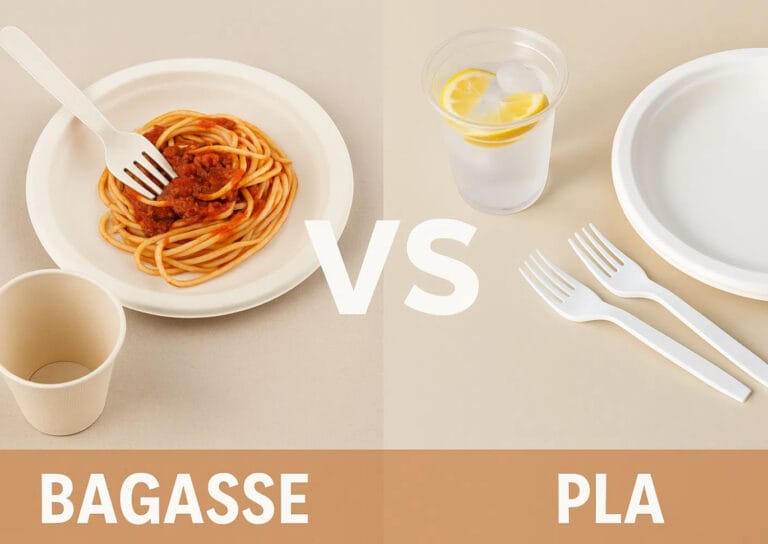
What is the difference between PE and PLA linings in paper bowls?

PE (polyethylene) is petroleum-based and not compostable, while PLA (polylactic acid) is plant-based and compostable under industrial composting conditions.

Are paper bowls safe for hot and cold foods?

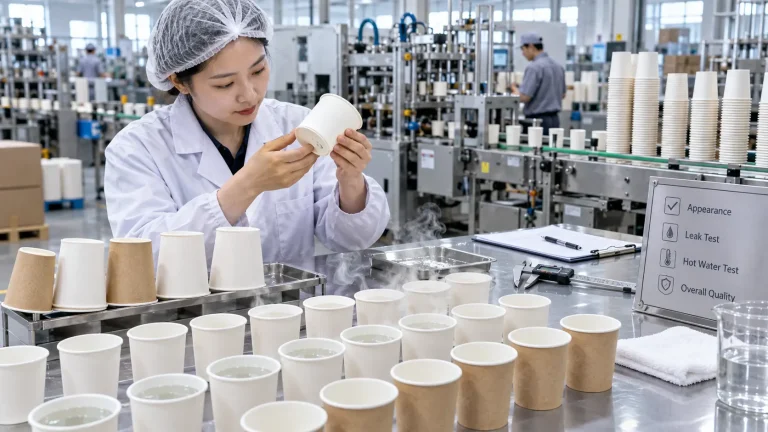
Yes, most paper bowls are designed to handle both hot and cold foods. Bowls with proper linings can withstand soup, noodles, ice cream, and more without leaking.

Related Insights

🚀Ready to Go Green and Choose ?

Join the global movement toward zero-waste packaging.


Bioleader® offers:

  • 📦 Bulk order support & fast delivery

  • ✍️ Custom branding and OEM solutions

  • 🌍 Worldwide eco-packaging compliance

Get the Catalogue Products List  & Contact Us Now! 👉

Contact us Below

Click or drag files to this area to upload.You can upload up to 5 files.
The more details you share, the faster and more accurate our quotation will be.