Compostable Wine Cups 101: What It Is, When To Use, And How To Choose | Bioleader® Insights
Actionable coverage of compostable wine cups: eco-friendly, biodegradable, compostable materials, performance data, and compliance under EN13432 & ASTM D6400. Includes BPI/TÜV references and Food-Contact Tested guidance for safe deployment. Buyer-focused: manufacturer insights, bulk/wholesale buying playbooks, OEM/ODM customization tips, full size range selection.
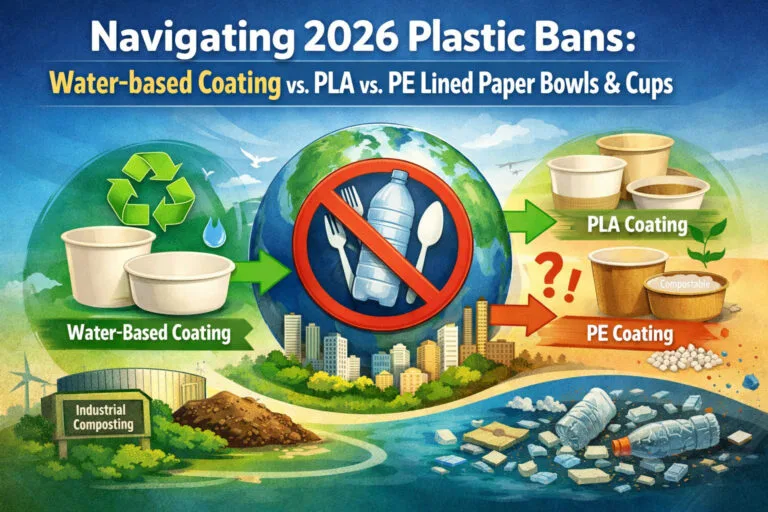
In today’s increasingly severe environmental crisis, compostable plastic cups are emerging as the ideal alternative to conventional plastic cups. While traditional plastic cups take centuries to degrade – polluting our environment and endangering ecosystems – compostable cups can rapidly break down into harmless compost under specific conditions, effectively solving both plastic pollution and resource waste. With policies like the EU’s “Plastic Ban” and growing consumer environmental awareness, a global packaging revolution is underway. Compostable plastic cups not only reduce carbon footprint by 60% but also enhance corporate image while winning over eco-conscious consumers. This article explores how this green transition achieves both environmental benefits and business value.
compostable wine cups — Quick Summary
Items displayed (articles): 12
Last updated: 2025-04-14
Includes test data, compliance guides, buyer FAQs, and real-world use cases.
FAQ of Bioleader's Eco-friendly Disposable Tableware
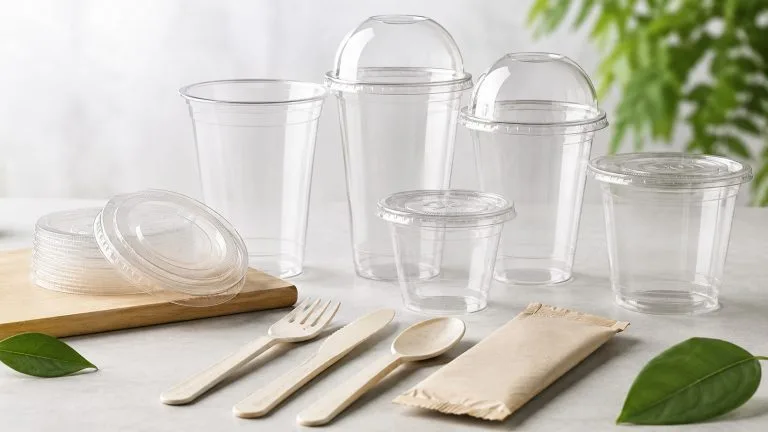
What are the available sizes?
We provide several dimensions with different volumetric capacities starting from 500ml up to 1500ml which would suffice various needs for portions.
They cannot take away hot foods?
Yes, of course , compostable wine cups. These salad bowls kraft paper and can take hot food as well as cold food, hence usable for a range of dishes.
Can these bowls be microwaved?
Yes! These eco-paper bowls are safe to use in the microwave making it easy for their customers to warm food that is in them.
Material Composition
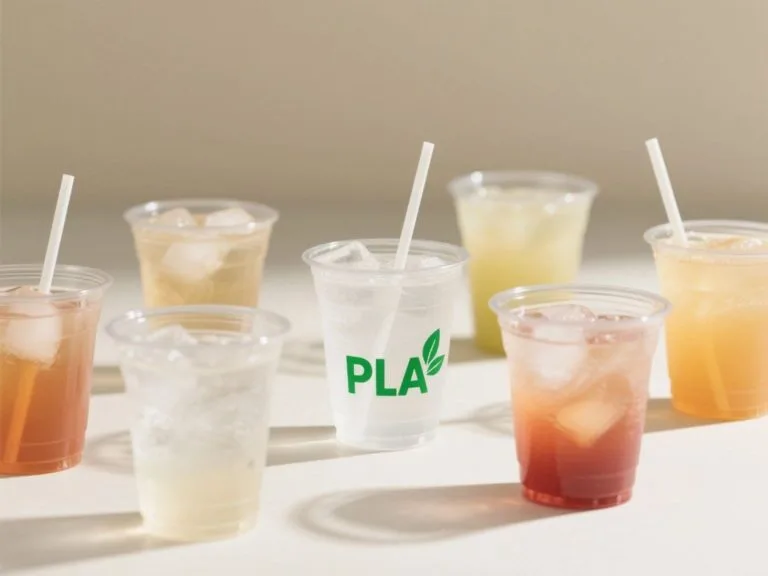
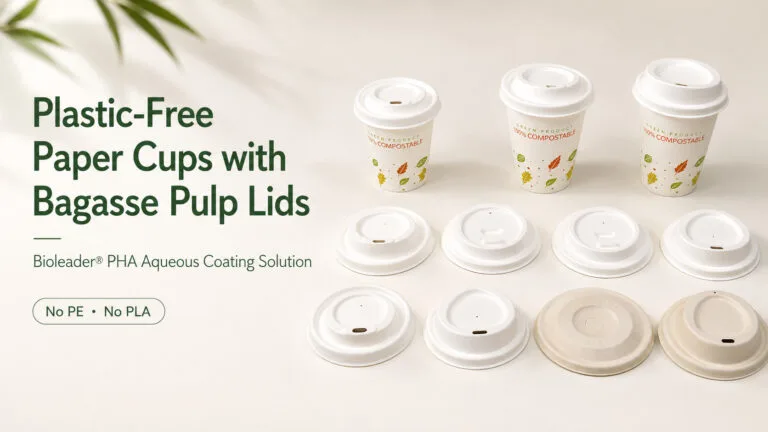
Compostable Cups: Made from renewable, plant-based materials (e.g., PLA, PHA) — compostable wine cups. Traditional Plastic Cups: Derived from non-renewable petroleum-based resources.
Health Considerations
Compostable Cups: Free from harmful chemicals like BPA , compostable wine cups. Traditional Plastic Cups: May contain toxic substances that can leach into beverages.