Compostable Standards Vs Alternatives: Cost, Performance, Sustainability | Bioleader® Insights

Browse articles grouped under the "compostable standards" tag for topic-specific information and examples. The featured articles may approach the topic from different product, material, application, market, or sourcing perspectives. Check each article for its exact scope, technical data, standards, sources, and recommendations.
compostable standards — Content Overview
  • Featured articles shown: 12
  • Directly tagged articles: 1
  • Latest tagged article update: 2026-05-24
  • Coverage, examples, and specific recommendations vary by individual article.

Editor's Picks: Top Compostable Standards Guides 2026

FAQ of Bioleader's Eco-friendly Disposable Tableware

What is the capacity of a 650ml rectangular paper salad bowl?

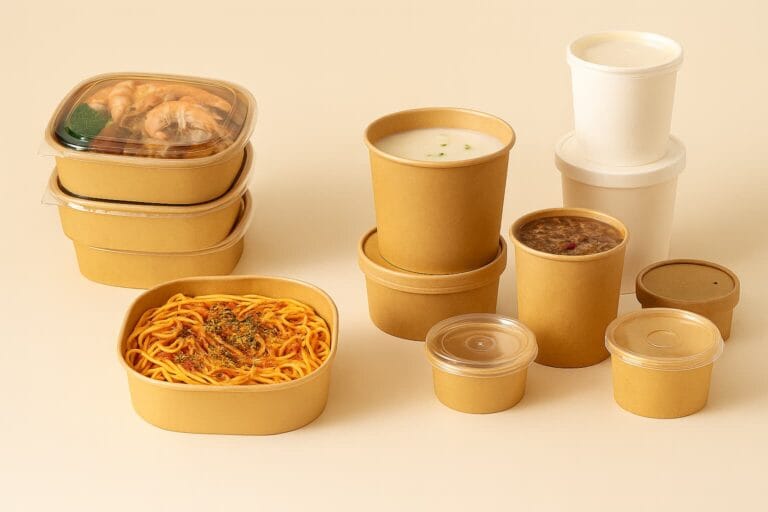
A 650ml rectangular paper salad bowl is designed for medium single-serve or regular meal portions. It is commonly used for salads, rice bowls, sushi-style meals, cold noodles, desserts, side dishes, and takeaway meals. For buyers building a wider rectangular bowl range, 650ml can be paired with 500ml, 750ml, and 1000ml rectangular paper bowls.

Which lid should I choose for 500-650ml square paper salad bowls?

PP lids are recommended when the buyer needs stacking strength, takeaway handling, and delivery stability — compostable standards. PET lids are suitable when product visibility is important for chilled salads, supermarket display, deli counters, and grab-and-go food programs. The final choice should match menu type, display needs, transport distance, and brand positioning.

Are 1000ml rectangular paper salad bowls with lids suitable for takeaway meals?

Yes. Bioleader® 1000ml rectangular paper salad bowls with lids are suitable for salads, rice bowls, cold meals, hot food, takeaway meals, and prepared food programs. The food-grade paperboard structure, coated surface, rectangular shape, and matching lid options help improve stacking, handling, and transport performance.

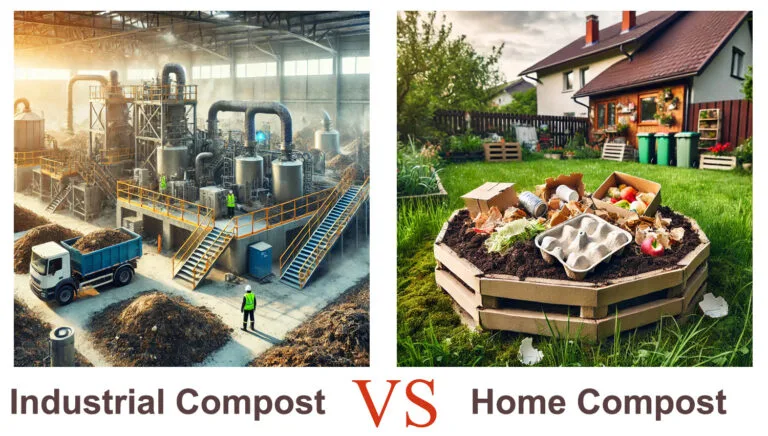
How Industrial Composting Works

Collection & Sorting: Organic waste and compostable materials are collected and sorted to remove contaminants , compostable standards. Shredding & Mixing: Materials are shredded to increase surface area, ensuring faster breakdown. Composting Phase: The mixture is placed in windrows, aerated piles, or in-vessel systems where temperature, moisture, and oxygen are regulated , compostable standards. Maturation: After several weeks or months, the compost stabilizes and becomes a nutrient-rich soil conditioner.

How Home Composting Works

Layering: A balanced mix of green waste (food scraps, grass clippings) and brown waste (dry leaves, cardboard, paper) is added. Aeration: The compost pile is turned regularly to ensure oxygen circulation. Moisture Control: Water is occasionally added to maintain an optimal moisture level. Decomposition: Microorganisms break down the materials over several weeks to months, creating nutrient-rich compost.

Related Insights

🚀Ready to Go Green and Choose ?

Join the global movement toward zero-waste packaging.


Bioleader® offers:

  • 📦 Bulk order support & fast delivery

  • ✍️ Custom branding and OEM solutions

  • 🌍 Worldwide eco-packaging compliance

Get the Catalogue Products List  & Contact Us Now! 👉

Contact Us for Quote

Click or drag files to this area to upload.You can upload up to 5 files.
The more details you share, the faster and more accurate our quotation will be.