Compostable Packaging For Cutlery: Industry Overview | Bioleader®
Actionable coverage of Compostable Packaging for Cutlery: eco-friendly, biodegradable, compostable materials, performance data, and compliance under EN13432 & ASTM D6400. Includes BPI/TÜV references and Food-Contact Tested guidance for safe deployment. Buyer-focused: manufacturer insights, bulk/wholesale buying playbooks, OEM/ODM customization tips, full size range selection.
FAQ of Bioleader's Eco-friendly Disposable Tableware
Food Delivery
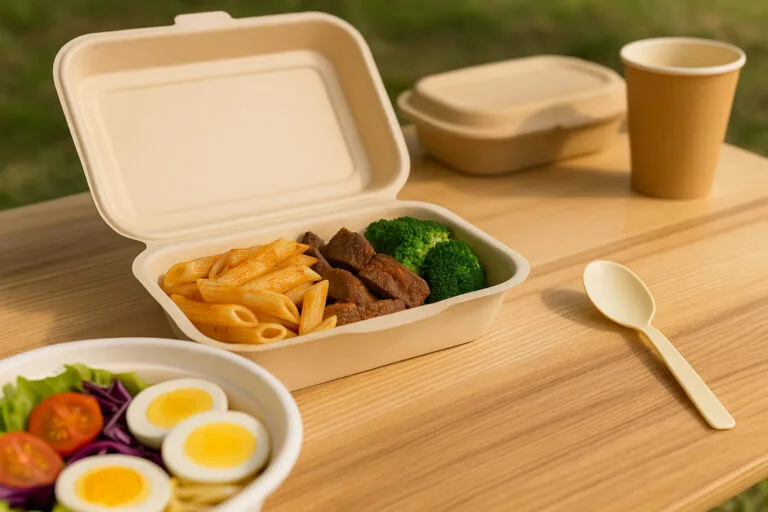
The matching lid helps protect food during short-distance transport — Compostable Packaging for Cutlery. It is a dependable option for restaurants and cloud kitchens that need cleaner presentation and better takeaway functionality.
Eco-Friendly and Biodegradable
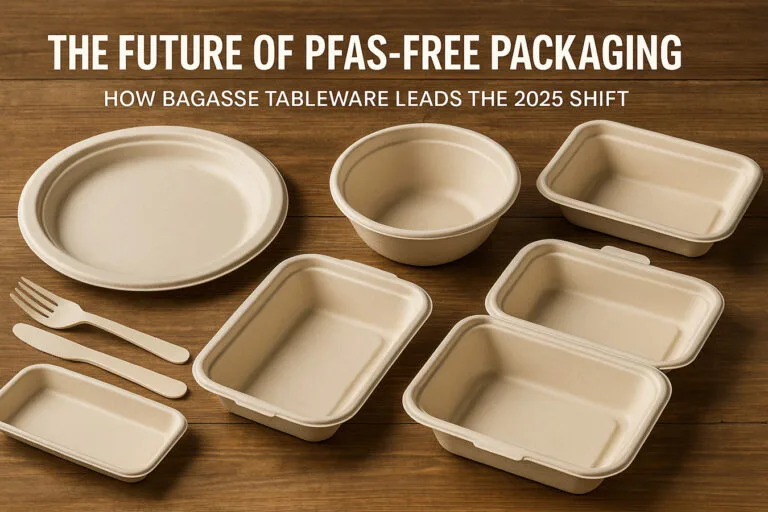
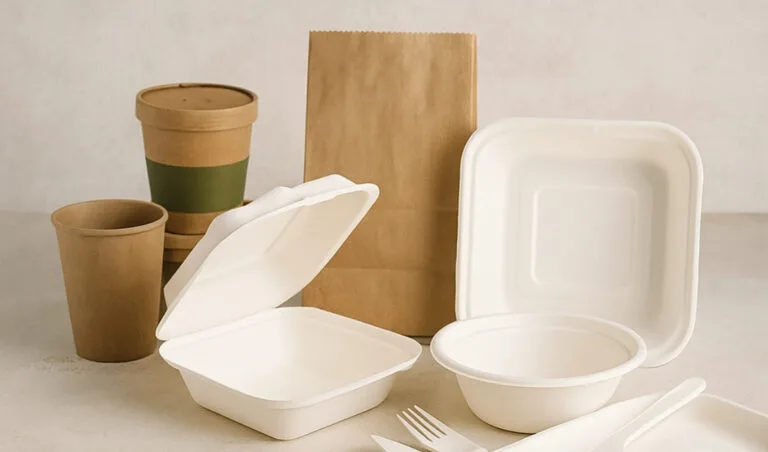
Serving as compostable food trays, our products get degraded over time when placed within activating environments, thus contributing towards minimal damage to the landfills while providing a much more environmentally friendly packaging. These bagasse food trays are not harmful to the environment which is a major shift towards a more responsible and eco-friendly practice instead of the use of plastic trays for food service.
Advantages Of Paper Pulp Moulding;
Strength &Durability: A variety of bagasse bowls have short life cycles owing to wear and tear that comes from a variety of food items, sugarcane bowls end that problem as they are extremely rigid. Leak Proof And Oil Resistant: Considering that they can handle soups and greasy foods, it is safe to say that these bowls can endure fast amounts of oil, soups, sauces, and any liquids — Compostable Packaging for Cutlery. Microwave Safe: When you are out serving sugarcane bowls, there is no use to worry as they are microwave-safe. Key Features and Benefits of Paper Pulp Disposable Biodegradable bowls
1.2 Bioleader’s Mission
As a leading manufacturer of biodegradable cutlery, Bioleader’s mission extends far beyond the production and sale of products. Our core objective is to drive the development of the low-carbon economy through material science innovation and green manufacturing processes. Bioleader is not just a cutlery manufacturer; we are a technology-driven enabler of global carbon reduction solutions. We understand that the future of eco-friendly cutlery must go beyond just biodegradability—it must include low-carbon management across the entire product lifecycle, from material sourcing to production processes, and finally to composting.
2.3 Shift in Consumer Behavior
As global awareness of environmental issues increases, so does consumer demand for more sustainable alternatives. Consumers are becoming more conscious of the environmental impact of their purchasing decisions and are seeking products that align with their values — Compostable Packaging for Cutlery. This shift in behavior is particularly pronounced in the foodservice industry, where consumers are increasingly expecting businesses to offer eco-friendly packaging options. The demand for biodegradable cutlery is being driven by consumer desire for products that are compostable, non-toxic, and derived from renewable resources.