Highlights from featured articles under this tag:


Yes , compostable cups factory. Bioleader® 500ml rectangular paper salad bowls with lids are suitable for salads, rice bowls, cold meals, hot food, light takeaway meals, and prepared food programs. The food-grade paperboard structure, coated surface, rectangular shape, and matching lid options help improve stacking, handling, and transport performance.
A 650ml rectangular paper salad bowl is designed for medium single-serve or regular meal portions. It is commonly used for salads, rice bowls, sushi-style meals, cold noodles, desserts, side dishes, and takeaway meals. For buyers building a wider rectangular bowl range, 650ml can be paired with 500ml, 750ml, and 1000ml rectangular paper bowls.
Yes. Bioleader® 750ml rectangular paper salad bowls with lids are suitable for salads, rice bowls, cold meals, hot food, takeaway meals, and prepared food programs. The food-grade paperboard structure, coated surface, rectangular shape, and matching lid options help improve stacking, handling, and transport performance — compostable cups factory.
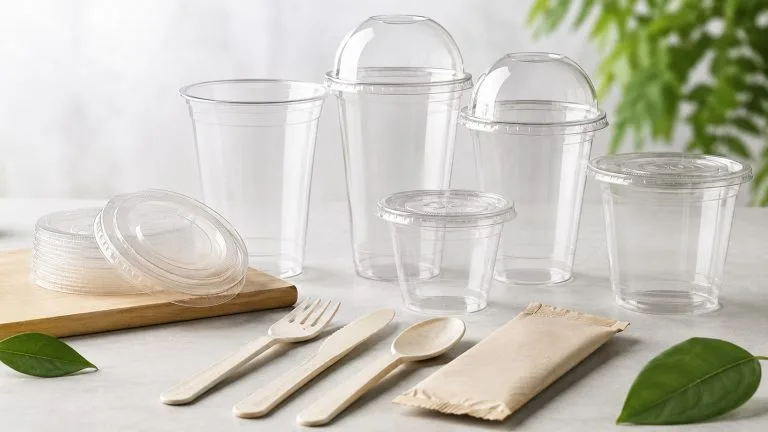
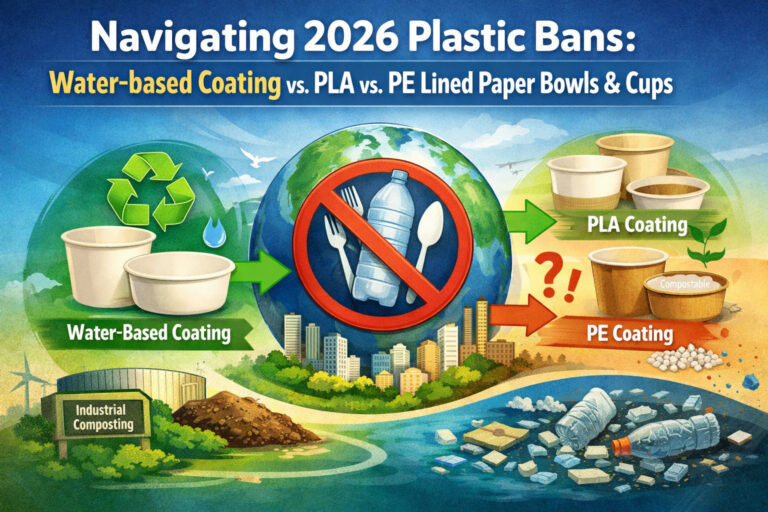
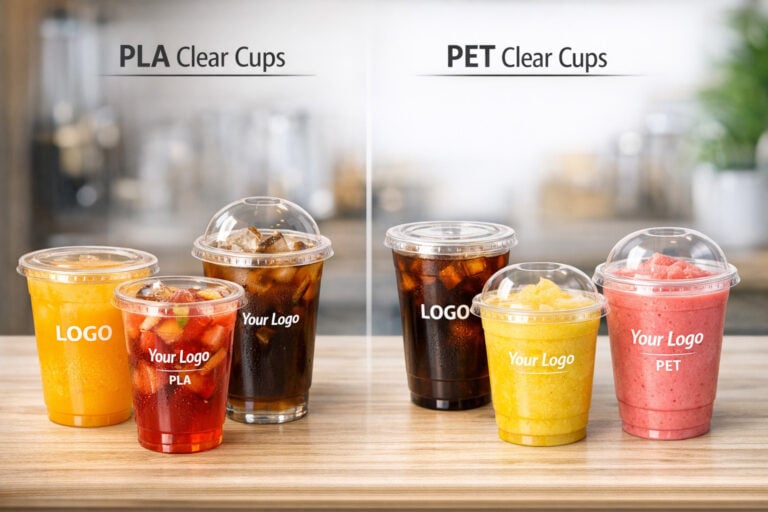
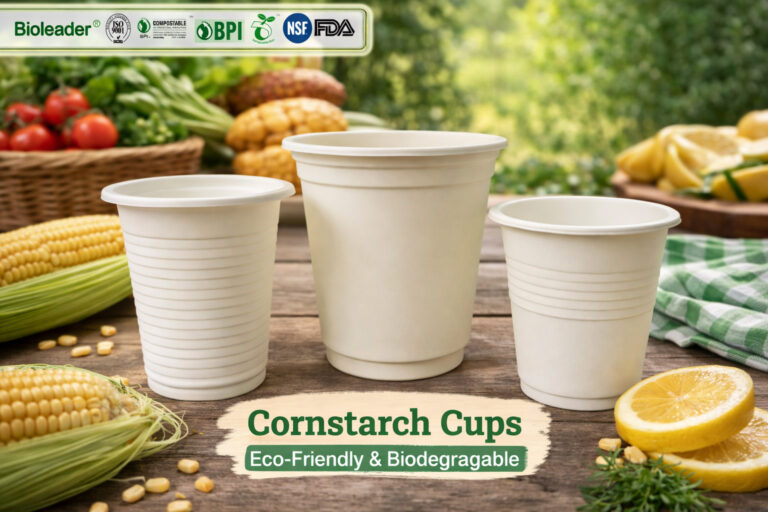
Compostable Cups: Ideal for eco-conscious events, cafes, and businesses aiming for sustainability. Traditional Plastic Cups: Commonly used due to low cost but with significant environmental drawbacks. Comparison Table: Feature Compostable Cups Traditional Plastic Cups Material Plant-based (PLA, PHA) Petroleum-based Decomposition Time 90-180 days (industrial) Hundreds of years Environmental Impact Low High Health Risks Minimal Potential chemical leaching Ideal Use Cases Sustainable events, cafes General use 5 Reasons to Switch to Compostable Plastic Cups Today
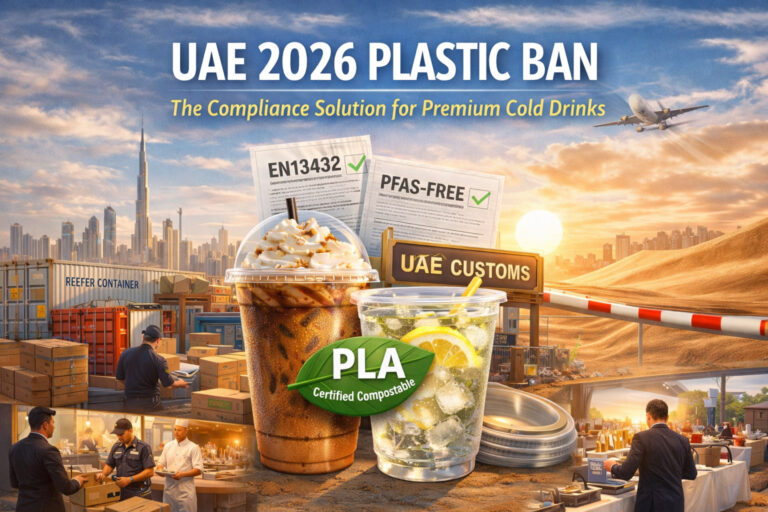
One of the most compelling reasons to switch to compostable plastic cups is their remarkable contribution to environmental sustainability — compostable cups factory. Unlike petroleum-based plastic cups, which can persist in landfills or oceans for over 400 years, compostable cups made from PLA or PHA break down into water, carbon dioxide, and biomass under the right composting conditions—typically within 90–180 days. According to the United Nations Environment Programme (UNEP), single-use plastics are a major contributor to global pollution, with over 300 million tons of plastic waste generated annually. Compostable cups help mitigate this crisis by: Reducing landfill volume Avoiding microplastic pollution Supporting zero-waste and circular economy goals Converting organic waste into nutrient-rich compost for agriculture For event organizers, foodservice businesses, and cafés aiming for carbon neutrality, this switch can have a direct and measurable impact on Scope 3 emissions.
Join the global movement toward zero-waste packaging.
Bioleader® offers:
📦 Bulk order support & fast delivery
✍️ Custom branding and OEM solutions
🌍 Worldwide eco-packaging compliance
Get the Catalogue Products List & Contact Us Now! 👉