FAQ of Bioleader's Eco-friendly Disposable Tableware
What are the benefits of individually wrapped plastic cutlery?
Individually wrapped plastic cutlery ensures high levels of hygiene, protects against contamination, and provides a convenient and sanitary solution for foodservice environments.
Can Earth Friendly Utensils be customized for branding?
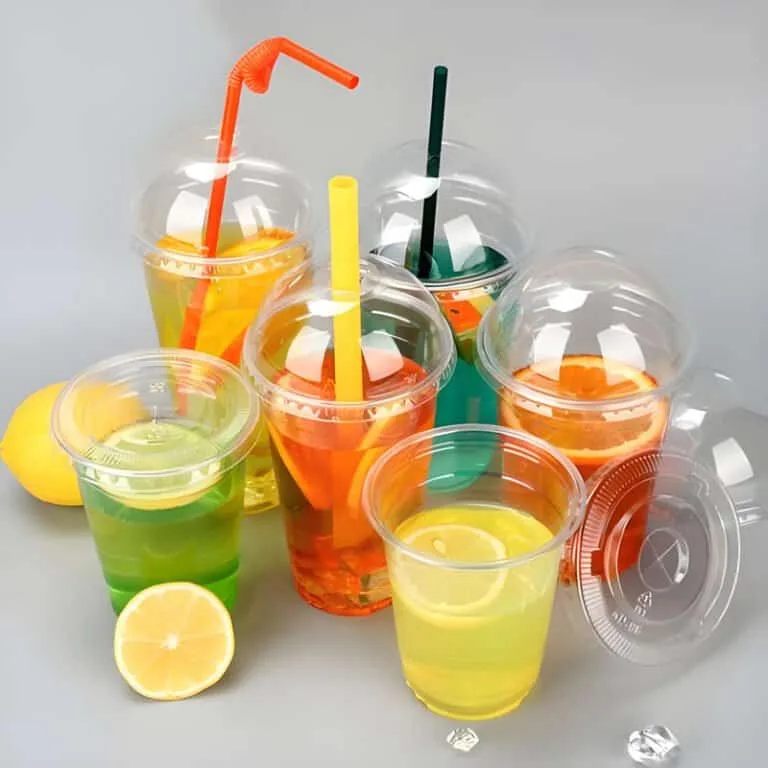
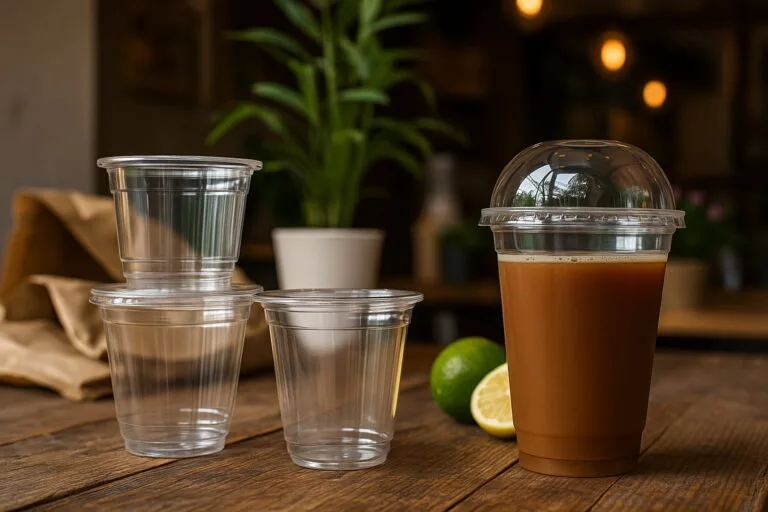
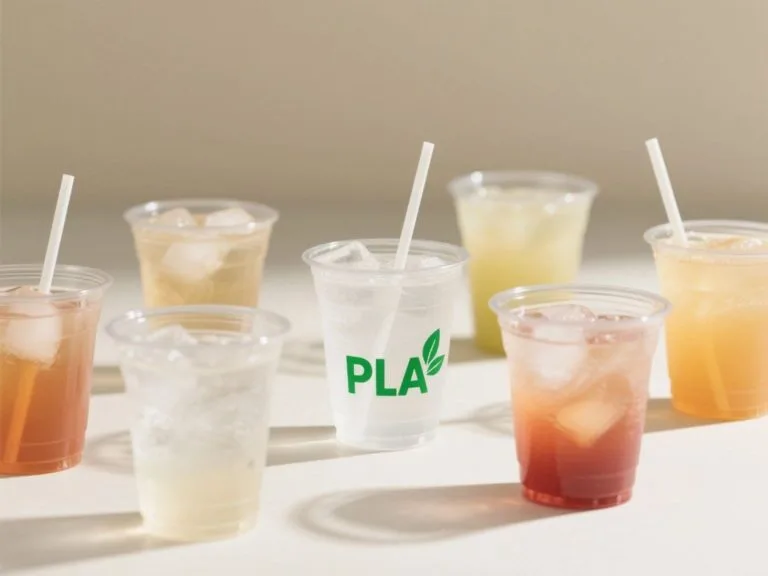
Absolutely , Cold Drink PLA Cups. Bioleader offers customizable packaging and logo printing options, allowing businesses to enhance their brand and promote sustainability.
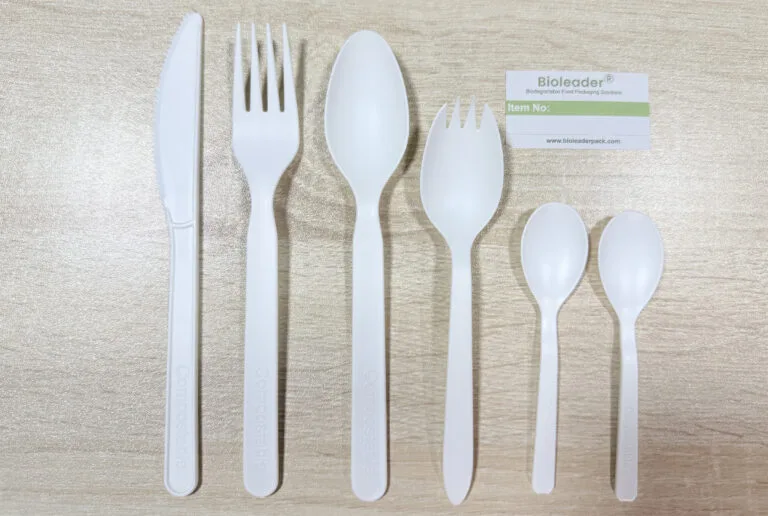
What is a compostable spork made of?
A compostable spork is typically made from cornstarch or other plant-based bioplastics, making it biodegradable and environmentally friendly compared to traditional plastic cutlery — Cold Drink PLA Cups.
2.3 Renewable Resource-Based
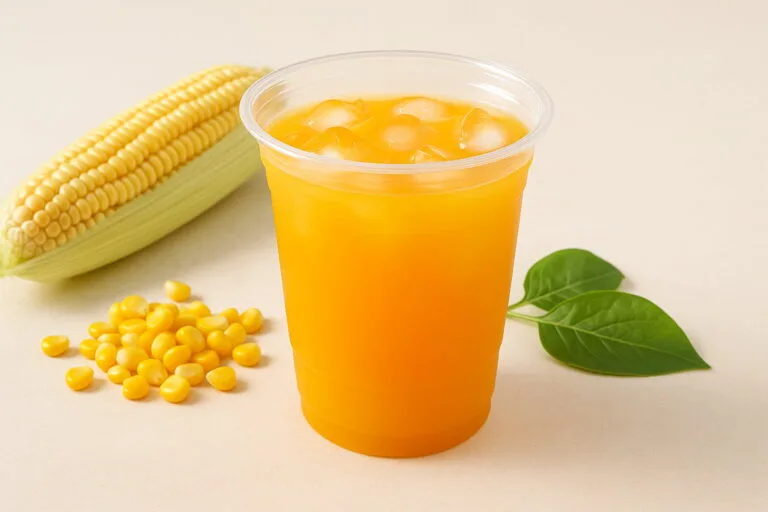
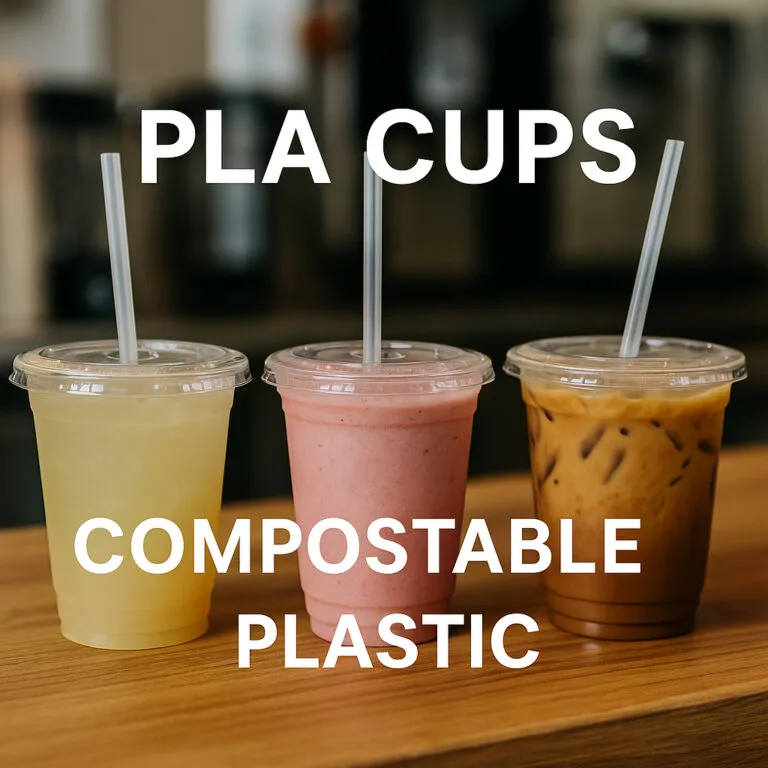
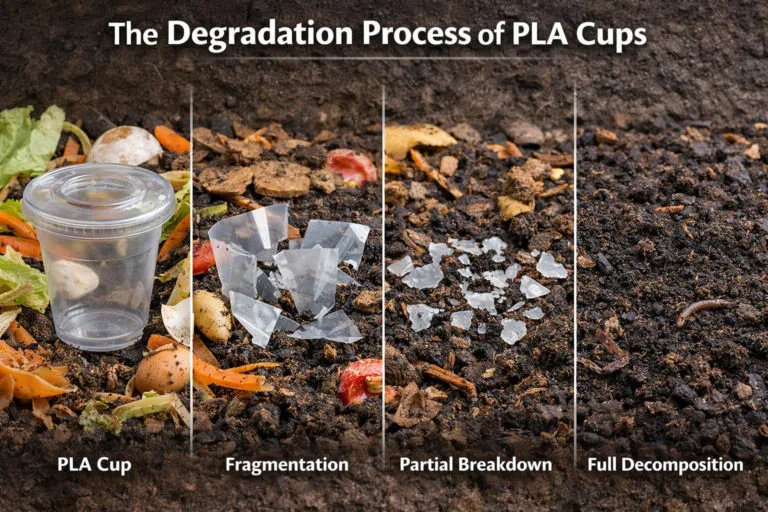
The production of PLA utilizes renewable resources, primarily plant-based materials like cornstarch and sugarcane , Cold Drink PLA Cups. This reliance on renewable feedstocks reduces dependence on finite fossil fuels and contributes to a more sustainable lifecycle for the product.
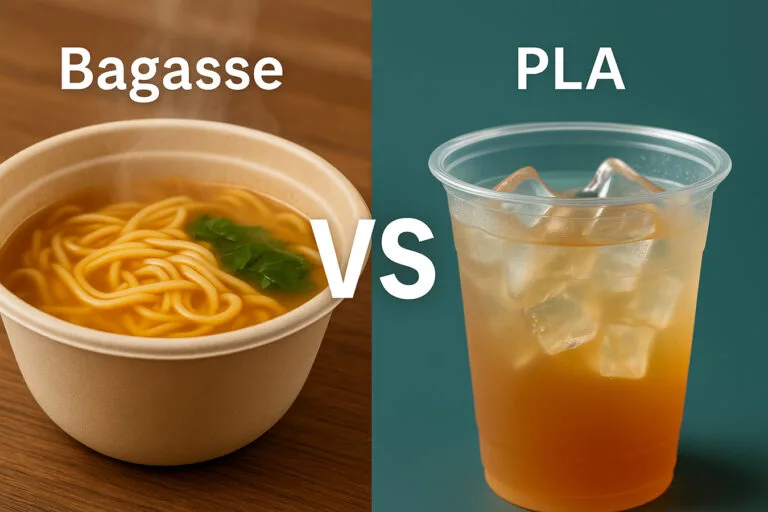
1.1 Bagasse: A Lignocellulosic Fiber Network
Bagasse is composed of: Component Percentage Technical Role Cellulose 50–55% High crystallinity → rigidity & heat resistance Hemicellulose 20–25% Flexibility & bonding support Lignin 18–25% Aromatic polymers → natural thermal barrier According to Carbohydrate Polymers (2022), lignocellulosic fibers exhibit thermal stability up to ~200°C before decomposition, far exceeding PLA’s heat deformation threshold.