FAQ of Bioleader's Eco-friendly Disposable Tableware
What is a PLA spoon compostable plastic spoon made from?
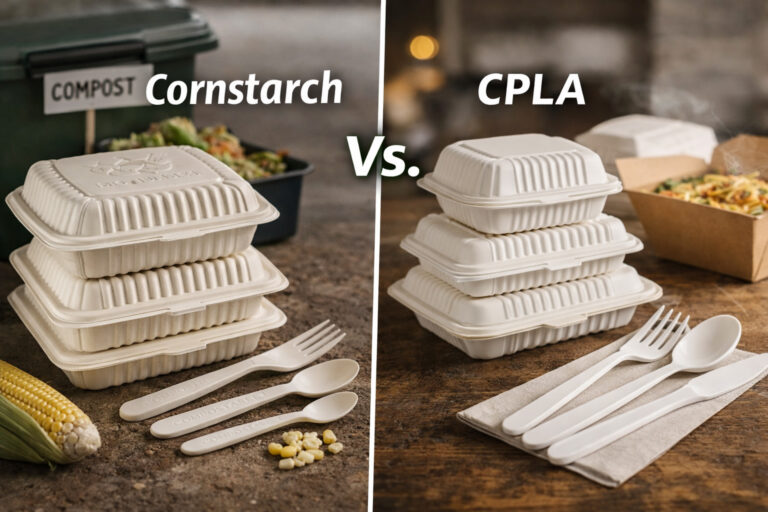
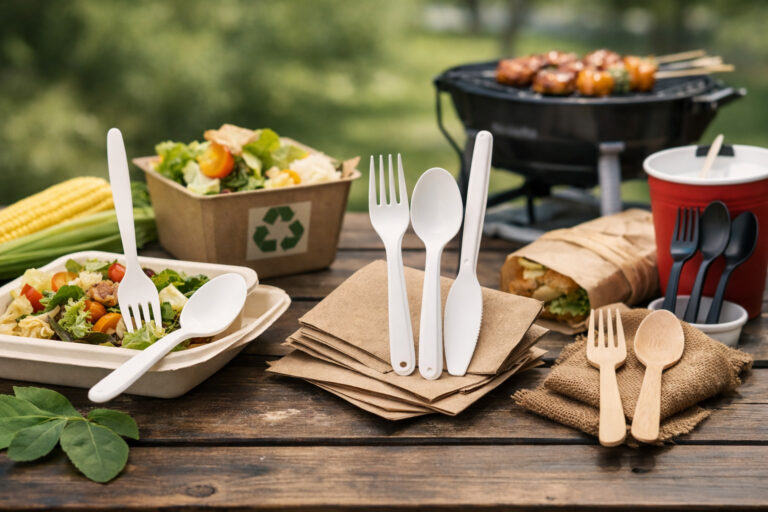
PLA spoons are made from polylactic acid, a plant-based bioplastic derived mainly from renewable resources like corn starch, making them biodegradable and compostable — clamshell packaging com.
What are Earth Friendly Utensils Disposable Cutlery made from?
Earth Friendly Utensils Disposable Cutlery is made from renewable plant-based materials like cornstarch or PLA, making them biodegradable and compostable.
Are earth friendly disposable utensils safe for hot and cold foods?
Yes, these utensils are designed to be strong and heat-resistant, suitable for serving both hot and cold foods in restaurants, catering, and events.
1.1 PET, PP Plastic Clamshell Packaging (Blister)
PET (Polyethylene Terephthalate) and PP (Polypropylene) are among the most common plastics used for clamshell containers — clamshell packaging com. These materials are popular in the food industry due to their clarity, durability, and ability to protect contents from moisture and contaminants. Common Uses: PET or PP clamshell blister packaging is frequently used for fruit clamshell packaging (blueberries, strawberries), vegetable assortments, bakery products (cupcakes), sandwiches, and more. Their transparent nature (clear plastic clamshell containers) allows consumers to view the product before purchase, increasing trust and the likelihood of sale.
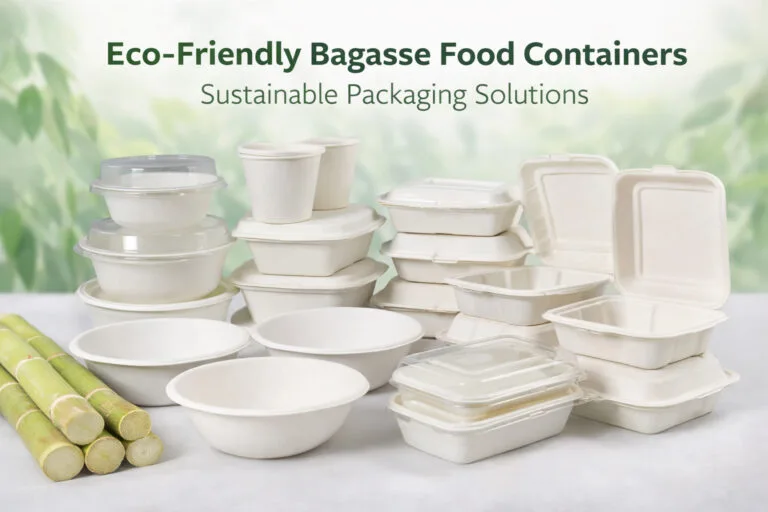
How to Integrate Bagasse Containers:
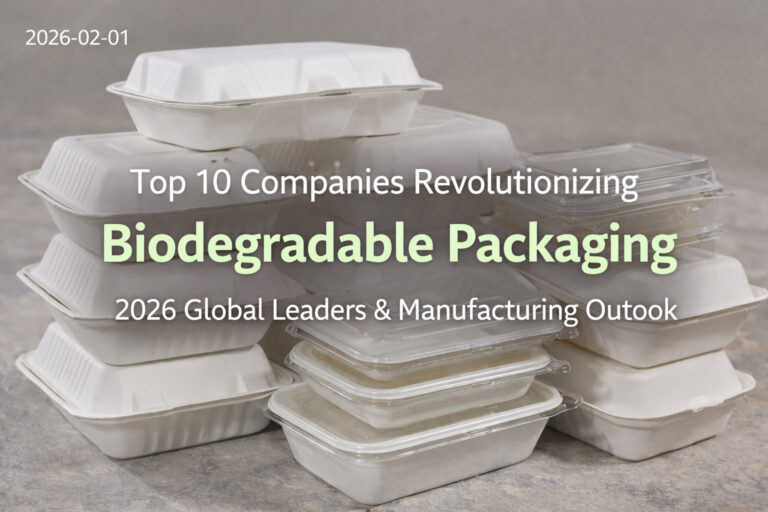
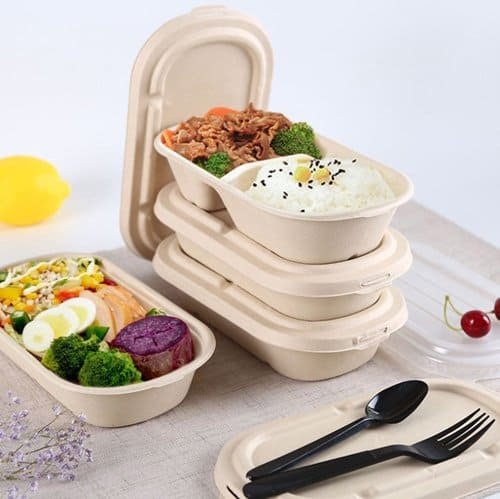
Tips: For best results, use bagasse containers for foods that are not extremely liquid or greasy , clamshell packaging com. This helps maintain structural integrity. Techniques: Store these containers in a dry, cool environment to preserve their strength. Best Practices: Label the containers as compostable clamshell, and, if possible, partner with local composting facilities to encourage proper disposal.