China Biodegradable Products Vs Alternatives: Cost, Performance, Sustainability | Bioleader® Sustainable Packaging

Actionable coverage of China biodegradable products: eco-friendly, biodegradable, compostable materials, performance data, and compliance under EN13432 & ASTM D6400. Includes BPI/TÜV references and Food-Contact Tested guidance for safe deployment. Buyer-focused: manufacturer insights, bulk/wholesale buying playbooks, OEM/ODM customization tips, full size range selection.
China biodegradable products — Quick Summary
  • Items displayed (articles): 12
  • Last updated: 2025-03-16
  • Includes test data, compliance guides, buyer FAQs, and real-world use cases.

Editor’s Picks: Top China Biodegradable Products Guides 2026

FAQ of Bioleader's Eco-friendly Disposable Tableware

1. What are disposable food trays with lids typically used for?

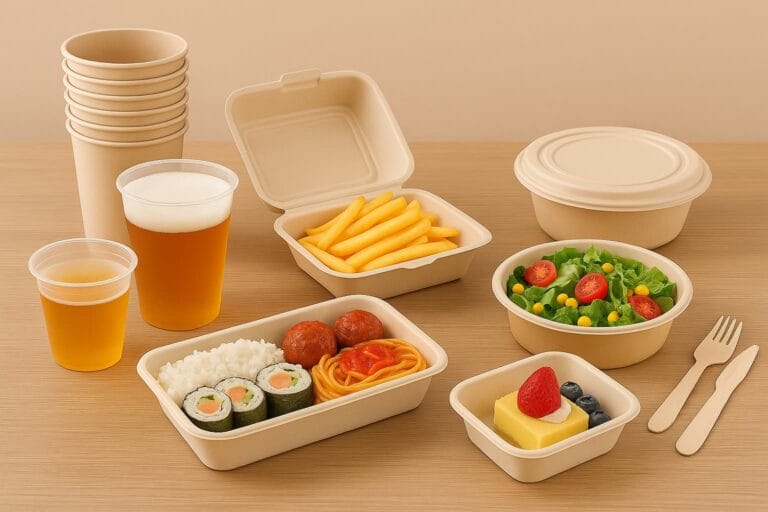
They are widely used in foodservice settings such as takeout, meal prep, catering, and airline meals. The trays offer secure food separation and freshness, making them ideal for combo meals, bento boxes, and heat-and-serve packaging.

Eco-Friendly, Compostable, and Biodegradable

Our molded pulp trays are fully compostable and biodegradable. They naturally break down within a few months, supporting a circular economy and reducing landfill burden — China biodegradable products. This makes our sugarcane pulp trays an excellent choice for eco-conscious consumers and businesses looking to adopt sustainable practices.

2. Are compostable food trays microwave-safe?

Yes, most compostable food trays made from bagasse or sugarcane pulp are microwave-safe. They can safely withstand typical microwave heating conditions without releasing harmful substances or losing structural integrity.

Factors Influencing Biodegradability

Material Composition: Natural polymers degrade faster than synthetic ones. Environmental Conditions: Temperature, moisture, oxygen levels, and microbial activity play pivotal roles. Industrial Compost vs Home Compost.png   Types of Biodegradable Materials

Advantages and Limitations

While biodegradable materials offer substantial environmental advantages, improper disposal, such as in oxygen-deficient landfills, may lead to methane emissions, a potent greenhouse gas. Thus, responsible disposal methods like composting and anaerobic digestion are vital — China biodegradable products.   Non-Biodegradable Materials Non-biodegradable materials resist natural decomposition processes, leading to persistent environmental pollution, ecosystem degradation, and resource depletion — China biodegradable products.

Related Insights

🚀Ready to Go Green and Choose ?

Join the global movement toward zero-waste packaging.


Bioleader® offers:

  • 📦 Bulk order support & fast delivery

  • ✍️ Custom branding and OEM solutions

  • 🌍 Worldwide eco-packaging compliance

Get the Catalogue Products List  & Contact Us Now! 👉

Contact us Below

Click or drag files to this area to upload.You can upload up to 5 files.
The more details you share, the faster and more accurate our quotation will be.