Trends In Cheap Eco-friendly Plates: Market Insights, Innovations & FAQs | Bioleader® Guides

Actionable coverage of Cheap Eco-friendly Plates: eco-friendly, biodegradable, compostable materials, performance data, and compliance under EN13432 & ASTM D6400. Includes BPI/TÜV references and Food-Contact Tested guidance for safe deployment. Buyer-focused: manufacturer insights, bulk/wholesale buying playbooks, OEM/ODM customization tips, full size range selection.

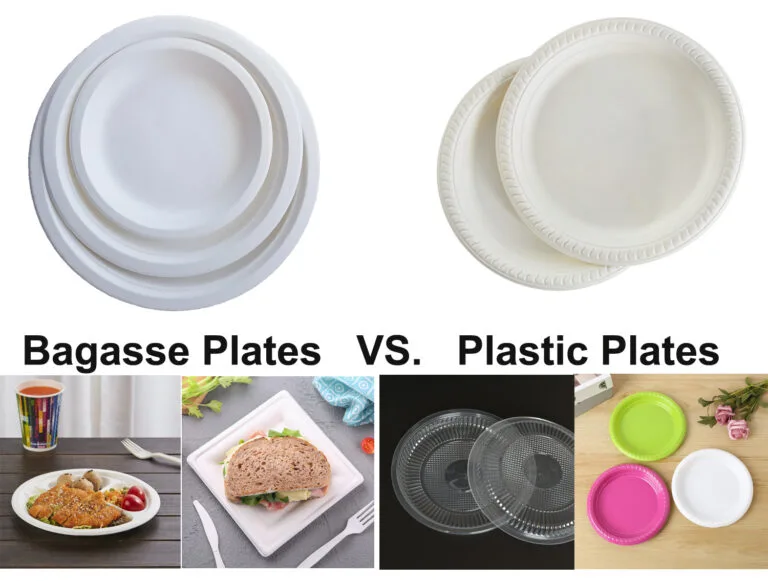
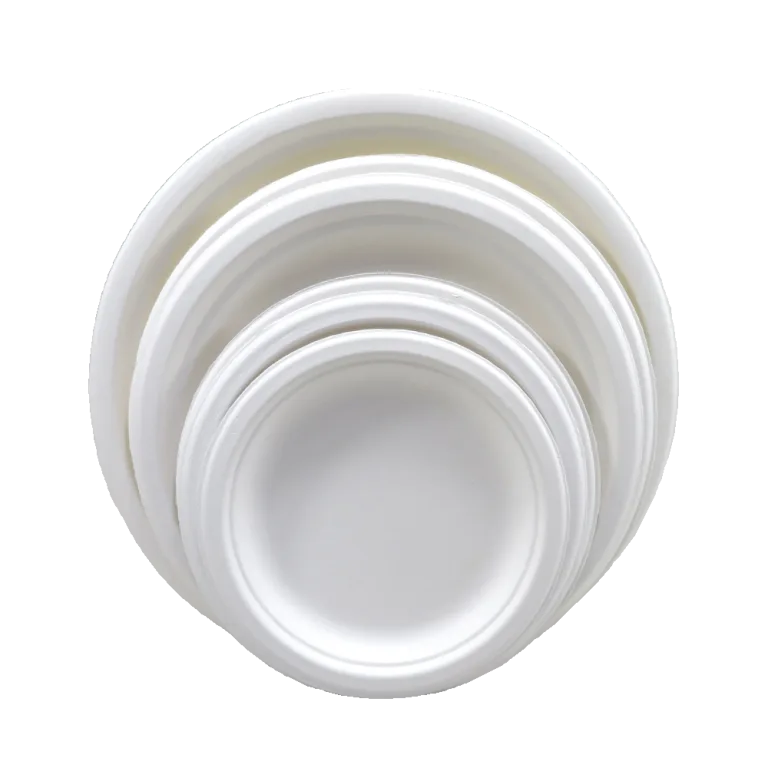
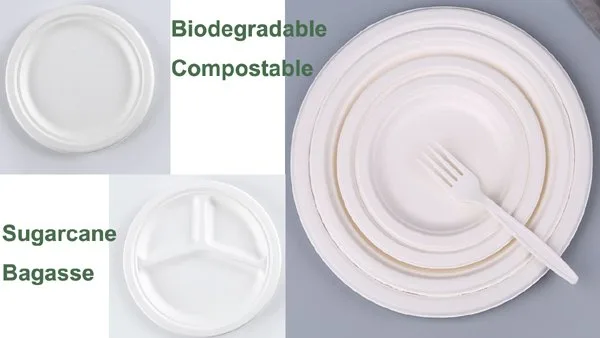
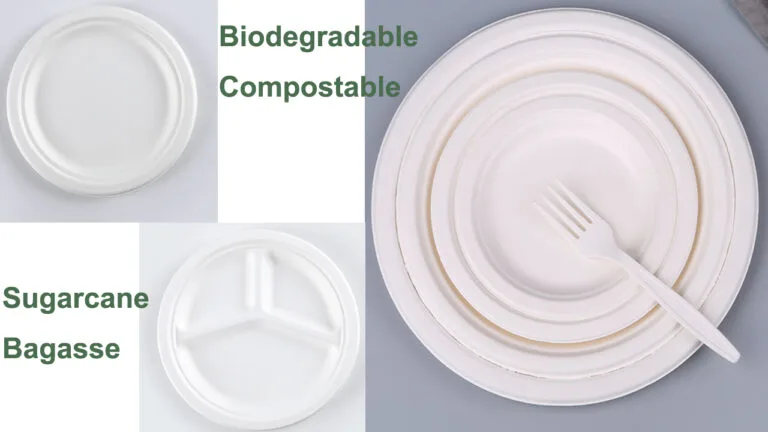
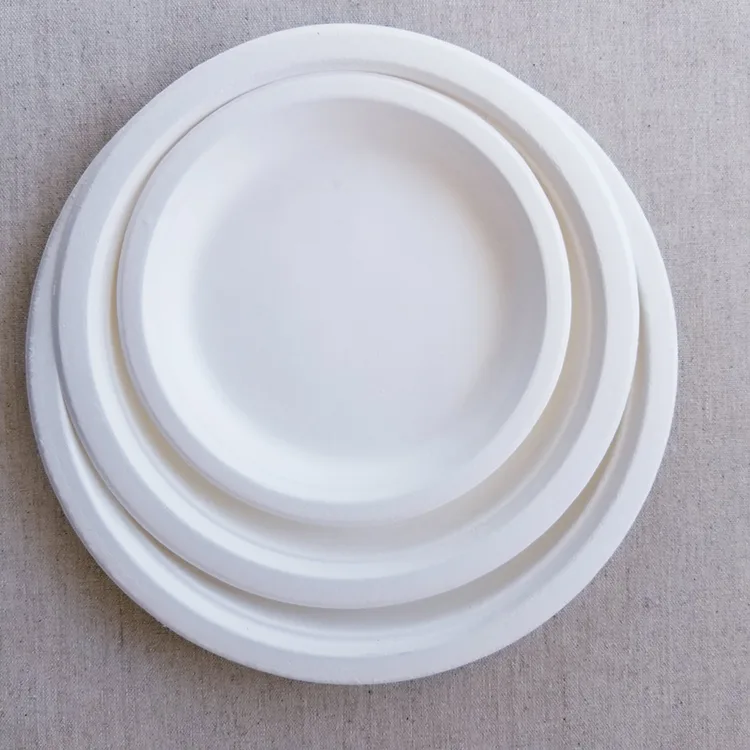
The debate over single-use disposable dinnerware has reached a tipping point in a world increasingly focused on sustainability and environmental stewardship. The choice between bagasse plates and plastic plates is no longer just a matter of convenience—it is a decision that affects our planet’s future. The answer is clear: bagasse plates, made from the fibrous residue of sugarcane, are far superior to traditional plastic plates. They offer significant environmental, economic, and health benefits, making them an ideal alternative for eco-conscious businesses and consumers.

Cheap Eco-friendly Plates — Quick Summary
  • Items displayed (articles): 12
  • Last updated: 2025-02-21
  • Includes test data, compliance guides, buyer FAQs, and real-world use cases.

Editor’s Picks: Top Cheap Eco-friendly Plates Guides 2026

FAQ of Bioleader's Eco-friendly Disposable Tableware

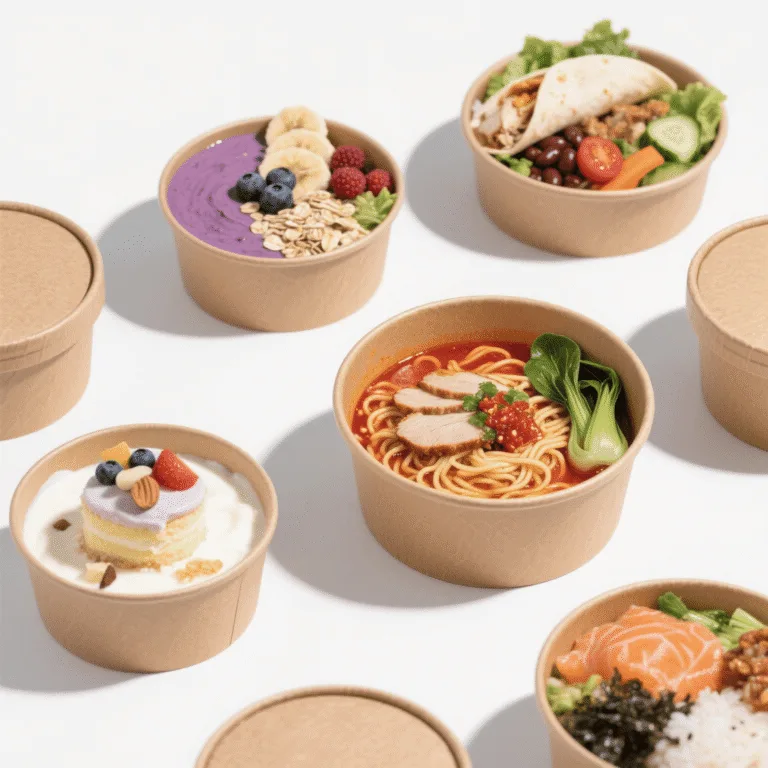
Do these bowls leak?

Yes, the ultra-secure lids on our eco friendly disposable bowls with lids make sure no amount of liquid comes out while in the traveling process , Cheap Eco-friendly Plates.

Can you make them and put my logo on them?

Yes, there is the option of full customization including branding. Please reach out to us to discuss the possibilities of branding our bowls , Cheap Eco-friendly Plates.

Do the lids hold tight so there are no leakage problems while in transit?

Yes, the lids are designed in such a way that they are fastened to the container securely and will not let the contents escape or leak during transit, which is an ideal characteristic for takeaway and delivery orders.

Material Origins and Production

The primary source for plastic plates is petroleum, which is a non-renewable resource that emits significant carbon and damages the environment during extraction and processing — Cheap Eco-friendly Plates. On the other hand, bagasse is a residue from the extraction of juice from sugarcane. Wastes that were once considered useless are now turned into long-standing food ware. This upcycling of these agricultural wastes not only alleviates the pressure on landfills but further decreases the demand for fresh raw materials.

Market Growth and Industry Trends

At present, the global market for bagasse plates is witnessing strong growth. Emerging market studies reveal that the bagasse plates industry had a valuation of nearly US$ 201.4 million in 2022 and is estimated to increase at a CAGR of 6.7% to almost US$367.6 million by 2031. The primary reasons for this growth are the increasing demand from policymakers to limit the use of plastic and changing consumer habits that prefer environmentally friendly goods. Organizations that make the switch to bagasse plates stand to gain with changing market sentiment as well as improved brand equity.

Related Insights

🚀Ready to Go Green and Choose ?

Join the global movement toward zero-waste packaging.


Bioleader® offers:

  • 📦 Bulk order support & fast delivery

  • ✍️ Custom branding and OEM solutions

  • 🌍 Worldwide eco-packaging compliance

Get the Catalogue Products List  & Contact Us Now! 👉

Contact us Below

Click or drag files to this area to upload.You can upload up to 5 files.
The more details you share, the faster and more accurate our quotation will be.