The 2025 Buyer’s Guide To Cheap Bio-plastic Products | Bioleader® Insights

Actionable coverage of cheap bio-plastic products: eco-friendly, biodegradable, compostable materials, performance data, and compliance under EN13432 & ASTM D6400. Includes BPI/TÜV references and Food-Contact Tested guidance for safe deployment. Buyer-focused: manufacturer insights, bulk/wholesale buying playbooks, OEM/ODM customization tips, full size range selection.
cheap bio-plastic products — Quick Summary
  • Items displayed (articles): 12
  • Last updated: 2025-02-20
  • Includes test data, compliance guides, buyer FAQs, and real-world use cases.

Editor’s Picks: Top Cheap Bio-plastic Products Guides 2026

FAQ of Bioleader's Eco-friendly Disposable Tableware

Friendly to the environment

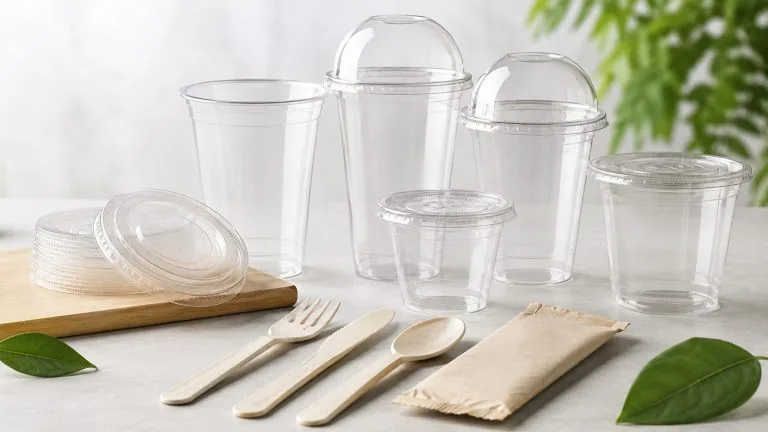
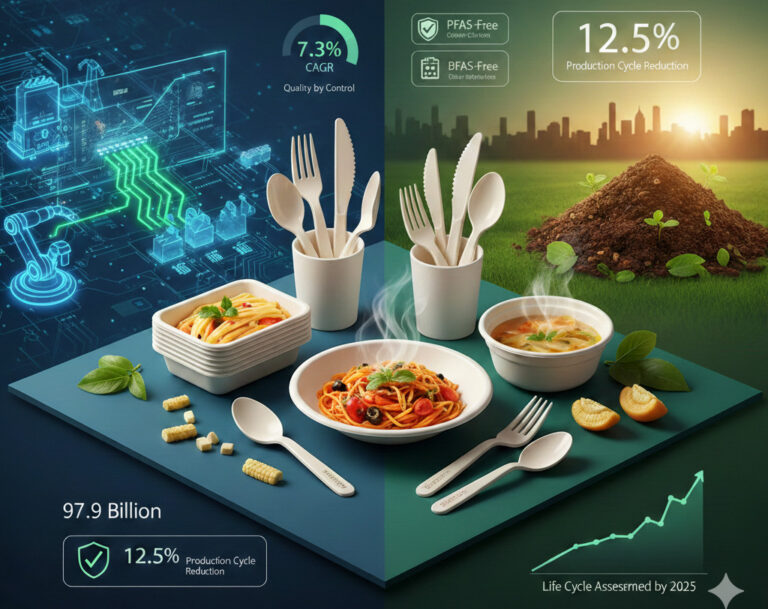
Biodegradable and Compostable: These disposable biodegradable bowls are compostable which makes it easier for the environment in the long run and also menaces plastic pollution — cheap bio-plastic products. Nontoxic: These bowls are made without the utilization of PFAS and BPA which allows them to be Free from chemical leaching into the food served.

Advantages Of Paper Pulp Moulding;

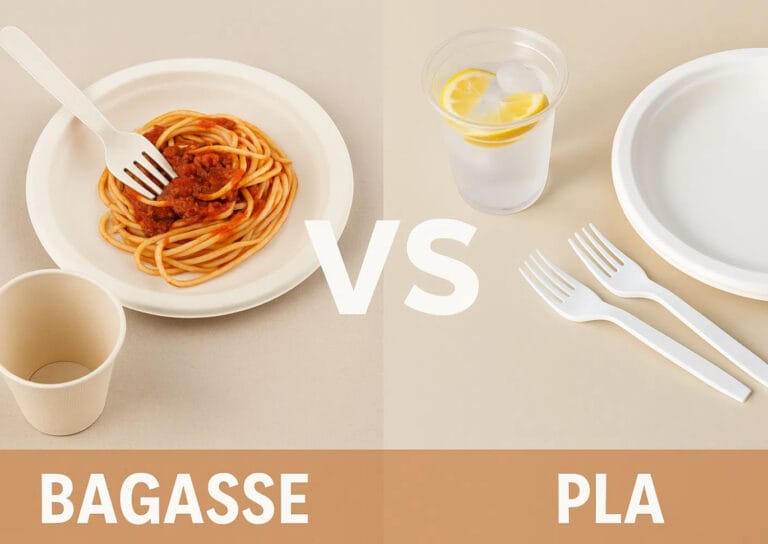
Strength &Durability: A variety of bagasse bowls have short life cycles owing to wear and tear that comes from a variety of food items, sugarcane bowls end that problem as they are extremely rigid. Leak Proof And Oil Resistant: Considering that they can handle soups and greasy foods, it is safe to say that these bowls can endure fast amounts of oil, soups, sauces, and any liquids — cheap bio-plastic products. Microwave Safe: When you are out serving sugarcane bowls, there is no use to worry as they are microwave-safe. Key Features and Benefits of Paper Pulp Disposable Biodegradable bowls

Waterproof, Oil-Resistant, and Durable

Bagasse trays are designed to handle a range of food types, including greasy and moist dishes. Their waterproof and oil-resistant properties prevent leaks, making them a reliable choice for takeaway meals. The durable and reliable construction ensures that food remains intact during transportation and storage, enhancing the overall customer experience. Versatile Usage — cheap bio-plastic products.

Raw Material Sources

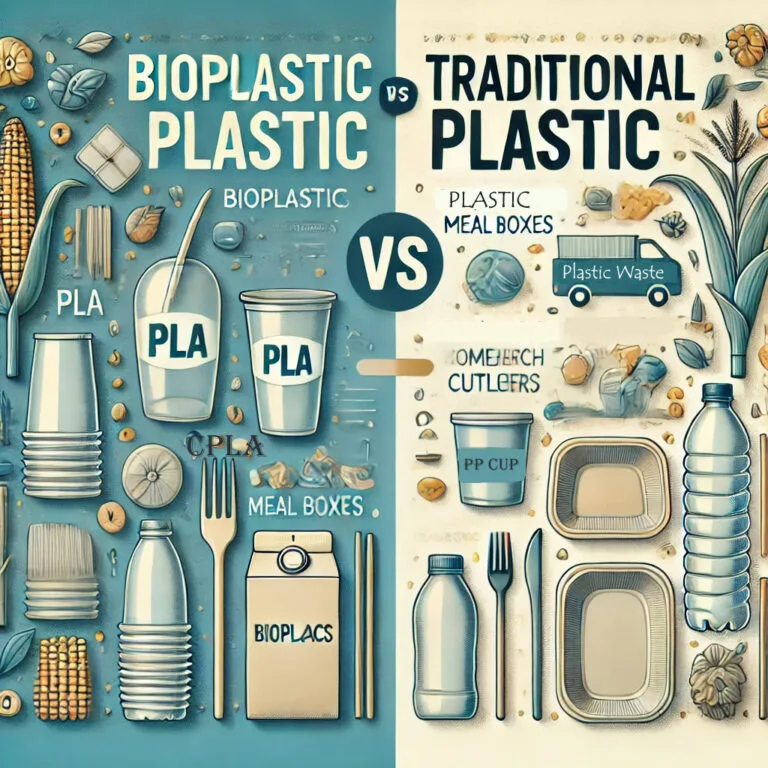
Traditional Plastics: Petrochemical feedstocks derived from crude oil or natural gas. Bioplastics: Renewable biological sources such as corn, sugar beet, sugarcane, or even cellulose from wood pulp. The shift from fossil fuels to renewable resources can theoretically reduce the carbon intensity of plastic production. However, some critics argue that using agricultural land for bioplastic feedstocks could compete with food production, potentially driving up food prices or leading to deforestation.

Environmental Footprint

Carbon Emissions: While the production of traditional plastics emits significant CO₂, bioplastics can sequester carbon during the feedstock growth phase. Nonetheless, the overall carbon balance depends heavily on farming practices, transportation, and the energy source used for production. Pollution and Waste: Traditional plastics persist in the environment for centuries. Bioplastics, especially those that are biodegradable or compostable, may degrade faster, though the conditions required for degradation (e.g., industrial composting facilities) are not always readily available.

Related Insights

🚀Ready to Go Green and Choose ?

Join the global movement toward zero-waste packaging.


Bioleader® offers:

  • 📦 Bulk order support & fast delivery

  • ✍️ Custom branding and OEM solutions

  • 🌍 Worldwide eco-packaging compliance

Get the Catalogue Products List  & Contact Us Now! 👉

Contact us Below

Click or drag files to this area to upload.You can upload up to 5 files.
The more details you share, the faster and more accurate our quotation will be.