FAQ of Bioleader's Eco-friendly Disposable Tableware
Can compostable plastic forks and spoons be customized with our logo?
Many manufacturers and suppliers offer customization options for compostable cutlery, including logo printing, unique colors, or special packaging. This service helps businesses promote their brand while staying sustainable , Bioplastic Tableware.
What is bio plastic cutlery made from?
Bio plastic cutlery is typically made from renewable plant-based materials such as cornstarch, PLA, or sugarcane, making it biodegradable and compostable , Bioplastic Tableware.
Can compostable sporks be customized for branding?
Absolutely. Many manufacturers offer full customization of compostable sporks, including packaging design, logo printing, and size variations to meet branding needs.
Raw material selection
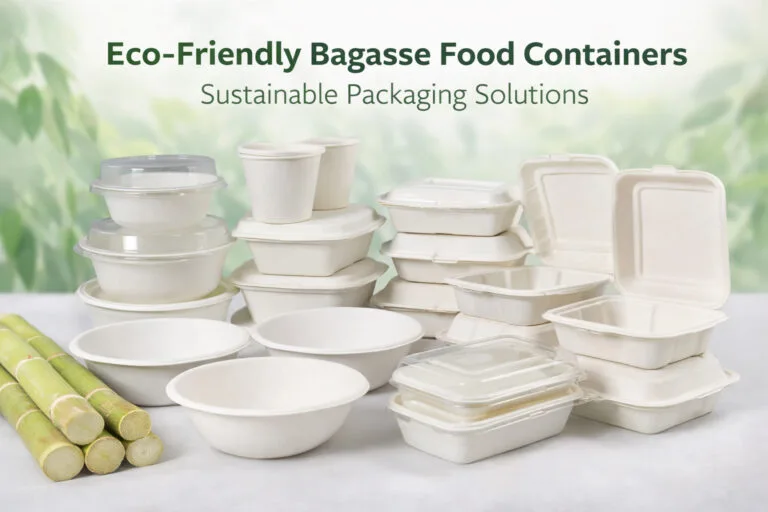
Molded pulp products mostly use natural waste, such as waste paper, plant fiber, etc. These materials are not only easy to obtain, but also green and environmentally friendly. Common raw materials are waste paper (including waste cartons, waste newspapers, etc.) and plant fiber (such as peanut shell powder, sugarcane bagasse, etc.), in preparation for the subsequent molding process, these raw materials must undergo pre-treatment processes such as screening and crushing.
Further Processing
In order to meet specific usage standards, some products may require subsequent processing, including cutting, trimming, dyeing, etc — Bioplastic Tableware. Usually after molding, drying and curing, these processing stages ensure the quality and appearance of the final product.