Biodegradable Vs Compostable Compliance Checklist | Bioleader® Insights
Actionable coverage of biodegradable vs compostable: eco-friendly, biodegradable, compostable materials, performance data, and compliance under EN13432 & ASTM D6400. Includes BPI/TÜV references and Food-Contact Tested guidance for safe deployment. Buyer-focused: manufacturer insights, bulk/wholesale buying playbooks, OEM/ODM customization tips, full size range selection.
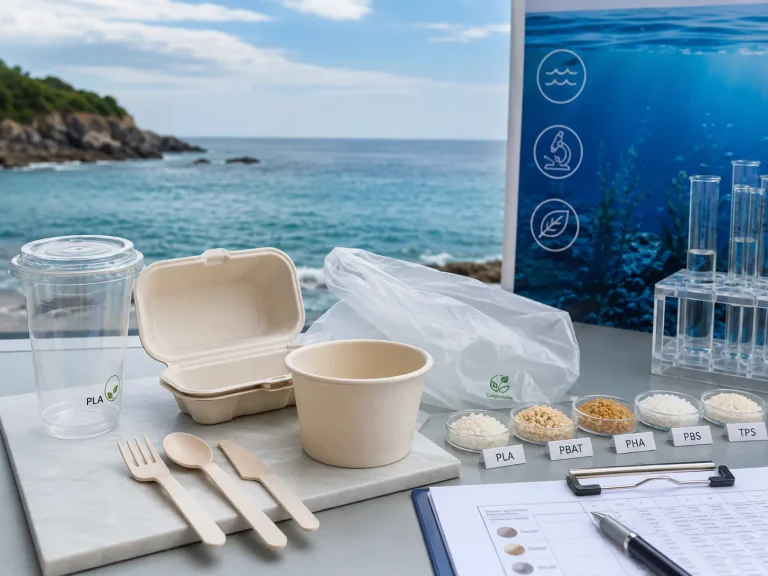
Marine biodegradability is often misunderstood in food packaging. The ocean is not a composting facility. Most biodegradable and compostable food packaging materials are designed to degrade under controlled composting, soil, or specific test conditions, not automatically in seawater.
biodegradable vs compostable — Quick Summary
Items displayed (articles): 12
Last updated: 2026-07-04
Includes test data, compliance guides, buyer FAQs, and real-world use cases.
FAQ of Bioleader's Eco-friendly Disposable Tableware
Environmental Sustainability and Biodegradability Of Paper Products.
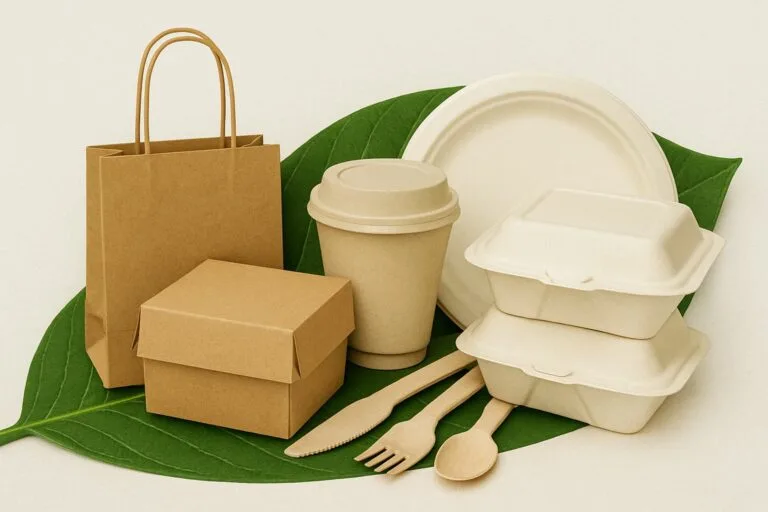
Making operating and design decisions that enhance environmental sustainability involves green practices and does not destroy the business unit’s viability , biodegradable vs compostable. We manufacture durable Kraft paper as well as white cardboard paper for use in our bio-disposable bowls with printed logos. Kraft paper is strong, environmentally friendly, and compostable , biodegradable vs compostable. Natural brown kraft paper is the appropriate choice for environment-friendly consumers.
What sizes are available for these biodegradable bowls?
Our bowls come in multiple sizes, ranging from 500ml to 1500ml (approximately 8oz to 48oz), offering flexibility for different portion needs.
Can these bowls be used in a microwave?
Yes, our eco friendly disposable bowls are microwaveable, which allows users to heat food without the need of an extra bowl.
✅ 1. Certification-Backed Products
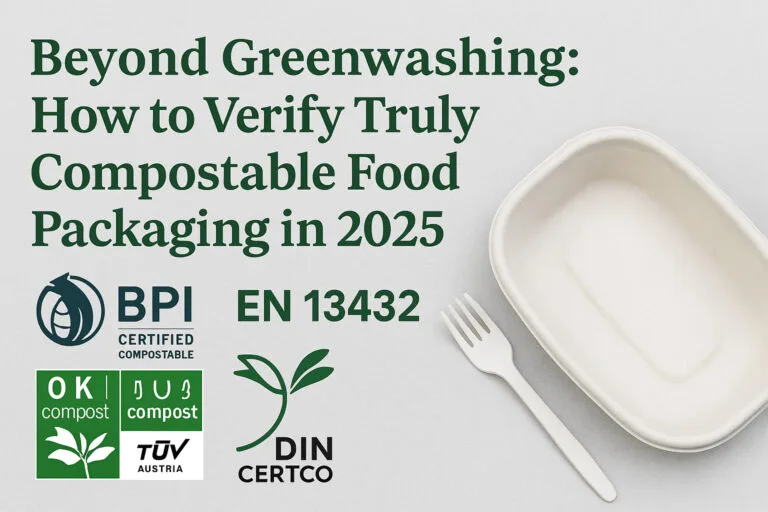
Environmental claims must be backed by verifiable certifications recognized internationally: EN13432 (EU standard for industrial compostability) ASTM D6400 (US compostability standard) OK Compost Home / TUV (home compostability certifications) BPI Certification (North America) Bioleader®’s key products—such as bagasse clamshell boxes and kraft paper salad bowls—comply fully with EN13432 and have passed rigorous third-party food contact safety testing. These certifications are essential proof points for export buyers requiring compliance documentation for their local markets — biodegradable vs compostable.
Types of Composting
Home Composting: Materials decompose in backyard composting bins with limited heat and moisture. Industrial Composting: Facilities provide controlled conditions (high heat, specific moisture levels, and oxygen flow) for faster decomposition.