Biodegradable Utensils 101: What It Is, When To Use, And How To Choose | Bioleader® Insights

Actionable coverage of Biodegradable Utensils: eco-friendly, biodegradable, compostable materials, performance data, and compliance under EN13432 & ASTM D6400. Includes BPI/TÜV references and Food-Contact Tested guidance for safe deployment. Buyer-focused: manufacturer insights, bulk/wholesale buying playbooks, OEM/ODM customization tips, full size range selection.
Biodegradable Utensils — Quick Summary
  • Items displayed (articles): 12
  • Last updated: 2026-03-29
  • Includes test data, compliance guides, buyer FAQs, and real-world use cases.

Editor’s Picks: Top Biodegradable Utensils Guides 2026

FAQ of Bioleader's Eco-friendly Disposable Tableware

Key Benefits of Paper Pulp Molding Technology:

Strength and Durability: The pulp bowls are disposable, but it is incredibly tough and can serve a wide variety of foods without leakage or breakage. Leak-Proof and Water Resistant: The bowls will prove to be beneficial because it is leak-proof, which makes them perfect for wet items such as noodles, soups, and salads. Heat Resistant and Microwaveable: For people who enjoy using the package for their meals, these biodegradable disposable bowls are perfect as they can stand hot food items and are safe to use in microwaves. Key Features and Benefits of Paper Pulp Disposable Biodegradable Bowls

Leak-Proof and Oil Resistant

Designed with practicality in mind, our sugarcane containers are water- and oil-resistant, ensuring no leaks during transport. Whether serving soups, sauces, or greasy foods, these takeaway containers with lids deliver a mess-free experience. This reliable barrier against spills keeps food intact, offering convenience for both businesses and customers.

Food Delivery

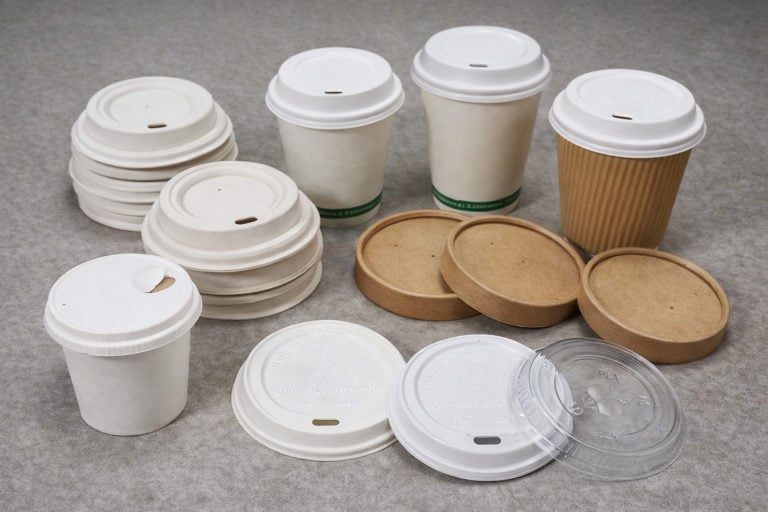
The matching lid helps protect food during short-distance transport. It is a dependable option for restaurants and cloud kitchens that need cleaner presentation and better takeaway functionality.

Cornstarch Cutlery

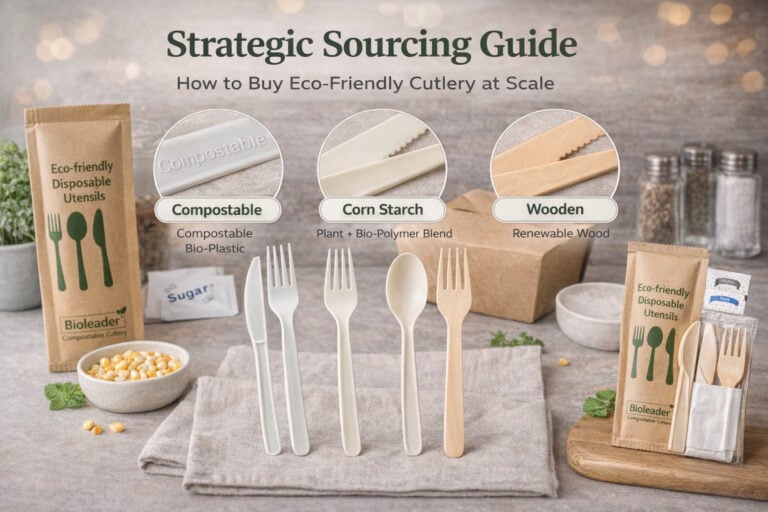
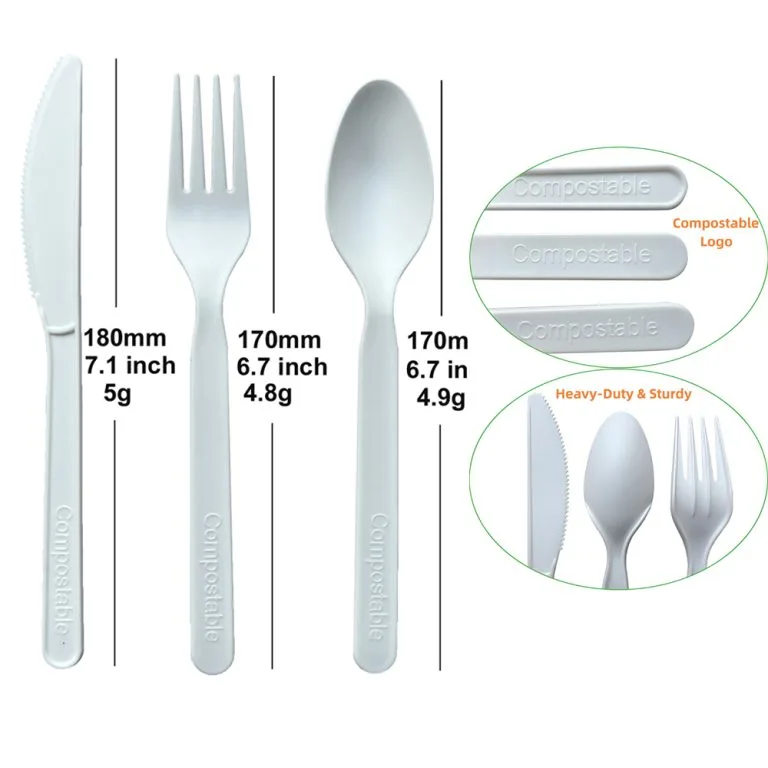
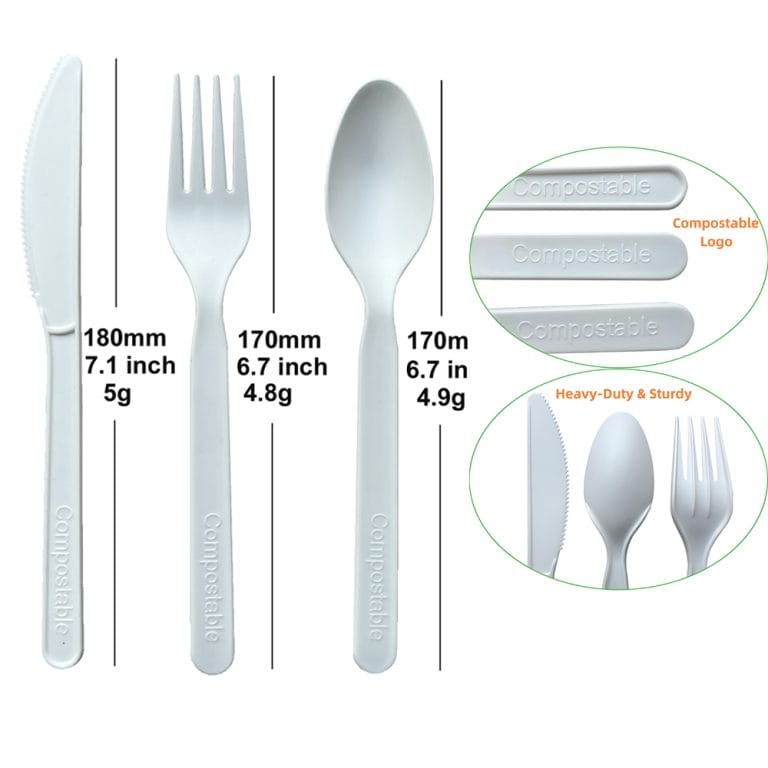
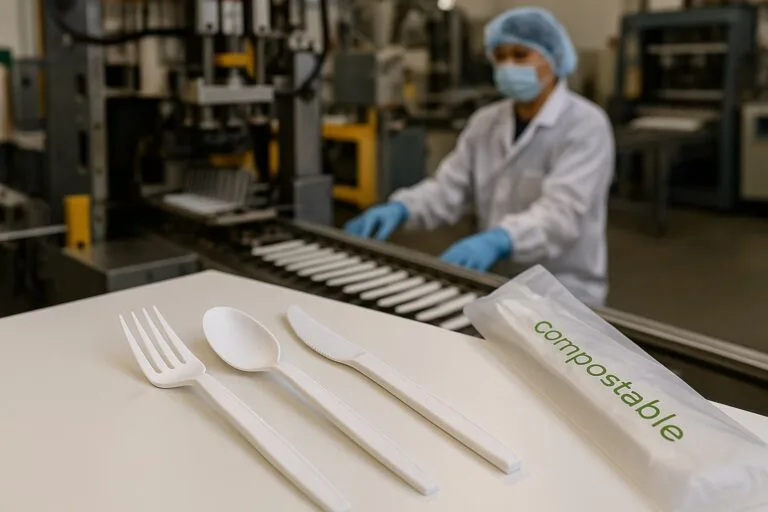
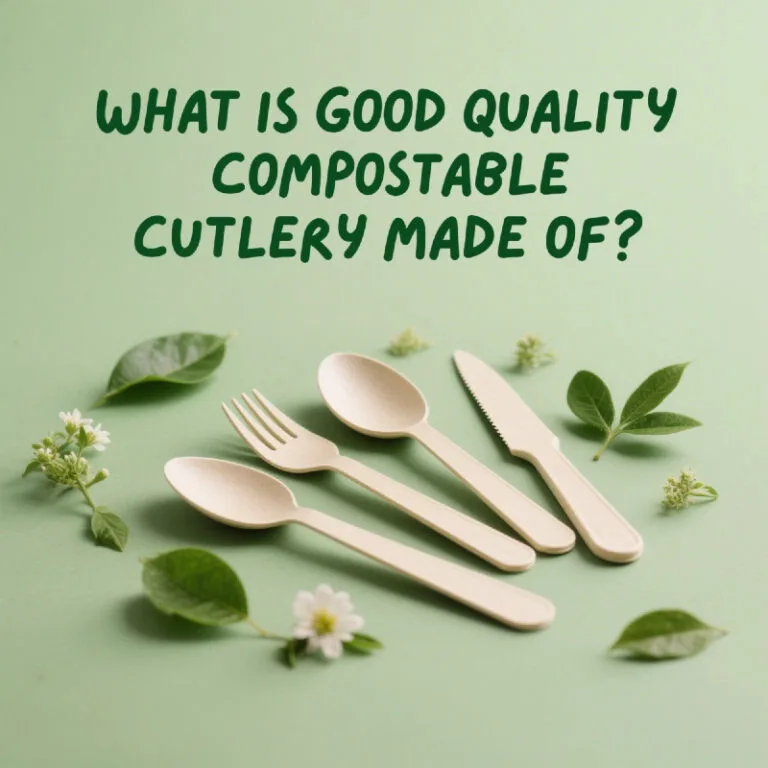
Cornstarch utensils are made from modified starch polymer blends, typically combining natural starch with biodegradable polyesters like PBS or PLA. They are renewable, non-toxic, and BPA-free, using plant-based feedstock such as corn or cassava. The production energy demand is about 40% lower than PP, and the lifecycle carbon footprint averages 1.4–1.6 kg CO₂e per kg, which translates to roughly 35% less than plastic. Cornstarch utensils break down in 90–180 days under industrial composting conditions, returning nutrients to the soil instead of fossil carbon to the air — Biodegradable Utensils.

CPLA Cutlery

CPLA, or crystallized polylactic acid, is derived from fermented corn sugar but treated to improve its thermal stability. Compared with standard PLA, it offers heat resistance up to 85–90°C, making it suitable for both cold and hot meals — Biodegradable Utensils. Its manufacturing process consumes significantly less fossil energy and generates only 1.3–1.5 kg CO₂e per kg of material — up to 50% lower than PP , Biodegradable Utensils. CPLA cutlery is fully certified compostable under EN13432 and ASTM D6400, and decomposes within 90–120 days in industrial composting facilities.

Related Insights

🚀Ready to Go Green and Choose ?

Join the global movement toward zero-waste packaging.


Bioleader® offers:

  • 📦 Bulk order support & fast delivery

  • ✍️ Custom branding and OEM solutions

  • 🌍 Worldwide eco-packaging compliance

Get the Catalogue Products List  & Contact Us Now! 👉

Contact us Below

Click or drag files to this area to upload.You can upload up to 5 files.
The more details you share, the faster and more accurate our quotation will be.