Guide To Biodegradable Plastics: Materials, Standards & Best Practices | Bioleader® Insights

Actionable coverage of Biodegradable Plastics: eco-friendly, biodegradable, compostable materials, performance data, and compliance under EN13432 & ASTM D6400. Includes BPI/TÜV references and Food-Contact Tested guidance for safe deployment. Buyer-focused: manufacturer insights, bulk/wholesale buying playbooks, OEM/ODM customization tips, full size range selection.
Biodegradable Plastics — Quick Summary
  • Items displayed (articles): 12
  • Last updated: 2025-12-02
  • Includes test data, compliance guides, buyer FAQs, and real-world use cases.

Editor’s Picks: Top Biodegradable Plastics Guides 2026

FAQ of Bioleader's Eco-friendly Disposable Tableware

Meal Prep and Ready Meals

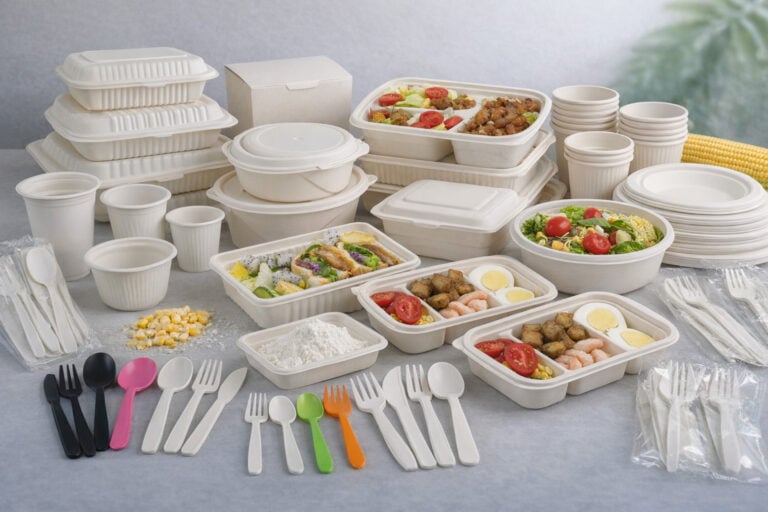
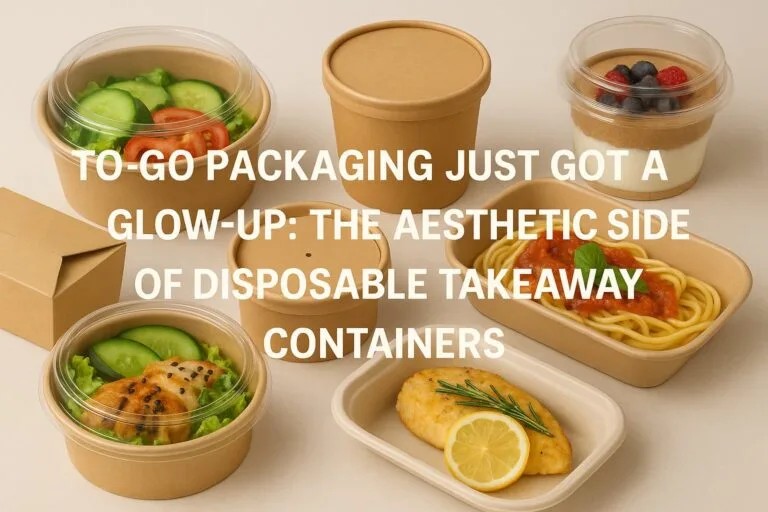
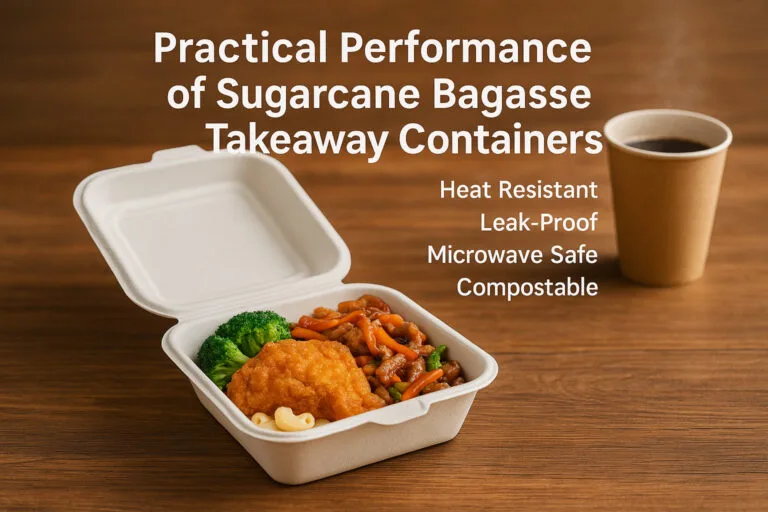
Prepared meal brands and supermarket food counters can use this tray for organized, stackable, and easy-to-handle packaging. The square format also supports cleaner shelf presentation.

Why Use Paper Pulp?

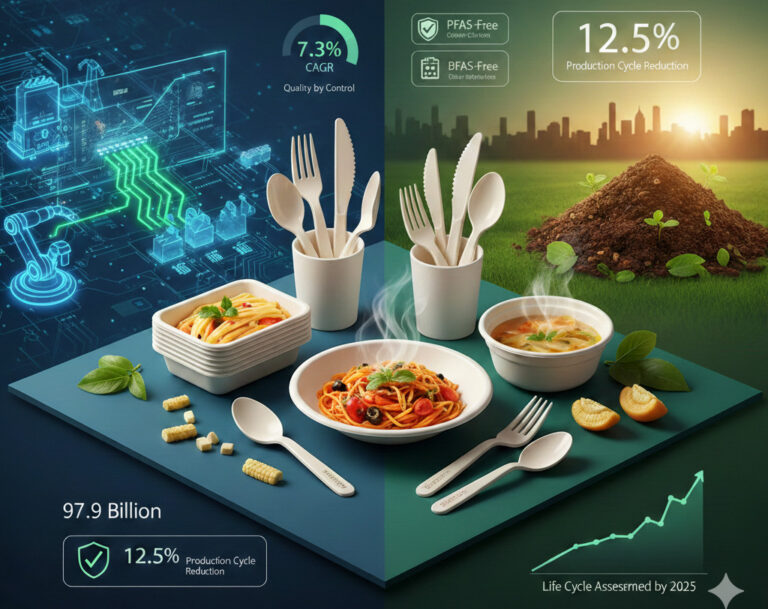
Environmentally Friendly: Paper Pulp can easily cause no harm to the environment since it’s sourced from sustainable sources and has natural degrading properties , Biodegradable Plastics. Completely Biodegradable: Unlike traditional plastic or styrofoam, the biodegradable disposable bowls will naturally decay, thereby limiting the amount of waste that would’ve filled landfills. Safe for Food and Non-Toxic: These bowls cut out dangerous substances such as BPA and PFAS, which makes sure whatever food is being served in the bowl is free from contamination and is safe for consumption. The Production Process: Paper Pulp Moulding Technology Our biodegradable and organic bowls are made through a modern, eco-friendly method called paper pulp molding.

Catering Service

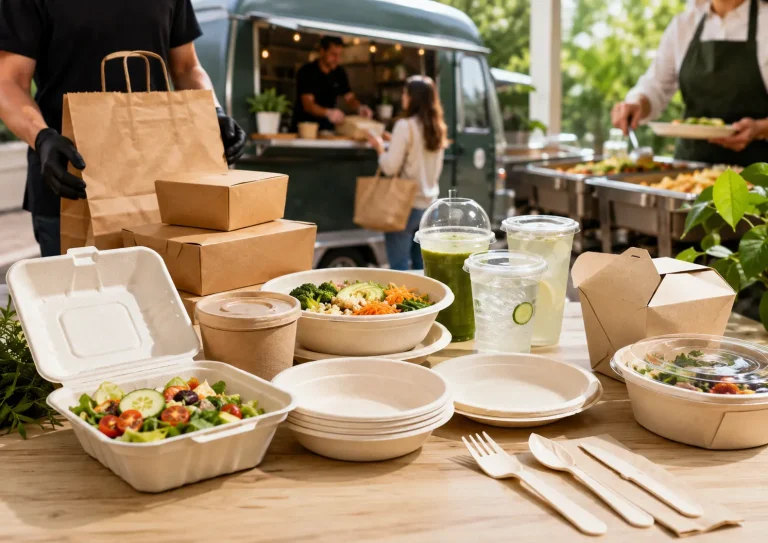
This container works well for event meals, boxed lunches, and group catering programs , Biodegradable Plastics. It offers a more professional and sustainable image than foam alternatives.

What Exactly Is PLA?

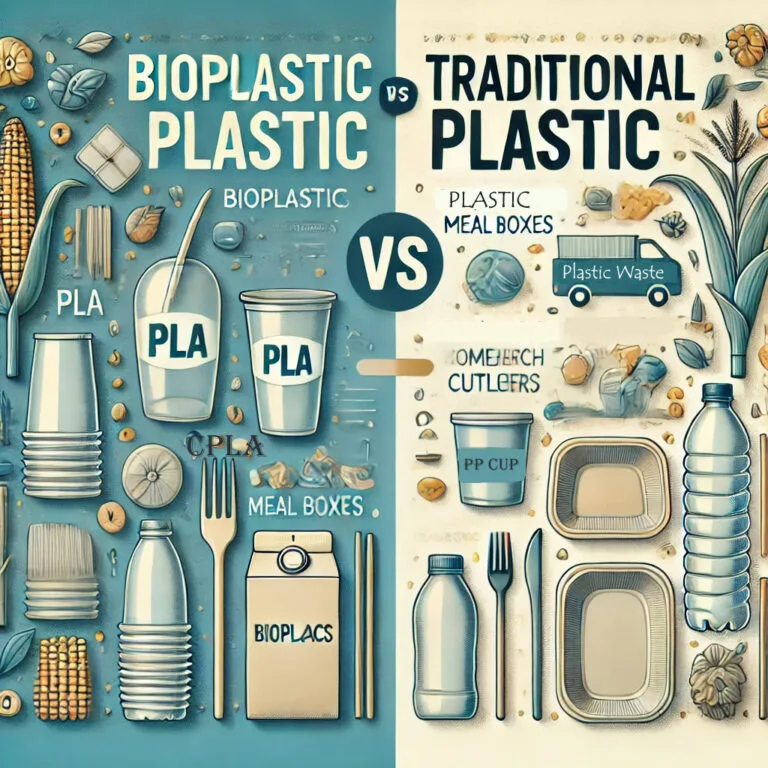
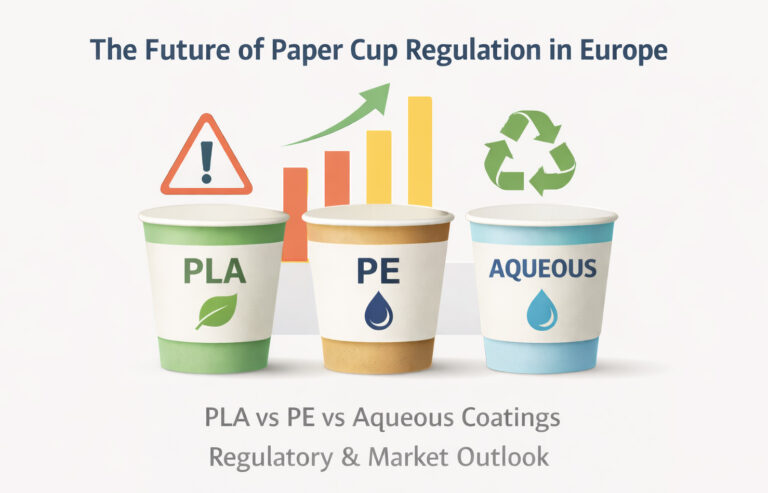
PLA Material Polylactic acid PLA (polylactic acid or polylactide) is a thermoplastic polyester. Chemically, it is a polymer built from repeating units of lactic acid, an organic acid that can be produced by fermenting sugars. Depending on how the polymer chains are arranged (stereochemistry and crystallinity), PLA can behave as a clear, glassy plastic or as a more crystalline, semi-opaque material suitable for higher-performance applications , Biodegradable Plastics. In industry you will see several related terms: PLA / polylactic acid – generic name for the polymer family.

Raw Material Sources

Traditional Plastics: Petrochemical feedstocks derived from crude oil or natural gas. Bioplastics: Renewable biological sources such as corn, sugar beet, sugarcane, or even cellulose from wood pulp. The shift from fossil fuels to renewable resources can theoretically reduce the carbon intensity of plastic production. However, some critics argue that using agricultural land for bioplastic feedstocks could compete with food production, potentially driving up food prices or leading to deforestation.

Related Insights

🚀Ready to Go Green and Choose ?

Join the global movement toward zero-waste packaging.


Bioleader® offers:

  • 📦 Bulk order support & fast delivery

  • ✍️ Custom branding and OEM solutions

  • 🌍 Worldwide eco-packaging compliance

Get the Catalogue Products List  & Contact Us Now! 👉

Contact us Below

Click or drag files to this area to upload.You can upload up to 5 files.
The more details you share, the faster and more accurate our quotation will be.