FAQ of Bioleader's Eco-friendly Disposable Tableware
Can these containers hold liquids?
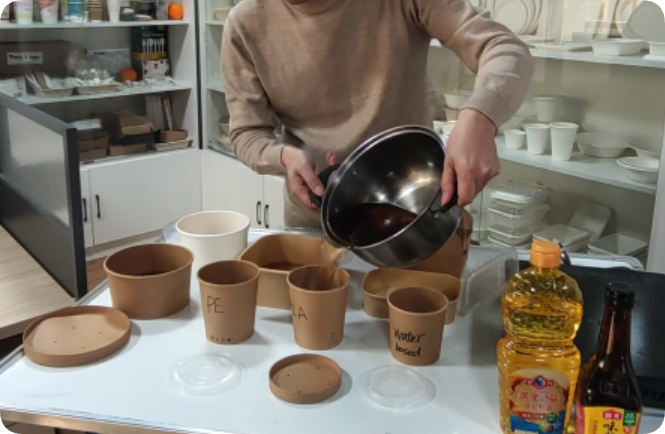
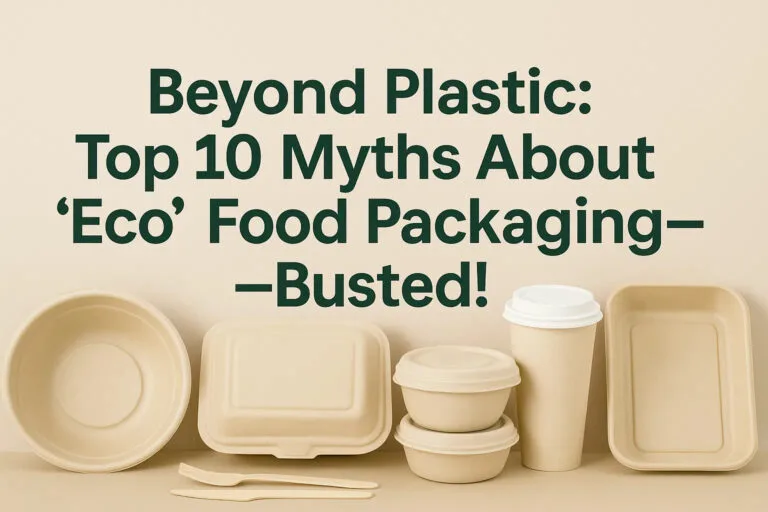
Yes, our paper food containers are leakproof and hold solid and liquid foods including thick soups sauces, and creamy dishes too.
What sizes are available?
In respect of quantity, we are not limited as we have containers of 500ml, 750ml, 1000ml units to 1090ml, 1200ml, 1300ml, 1500ml, etc, so there is always a need , biodegradable forks spoons knives.
Do these bowls leak?
Yes, the ultra-secure lids on our eco friendly disposable bowls with lids make sure no amount of liquid comes out while in the traveling process , biodegradable forks spoons knives.
2.3 Cornstarch Cutlery: The U.S. Value Segment (with Caveats)
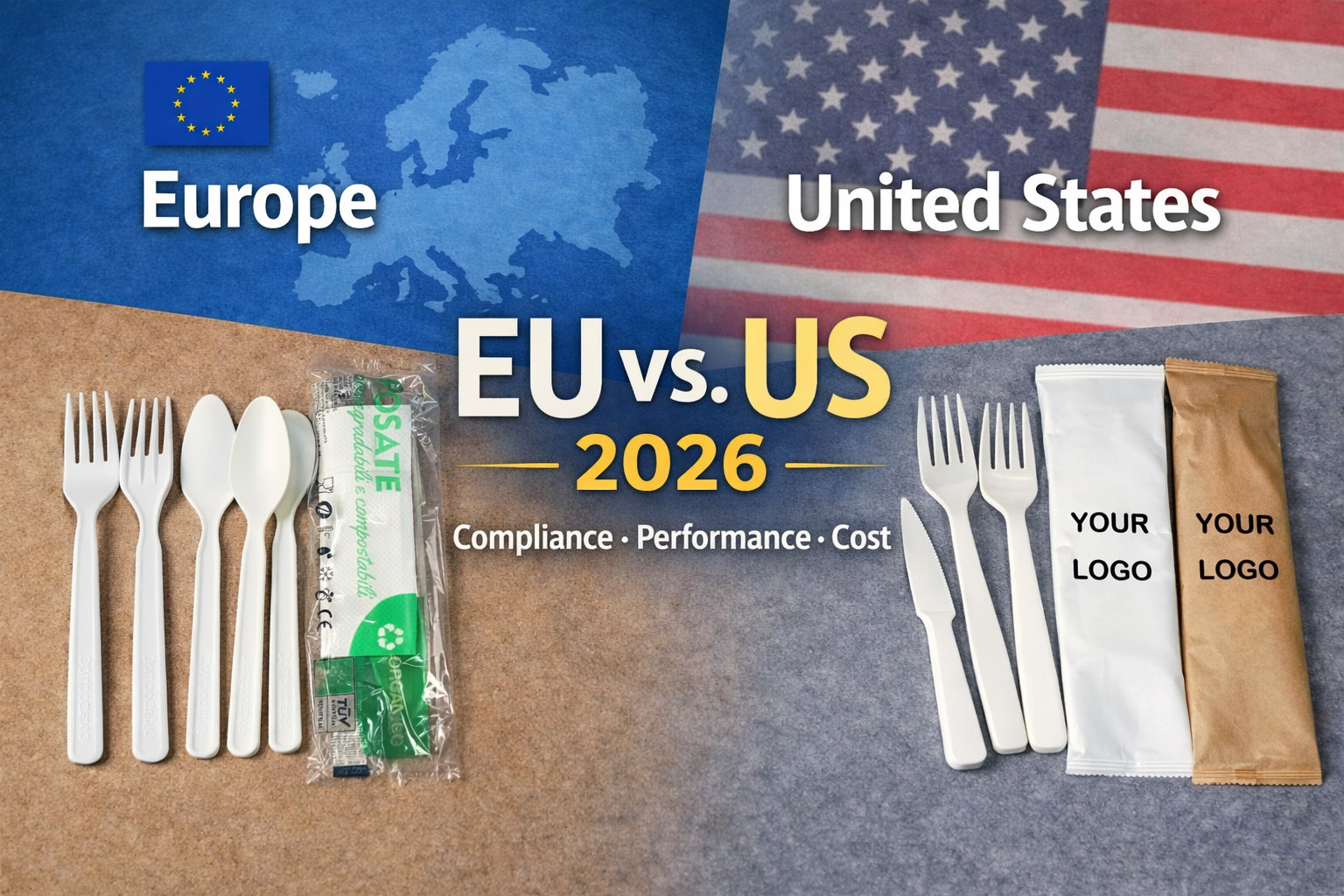
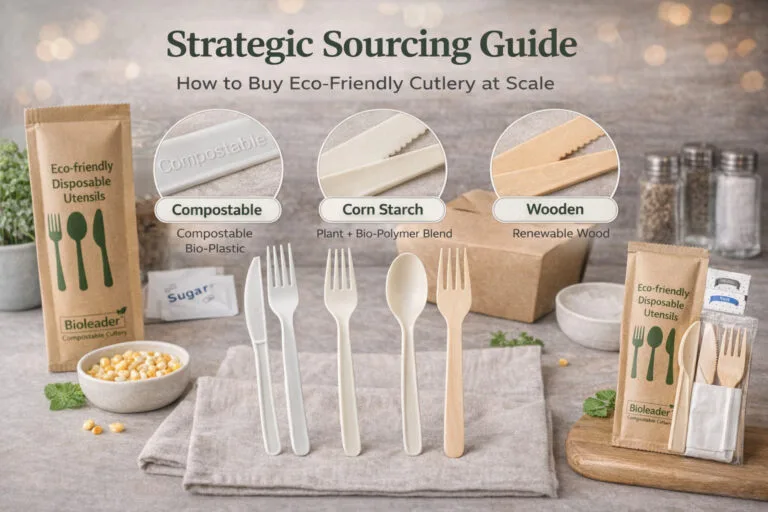
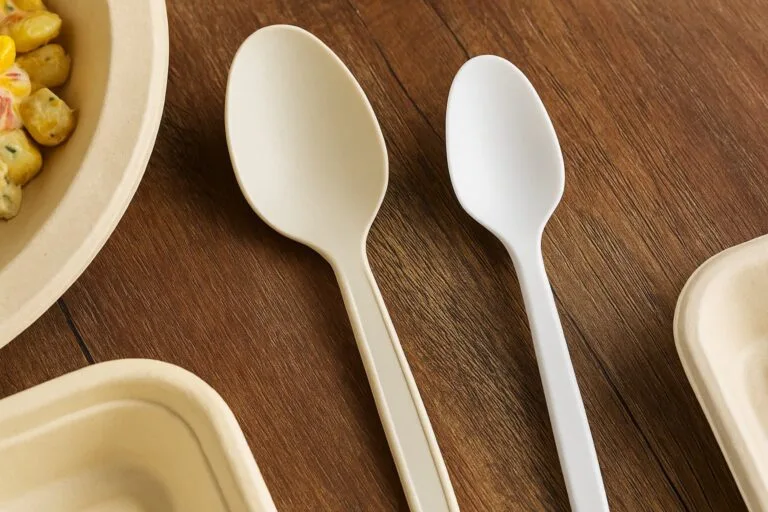
Cornstarch-based cutlery (often composite biopolymer blends) exists in both markets, but it tends to be more common in the U.S. value segment because it can be competitive on price and still be “plant-based” in the marketing story. However, cornstarch cutlery is not a single material. Buyers should evaluate: heat tolerance brittleness odor compliance claims In Europe, buyers may be cautious if a product feels “plastic-like” and cannot clearly match a recognized compostability pathway in the buyer’s country or waste system.
2.4 Why “PP Plastic Cutlery” Is a Different Conversation in Each Market
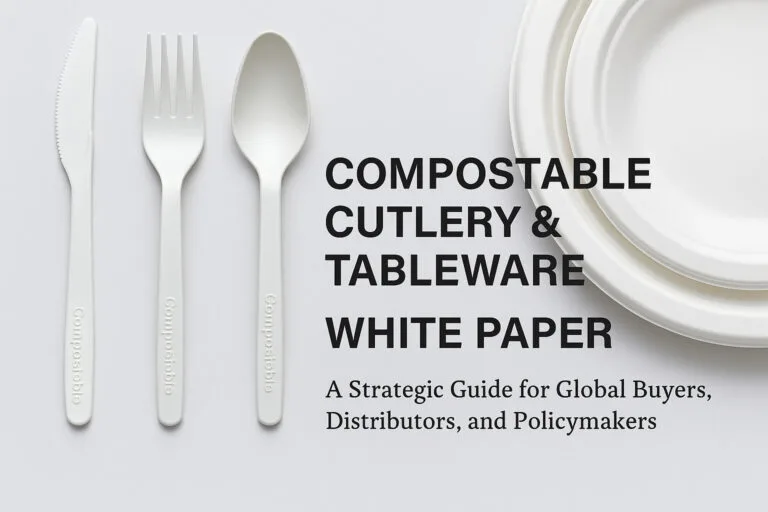
In many regions, polypropylene (PP) cutlery remains common due to price and performance. But for exporters selling “eco” programs, PP is often not the main focus. EU: regulatory and branding pressure makes PP undesirable for many channels.U.S.: still used widely, but buyers aiming at sustainability programs often want alternatives (CPLA, wood) for brand differentiation or compliance with local rules and customer expectations — biodegradable forks spoons knives. 3) Design Differences: Size, Stiffness, and Usage Scenarios This is where most exporters underestimate the market.