Guide To Biodegradable Cutlery: Materials, Standards & Best Practices | Bioleader® Guides

Actionable coverage of biodegradable cutlery: eco-friendly, biodegradable, compostable materials, performance data, and compliance under EN13432 & ASTM D6400. Includes BPI/TÜV references and Food-Contact Tested guidance for safe deployment. Buyer-focused: manufacturer insights, bulk/wholesale buying playbooks, OEM/ODM customization tips, full size range selection.
biodegradable cutlery — Quick Summary
  • Items displayed (articles): 12
  • Last updated: 2025-11-19
  • Includes test data, compliance guides, buyer FAQs, and real-world use cases.

Editor’s Picks: Top Biodegradable Cutlery Guides 2026

FAQ of Bioleader's Eco-friendly Disposable Tableware

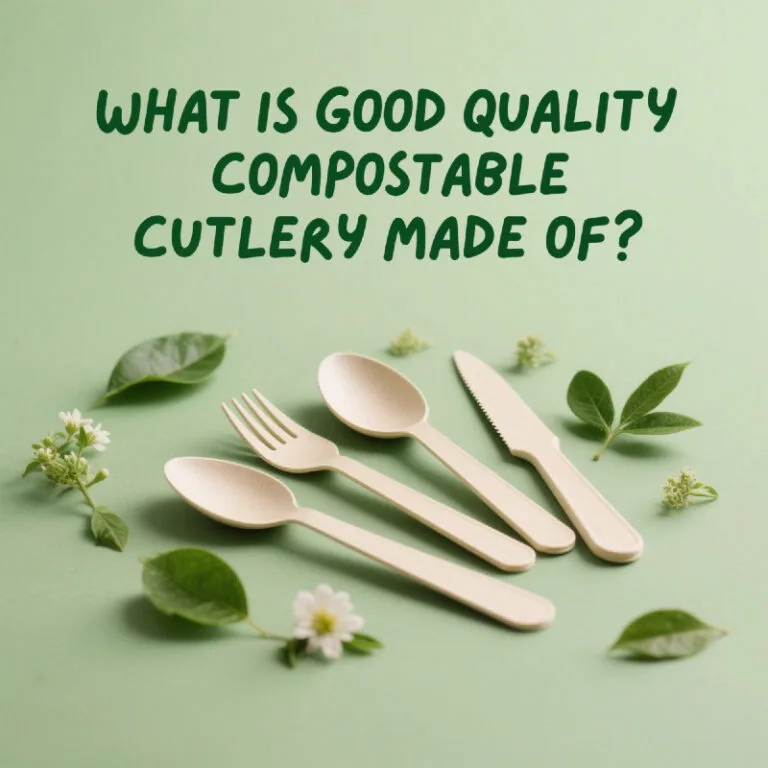
What are Earth Friendly Utensils Disposable Cutlery made from?

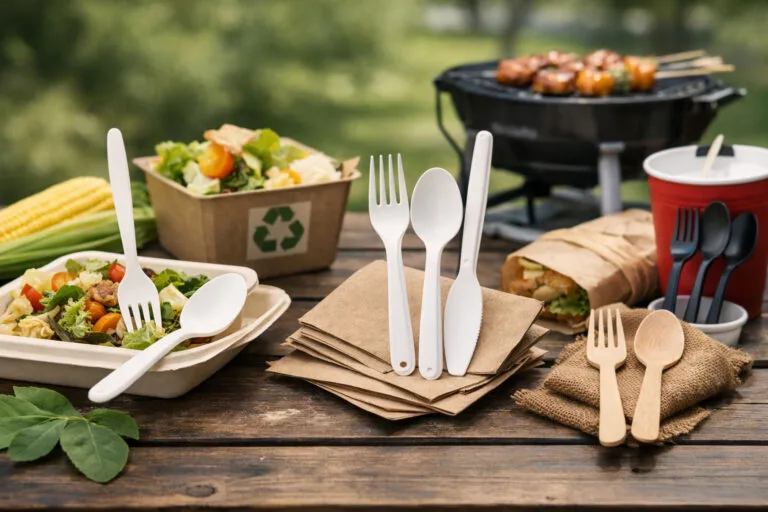
Earth Friendly Utensils Disposable Cutlery is made from renewable plant-based materials like cornstarch or PLA, making them biodegradable and compostable , biodegradable cutlery.

How long does it take for a cornstarch spork to decompose?

A cornstarch-based compostable spork will generally decompose within 90–180 days in commercial composting conditions, depending on local temperature and humidity.

Is bio plastic cutlery safe for hot foods?

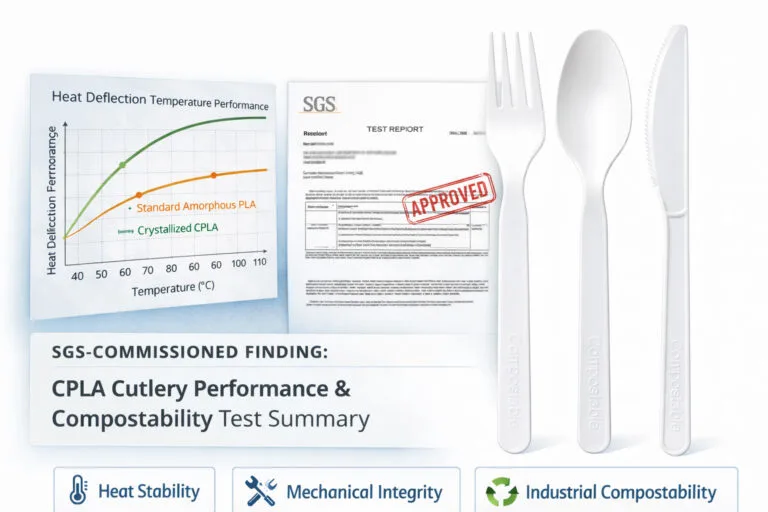
Yes, bio plastic cutlery is designed to be heat-resistant and durable, making it suitable for use with both hot and cold foods in various dining environments.

Regional Market Highlights

Europe (EU): Europe currently leads the world in biodegradable cutlery usage, accounting for about 36% of global market share in 2022 , biodegradable cutlery. This leadership is policy-driven – the EU’s Single-Use Plastics Directive (adopted in 2019) banned many throwaway plastic items, including cutlery, effective July 2021. In practice, EU member states now require that disposable forks, knives, and spoons be made from non-plastic materials or certified compostable bioplastic. Countries like France and Germany have gone further with stringent standards: France prohibits nearly all single-use plastic tableware (even PLA) in favor of natural fiber or reusable options, while Germany mandates certifications such as EN 13432 or TÜV AUSTRIA’s “OK Compost” label for any compostable product , biodegradable cutlery.

Q3: How do I ensure my bagasse cutlery is PFAS-free?

Source from suppliers with tested, certified PFAS-free processes. The EU and North America are tightening regulations on “forever chemicals” in food packaging.

Related Insights

🚀Ready to Go Green and Choose ?

Join the global movement toward zero-waste packaging.


Bioleader® offers:

  • 📦 Bulk order support & fast delivery

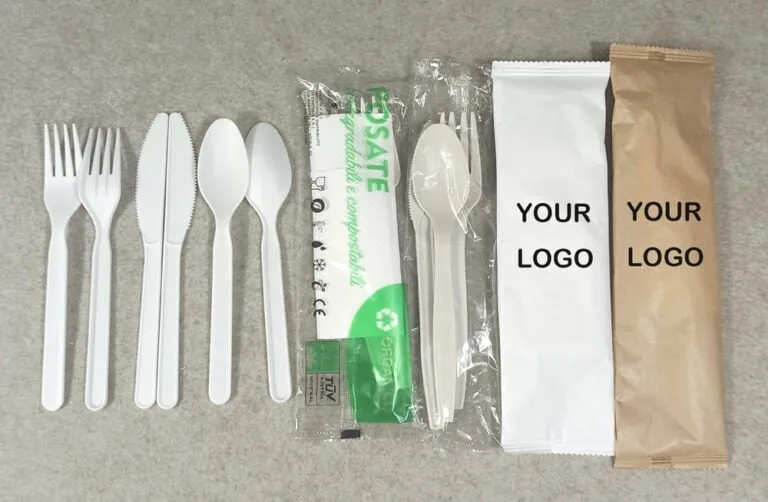
  • ✍️ Custom branding and OEM solutions

  • 🌍 Worldwide eco-packaging compliance

Get the Catalogue Products List  & Contact Us Now! 👉

Contact us Below

Click or drag files to this area to upload.You can upload up to 5 files.
The more details you share, the faster and more accurate our quotation will be.