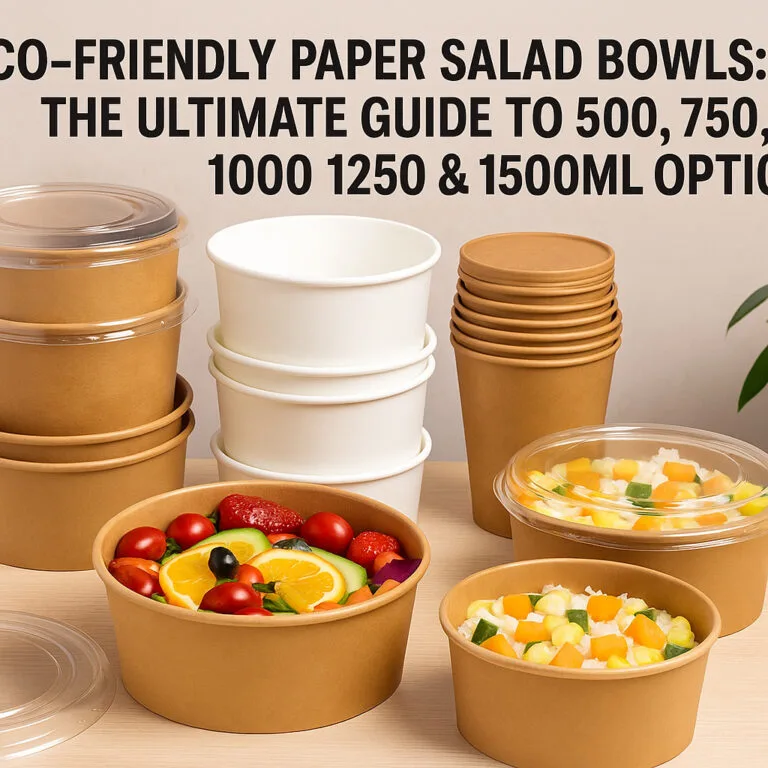
Actionable coverage of bamboo ecological impact: eco-friendly, biodegradable, compostable materials, performance data, and compliance under EN13432 & ASTM D6400. Includes BPI/TÜV references and Food-Contact Tested guidance for safe deployment. Buyer-focused: manufacturer insights, bulk/wholesale buying playbooks, OEM/ODM customization tips, full size range selection.
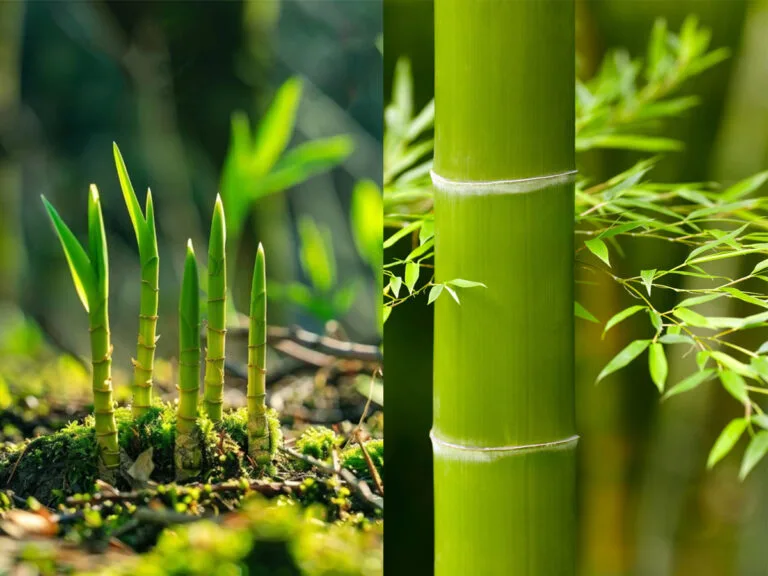
Bamboo has long captivated human imagination with its rapid growth and versatility. Known as one of the fastest-growing plants on Earth, certain bamboo species can surge upwards at astonishing rates, making it a subject of fascination for botanists and environmentalists alike. This remarkable growth underscores bamboo’s ecological significance and highlights its potential in sustainable development and various industries.
bamboo ecological impact — Quick Summary
Items displayed (articles): 12
Last updated: 2025-02-22
Includes test data, compliance guides, buyer FAQs, and real-world use cases.
FAQ of Bioleader's Eco-friendly Disposable Tableware
Are these biodegradable bowls completely eco-friendly and compostable?
Yes, our biodegradable bowls with lids are made from 100% eco-friendly materials like kraft paper and white cardboard, making them fully biodegradable after use.
Environmental Sustainability and Biodegradability Of Paper Products.
Making operating and design decisions that enhance environmental sustainability involves green practices and does not destroy the business unit’s viability. We manufacture durable Kraft paper as well as white cardboard paper for use in our bio-disposable bowls with printed logos. Kraft paper is strong, environmentally friendly, and compostable , bamboo ecological impact. Natural brown kraft paper is the appropriate choice for environment-friendly consumers , bamboo ecological impact.
Can these containers hold liquids?
Yes, our paper food containers are leakproof and hold solid and liquid foods including thick soups sauces, and creamy dishes too.
What are the ecological benefits of bamboo cultivation?
Bamboo cultivation offers significant ecological benefits, including carbon sequestration, soil conservation, and habitat creation for various species. Bamboo forests can absorb large amounts of CO₂, aiding in climate change mitigation.
What are some industrial applications of bamboo?
Bamboo is used in various industries, including construction (due to its tensile strength), textiles (for soft, breathable fabrics), paper production (as a sustainable raw material), and household items (such as furniture and kitchenware) — bamboo ecological impact.