ASTM Compostability Vs Alternatives: Cost, Performance, Sustainability | Bioleader® Guides

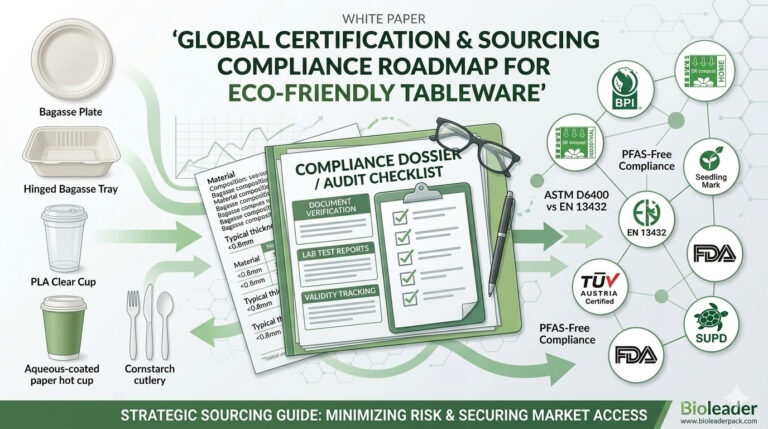
Actionable coverage of ASTM compostability: eco-friendly, biodegradable, compostable materials, performance data, and compliance under EN13432 & ASTM D6400. Includes BPI/TÜV references and Food-Contact Tested guidance for safe deployment. Buyer-focused: manufacturer insights, bulk/wholesale buying playbooks, OEM/ODM customization tips, full size range selection.
ASTM compostability — Quick Summary
  • Items displayed (articles): 12
  • Last updated: 2025-09-18
  • Includes test data, compliance guides, buyer FAQs, and real-world use cases.

Editor’s Picks: Top Astm Compostability Guides 2026

FAQ of Bioleader's Eco-friendly Disposable Tableware

Eco Friendly, Compostable, and Biodegradable

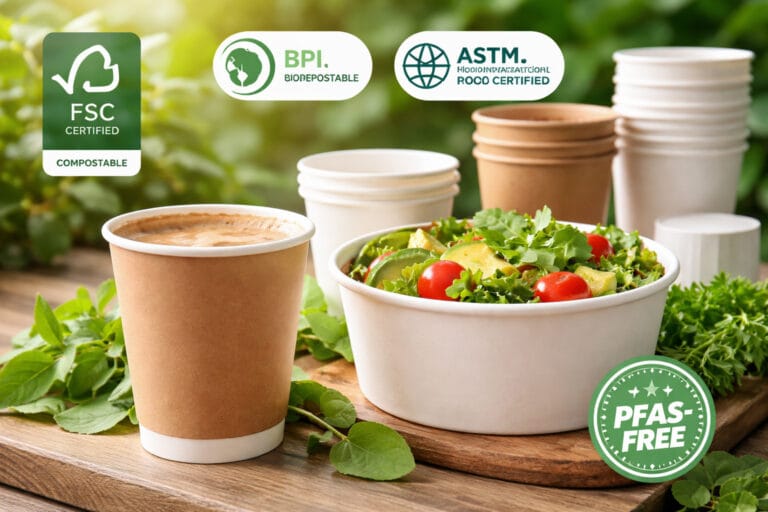
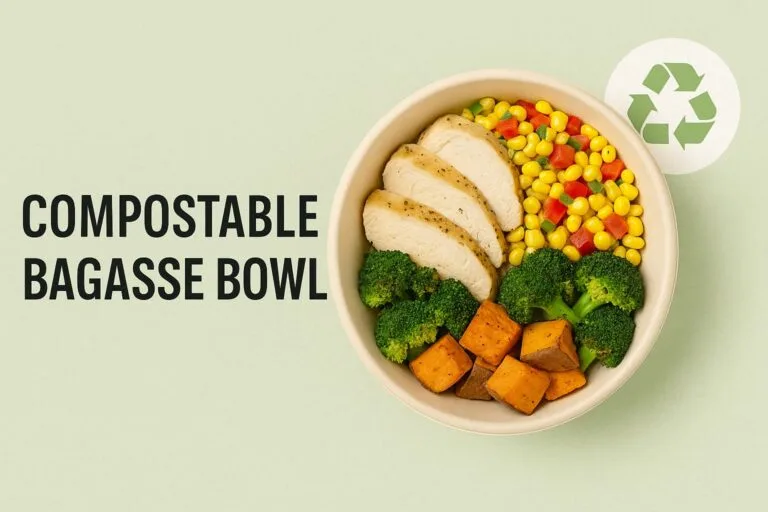
Our bagasse food trays are 100% compostable trays and biodegradable trays — ASTM compostability. They decompose naturally within a few months, reducing the burden on landfills and supporting circular waste management practices. Customers increasingly value this attribute, aligning their purchasing decisions with eco-friendly initiatives.

For Takeaway, Restaurants, and Food Delivery

Molded pulp trays are perfect for takeaway, restaurant packaging, and food delivery. Their eco-friendly properties enhance brand reputation, while their practical features ensure reliable food containment. Whether for individual meals or bulk catering, bagasse pulp trays are designed to perform without compromising on sustainability. Meeting Consumer Demand for Green Packaging As a Chinese factory and manufacturer, we offer high-quality molded pulp trays at competitive wholesale prices.

Institutional Foodservice

Schools, offices, hospitals, and canteens can use this bagasse tray for everyday meal distribution. It combines convenience, disposable efficiency, and better environmental positioning.

Where labs diverge from reality

Thermal profile: Real windrows cycle through mesophilic and thermophilic phases. Temperature can dip to the mid-30s °C during turning or extreme weather and rise to the mid-60s °C at peak microbial activity , ASTM compostability. Materials sensitive to temperature thresholds may stall in cool troughs. Moisture dynamics: Precipitation, evaporation, and feedstock mix shift moisture between ~35% and ~60%.

Table 1: Lab vs. Field Composting Performance (illustrative ranges)

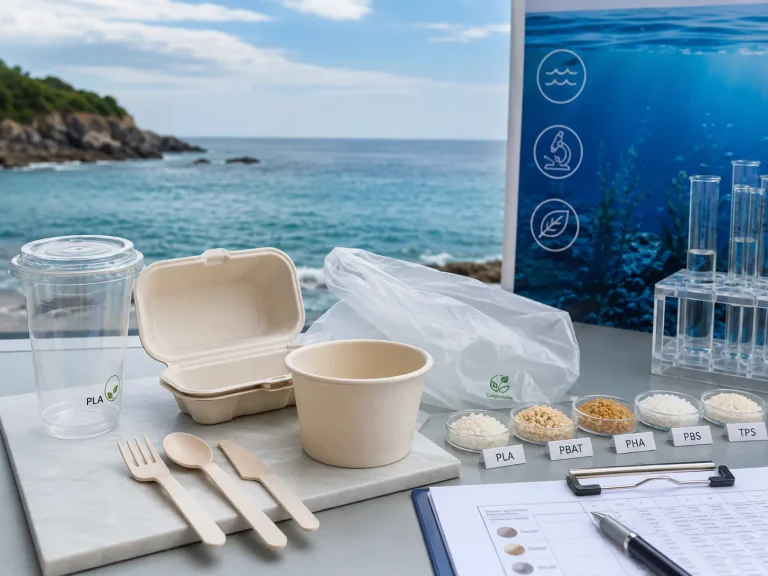
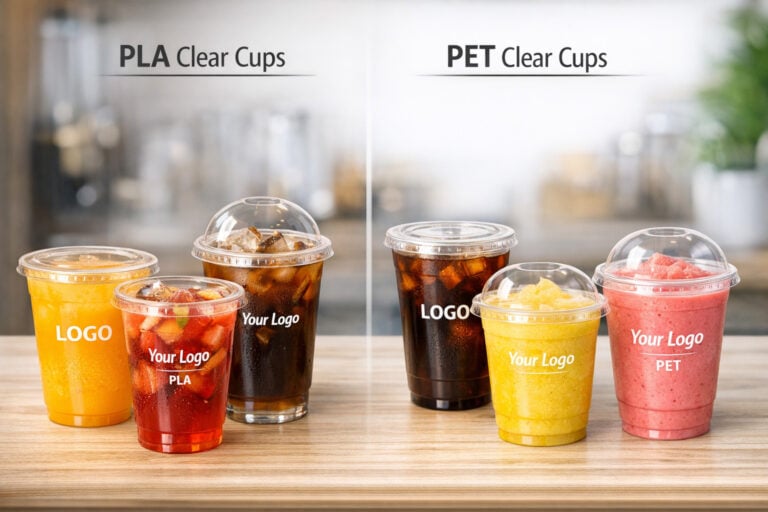
Material / Format Lab (ASTM D6400/D6868) – Disintegration Window Field (Industrial) – Observed Window Operational Notes Bagasse clamshells & bowls ~90 days 90–120 days Reliable if not heavily coated; fragments screen cleanly PLA cold cups ~90 days 120–150 days Performs better in consistently thermophilic piles; nesting slows wetting Cornstarch cutlery ~90 days 120–160 days High stiffness slows disintegration; works if shred/chip pre-processing exists Kraft bowls with thin compostable lining ~90 days 120+ days (variable) Outcome depends on lining chemistry and thickness; edges and laminate seams are slow points Actionable takeaway: When evaluating SKUs, consider wall thickness, nesting behavior, and coating composition alongside the base material , ASTM compostability. The difference between passing and failing in the field can be as simple as adjusting a lining thickness or vent pattern. Buyer’s Dual-Layer Compliance Model Leading procurement teams now adopt a layered approach that treats lab validation and field validation as complementary risk controls.

Related Insights

🚀Ready to Go Green and Choose ?

Join the global movement toward zero-waste packaging.


Bioleader® offers:

  • 📦 Bulk order support & fast delivery

  • ✍️ Custom branding and OEM solutions

  • 🌍 Worldwide eco-packaging compliance

Get the Catalogue Products List  & Contact Us Now! 👉

Contact us Below

Click or drag files to this area to upload.You can upload up to 5 files.
The more details you share, the faster and more accurate our quotation will be.