Highlights from featured articles under this tag:


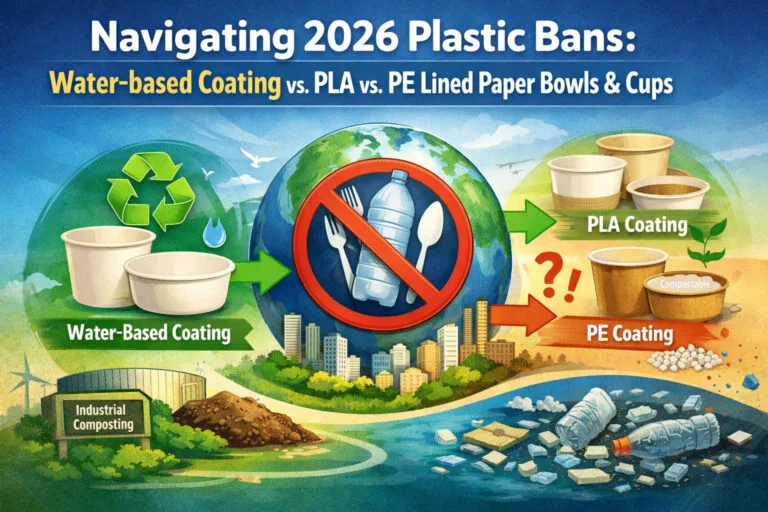
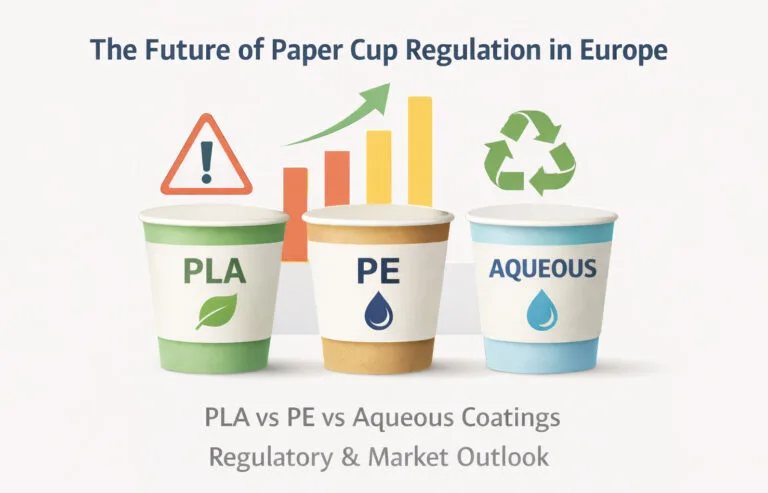
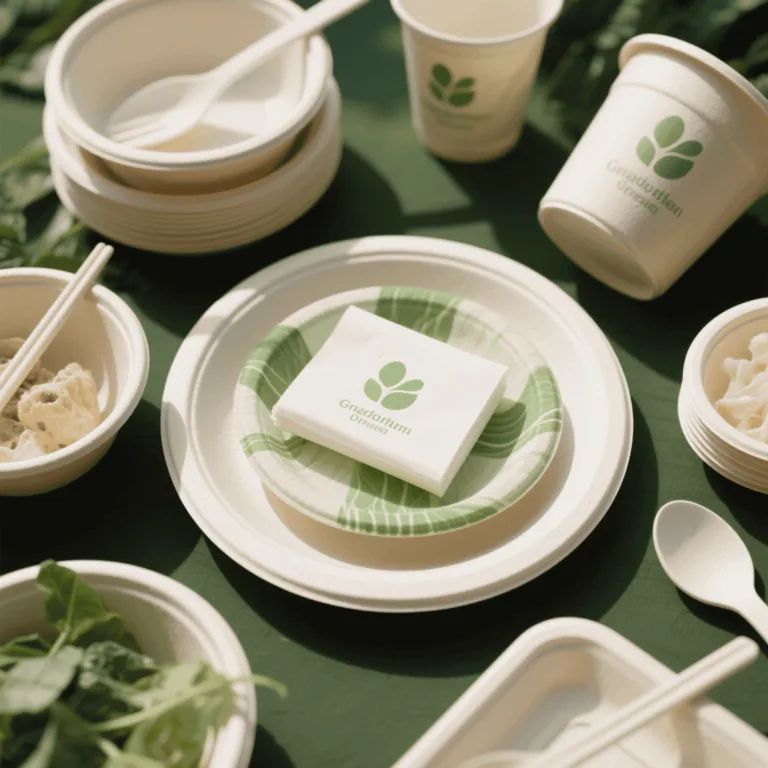
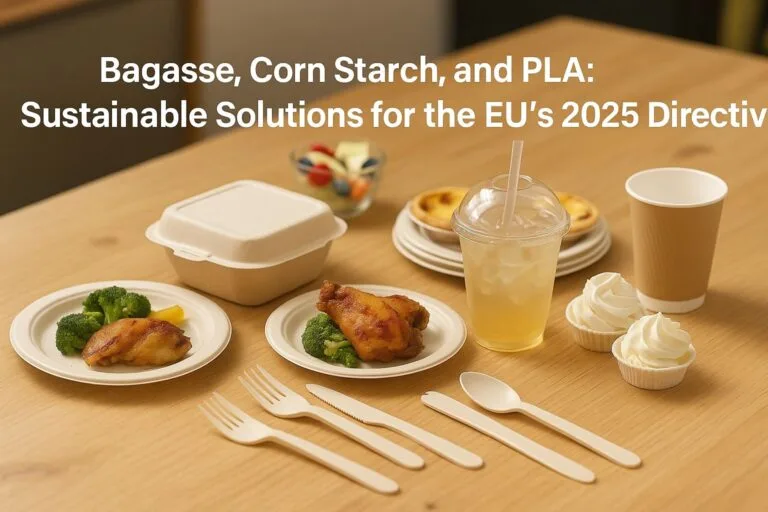
There is no single best material for every application. Sugarcane bagasse is strong for hot food and takeaway meals, PLA is suitable for cold drink cups, CPLA works for selected hot-use items such as cutlery and lids, cornstarch-based compounds can be practical for high-volume use, and water-based coated paper is useful where buyers want reduced plastic-film lining and improved repulpability potential.
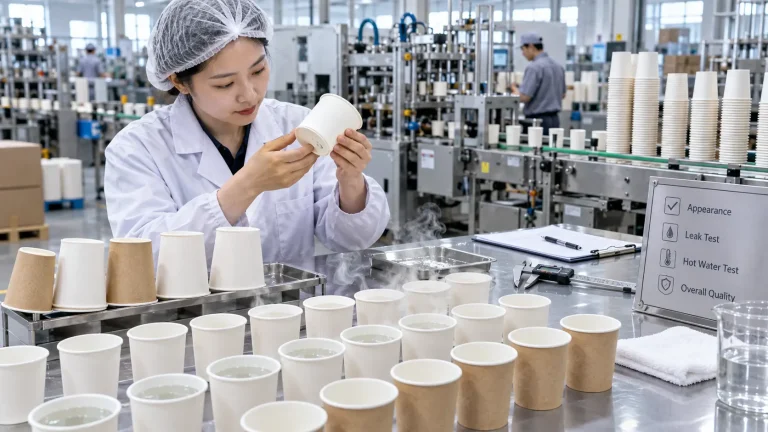
Bottom leakage can result from incorrect bottom-disc positioning, unstable forming parameters, inadequate sealing, contamination, material variation or damage during conversion. Because a defect may not always be obvious visually, representative finished-cup leakage tests should be included in factory quality control.
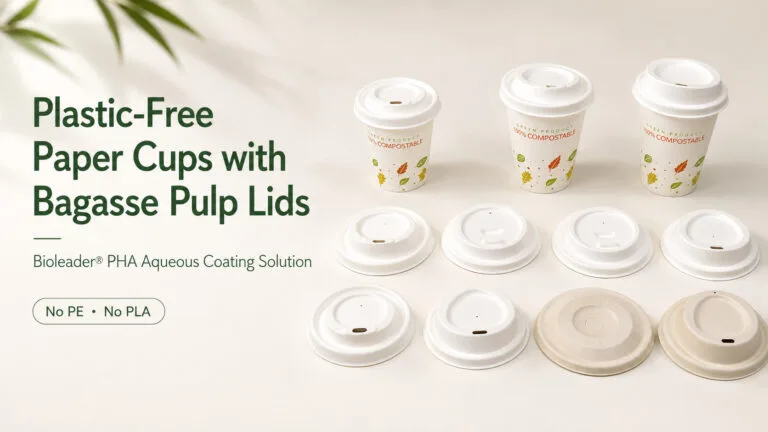
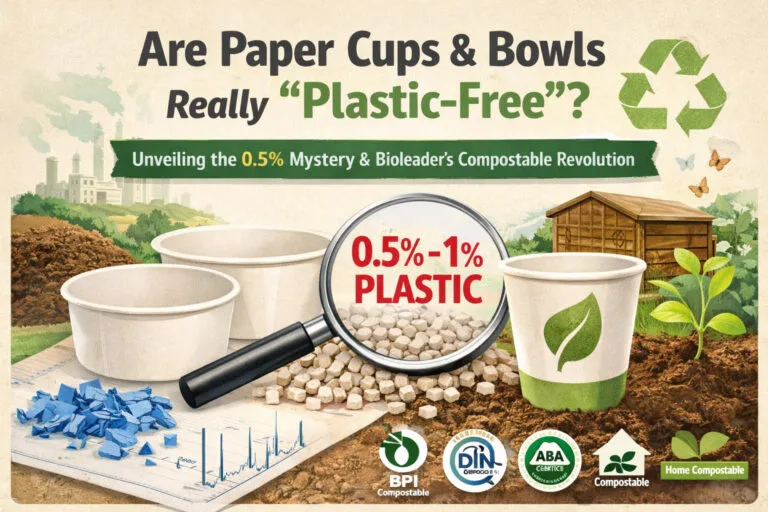
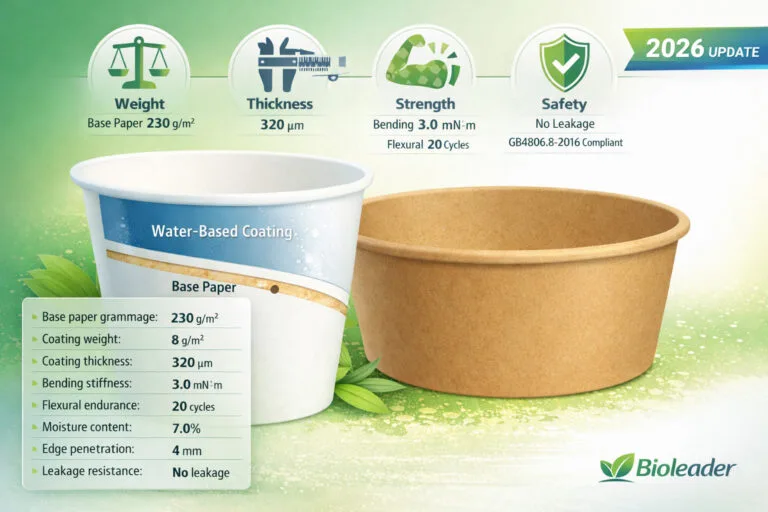
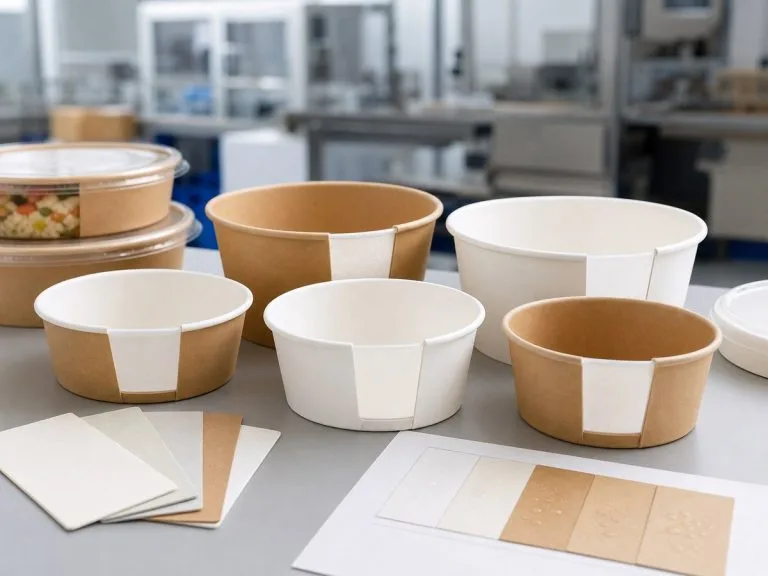
No. Water-based describes the coating application system, not necessarily the chemistry of the dry barrier. Some aqueous coatings contain polymer dispersions. A plastic-free claim should therefore be supported by the specific formulation and the applicable definition or verification method.
Some correctly designed hot-drink paper cups can contain very hot water, but performance depends on paperboard, barrier coating, sealing and cup construction. In Bioleader®'s published demonstration, 8 oz and 12 oz cups made with 280 GSM paperboard and a 12 g PHA aqueous coating showed no observed leakage after 15 and 30 minutes with 100°C water.
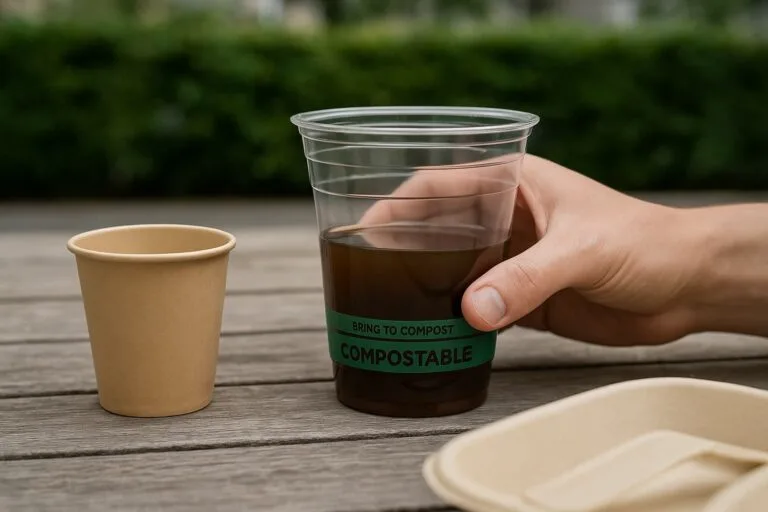
PLA is commonly associated with industrial compostability, but the complete finished cup or bowl must meet the applicable compostability requirements. PLA-coated packaging should not automatically be described as home compostable, and practical composting also depends on local collection and industrial composting infrastructure.
Join the global movement toward zero-waste packaging.
Bioleader® offers:
📦 Bulk order support & fast delivery
✍️ Custom branding and OEM solutions
🌍 Worldwide eco-packaging compliance
Get the Catalogue Products List & Contact Us Now! 👉