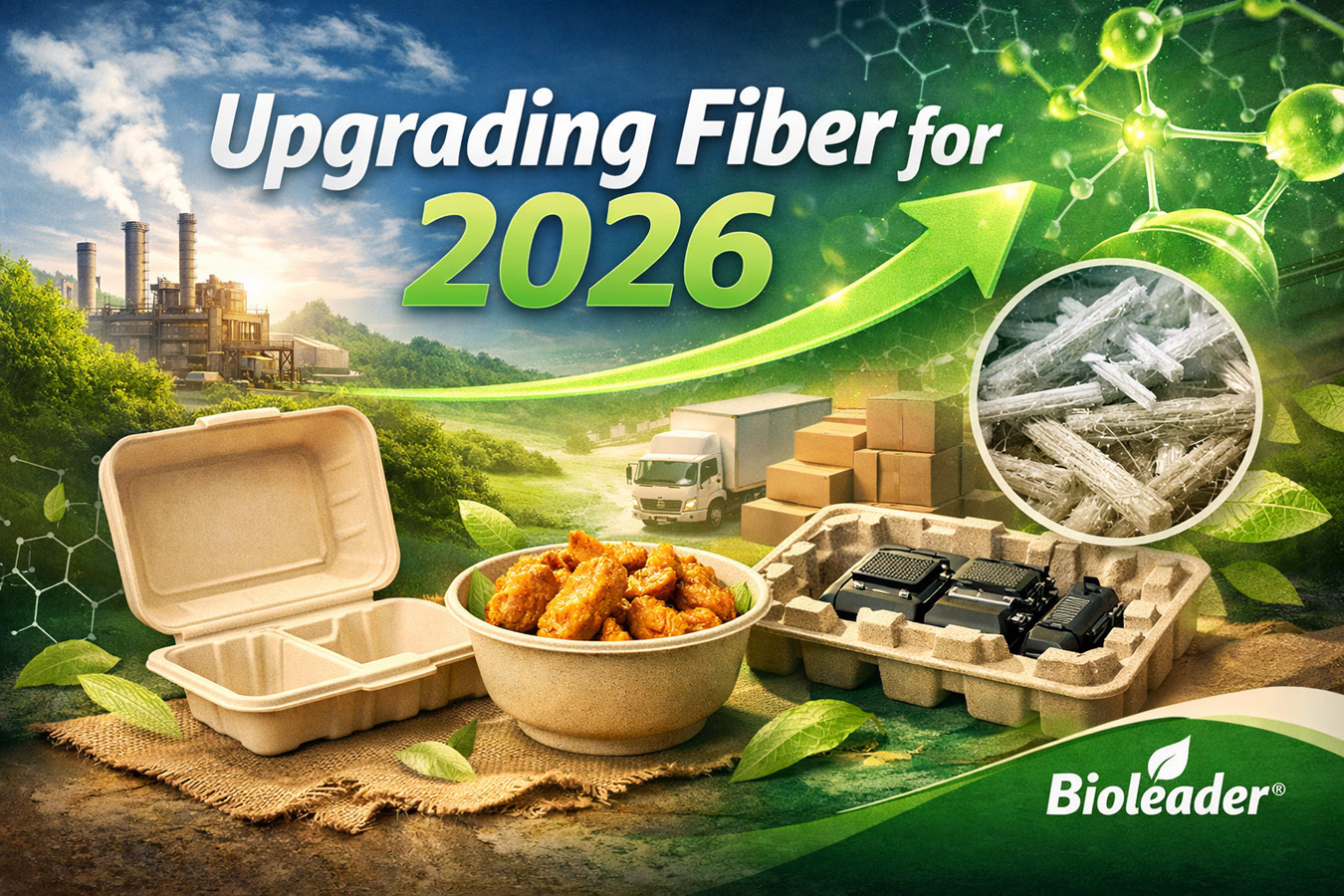
The molded fiber packaging sector is entering a new phase. It’s no longer just about replacing plastic—it’s about upgrading performance while keeping sustainability intact.
A clear signal of that shift is the latest move from a major Japanese paper group investing in advanced cellulose technology, specifically microcrystalline cellulose (MCC). Instead of chasing short-term packaging buzzwords, this decision highlights a longer-term industry pivot: fiber is being engineered, not merely shaped.
For packaging buyers, distributors, and global importers, the message is simple:
2026 will reward suppliers who can deliver molded fiber that performs like plastic—without becoming plastic.
1) Why “MCC” Matters: The Industry Is Moving from “Eco Substitute” to “Engineered Fiber”
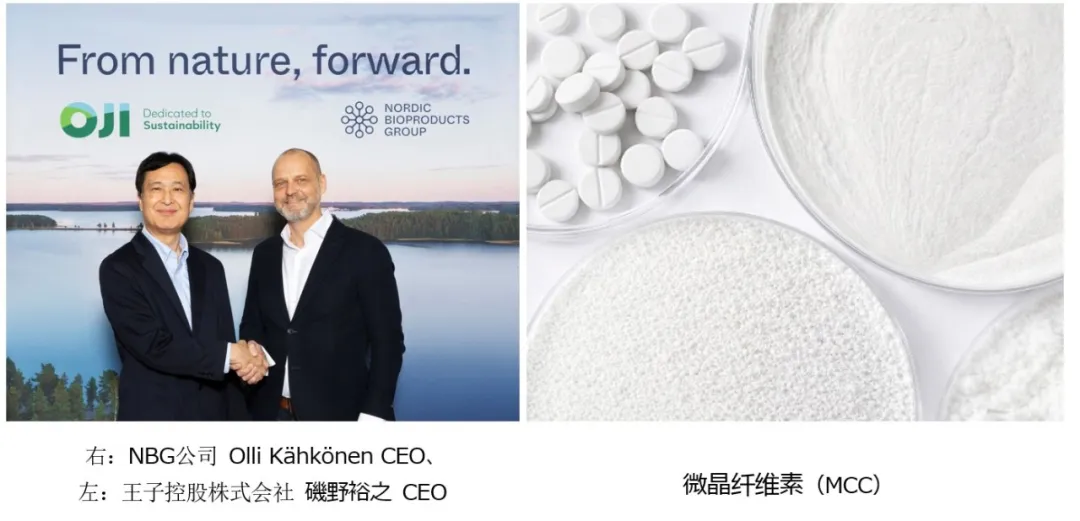
Microcrystalline cellulose (MCC) has been widely used in industries like pharmaceuticals and food as a functional cellulose ingredient. But in packaging, MCC represents something more strategic:
a pathway to strengthen fiber structures while maintaining a plastic-free profile.
In practical terms, MCC and fiber reinforcement trends point toward molded pulp products with:
better rigidity under heat and humidity
improved resistance to oil staining and food leakage
more stable dimensions during delivery and stacking
smoother surface and premium tactile feel
This is the direction molded fiber must go if it wants to win real-world scenarios like takeaway, hot-food delivery, and supermarket trays—where consumers and brands expect “plastic-like reliability.”
2) The Real Trend Behind the Headlines: Performance Is Becoming the New Standard
For years, molded pulp packaging was purchased mainly for compliance:
“plastic bans are coming”
“we need compostable options”
“we want biodegradable packaging”
In 2026, that’s no longer a differentiator. Most buyers now ask a tougher question:
Can it survive real service conditions—hot, greasy, moist, and long delivery routes?
That’s where molded fiber historically struggled. Many products look fine at room temperature, but fail in real use:
fried foods soften the base
steam breaks lid sealing
greasy meals stain through fibers
stacking pressure deforms structure
So the industry is shifting from “shape-making” to performance engineering:
✅ fiber density control
✅ structural reinforcement
✅ improved forming precision
✅ better barrier design without plastic film
3) Molded Pulp Is Expanding Beyond Food—And That Raises the Bar
Another reason this matters: molded fiber is expanding into higher-value applications, not just takeout boxes.
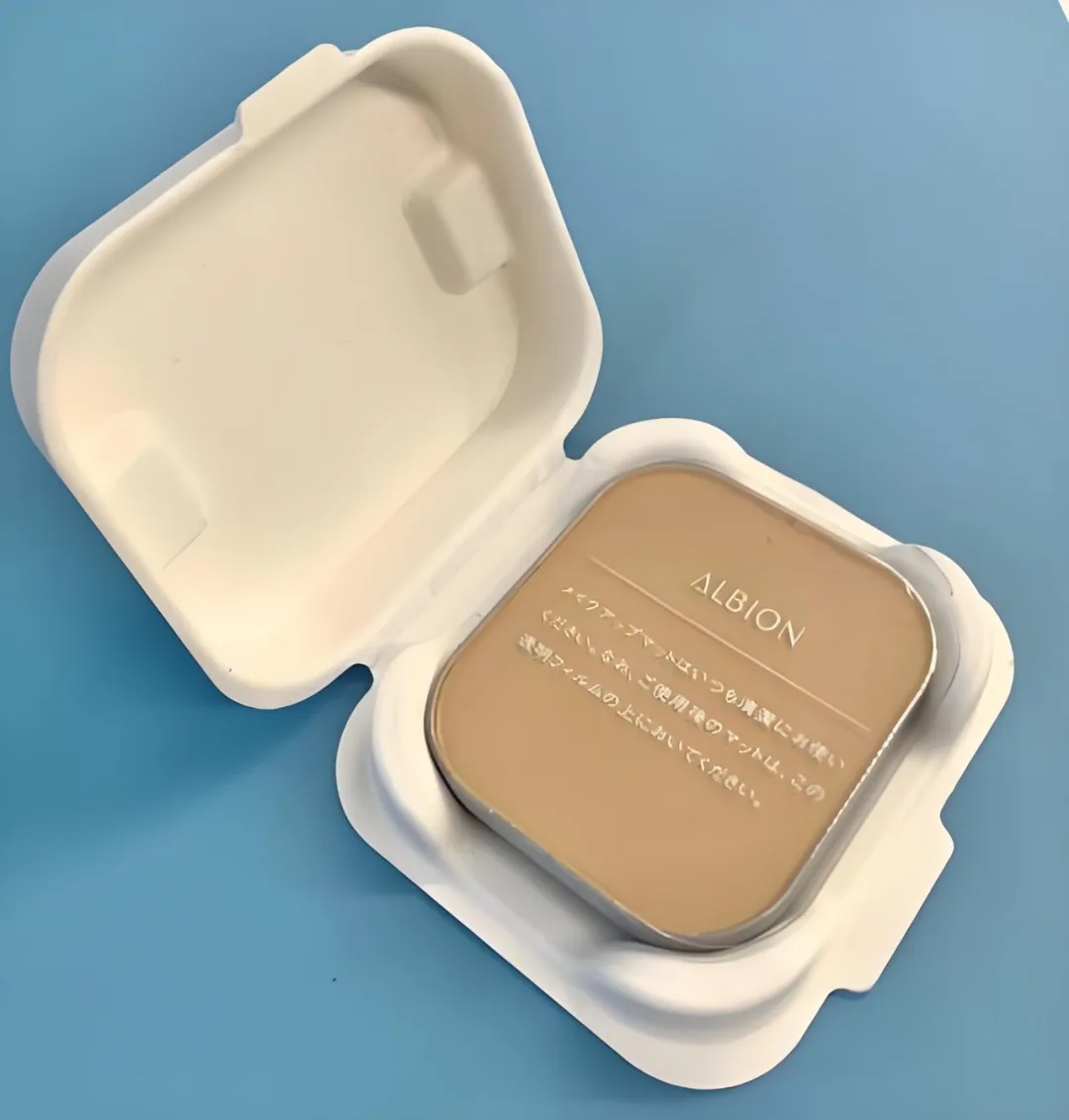
The market is moving into:
premium retail & cosmetics packaging (appearance + feel matters)
electronics cushioning and protective packaging (drop protection matters)
fresh food trays (leak prevention + clean appearance matters)
industrial transit packaging (load-bearing matters)
Once molded pulp competes in these categories, it can’t behave like “cheap molded pulp” anymore.
That’s why fiber enhancement technologies (MCC/CNF-style reinforcement) are becoming mainstream—not optional upgrades.
4) What Global Buyers Should Prioritize in 2026 Procurement
If you’re a distributor, packaging brand, or foodservice importer, 2026 sourcing should be judged using performance + compliance + consistency, not just “eco claims.”
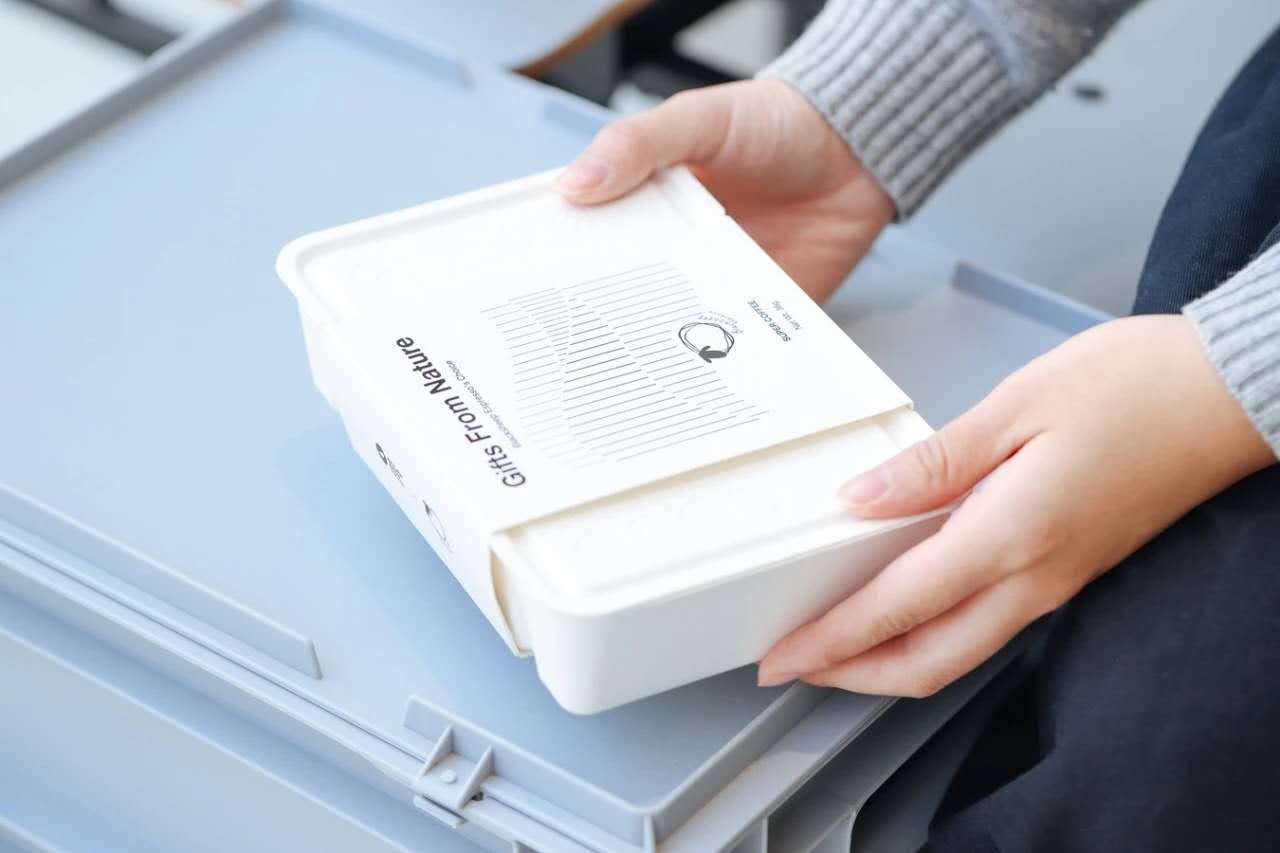
A buyer-ready checklist for molded fiber packaging
Real-use performance
heat tolerance for hot meals and microwaving
oil/grease resistance for fried foods and saucy dishes
stiffness retention under steam and condensation
lid fit stability and leak prevention
Manufacturing consistency
stable forming density (less variation batch-to-batch)
accurate lid closure and stacking fit
controlled defect rate in mass production
Compliance readiness
PFAS-free expectations in many markets
food-contact documentation aligned with target regions
export-friendly packaging specs and labeling support
Supply chain execution
container-load planning for multi-SKU orders
lead time stability during peak seasons
stronger carton packing design to reduce transit losses
This is the difference between “buying molded pulp” and building a repeatable packaging program.
5) Where Bioleader Fits: A Practical, Buyer-First View
As large paper groups push deeper into fiber innovation, global buyers still need a supplier that can deliver fast, stable, export-ready molded fiber packaging at scale—especially for foodservice and takeaway categories.

That’s where Bioleader® positions strongly:
sugarcane bagasse molded fiber packaging with stable heat-press forming
takeaway-ready formats: clamshells, trays, bowls, compartment boxes
programs designed for distributors and packaging brands
scalable supply planning for 20GP / 40HQ procurement models
Most importantly, Bioleader focuses on what buyers care about most:
✅ consistency in mass production
✅ performance under hot & greasy food conditions
✅ documentation and export coordination
✅ multi-SKU integration without sacrificing delivery reliability
The market is upgrading. Bioleader’s role is to make that upgrade commercially executable for real buyers—without turning sustainability into a “cost burden.”
Conclusion: 2026 Is the Year Fiber Packaging Becomes a Performance Market
This industry is not simply replacing plastic anymore.
It’s entering a period where materials, micro-structure, and forming control determine who wins, and buyers will increasingly select suppliers based on measurable outcomes:
fewer leakage complaints
better stackability and delivery stability
premium look and feel
stronger compliance readiness across regions
In this new reality, the winners will be manufacturers who can prove one thing:
Molded fiber can be plastic-free and still deliver plastic-like performance.
Business FAQ
Q1) Why are major paper groups investing in advanced cellulose technologies like MCC?
Because molded fiber packaging is entering a performance-driven stage. Reinforced fiber structures can improve heat stability, rigidity, and oil resistance—making molded pulp more competitive against plastic in real takeaway use.
Q2) Does MCC mean molded pulp packaging will automatically become oil-proof or leak-proof?
Not automatically. MCC can strengthen fiber networks, but real-world oil resistance depends on forming density control, barrier interface design, and product geometry. Buyers should test with hot and greasy foods, not just rely on lab samples.
Q3) What molded fiber products will benefit most from fiber reinforcement in 2026?
High-demand formats such as bagasse clamshells, soup bowls, trays, and compartment meal boxes—especially for hot-food delivery, fried foods, and saucy meals where performance complaints are most common.
Q4) What should distributors and importers check before placing container orders?
Focus on:
batch consistency and defect rate control
lid fit and stacking stability
heat + oil performance under real food conditions
PFAS-free readiness and food-contact documentation
carton packing design and container loading plans
Q5) What is the safest way to evaluate a molded fiber supplier before scaling?
Start with an evaluation pack and test using your actual menu or customer use case (hot food, steam, oils, delivery time, stacking pressure). Then confirm consistent manufacturing capability before moving to a multi-SKU 20GP/40HQ program.