1. Introduction: The Growing Challenge of Plastic Bans and Their Impact on Packaging
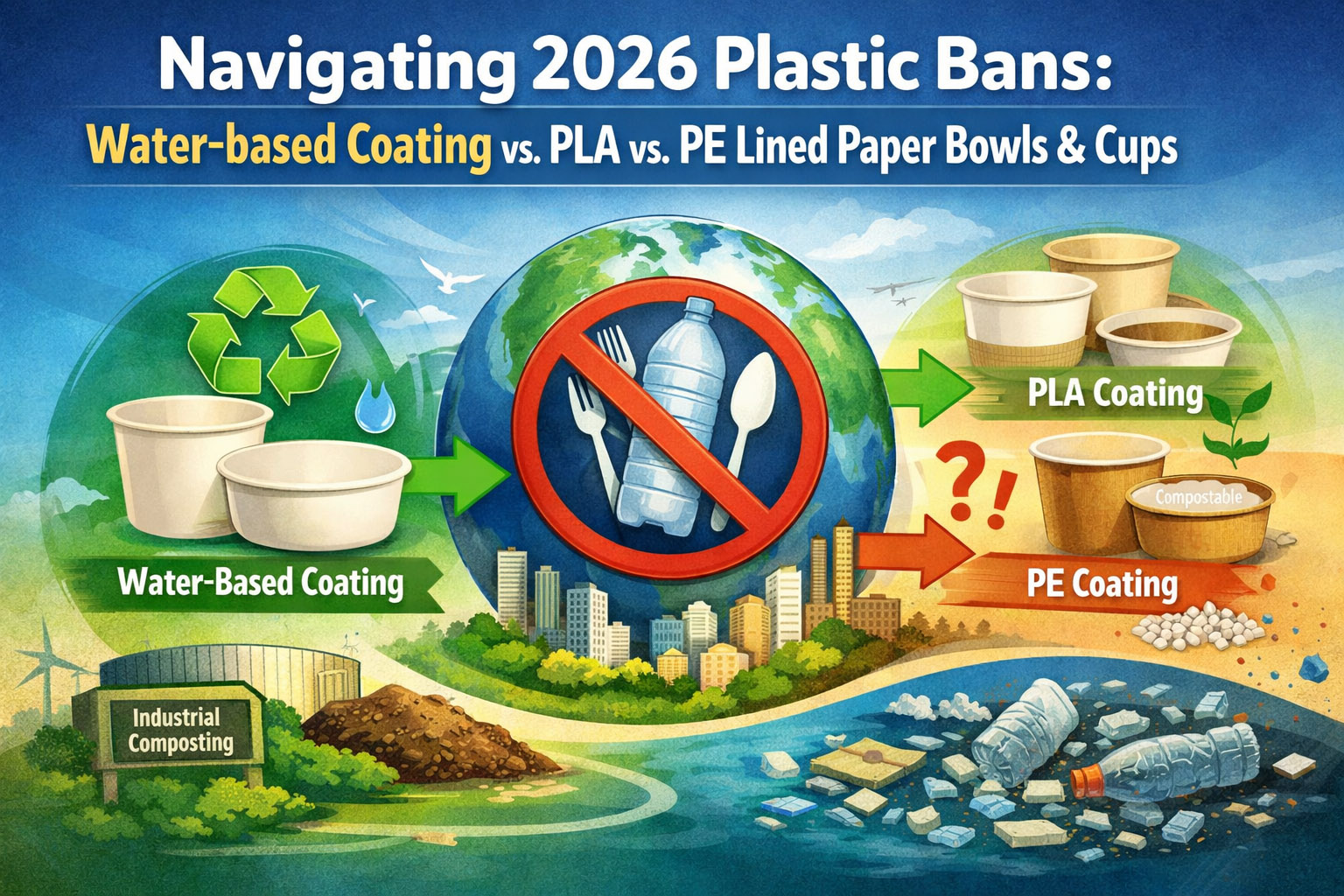
As we approach 2026, the global movement against plastic waste is gaining momentum, with countries across Europe, North America, and Asia set to enforce stricter plastic bans. These bans are driving significant changes in the foodservice packaging industry, particularly in the use of single-use plastics like plastic-lined paper bowls and cups.
Global Plastic Ban Impact:
The rise of plastic bans has significant implications for packaging industries. In foodservice, paper bowls and cups have long been lined with polyethylene (PE) or polylactic acid (PLA) coatings to provide moisture and grease resistance. However, these traditional coatings do not comply with the plastic-free requirements imposed by new regulations.
Industry Transformation Demand:
To meet evolving regulations, businesses are now tasked with finding sustainable packaging solutions. This is where water-based coatings emerge as a key alternative, providing a plastic-free, compostable, and recyclable solution that aligns with global sustainability goals.
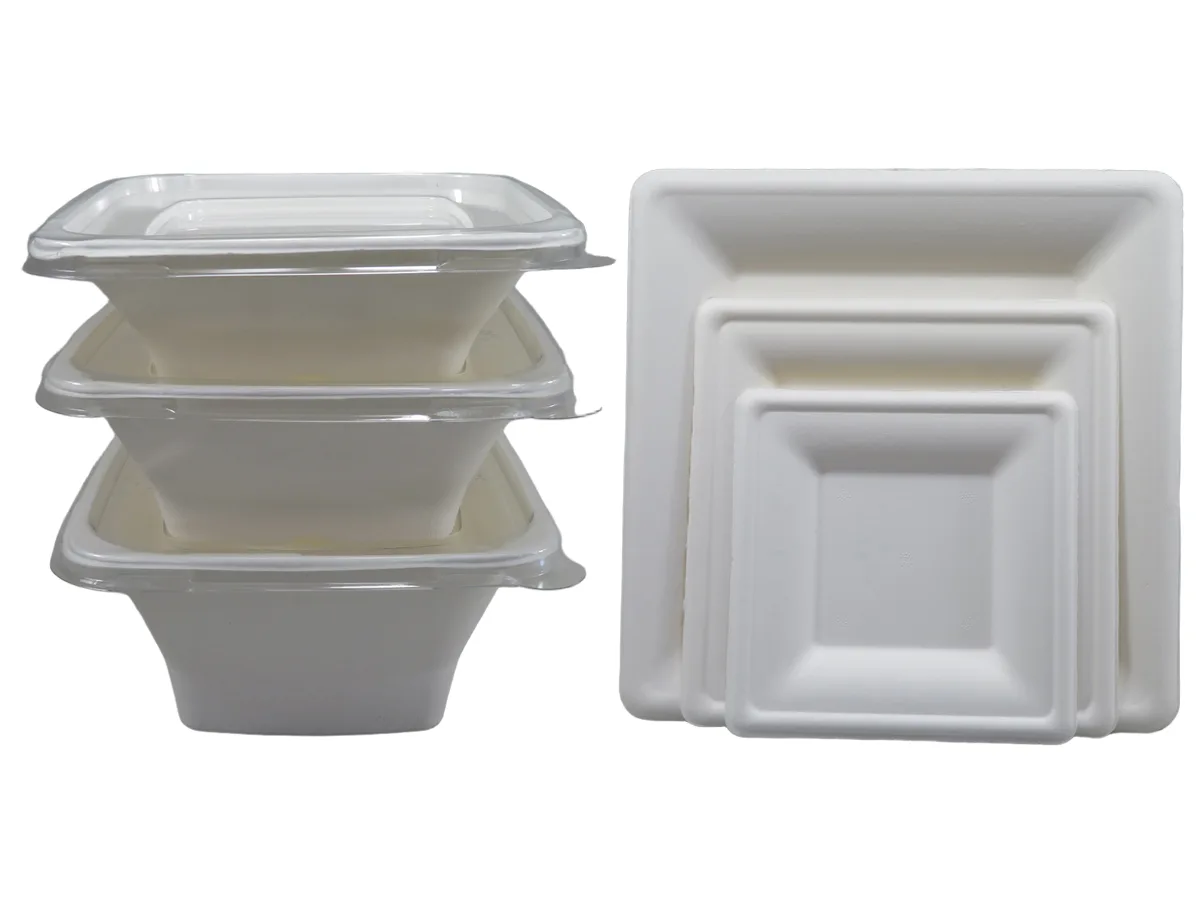
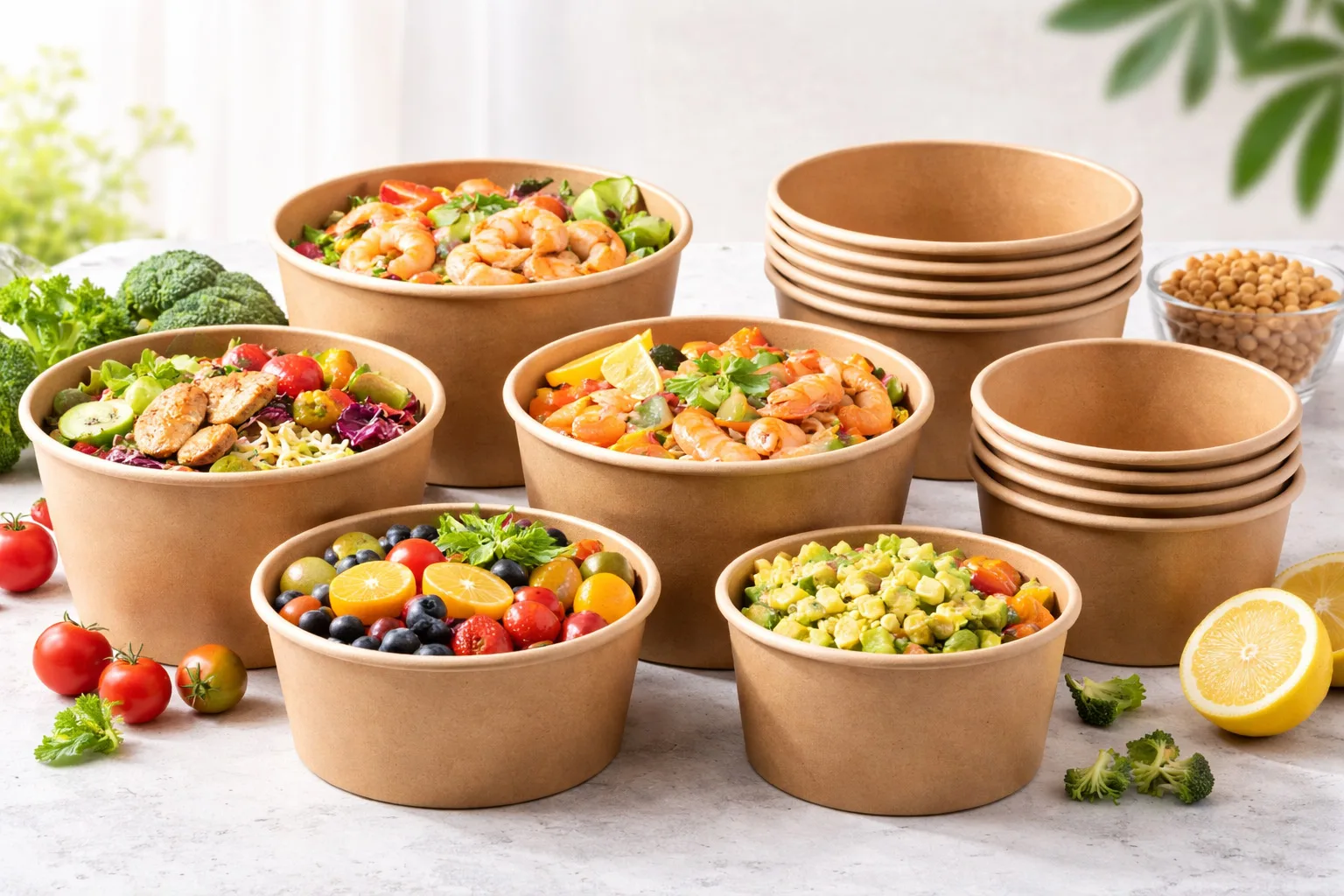
For instance, disposable paper salad bowls offer a wide range of sizes and capacities, making them ideal for businesses seeking to offer eco-friendly packaging solutions that comply with plastic-free regulations.
2. Water-based Coating: The Environmental Pioneer in Plastic Alternatives
Water-based coatings (also known as aqueous coatings) are an eco-friendly innovation in packaging materials. They provide a non-toxic, plastic-free alternative to traditional coatings, making them a strong contender for the future of sustainable food packaging.
What Is Water-based Coating?
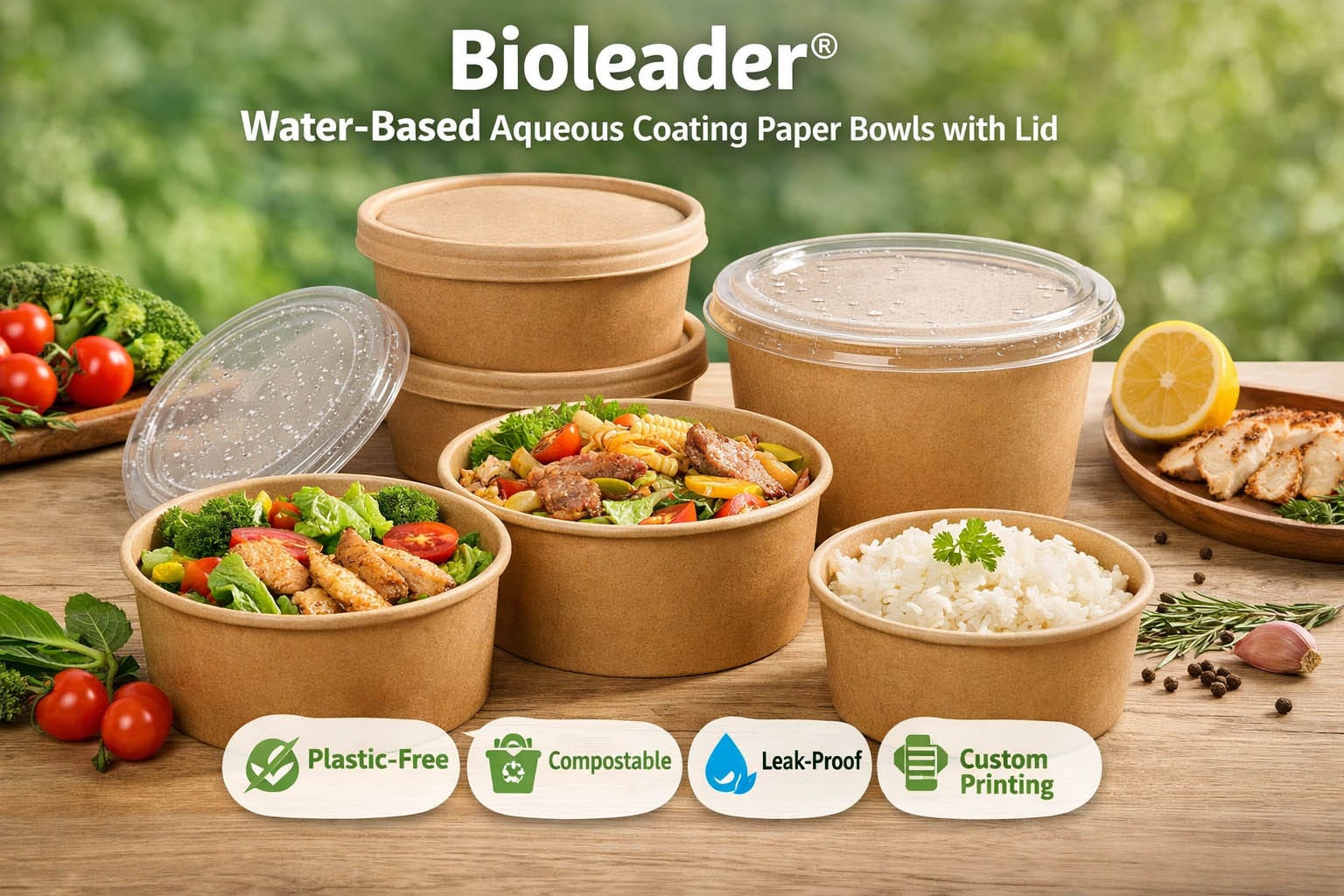
Water-based coatings are formulated with water as the solvent, instead of petroleum-based chemicals like those found in PE and PLA coatings. They are applied to paper-based food containers to create a barrier that prevents grease and moisture penetration, making them suitable for takeaway bowls, paper cups, and packaging.
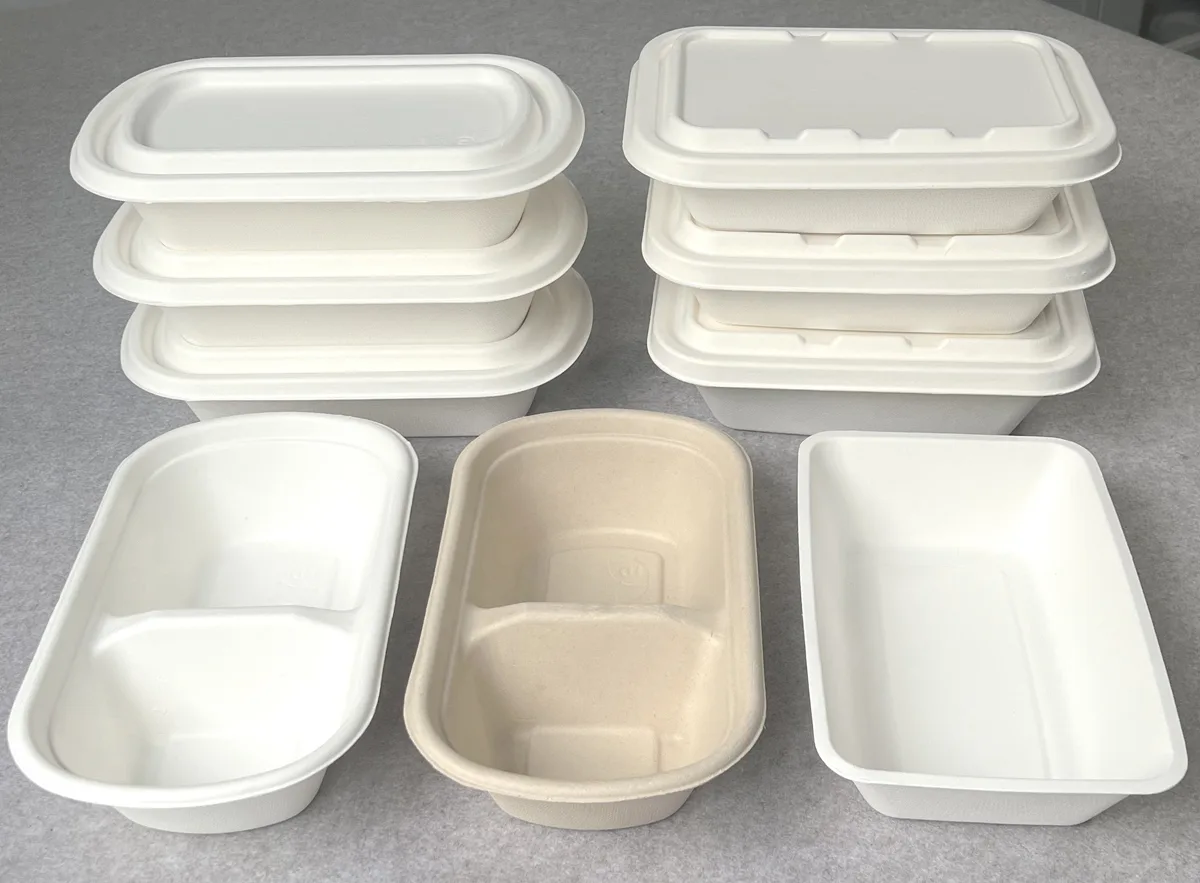
For businesses looking for plastic-free alternatives, water-based aqueous coating paper bowls with lids offer a reliable and compostable option to comply with environmental regulations.
Environmental Benefits of Water-based Coatings:
Non-toxic and Plastic-Free: Water-based coatings are free from harmful chemicals like BPA, plasticizers, and other toxic substances commonly found in PE and PLA coatings. This makes them a safer option for consumers and the environment.
Compostable and Recyclable: These coatings are easily recyclable and can be composted in industrial composting facilities, unlike PE coatings, which are non-recyclable and contribute to plastic waste.
Compliance with Plastic-Free Regulations: As countries continue to introduce plastic-free certifications, water-based coatings help businesses comply with environmental regulations, particularly those aimed at eliminating plastic use in packaging.
The Market Outlook for Water-based Coatings:
With growing global demand for sustainable packaging and stricter plastic bans, water-based coatings are poised to become the dominant choice in the foodservice packaging industry. Bioleader® offers a variety of biodegradable paper bowls with water-based coatings that are fully plastic-free and compostable, helping businesses comply with evolving sustainability goals.
3. PLA Coated Paper Bowls & Cups: A Green Alternative but with Limitations
Polylactic Acid (PLA) is another alternative to traditional plastic coatings. Made from plant-based materials like corn or sugarcane, PLA is a biodegradable option often used to coat paper bowls and cups.
What Is PLA Coating?
PLA coatings are derived from renewable plant-based resources and offer a biodegradable alternative to petroleum-based coatings. However, despite its advantages, PLA has limitations that make it less suitable for all packaging needs.
Environmental Benefits of PLA Coatings:
Biodegradable: PLA can break down in industrial composting facilities, making it a greener alternative to PE. It’s often marketed as a compostable solution, especially in foodservice packaging.
Plant-based: Since PLA is made from renewable crops, it reduces reliance on fossil fuels compared to PE, and the production process emits less carbon.
Limitations of PLA Coatings:
Industrial Composting Requirements: PLA coatings require specific conditions to degrade properly, typically found only in industrial composting facilities. This limits their effectiveness in areas without access to such infrastructure.
Limited Recycling: While PLA is biodegradable, it is not compatible with conventional recycling systems, meaning it must be separated from traditional paper waste to be processed correctly.
Higher Cost and Resource Use: The production of PLA involves the use of agricultural resources like corn or sugarcane, which requires land and water for cultivation, adding to the carbon footprint and production costs.
PLA vs. Water-based Coatings:
Although PLA is a biodegradable alternative, water-based coatings offer several advantages:
Better recyclability: Water-based coatings are compatible with existing recycling programs, making them easier to process compared to PLA.
Lower production impact: Water-based coatings use fewer resources and energy in production, making them more environmentally sustainable than PLA coatings.
For businesses seeking affordable and eco-friendly solutions, biodegradable paper bowls with water-based coatings are an excellent choice to meet sustainability goals.
4. PE Coated Paper Bowls & Cups: The Challenges of Traditional Plastic Coatings
Polyethylene (PE) coatings have been the go-to solution for moisture and grease protection in foodservice packaging for decades. However, as environmental concerns over plastic waste rise, PE coatings are increasingly being seen as part of the problem, rather than a solution.
What Is PE Coating?
PE is a petroleum-based plastic that is commonly applied to paper bowls and cups to create a water-resistant barrier. While it is effective at protecting food from moisture and grease, the material has serious environmental drawbacks.
Environmental Challenges of PE Coatings:
Non-Recyclable: PE coatings are difficult to separate from paper fibers, making them non-recyclable in most municipal recycling programs. This leads to increased waste and contributes to the global plastic pollution crisis.
Long-term Environmental Impact: PE does not biodegrade in the environment. Instead, it can persist in landfills for hundreds of years, leaching harmful chemicals into the soil and water.
Plastic Waste and Microplastics: PE-coated products contribute to the spread of microplastics in oceans and rivers, which have detrimental effects on marine life and ecosystems.
Why PE Coatings Are Being Replaced by Water-based Coatings:
As environmental regulations tighten globally, companies are increasingly turning to water-based coatings as an alternative to PE. Unlike PE, water-based coatings are plastic-free, easier to recycle, and have a much lower environmental impact.
For businesses looking for eco-friendly solutions, takeaway bowls with lids featuring water-based coatings offer an ideal packaging solution that complies with plastic-free certifications and environmental goals.
5. Water-based Coating vs. Traditional Coatings: Environmental Comparison
| Criteria | Water-based / Aqueous Coating | PLA Lined | PE Lined |
|---|---|---|---|
| Plastic-free positioning | Strong (best aligned with “plastic-free” claims) | Mixed (bio-based but still a polymer layer) | Weak (conventional plastic lining) |
| Recyclability with paper stream | High (typically easier to process than laminated plastics) | Low–Medium (often requires separation / special handling) | Low (fiber-plastic separation is challenging) |
| Compostability reality | Good potential (depends on coating formulation + local facilities) | Conditional (typically industrial composting required) | Not compostable |
| Risk under tightening plastic bans | Lowest (future-proof direction) | Medium (policy interpretation varies by market) | Highest (most exposed to restrictions) |
Non-toxicity and Safety:
Water-based coatings are non-toxic and meet food safety standards, unlike PE and PLA coatings, which often contain chemicals that may be harmful to consumers. The safety and non-toxicity of water-based coatings ensure that consumers can enjoy food packaged in these containers without exposure to harmful substances.
Recyclability and Sustainability:
Water-based coatings offer significant advantages when it comes to recycling. They are compatible with modern recycling systems and can be processed in the same streams as regular paper. In contrast, PLA coatings require industrial composting facilities, and PE coatings are difficult to recycle, creating challenges for environmental sustainability.
Reducing Environmental Impact:
Water-based coatings reduce the overall environmental footprint of foodservice packaging by enabling better recycling, lowering energy usage during production, and avoiding the harmful effects of plastic pollution. This makes water-based coatings a more environmentally responsible choice compared to traditional coatings.
| Operational Metric | Water-based / Aqueous Coating | PLA Lined | PE Lined |
|---|---|---|---|
| Grease & moisture barrier | Strong (good for salads, hot meals, oily foods) | Strong | Strong |
| Heat tolerance (typical foodservice range) | Stable (depends on coating system) | Medium (softening can occur at higher temps) | Stable |
| Brand perception for “paperization” trend | Best (supports “paper-first” story) | Good (needs explanation of composting conditions) | Weak (increasingly questioned by consumers) |
| Typical total cost risk | Lower compliance risk; cost stabilizes at scale | Material + processing cost can be higher | May face regulatory fees/restrictions |
6. How to Choose the Right Coating: Best Applications for Water-based, PLA, and PE Coatings
Applications for Water-based Coatings:
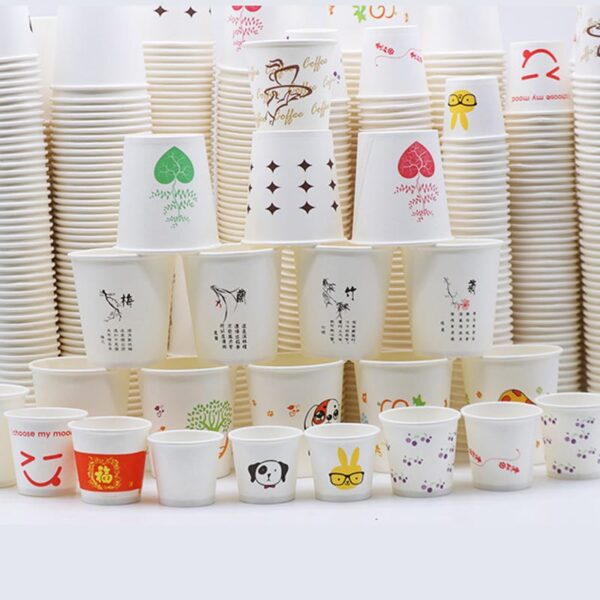
Water-based coatings are suitable for all food packaging needs, particularly for businesses looking to comply with plastic-free regulations. They are ideal for use in takeout containers, paper bowls, and paper cups, offering a reliable and eco-friendly solution.
Applications for PLA Coatings:
PLA coatings are best suited for markets where industrial composting is available and are commonly used in compostable packaging solutions. They are suitable for applications where biodegradable packaging is a priority, such as in organic food packaging.
Applications for PE Coatings:
PE coatings continue to be used in traditional packaging solutions. However, as environmental regulations tighten, they are increasingly being replaced by more sustainable alternatives like water-based coatings.
| Use Case | Best Choice | Why | Watch-outs |
|---|---|---|---|
| Takeaway / Delivery (hot + oily) | Water-based / Aqueous Coating | Plastic-free story + recycling-friendly direction | Confirm local recycling/composting acceptance |
| Markets with industrial composting programs | PLA Lined | Works when composting infrastructure exists | Consumer confusion if composting is not available |
| Legacy supply chains still use conventional cups/bowls | PE Lined (transition phase only) | Short-term compatibility | Highest policy risk in 2026+ ban landscape |
Choosing the Right Coating:
When selecting a coating, businesses should consider factors such as the product’s environmental requirements, the regulations of their target market, and consumer preferences for eco-friendly solutions. For companies committed to reducing their environmental footprint, water-based coatings are the ideal choice.
7. Conclusion: Water-based Coatings as the Future of Packaging in 2026
The Market Potential for Water-based Coatings:
As global plastic bans continue to advance, water-based coatings are poised to become the dominant choice in paper product packaging, particularly in the takeout and foodservice industries. These coatings offer a practical and sustainable solution for businesses aiming to comply with stricter environmental laws.
Technological Advancements:
The production technology for water-based coatings continues to evolve, ensuring that they will remain a viable and effective alternative to plastic coatings in the future. The continued development of these technologies will make water-based coatings the go-to choice for businesses aiming to achieve sustainability goals and regulatory compliance.
Emphasizing the Future of Sustainable Packaging:
As we move toward a future where eco-friendly and plastic-free solutions are paramount, water-based coatings represent the best option for businesses in the foodservice industry. They offer a reliable, recyclable, and compostable alternative, fulfilling the growing demand for sustainable packaging solutions.
FAQ
1. What does “plastic-free certification for paper bowls” mean?
“Plastic-free certification” typically means the product does not contain traditional plastic materials like polyethylene (PE) or polylactic acid (PLA) as a coating. It assures that the paper product can be recycled or composted without the need for special processing for plastic removal.
2. Are water-based coatings recyclable?
Yes, water-based coatings are generally more recyclable than plastic-lined alternatives. These coatings are compatible with paper recycling streams, making them a better choice for sustainability.
3. What is the environmental benefit of using water-based coatings over PE or PLA coatings?
Water-based coatings are more eco-friendly because they are free from toxic chemicals, do not contain plastics, and are easier to recycle. In comparison, PE and PLA coatings pose recycling challenges and are often less sustainable in the long run.
4. How do water-based coatings perform in hot and oily food packaging?
Water-based coatings are highly effective for hot and oily food applications, providing a grease-resistant barrier without the use of plastics. These coatings help maintain food safety while supporting sustainable packaging claims.
5. Can PLA-coated paper products be composted at home?
PLA-coated products are biodegradable but typically require industrial composting facilities to break down fully. In home composting settings, PLA may not degrade as effectively, which is why water-based coatings offer a more flexible composting option.
6. Why is water-based coating the future of food packaging?
Water-based coatings are increasingly seen as the future due to their compatibility with plastic-free certifications, superior recyclability, and safer chemical profiles. As regulations tighten, businesses using these coatings can more easily comply with global sustainability standards.
References
European Union. Regulation (EU) 2025/40 on packaging and packaging waste (PPWR). Official Journal of the European Union, 2024/2025.
European Commission (DG Environment). Packaging waste — EU policy objectives and recyclability direction (2030 recyclability goal). European Commission, 2024–2025.
United Nations Environment Programme (UNEP). Intergovernmental Negotiating Committee (INC) on Plastic Pollution — global consumption and waste context. UNEP, 2024.
Ellen MacArthur Foundation. The Global Commitment 2023 Progress Report. Ellen MacArthur Foundation, 2023.
Ellen MacArthur Foundation. The Global Commitment 2024 Overview / Key learnings on plastic packaging targets. Ellen MacArthur Foundation, 2024.
Adibi, A. et al. Recent progress in sustainable barrier paper coating for packaging (review). Journal/Publisher via ScienceDirect, 2023.
Packaging Dive (Pyzyk, K.). Coverage of EMF progress and market adoption gaps (reusables remain niche). Packaging Dive, 2024.
FKuR Knowledgebase (PPWR at a glance). Interpretation notes on coated paper and recycling disruption from plastic coatings. FKuR, 2024–2025.
Copyright Notice:
© 2026 Bioleader®. If you wish to reproduce or reference this content, you must provide the original link and credit the source. Any unauthorized copying will be considered an infringement.