
It is now widely accepted that there is a dire need to protect the environment, which is exactly why CPLA (Crystalline Polylactic Acid) cutlery is being coined as the future of sustainable dining. These utensils come as a blessing to those working around the world to reduce plastic waste as they serve their intended purpose and are environmentally friendly at the same time. With that in mind, let’s go into detail about why Bioleader’s CPLA cutlery is referred to as a certified 100% compostable utensil.
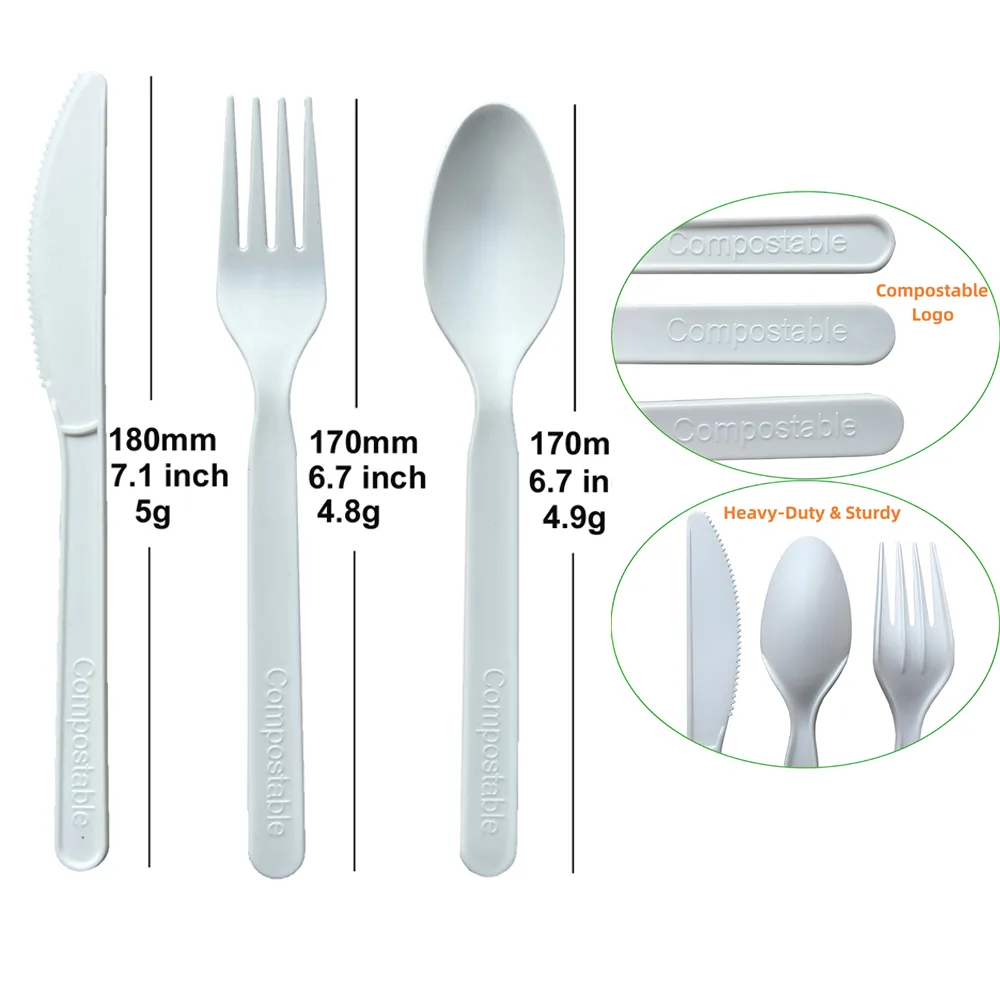
What is CPLA?
CPLA stands for Crystalline Polylactic Acid, a modified version of PLA (Polylactic Acid). PLA is derived from renewable plant-based resources such as corn starch or sugarcane. Through a crystallization process, CPLA becomes more heat-resistant and durable, making it ideal for cutlery that handles high-temperature foods while maintaining its integrity.
The Certification That Matters
The certification of CPLA cutlery as 100% compostable is not just a label—it is a commitment to sustainability. To earn this certification, CPLA cutlery must meet stringent international standards such as:
- ASTM D6400 (U.S.): Ensures materials break down into natural elements in industrial composting facilities within a specific timeframe.
- EN 13432 (Europe): Confirms biodegradability and compostability under industrial conditions, leaving no toxic residue.
- BPI Certification: Validates that products can decompose efficiently in industrial composters, supporting circular economy initiatives.
These certifications guarantee that CPLA cutlery can fully break down in a commercial composting facility, contributing to soil health rather than landfill waste.
Features of CPLA Cutlery
1. 100% Compostable and Biodegradable
CPLA cutlery is fully certified to decompose into natural elements like water, CO2, and biomass within industrial composting facilities, leaving no toxic residue behind.
2. High Heat Resistance
CPLA cutlery is designed to safely serve hot foods and drinks, as it can endure temperatures of up to 85°C. Its crystallized structure makes it virtually impossible to warp and melt in extreme heat.
3. Durable and Lightweight
CPLA utensils are expertly crafted lightweight tools that can withstand the strong forces typically exerted during the servings of heavy or tough food.
4. Sleek and Aesthetic Design
CPLA cutlery is loved for its refined matte finish with a range of colors suitable for all ages, making it wearable for all occasions, unlike traditional flatware.
5. Eco-Friendly Manufacturing
CPLA cutlery is manufactured from renewable, plant-based resources, including corn starch or sugarcane. This kind of cutlery lessens the use of fossil fuels and aids in sustainable resource management.


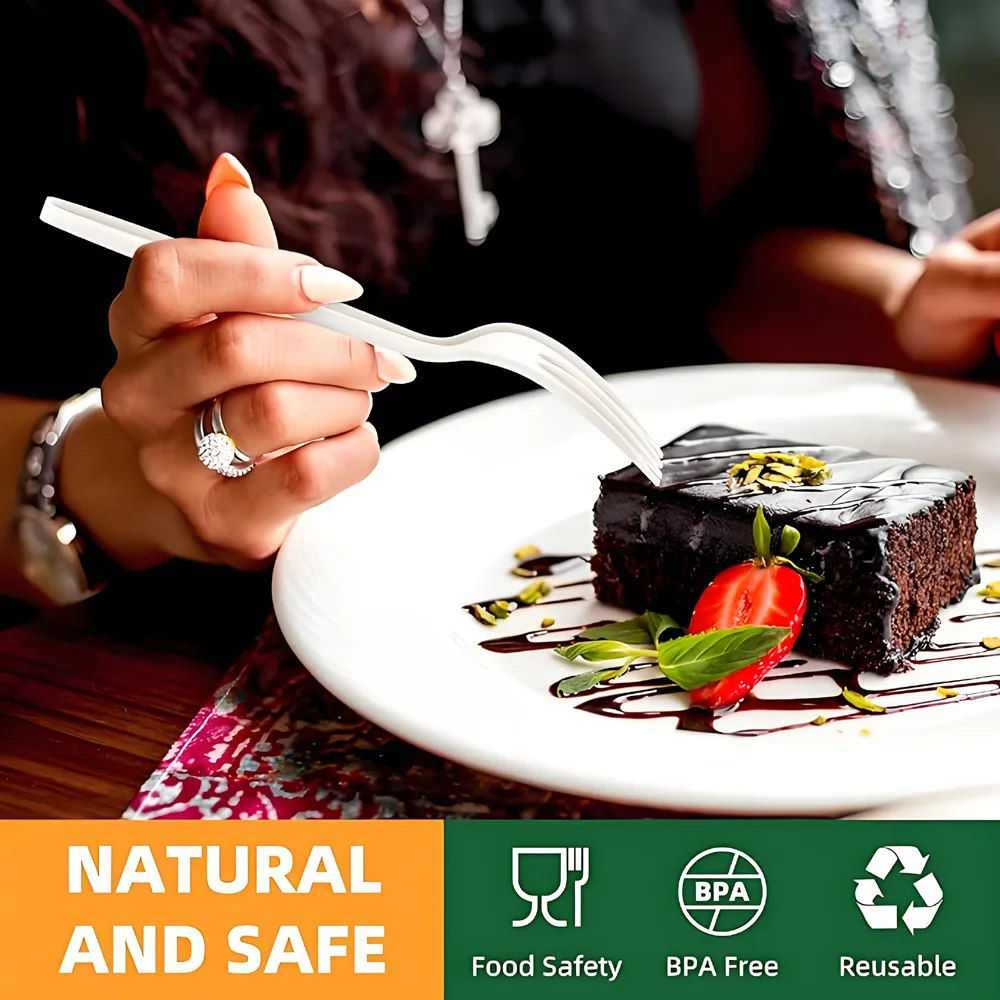
Why CPLA Cutlery is a Better Choice
1. Eco-Friendly Alternative to Plastic
Traditional plastic utensils are notorious for their environmental impact, often taking hundreds of years to degrade while leaching harmful chemicals. CPLA cutlery provides an eco-friendly solution, degrading naturally into water, CO2, and biomass without leaving harmful residues.
2. Heat Resistance and Durability
Unlike traditional PLA, which can soften at temperatures above 110°F (43°C), CPLA’s crystallized structure allows it to withstand heat up to 185°F (85°C). This makes it perfect for hot soups, beverages, and entrees.
3. Supports Circular Economy Goals
The compostable nature of CPLA aligns with the circular economy model, where waste is minimized by reintroducing materials into the ecosystem. Proper disposal in composting facilities helps regenerate soil health, completing the cycle of sustainability.
Not All “CPLA” Products are Genuinely Certified as 100% Compostable
Not all “CPLA” products on the market are genuinely certified as 100% compostable. Many modified PLA materials fail to meet the stringent requirements for compostability and safety certifications.
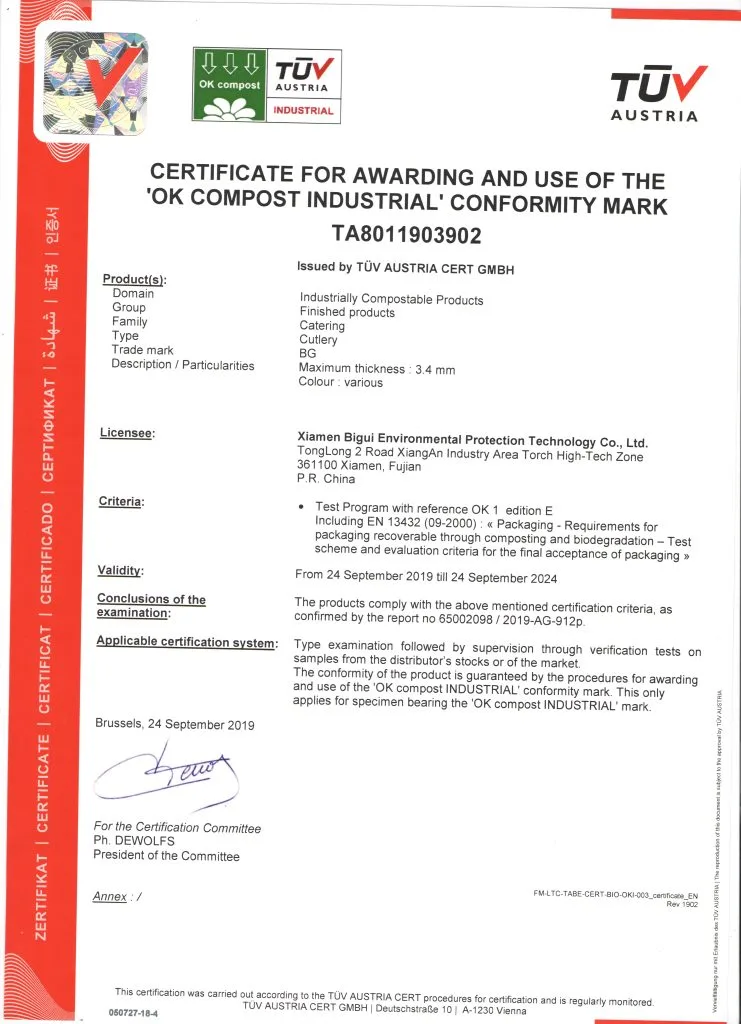
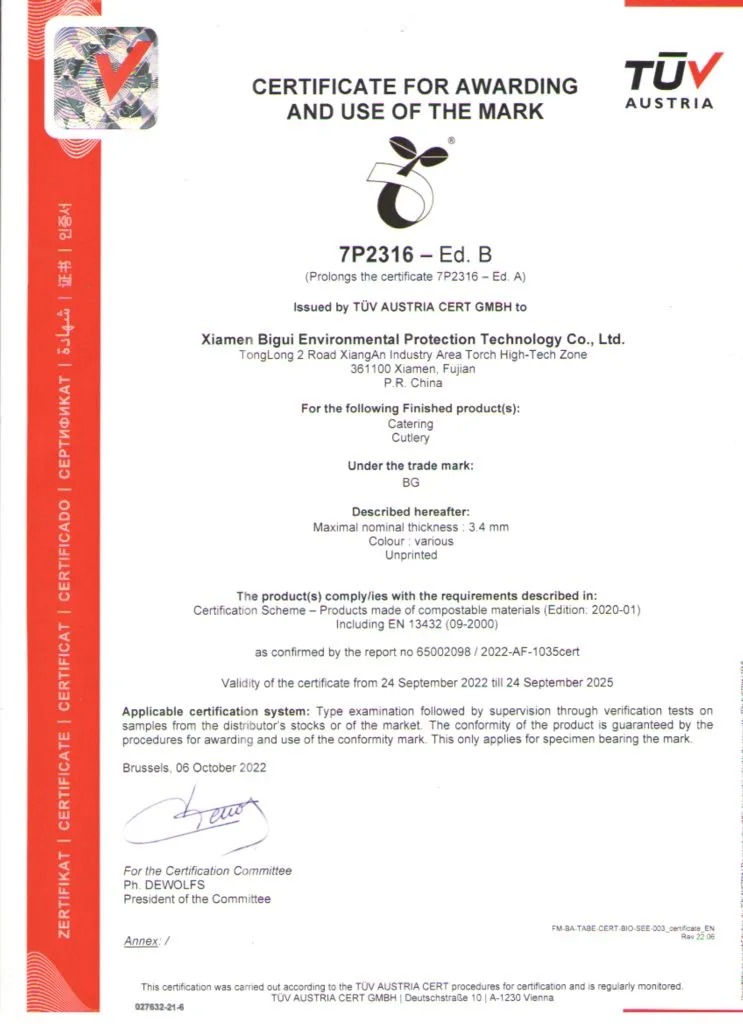
Bioleader Company’s CPLA cutlery stands out as a reliable choice, having achieved certifications such as EN13432 and OK Compost Industrial. It also meets rigorous safety standards, including SGS certifications like (EC) No 1935/2024, (EU) No 10/2011, and FDA 21 CFR. For a truly sustainable and safe dining solution, Bioleader’s certified CPLA cutlery is the best option.
Click Here to More Information About Bioleader’s Biodegradable Compostable Cutlery
 |  |
No-19352024-EU-No-102011-724x1024.jpg.webp) |  |
Challenges in Adoption
While CPLA cutlery offers undeniable benefits, it is not without challenges:
- Composting Infrastructure: CPLA requires industrial composting facilities to decompose efficiently. Unfortunately, access to such facilities varies significantly by region.
- Higher Costs: Compared to conventional plastics, CPLA products can be pricier due to material sourcing and production processes.
- Consumer Awareness: Misconceptions about the need for specialized disposal methods can lead to improper handling, reducing its environmental benefits.
These challenges underline the importance of education and infrastructure investment to maximize the potential of CPLA products.
The Future of Compostable Utensils
The market for compostable utensils is growing rapidly, driven by increasing environmental regulations and consumer demand for sustainable alternatives. Companies are now innovating further to improve the performance and accessibility of CPLA products. Future advancements might include enhanced biodegradability for home composting, and reducing reliance on industrial facilities.
Governments, businesses, and consumers must work collectively to ensure the adoption and proper disposal of CPLA cutlery. This involves building robust composting networks, incentivizing sustainable manufacturing, and educating the public on the importance of choosing eco-friendly options.
FAQ
1. What is CPLA cutlery made from?
CPLA cutlery is made from crystallized polylactic acid, a bioplastic derived from renewable plant sources like corn starch, and processed to withstand higher temperatures.
2. Is CPLA cutlery compostable?
Yes, CPLA cutlery is industrially compostable and certified under standards like BPI and EN 13432. It breaks down into non-toxic organic matter under controlled composting conditions.
3. What makes CPLA different from regular PLA?
CPLA is heat-resistant (up to ~90°C/194°F) due to a crystallization process, making it suitable for hot foods, unlike standard PLA which softens under high heat.
4. How long does CPLA take to decompose?
In industrial composting facilities, CPLA typically decomposes within 90 to 180 days. It is not designed for home composting due to temperature requirements.
5. Can CPLA cutlery be recycled?
No, CPLA cutlery should not be placed in recycling bins. It is compostable, not recyclable, and may contaminate traditional plastic recycling streams.
6. Is CPLA cutlery safe for food contact?
Yes, CPLA utensils are food-safe, BPA-free, and meet FDA and EU food-grade standards, making them safe for direct use with hot or cold foods.
7. Why is CPLA cutlery considered eco-friendly?
CPLA cutlery is made from renewable resources, emits fewer carbon emissions during production, and breaks down without harming the environment—unlike petroleum-based plastics.
Conclusion
CPLA cutlery is more than just a utensil—it is a symbol of progress in the fight against plastic pollution. As a certified 100% compostable product, it bridges the gap between functionality and environmental stewardship. By choosing CPLA, we not only reduce our carbon footprint but also take a step closer to a more sustainable, waste-free future.
So next time you pick up a fork or spoon, consider the journey it will take after your meal. With CPLA cutlery, that journey could lead to healthier soil and a healthier planet.
What are your thoughts on the adoption of compostable utensils like CPLA in everyday life? Share your ideas or experiences in the comments below!


4 Responses
Really impressed—this guide on CPLA cutlery as a certified compostable utensil is clear and convincing.
Thanks for breaking down CPLA’s composting credentials so clearly! I’m curious—are there any certifications or specific disposal guidelines consumers should look for to ensure proper composting?
I had no idea what CPLA cutlery actually was until I read this. It’s great to know it’s a certified compostable utensil that doesn’t sacrifice strength.
This article did a fantastic job explaining the benefits of cPLA cutlery compared to conventional plastic—now I’m more confident choosing certified compostable utensils!