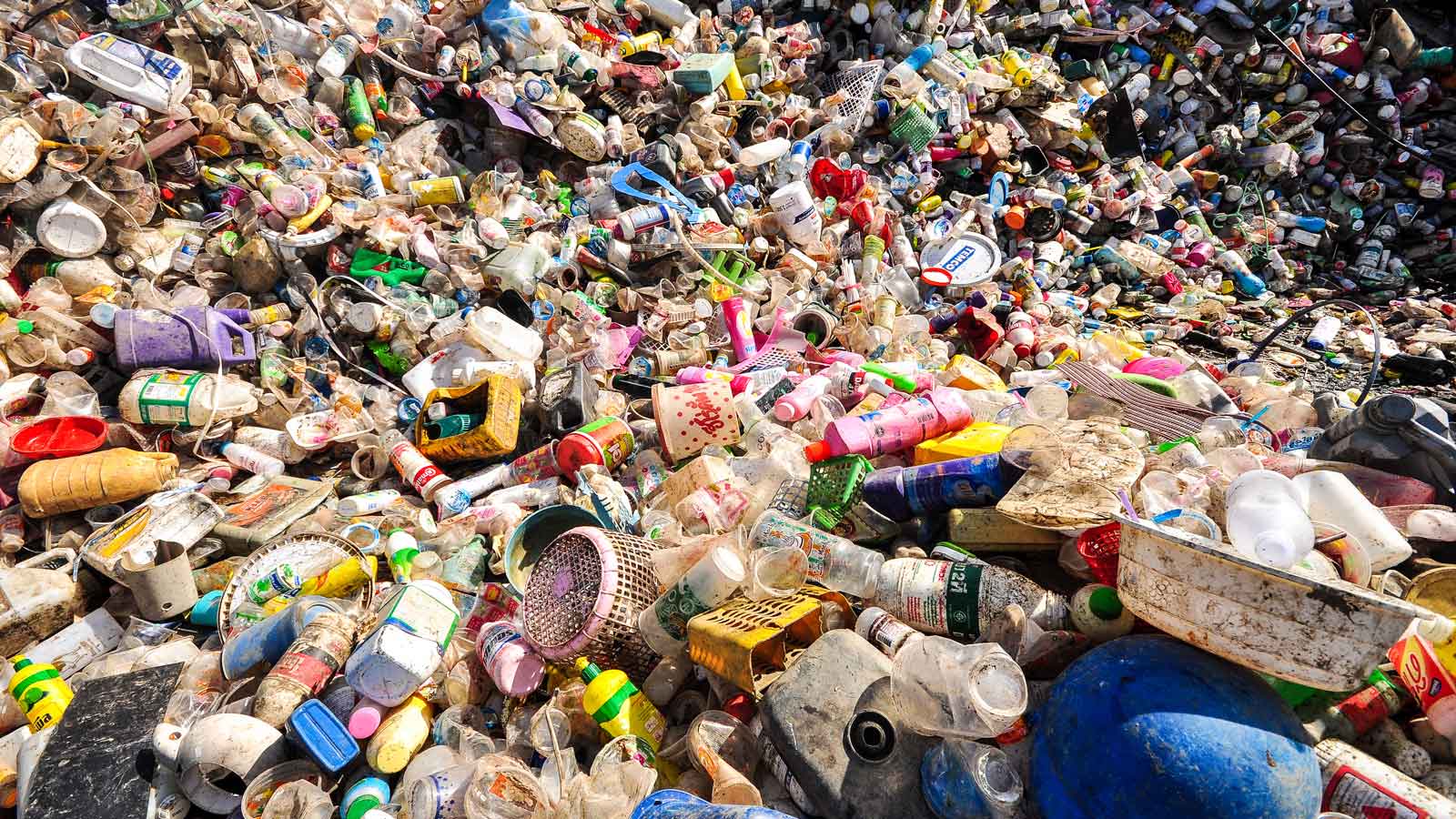
Canada’s 2025–2026 compostable packaging rules require suppliers to comply with ASTM/EN standards, PFAS-free formulations, bilingual labeling, and expanding provincial EPR systems. Bagasse and cornstarch packaging manufacturers must provide certification, documentation, and clear disposal instructions to access Canada’s foodservice and retail markets.
Canada is entering a decisive phase in its national transition toward sustainable food-service packaging. With the government enforcing new bans under the Single-Use Plastics Prohibition Regulations (SUPPR) and accelerating Extended Producer Responsibility (EPR) programs across provinces, compostable packaging is no longer optional—it is a compliance requirement for food brands, distributors, manufacturers, and importers moving products into the Canadian market.
This guide provides a complete, 2025–2026-ready overview of how compostable packaging is certified in Canada, what standards are mandatory, how the provinces differ, and what suppliers of bagasse and cornstarch food packaging must do to remain compliant. It also includes practical insights for global export manufacturers, such as customization rules, labeling obligations, and performance expectations for hot and cold foods.

This article is tailored toward suppliers, food-service distributors, and B2B buyers evaluating compostable packaging options such as bagasse containers, cornstarch trays, CPLA cutlery, PLA cups, and molded-fiber bowls.
The Regulatory Landscape in Canada (2025–2026)
Canada’s sustainability roadmap is built on three main pillars:
Federal-level bans under SUPPR
Provincial-level EPR programs for packaging
Certification-based acceptance criteria for compostable materials
By 2026, every province will enforce strong traceability and verification rules for packaging, and compostable materials must follow approved standards. Mislabeling, greenwashing, or uncertified “biodegradable” claims will result in penalties.
Key Federal Drivers
1. Single-Use Plastics Prohibition Regulations (SUPPR)
SUPPR bans the manufacture, export, and sale of many conventional plastics, including bags, cutlery, stir sticks, straws, and certain food-service ware. While litigation temporarily delayed some portions, the long-term direction remains unchanged: Canada is phasing out non-recyclable plastics.
Compostable packaging—particularly PFAS-free bagasse and industrial-compostable bioplastics—is now a top replacement.
2. Compostability Requirements Under the Competition Act
In 2022–2024, Canada enforced anti-greenwashing provisions, requiring businesses to prove any environmental claims with scientific evidence.
From 2025 onward, packaging labeled as “compostable” must:
Meet a recognized standard (such as ASTM D6400, ASTM D6868, EN13432)
Identify its composting environment (home or industrial)
Avoid misleading general claims like “eco-friendly,” “biodegradable,” or “green”
For global exporters, this means documentation is not optional—Canadian authorities require proof upon request.
Why Compostable Certification Matters in Canada
Compostable packaging is widely accepted only when it meets:
Canadian municipal composting facility requirements
Clear labeling of disposal methods
Scientific validation of breakdown performance
PFAS-free composition (increasingly required after 2025)
Bagasse and cornstarch manufacturers must upgrade documentation, testing, and labeling if they want to enter distribution channels, supermarkets, food chains, hospitals, universities, and government-run facilities.
Certification Enables:
Regulatory compliance
Access to institutional procurement
Supply to franchise chains with ESG goals
Reduced landfill contributions
Alignment with federal and provincial EPR targets
Compostable Certification Standards Accepted in Canada
Canada does not operate a single national certification body like Europe’s EN13432 marking system. Instead, it accepts multiple international standards, as long as scientific evidence is provided.
1. ASTM D6400 (Industrial Composting Standard)
This is the most widely accepted standard for compostable bags, films, and bioplastic items. It verifies:
90% biodegradation within 180 days
Proper disintegration during composting
No toxic residue
Safe plant growth impacts
Food packaging made from PLA, CPLA, or cornstarch blends typically tests under this standard.
2. ASTM D6868 (Compostable Coatings & Lined Packaging)
This applies to paper-based items with compostable coatings, such as:
Bagasse bowls with PLA interior lining
Paper cups using compostable coatings
Paper-laminated takeout containers
Manufacturers exporting to Canada must ensure the coating complies—not just the base material.
3. EN13432 (European Industrial Composting Standard)
Widely recognized in Canadian provinces, EN13432 validates:
Disintegration
Biodegradation
Ecotoxicity
Chemical composition
Bagasse containers and molded fiber often meet EN13432 due to their natural fiber composition.
4. BNQ (Bureau de Normalisation du Québec)
Québec uses its own certification for compostable plastics, aligned with ASTM standards but administered locally.
BNQ certification is particularly important when selling into:
Montréal
Québec City
Provincial food-service distributors
5. Home Compost Standards (AS 5810 or TÜV OK Home)
Very few products qualify for home compost certification due to lower processing temperatures.
Bagasse has potential to meet home compost criteria in controlled tests, but cornstarch bioplastics rarely qualify.
How Canadian Provinces Manage Compostable Packaging
Different provinces operate independent EPR systems and composting infrastructures. This means manufacturers must prepare multi-regional compatibility.
British Columbia (BC)
BC’s Recycle BC extended producer system is one of the most advanced in North America. By 2026:
Compostable packaging must be clearly distinguishable
PFAS-free certification is prioritized
Contamination of compost streams is heavily penalized
Bagasse molded fiber performs well in BC due to widespread acceptance by commercial composters.
Ontario (ON)
Ontario is transitioning to full EPR for packaging by 2026.
Key requirements by major composters:
Industrial-compost certified items only
Coated paper items must use certified compostable coatings
Cutlery must be certified to ASTM D6400
Cornstarch cutlery is widely accepted if certified.
Québec (QC)
Québec imposes strict labeling, requiring:
Bilingual disclosure (EN/FR)
Compostability standards listed on packaging
Proof of conformity provided to BNQ when requested
Bio-based molded fiber—bagasse—is widely accepted province-wide.
Alberta, Manitoba, Atlantic Provinces
Many regions accept industrial compostable food packaging ONLY if it breaks down fully without contaminating organic waste streams.
For manufacturers, the rule is simple:
→ If your product breaks down in 90–180 days and is PFAS-free, you are safe for nearly all provinces.
Performance Expectations for Compostable Food Packaging in Canada
Canada’s food industry spans extreme climate conditions—from hot summer takeout to freezing winter delivery. Packaging must meet performance standards beyond compostability.
Heat Resistance
Bagasse naturally withstands:
90–120°C hot foods
Oven reheating up to 150°C
Microwave heating
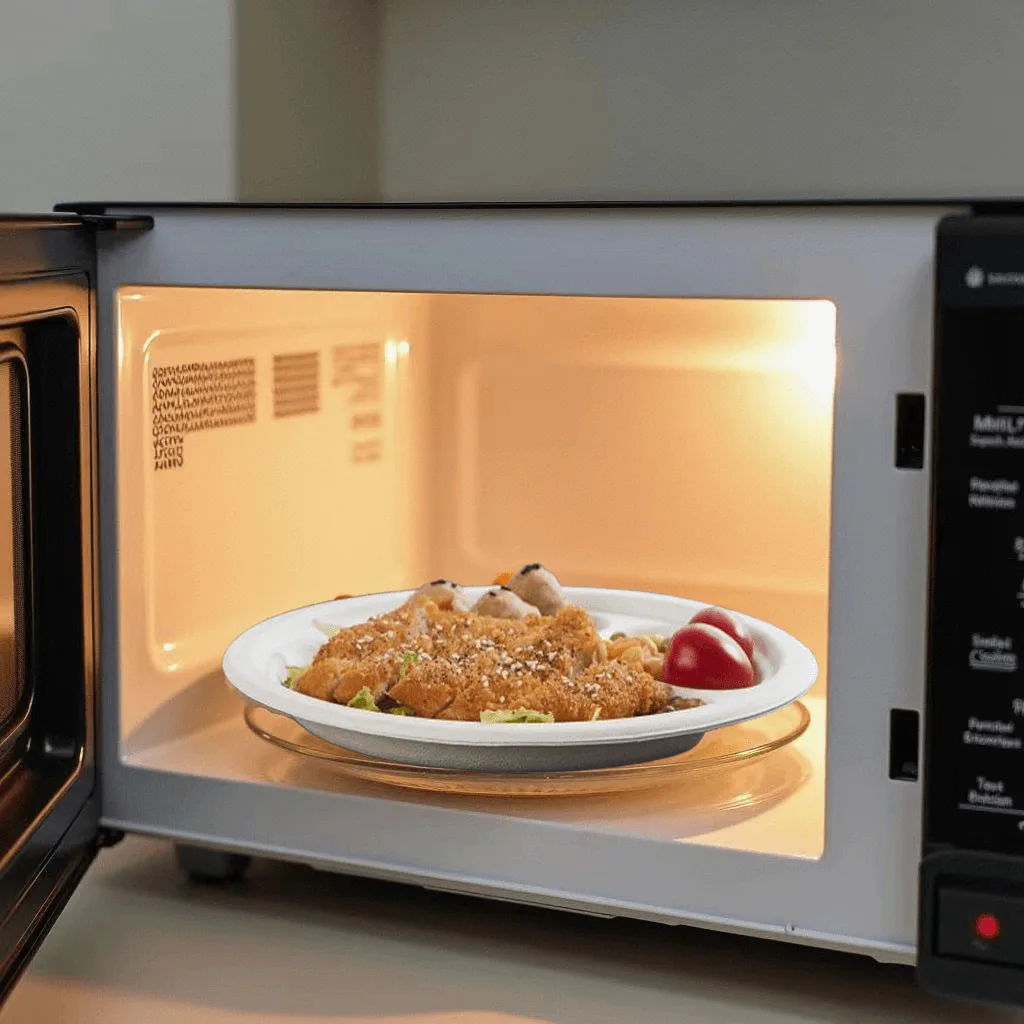
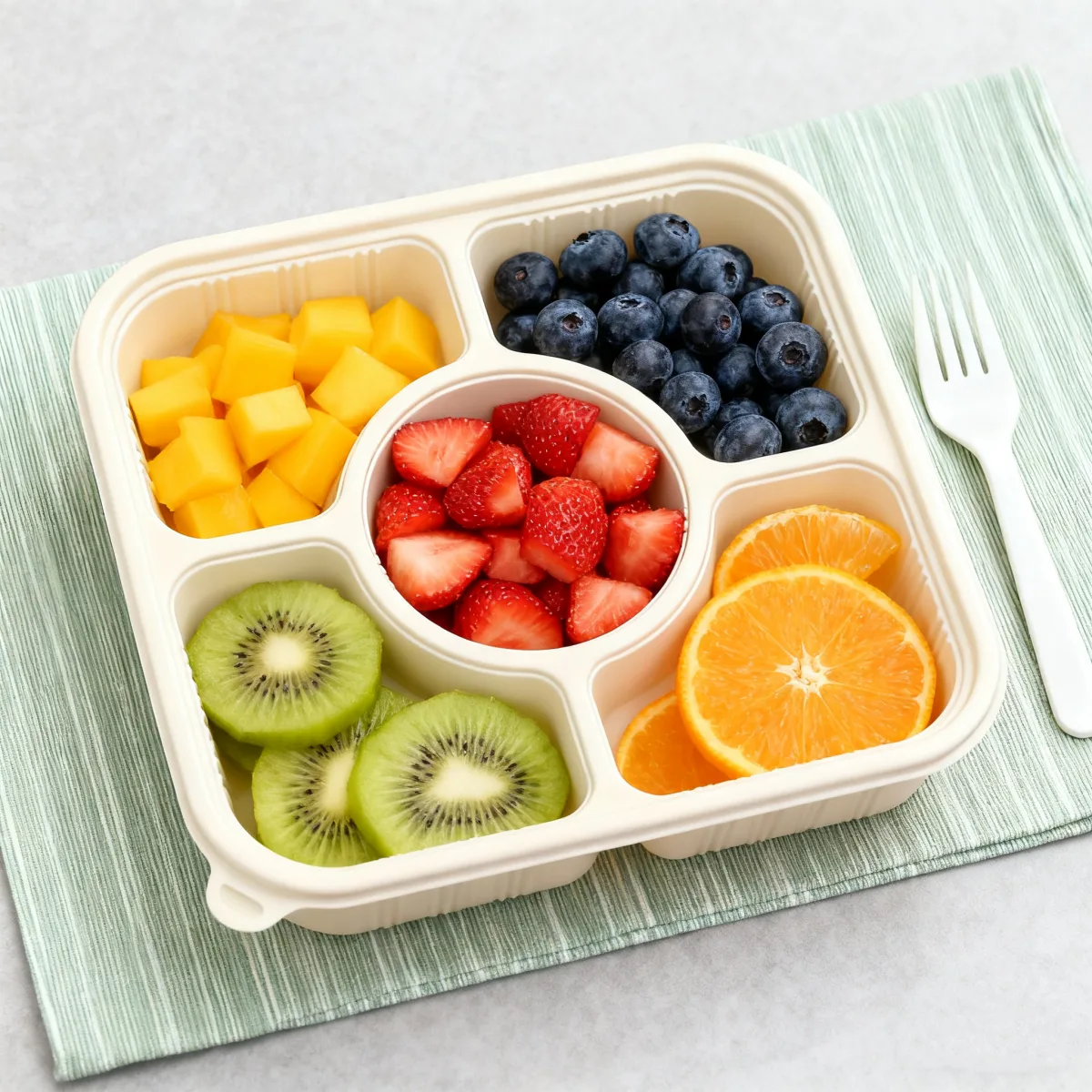
Cornstarch packaging generally holds up to 65–75°C and is best for:
Salads
Bakery
Cold or warm foods
Low-oil meals
Oil Resistance
PFAS-free oil resistance is becoming mandatory. Bagasse fiber can be engineered with PFAS-free coatings to meet Canadian requirements.
Structural Strength
Bagasse molded fiber performs exceptionally well for:
Large portions
Heavy sauces
Long-distance delivery
Cornstarch performs best for:
Lightweight meals
Cafeteria programs
Dessert packaging
Cutlery
Bioleader®: Compliance-Ready Export Solutions for Canada
Bioleader® has positioned its production system to meet Canada’s compostable packaging requirements for 2025–2026. As a global manufacturer supplying bagasse, cornstarch, CPLA, and PLA products, Bioleader® offers:
Industrial-compostable cornstarch food packaging
CPLA cutlery certified to ASTM D6400
PLA cups and lids for cold beverages
Fully documented compliance packs (MSDS, test reports, certifications)
OEM/ODM customization for Canadian distributors
By using multi-standard certification (ASTM, EN, ISO), Bioleader® enables Canadian importers to reduce compliance risk and accelerate product approvals across provinces.
Labeling Rules Required for Compostable Packaging in Canada
Correct labeling is mandatory in 2025–2026. Canada treats mislabeling as a violation under the Competition Act and provincial EPR regulations.
To enter retail, food-service distribution, or institutional procurement, packaging must follow three mandatory labeling rules:
1. Identification of Compostability Standard
Suppliers must list:
ASTM D6400
ASTM D6868
EN13432
BNQ certification
Brands must avoid vague labels such as “eco”, “biodegradable”, “earth-friendly”, or “green packaging”.
Canada requires specific, scientific, verifiable terminology.
2. Disposal Instruction (Home or Industrial Compost)
Clear statements must be printed or communicated:
“For industrial composting only”
“Not suitable for home composting”
“Commercial composting facilities may not exist in your area”
These statements protect retailers and suppliers from greenwashing liabilities.
3. Bilingual Labeling Requirement
All environmental claims must appear in English + French, especially for products sold in Québec.
For example:
Industrially Compostable – Compostable en installation industrielle
Certified to ASTM D6400 – Certifié selon ASTM D6400
This is a legal requirement for any national distributor.
Required Documentation for Importers and Manufacturers
Canada may request proof at the border or during audits. Suppliers must prepare:
Test reports (ASTM or EN standards)
Certificates from recognized laboratories
MSDS and full material composition breakdowns
PFAS-free test documents (increasingly requested after 2025)
Batch-level traceability records
Product drawings and technical sheets
Labeling proofs
Bioleader® prepares a full Compliance Pack for Canadian buyers, enabling frictionless entry across provinces.
How Bagasse & Cornstarch Packaging Perform Under Canadian Market Conditions
Canada’s operational environment—cold winters, long-distance delivery, and diverse cuisine—requires packaging fit for purpose.
Hot-Food Performance
Bagasse is the most widely accepted solution for:
Butter chicken
Noodle soups
Rice entrées
BBQ meals
Oily foods
Cornstarch packaging is structurally stable but softens above 70°C and is not suited for steaming or oily dishes.

Cold-Food & Retail Performance
Cornstarch excels in:
Salad bars
Fruit bowls
Bakery items
Yogurt and parfait sets
Ready-to-eat refrigerated meals
For Canadian supermarkets and convenience stores, cornstarch offers a clean, smooth appearance that supports branding.

How EPR Programs Evaluate Compostable Packaging in Canada
Canadian EPR systems place the burden of recycling and composting on:
Manufacturers
Importers
Brand owners
Retailers
Compostable packaging is accepted only if it:
Breaks down fully in municipal composting facilities
Is certified to approved standards
Uses clear labeling
Avoids contamination of compost streams
Does not contain PFAS or persistent chemicals
Bagasse consistently ranks high in EPR evaluations due to its natural fiber matrix and low-contamination profile.
Cornstarch is accepted when certified and properly labeled.
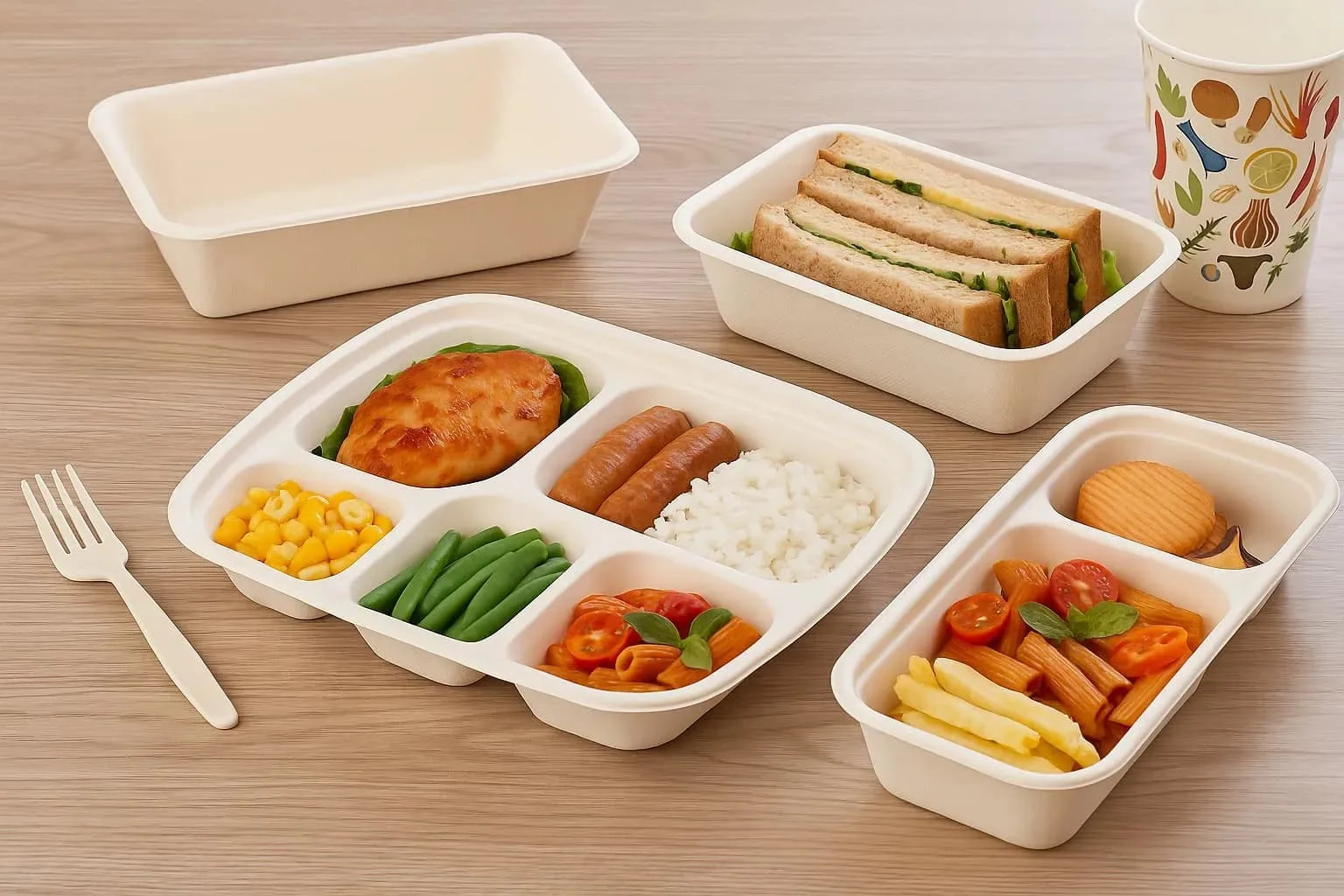
Province-by-Province Market Opportunities for Global Exporters
British Columbia
Preferred products:
PFAS-free molded fiber bowls
CPLA cutlery
PLA cold cups
The region has strong commercial composting facilities supporting industrial compostables.
Ontario
Retail-driven market favors:
Cornstarch utensils
Bagasse meal containers for delivery platforms such as Uber Eats
Large urban markets require consistent certification and bilingual labeling.
Québec
Importers must comply with:
BNQ compost certification
French labeling
Proof of compostability
Bagasse is widely accepted due to fiber-based construction.
Prairie Provinces & Atlantic Canada
Foodservice distributors prioritize:
Low-cost cornstarch solutions
High-performance bagasse containers for cafés and QSR chains
Interest is growing in PFAS-free molded fiber.
How Global Manufacturers Should Prepare for 2025–2026 Canadian Requirements
1. Upgrade to PFAS-free formulations
Bagasse can be made PFAS-free using natural coatings.
Cornstarch packaging must avoid fluorinated additives.
2. Meet dual-standard certification
Manufacturers should ensure products meet both:
ASTM D6400 or D6868
EN13432
This dual approach increases acceptance across provinces.
3. Ensure material traceability
Canada requests batch documentation more frequently due to EPR requirements.
4. Provide bilingual labeling options
Bioleader® already supports English/French packaging print templates for Canadian clients.
5. Offer customized documentation for importers
Canada prefers suppliers who provide:
Certificates
Test reports
Material declarations
Recycling/composting compatibility information
Bioleader®: A Certification-Ready Supplier for the Canadian Market
Bioleader® is a global manufacturer of PFAS-free compostable packaging, specializing in:
Bagasse takeout containers (bowls, clamshells, trays)
Cornstarch food packaging (rectangular boxes, trays)

For Canadian buyers, Bioleader® offers:
Full ASTM + EN certification packs
PFAS-free testing
Industrial compost compatibility verification
English/French label templates
OEM/ODM customization
Export-ready retail and foodservice solutions

Our production lines are designed to support the new SUPPR requirements and all major provincial EPR systems.
FAQ
1. What certifications are required for compostable packaging in Canada?
Canada accepts ASTM D6400, ASTM D6868, EN13432, and BNQ certifications. Packaging must include clear labeling and disposal instructions.
2. Is bagasse packaging fully accepted in Canadian composting facilities?
Yes. Bagasse is widely accepted across most provinces due to its natural fiber content and PFAS-free coating options.
3. Can cornstarch packaging be used for hot meals under Canadian regulations?
Cornstarch packaging is suitable for warm or cold foods, but it softens above 70°C and is not recommended for hot or oily meals.
4. Do Canadian provinces require bilingual labeling?
Yes. All compostable packaging must provide English and French labeling, especially for retail and Québec markets.
5. How do EPR laws affect compostable packaging suppliers?
EPR laws require suppliers to provide certification, traceability, accurate labeling, and packaging that matches municipal composting capabilities.
References
“Compostability Standards and Industrial Composting” — Ellen MacArthur Foundation, 2024
“ASTM D6400 Requirements for Compostable Plastics” — ASTM International, 2023
“Canadian Composting Infrastructure Assessment Report” — Circular Innovation Council, 2024
“SUPPR Federal Regulatory Framework Overview” — Environment and Climate Change Canada, 2024
“BNQ Certification Guidelines for Compostable Plastics” — Bureau de Normalisation du Québec, 2023
“Extended Producer Responsibility Trends in North America” — Recycling Council of Ontario, 2024
“PFAS-Free Food Packaging Transition Guide” — Health Canada, 2024
“Municipal Compost Facility Standards & Acceptance Criteria” — Metro Vancouver Zero Waste Center, 2024
Canada’s Compostable Packaging Landscape: Key Insights for 2025–2026
Why Canada is tightening compostable packaging standards:
Canada’s national shift toward circular economy goals is accelerating under SUPPR, Competition Act green-claim rules, and expanding provincial EPR frameworks. Compostable packaging is only accepted when verified through scientific standards, meaning “biodegradable” is no longer a legally acceptable claim without proof.
What certification now represents for suppliers:
ASTM D6400, ASTM D6868, EN13432, and BNQ certifications act as a compliance passport. These certifications validate biodegradation, disintegration, and safety in commercial composting conditions—requirements foodservice suppliers must meet before entering retail, institutional, and municipal procurement programs.
How bagasse and cornstarch packaging differ in compliance:
Bagasse naturally meets fiber-based moldability, PFAS-free coating compatibility, and high-temperature tolerance, making it aligned with provincial composting facilities. Cornstarch packaging performs best when used for cold or warm foods and requires industrial composting under most provincial rules, especially where municipalities limit bioplastic processing.
Key considerations for exporters and manufacturers:
Suppliers entering Canada must prepare bilingual labeling, full documentation packs, PFAS-free test results, batch traceability, and disposal instructions. Understanding regional infrastructure differences—BC’s advanced composting, Ontario’s 2026 full EPR rollout, Québec’s BNQ standards—is essential for smooth market entry.
Emerging trends shaping 2026 and beyond:
Canada will favor high-performance fiber packaging for hot foods, enforce stricter green-claim accountability, and expand municipal composting capacity. Retail chains, QSR brands, and institutional buyers increasingly demand packaging with verifiable compliance, positioning certified bagasse and cornstarch packaging as core solutions.
Why suppliers must act now:
With national EPR deadlines approaching and SUPPR enforcement tightening, global manufacturers must align certification, labeling, documentation, and PFAS-free formulations ahead of 2026. Early compliance not only reduces market-entry friction but also establishes trust with Canadian distributors seeking long-term, regulation-ready packaging partners.
Copyright Notice:
© 2026 Bioleader®. If you wish to reproduce or reference this content, you must provide the original link and credit the source. Any unauthorized copying will be considered an infringement.