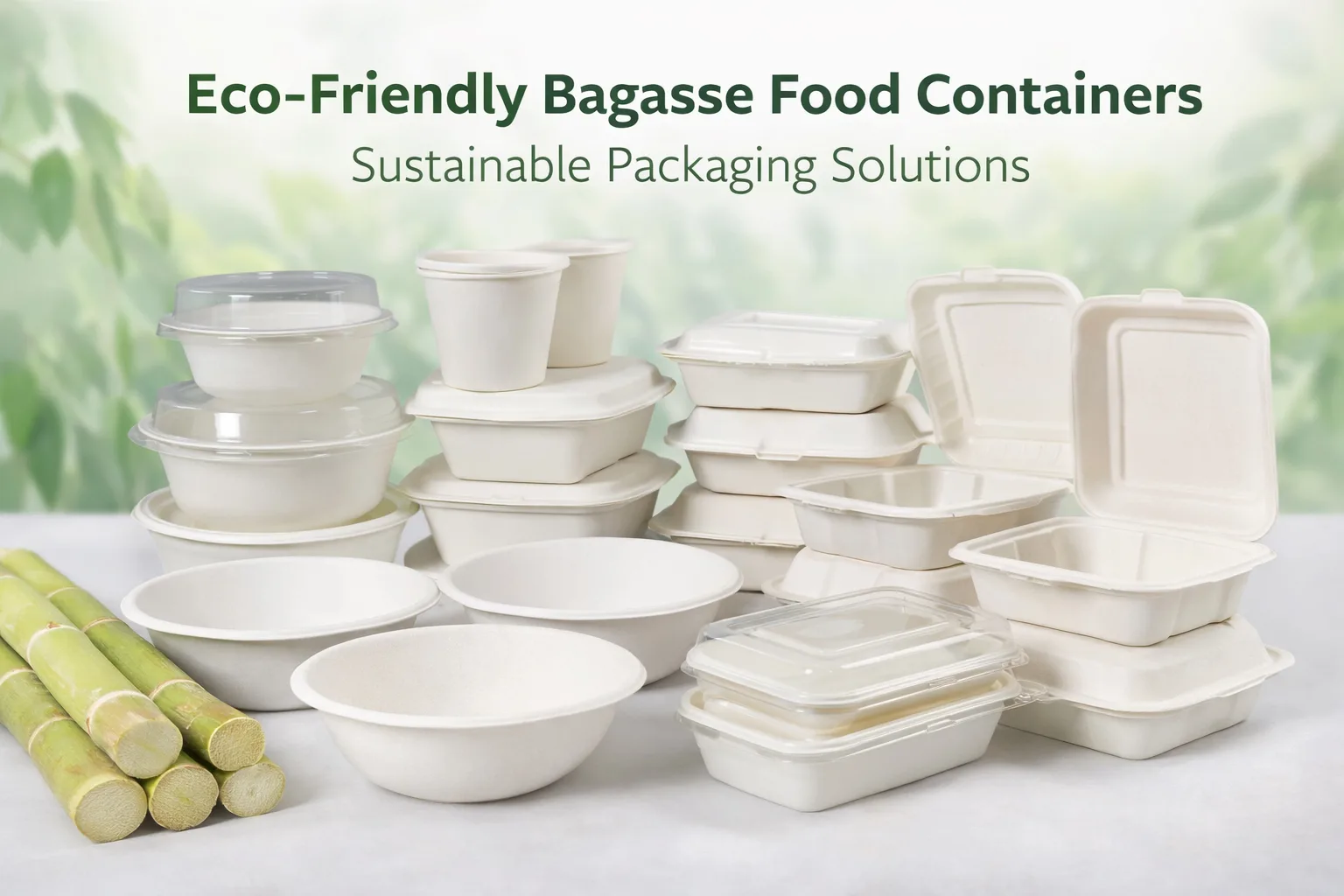
It offers renewable sourcing, compliance with plastic bans, and improved brand image for foodservice businesses.
Backed by real-world case studies from U.S. and China, this guide explains why eco-friendly cutlery is both an environmental necessity and a smart business strategy in 2025 and beyond.
Introduction: Why Your Choice of Cutlery Matters
In today’s age of climate awareness and plastic bans, even the smallest daily decisions—like choosing your disposable cutlery—carry enormous environmental weight. Traditional plastic utensils, often made from petroleum-based polymers, take hundreds of years to decompose and contribute heavily to land and ocean pollution.
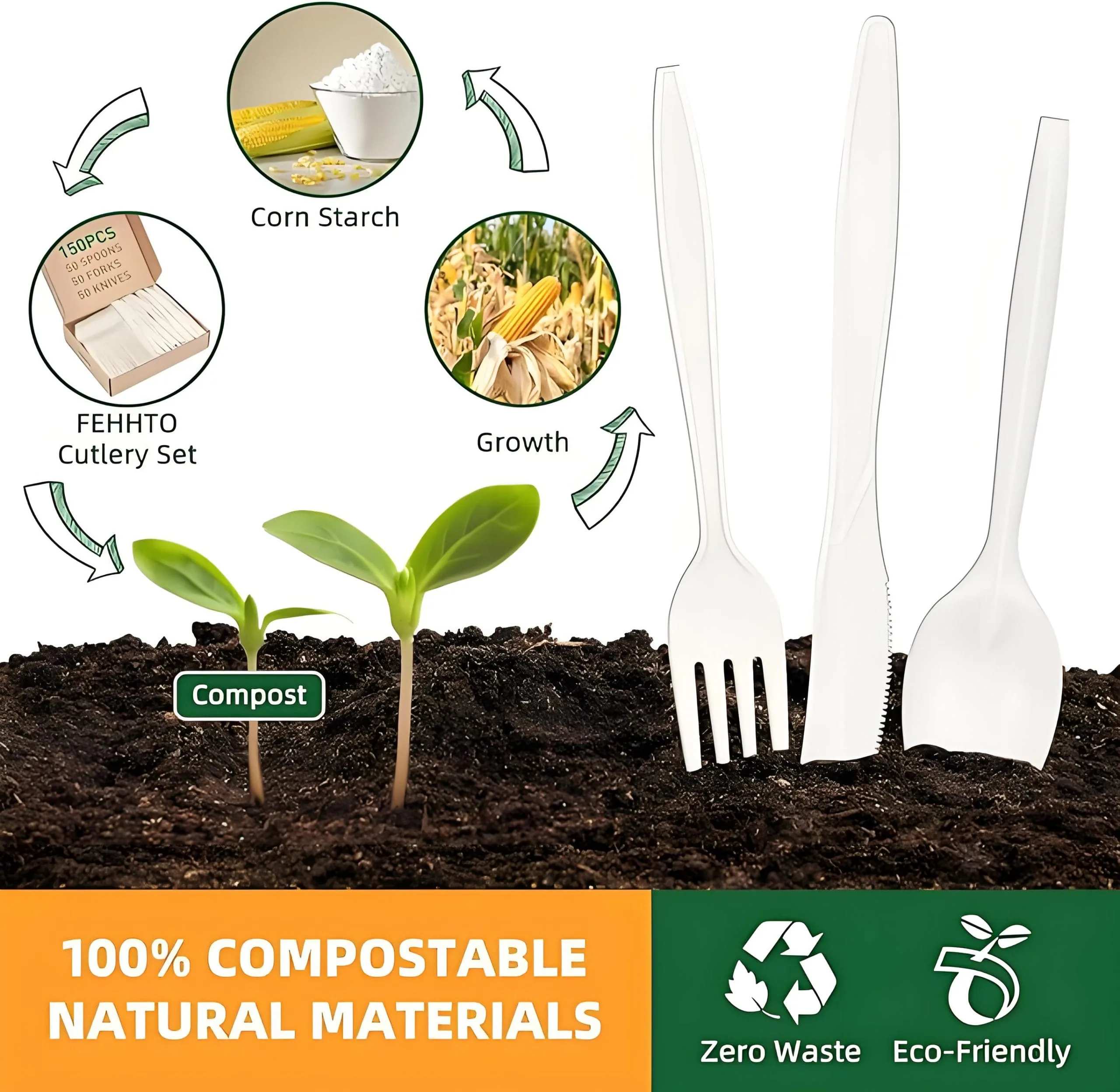
Biodegradable cutlery offers a future-forward alternative. Made from renewable resources such as cornstarch, sugarcane bagasse, and CPLA (crystalized PLA), it delivers the same convenience as plastic while reducing waste and carbon footprint.
This comprehensive guide will help you understand:
What biodegradable cutlery really means (vs. compostable and recyclable)
Its environmental, economic, and brand benefits
Key material comparisons and practical challenges
Two real-world customer success stories
How to choose and market sustainable utensils effectively
Let’s dive in.
1. Understanding the Terms: Biodegradable vs. Compostable vs. Recyclable
Before we explore materials and benefits, it’s important to clarify the commonly confused terms used in eco-packaging:
Biodegradable – Materials that can naturally break down into carbon dioxide, water, and biomass through the action of microorganisms, oxygen, and sunlight.
Compostable – A stricter subset of biodegradable materials. Compostable cutlery must decompose within a specific timeframe under controlled composting conditions (industrial or home) without leaving any toxic residue.
Recyclable – Materials that can be collected and reprocessed into new products. However, due to contamination from food residues, most plastic utensils fail to be effectively recycled.
In short: all compostable products are biodegradable, but not all biodegradable ones are compostable.
Understanding and communicating these differences builds trust with eco-conscious customers and ensures compliance with certifications like EN 13432, ASTM D6400, or BPI Compostable standards.
2. Six Key Benefits of Biodegradable Cutlery
2.1 Reduces Plastic Pollution
Plastic utensils are among the top single-use items found in ocean waste. Unlike plastic, biodegradable cutlery naturally decomposes into harmless organic matter, minimizing microplastic pollution and protecting marine life.
2.2 Made from Renewable, Plant-Based Resources
Biodegradable utensils are derived from agricultural byproducts and renewable crops such as:
Cornstarch or PLA (Polylactic Acid) – made through the fermentation of cornstarch sugars
Bagasse (sugarcane fiber) – a leftover from sugar production
Bamboo or Wood Fiber – fast-growing, renewable sources
These plant-based materials reduce dependence on fossil fuels and offer a sustainable production cycle.
2.3 Complies with Global Plastic Ban Policies
From the EU and Canada to several U.S. states and Asian cities, legislation is restricting or banning single-use plastics. Switching to certified biodegradable cutlery prepares businesses for compliance, avoiding future penalties and reputational risks.
2.4 Builds a Positive, Eco-Friendly Brand Image
For restaurants, cafés, and catering services, using biodegradable utensils communicates strong environmental responsibility. Consumers increasingly prefer brands that align with sustainability and ethical values.
2.5 Differentiates You in a Competitive Market
Green innovation is a proven market differentiator. Businesses that switch early to biodegradable packaging are often seen as pioneers, attracting loyal, eco-conscious customers and potential investors.
2.6 Long-Term Value and ROI
While unit costs may initially seem higher, the long-term benefits—brand reputation, policy compliance, customer retention, and reduced waste disposal costs—outweigh short-term expenses.
3. Material Comparison: What’s Inside Biodegradable Cutlery?
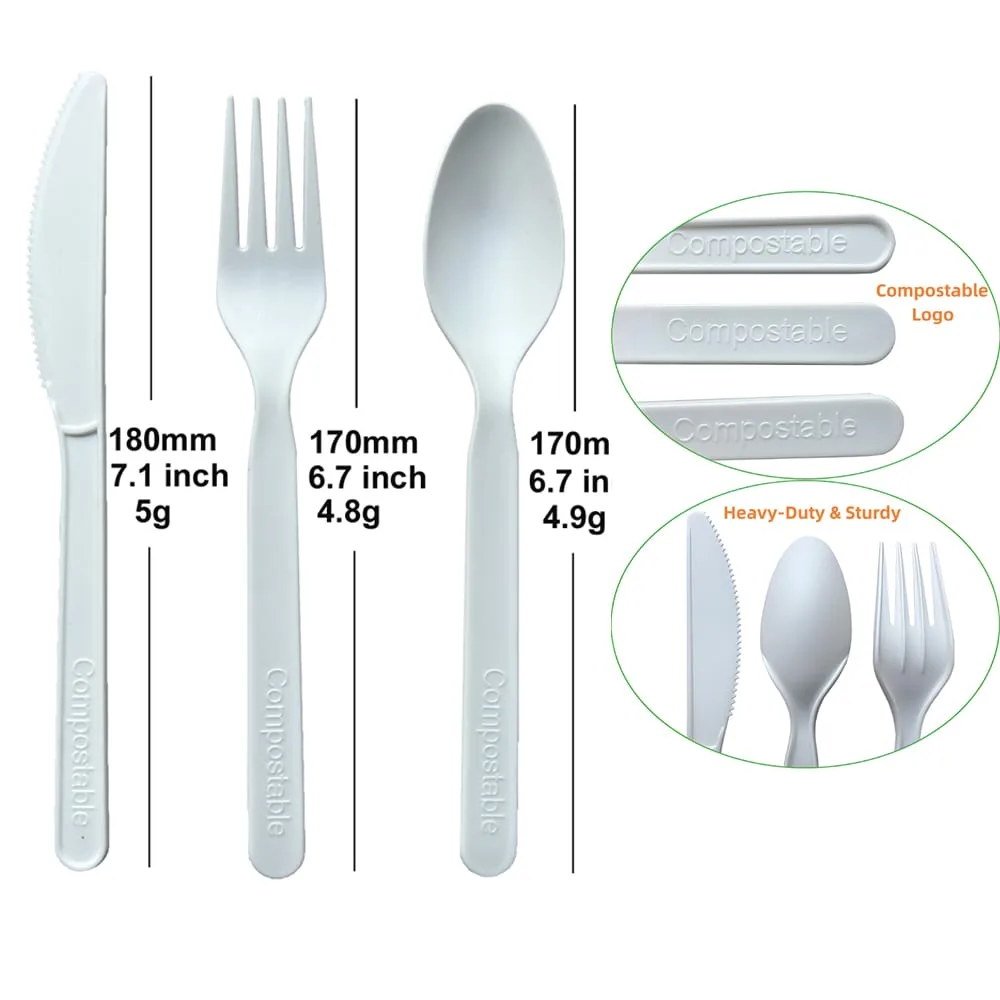
Not all biodegradable utensils are the same. Each material has unique strengths, limitations, and best-use scenarios.
| Material Type | Main Ingredients | Heat Resistance | Advantages | Limitations |
|---|---|---|---|---|
| PLA (Polylactic Acid) | Corn starch, sugarcane, cassava | 60–70 °C | Transparent, smooth, food-safe | May deform with hot foods; industrial composting required |
| CPLA (Crystallized PLA) | Modified PLA with heat stabilizers | 90–95 °C | High heat resistance, strong, premium look | Slightly higher cost |
| Bagasse (Sugarcane Fiber) | Pulp from sugarcane waste | 100 °C+ | Strong, sturdy, compostable at home, natural matte texture | Slightly porous surface; requires moisture protection |
| Bamboo/Wood Fiber | Bamboo pulp, wood fibers | 80–100 °C | Natural aesthetic, reusable potential | Higher cost; texture may vary |
| PHA (Polyhydroxyalkanoate) | Bacterial fermentation of organic waste | 70–80 °C | Fully marine-degradable, next-gen bioplastic | Expensive; limited industrial scale |
When listing products online or in catalogs, provide verified test data such as tensile strength, heat tolerance, and decomposition time. This level of transparency is essential for B2B buyers and regulatory compliance.
4. Real-World Challenges and How to Solve Them
Even the most sustainable materials face market barriers. Here’s how leading suppliers overcome them.
| Challenge | Risk / Concern | Solution / Strategy |
|---|---|---|
| Limited composting infrastructure | Slow degradation if no composting facility | Educate customers on home composting; partner with local waste companies |
| Higher cost vs. plastic | Resistance from price-sensitive clients | Offer bulk discounts, bundle eco-kits, and highlight long-term savings |
| Customer doubts about “greenwashing” | Misleading eco claims harm credibility | Display third-party certifications, test results, and real product samples |
| Storage and moisture control | Exposure to humidity affects quality | Use moisture-resistant packaging and provide handling guidelines |
| User experience (texture, durability) | Customers used to rigid plastics | Improve ergonomics and surface finish; provide free samples to build confidence |
5. Case Studies: From Concept to Success
Case Study 1: “GreenBite” — A U.S. Healthy Takeout Brand
Background:
GreenBite, a West Coast healthy fast-food chain, wanted to reduce its environmental footprint and appeal to eco-minded consumers. Their challenge was finding cutlery durable enough for hot salads and rice bowls without compromising sustainability.
Solution:
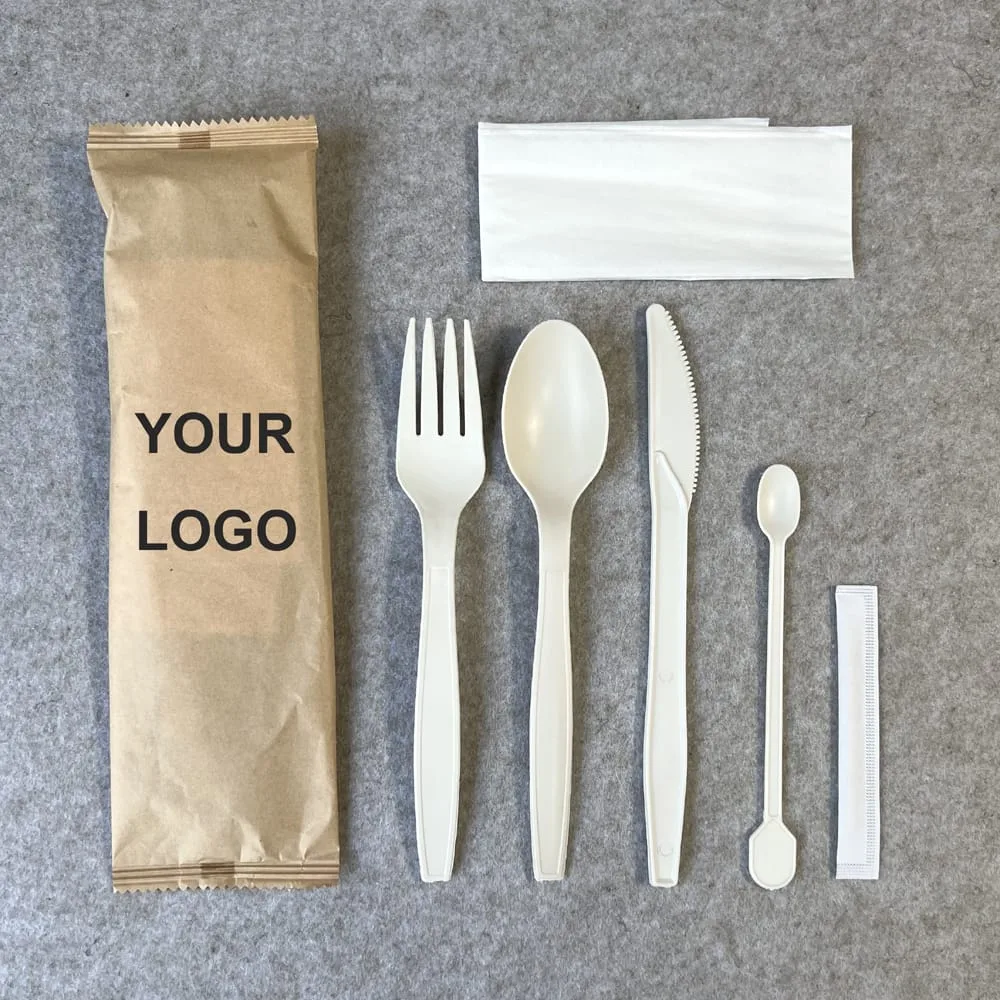
Bioleader collaborated with GreenBite to design a custom CPLA cutlery set (knife, fork, spoon, stirrer) that could withstand up to 90 °C. Each utensil carried ASTM D6400 certification and a visible “Compostable” logo.
The pilot launch rolled out across 20 stores in Los Angeles and San Francisco, including a consumer reward program—customers returning used cutlery for compost collection earned loyalty points.
Results:
Customer satisfaction improved by 12% in post-purchase surveys.
Online searches for “GreenBite eco packaging” increased by 18% month-over-month.
Packaging and logistics optimization cut procurement costs by 8% overall.
Several local media outlets featured the brand’s sustainable transformation, boosting brand recognition significantly.
Key Takeaways:
Start small: pilot before scaling to control costs and collect data.
Tie sustainability to marketing campaigns and consumer incentives.
Data-backed storytelling drives stronger PR and brand engagement.
Case Study 2: “Lijing Hotels Group” — China’s Luxury Hospitality Chain
Background:
Lijing Hotels, a high-end hospitality group with multiple 4- and 5-star properties, sought to eliminate all single-use plastics from dining and banquet operations. Their previous plastic cutlery conflicted with their luxury positioning and ESG goals.
Solution:
Bioleader supplied a custom bamboo and bagasse composite cutlery line, presented in premium recyclable kraft packaging. The hotel introduced the utensils in banquets, guest rooms, and buffet areas simultaneously.
A dedicated employee training module was implemented to help staff educate guests about composting, while QR codes on packaging linked to a short video demonstrating biodegradation in real conditions.
Results:
Guest feedback highlighted “eco-luxury detail” as a top satisfaction factor.
Website traffic to Lijing’s “Sustainability Commitments” page grew by 40%.
The group reduced single-use plastic procurement by 25% annually.
The initiative became a case study in their ESG report and attracted new corporate event clients prioritizing sustainability.
Key Takeaways:
Eco-friendly materials can complement luxury branding when designed elegantly.
Staff education and storytelling amplify customer perception.
Quantifiable data (CO₂ reduction, cost savings) strengthens ESG credibility.
6. Applications and Market Opportunities
6.1 Foodservice and Takeout
Biodegradable cutlery fits perfectly in restaurants, cafés, food trucks, and online delivery services aiming to comply with plastic bans and meet customer expectations for eco packaging.
6.2 Catering and Events
Event organizers are rapidly switching to compostable utensils for outdoor festivals, corporate catering, and weddings to minimize cleanup and waste disposal costs.
6.3 Institutional Dining
Schools, hospitals, and corporate cafeterias increasingly adopt bagasse and PLA cutlery for hygiene, compliance, and educational value—teaching sustainability by example.
6.4 Airlines and Transportation
Airlines, train caterers, and cruise operators integrate biodegradable utensils into inflight meal kits, aligning with net-zero and waste-reduction programs.
6.5 Retail and Gifting
Stylish biodegradable cutlery packaged in eco boxes makes excellent retail items or promotional gifts for sustainability campaigns.
7. Marketing Strategy for Biodegradable Cutlery
7.1 Optimize for Search and Education
To increase visibility and traffic:
Target keywords such as biodegradable cutlery, compostable utensils, eco friendly forks, CPLA cutlery manufacturer, sugarcane tableware, and eco packaging supplier.
Publish FAQs addressing common buyer questions:
How long does biodegradable cutlery take to decompose?
Can compostable utensils be used with hot foods?
What certifications should I look for?
Include visuals: real-use photos, composting process videos, and data charts.
Update content every 3–6 months with new legislation or customer case studies.
7.2 Build Credibility Through Data and Proof
Display recognized certificates (BPI, EN13432, OK Compost Industrial, etc.).
Add measurable environmental metrics: CO₂ saved, landfill waste reduced.
Use packaging with QR codes linking to sustainability pages or product specs.
7.3 Align Marketing with Brand Storytelling
Highlight your mission: “Plastic-free dining for a cleaner planet.”
Showcase your production lines, audits, and quality control to reinforce OEM/ODM capability.
Engage followers on social media platforms such as LinkedIn, Instagram, and WeChat with sustainability updates and client success stories.
8. Implementation Checklist for Businesses
| Stage | Action | Goal |
|---|---|---|
| Sample & Testing | Provide test kits to clients; show degradation proof | Build confidence |
| Pilot Launch | Roll out in select outlets or regions | Gather feedback |
| Scale-Up Phase | Bulk production & distribution planning | Maintain consistency |
| Marketing Integration | Align campaigns, visuals, and labels | Boost awareness |
| After-Sales Support | Offer composting guides & staff training | Sustain customer loyalty |
9. Conclusion: Turning Green Choices into Real Business Value
Biodegradable disposable cutlery is no longer a trend—it’s a business imperative.
By transitioning from plastic to plant-based alternatives, companies can:
Strengthen ESG credibility and compliance with global plastic bans
Win consumer trust and positive brand reputation
Reduce carbon footprint and waste
Unlock long-term cost efficiency and partnership opportunities
The journey toward sustainability starts with one decision: choosing the right material partner.
Bioleader® continues to lead the way in manufacturing biodegradable and compostable tableware—including CPLA cutlery, cornstarch utensils, and bagasse fiber tableware—to help global foodservice brands meet 2025–2030 sustainability goals with certified, export-ready quality.
Because in the era of green transformation, the smallest switch—a spoon, a fork, a knife—can make the biggest difference.
Frequently Asked Questions about Biodegradable Cutlery
1. What is biodegradable cutlery made from?
It is typically made from renewable materials like cornstarch (PLA), sugarcane bagasse, bamboo fiber, or CPLA blends that fully decompose under composting conditions.
2. Is biodegradable cutlery safe for hot foods?
Yes. CPLA and bagasse cutlery can resist temperatures up to 90–100°C, making them suitable for soups, noodles, and other hot meals.
3. How long does it take to decompose?
Depending on composting facilities, most biodegradable cutlery breaks down within 90–180 days under industrial composting environments.
4. Can biodegradable utensils be used internationally?
Absolutely. Products with certifications like EN13432, ASTM D6400, or BPI Compostable are accepted across the U.S., EU, and other global markets.
5. Why should businesses switch to biodegradable cutlery?
It helps brands comply with plastic bans, enhance their sustainability image, attract eco-conscious consumers, and future-proof operations against upcoming environmental regulations.
Why Biodegradable Cutlery Matters: Insights, Trends, and Market Readiness
How it works: Biodegradable cutlery decomposes naturally through microbial action, turning into water, CO₂, and biomass instead of persistent plastic fragments. Certified materials like PLA, CPLA, and bagasse meet EN13432 and ASTM D6400 standards, ensuring safety and compostability.
Why it matters: With over 170 nations enforcing plastic reduction policies, biodegradable utensils are more than a product trend—they represent a global shift toward circular packaging. Businesses adopting them early gain compliance, brand reputation, and access to eco-conscious buyers.
What’s changing: Industrial composting infrastructure is expanding across the U.S., EU, and Asia-Pacific. Government incentives and consumer behavior are driving exponential growth in eco-packaging demand, particularly in food delivery, catering, and hospitality sectors.
Options for buyers: CPLA cutlery for high-heat food, cornstarch utensils for cold and dry meals, and bagasse-based options for full biodegradability. Leading manufacturers like Bioleader® offer OEM/ODM solutions with third-party certifications and bulk supply capabilities.
Key consideration: The future market will favor traceable, certified, and PFAS-free materials. Brands integrating biodegradable cutlery into their ESG narrative and digital labeling systems will be best positioned for 2026 plastic regulations and beyond.