Disposable cups have become integral to the food and beverage industry, driven by convenience, hygiene, branding opportunities, and sustainability concerns. For cafes, restaurants, and beverage brands, choosing the right type of disposable cup directly influences consumer experience, operational efficiency, and environmental impact. In this comprehensive guide, we’ll delve into various disposable cups by material, design, features, and discuss critical insights from industry experts, customer feedback, and real-world cases, helping your business make informed decisions.
Quick Summary: Types of Disposable Cups for Drinks
The main types of disposable cups include paper cups, PET cups, PP cups, and compostable PLA cups. Each material fits different drink applications, from hot coffee and tea to cold smoothies, bubble tea, iced coffee, juice, and event beverages.
Best use match: single-wall paper cups are economical for hot drinks with sleeves; double-wall and ripple-wall paper cups improve insulation; PET cups are ideal for clear cold drinks; PP cups support sealing applications; PLA cups suit cold beverages where industrial composting is available.
Buyer note: cup selection should consider drink temperature, lid compatibility, insulation, printing needs, recyclability or compostability claims, food-contact safety, local disposal infrastructure, and total packaging cost.
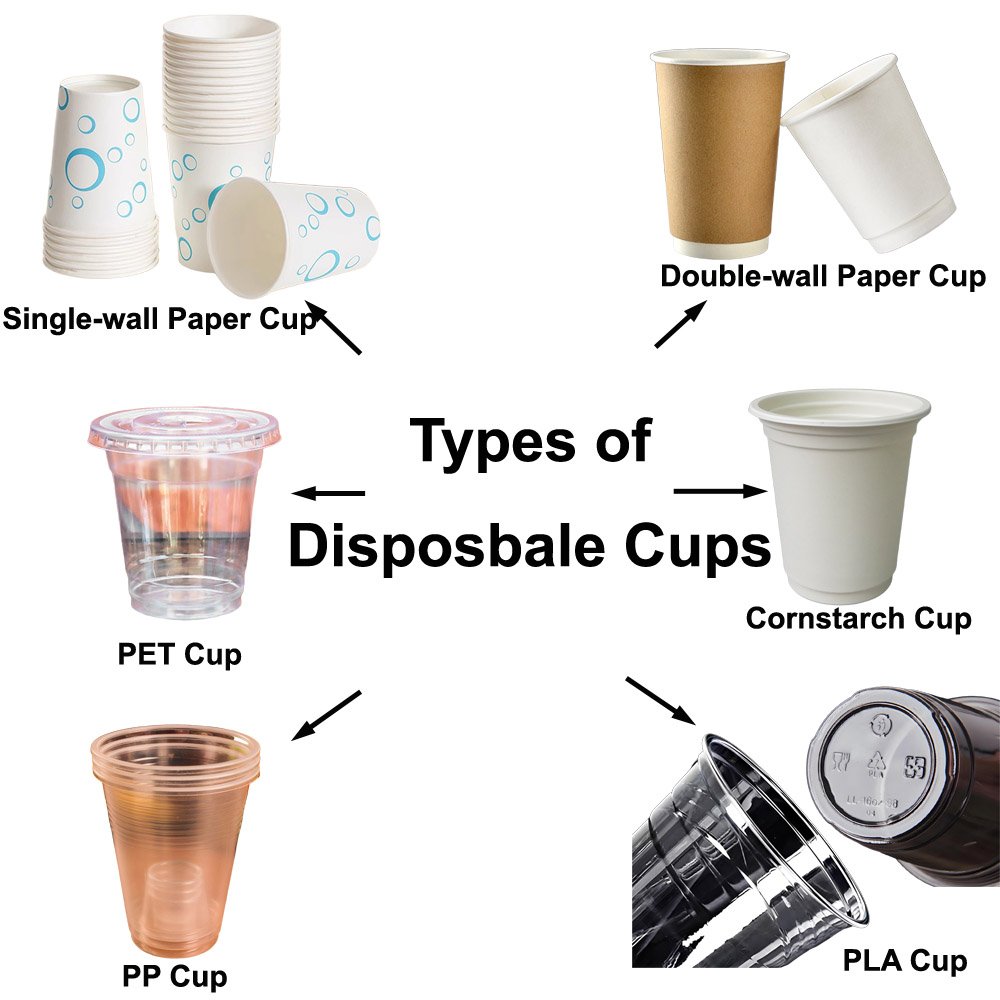
Understanding Disposable Cups: Material, Design, and Features
Disposable Cup Selection Matrix for Beverage Businesses
| Cup Type | Best For | Main Advantage | Buyer Note |
|---|---|---|---|
| Single-wall Paper Cups | Hot coffee, tea, office drinks, standard takeaway service | Economical, lightweight, easy to customize | Usually needs a sleeve or double-cupping for hot drinks. |
| Double-wall Paper Cups | Specialty coffee, premium cafés, hot drinks | Built-in insulation and better hand comfort | Higher cost but stronger user experience and brand perception. |
| Ripple-wall Paper Cups | Premium coffee, hotels, events, high-end takeaway drinks | Strong grip, premium texture, excellent insulation | Best when packaging appearance matters as much as function. |
| Cold Paper Cups | Soda, juice, iced drinks, festivals, cinemas | Condensation resistance and printable surface | Not suitable for hot drinks; coating affects recycling. |
| PET Cups | Smoothies, iced coffee, fruit tea, juice, desserts | High clarity and strong cold-drink presentation | Cold-use only; recycling depends on local collection systems. |
| PP Cups | Bubble tea, sealed drinks, takeaway beverages | Flexible, heat-sealable, cost-effective | Less clear than PET; recycling acceptance varies by market. |
| PLA Cups | Eco-focused cold drinks, events, cafés with composting programs | Plant-based and industrially compostable when certified | Requires industrial composting and should not be used for hot drinks. |
Paper Cups
Paper cups are popular due to their versatility, affordability, and ease of customization. The main types include:
1. Single-wall Paper Cups
Single-wall paper cups are simple, affordable, and commonly used for hot beverages like coffee or tea. They consist of a single paper layer coated internally with polyethylene (PE) or polylactic acid (PLA) to prevent leaks.
- Features: Economical, lightweight, customizable
- Usage Scenario: Hot beverages (with sleeves), cold beverages
- Considerations: Require additional insulation (sleeves or double-cupping) for hot beverages to avoid discomfort.
2. Double-wall Paper Cups
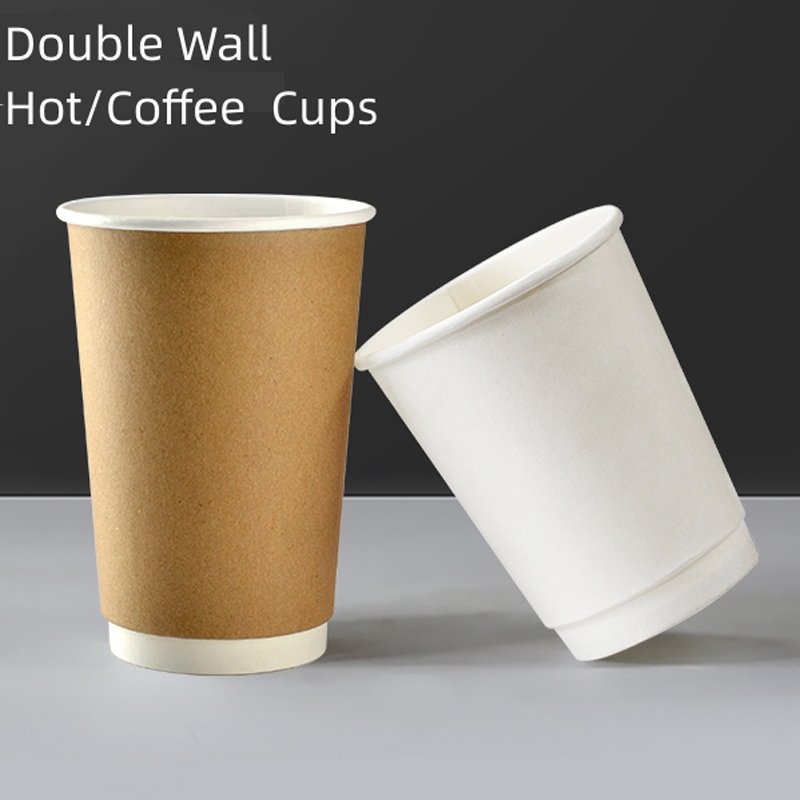
Double-wall paper cups have two layers of paper, often separated by an insulating air gap. This design provides superior insulation, making them suitable for hot drinks without the need for separate sleeves.
- Features: Better heat retention, comfortable handling, higher-end branding
- Usage Scenario: Specialty cafes, upscale events
- Considerations: Slightly more expensive than single-wall but offer improved user experience and brand perception.
3. Ripple-wall Paper Cups
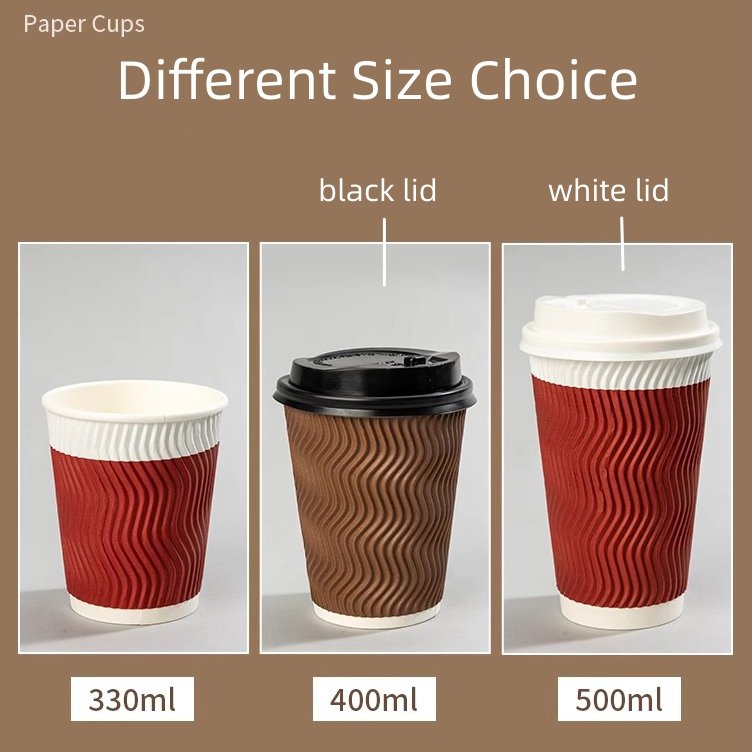
Ripple-wall cups feature a distinctive corrugated exterior, enhancing insulation and providing excellent grip and aesthetic appeal.
- Features: Premium appearance, excellent insulation, stronger grip
- Usage Scenario: Premium coffee brands, luxury hotels, special events
- Considerations: Higher cost but positively impacts brand perception and customer satisfaction.
4. Cold Paper Cups
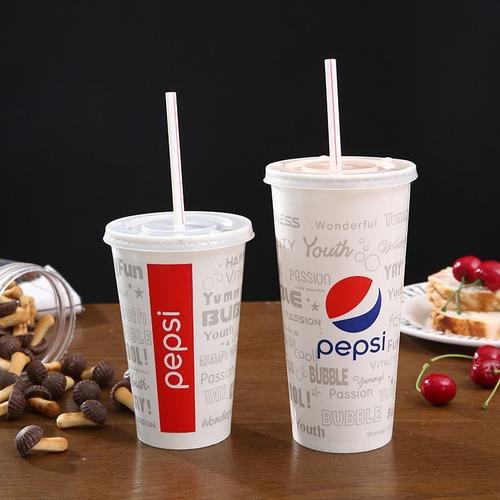
Specially designed paper cups treated with wax or heavier PE lining, ideal for cold beverages to resist moisture and condensation.
- Features: Durable, condensation-resistant, suitable for branding
- Usage Scenario: Fast-food outlets, cinemas, festivals
- Considerations: Not suitable for hot liquids; recycling can be complex due to wax or plastic coating.

Buyer caution: Paper cup recyclability or compostability depends on the inner lining, coating type, food contamination level, and local recycling or composting infrastructure.
Plastic Cups (PET and PP)
Plastic cups remain widely used, especially for cold drinks, due to their clarity and durability.
1. PET Cups
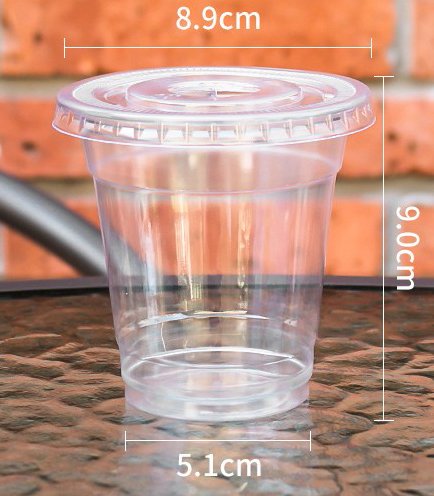
PET (Polyethylene Terephthalate) cups offer high transparency and rigidity, widely used to serve beverages where visual appeal matters, such as smoothies and iced coffees.
- Features: Transparent, strong, recyclable (category #1 plastics)
- Usage Scenario: Smoothie bars, juice shops, coffee chains
- Considerations: Can only be used with cold beverages; proper recycling facilities are essential to mitigate environmental impact.
2. PP Cups
Polypropylene (PP) cups provide a more flexible and economical option, preferred in settings requiring heat-sealing like bubble tea or cold coffee cups.
- Features: Flexible, heat-sealable, economical
- Usage Scenario: Bubble tea shops, takeaway restaurants, large-scale events
- Considerations: Limited transparency compared to PET; recyclability less widespread (#5 plastic).
 |  |
Compostable Plastic Cups (PLA and Cornstarch Cups)
PLA (Polylactic Acid) cups are compostable alternatives made from renewable resources, commonly cornstarch, offering businesses an eco-friendly branding opportunity.
- Features: Compostable under industrial conditions, renewable source, visually similar to traditional plastics
- Usage Scenario: Eco-conscious cafes, events with managed composting
- Considerations: Require specialized industrial composting facilities; improper disposal can negate their eco-friendly advantages.
Buyer caution: PLA cups are mainly designed for cold drinks. They should not be used for hot beverages, high-temperature storage, or long exposure to heat unless the supplier provides product-specific temperature guidance.

The following heat-resistance test video helps buyers compare how PET, PP, PLA, cornstarch, paper, and bagasse cups behave under different temperature conditions. It should be used as a practical reference together with supplier specifications and real drink testing.
Industry Trends and Expert Insights
Disposable cup choices today are increasingly influenced by sustainability pressures, consumer expectations, and regulatory environments.
Growing Sustainability Pressure
Recent industry reports have highlighted that effective disposable cup recycling remains limited in many markets due to mixed materials, food contamination, and a lack of appropriate collection and processing facilities. Roger Wright, a packaging expert at Biffa, labels disposable cups as a “perfect storm” of recycling challenges due to their multi-layered materials and contamination risks.
Governments are implementing initiatives such as the EU’s Single-Use Plastics Directive and the UK’s proposed “Latte Levy,” motivating businesses to find sustainable cup solutions.
Consumer Preferences and Brand Perception
According to Mintel, around 30% of consumers say environmental impact labels significantly influence purchasing decisions. Brands adopting sustainable materials like PLA or recyclable paper liners gain positive consumer perception, enhancing loyalty and market competitiveness.
Innovation in Cup Technology
Companies like Starbucks and McDonald’s invest in research to develop fully recyclable or compostable cups. Innovative technologies such as water-based linings for paper cups and improved PLA blends aim to revolutionize disposable cup sustainability.
Real-World Applications and Case Studies
Bioleader and Coffee Republic Partnership
Coffee Republic, a renowned British café chain, chose Bioleader’s double-wall paper cups, resulting in remarkable consumer feedback. Customers praised the cups for their beauty, superior insulation, no-leak reliability, and comfort without additional sleeves. This switch not only improved customer satisfaction but significantly reduced costs associated with separate insulation solutions, creating lasting brand loyalty and positive environmental impact.
Dunkin’s Successful Transition
Dunkin’, a global beverage brand, effectively replaced foam cups with double-wall paper cups. Clear communication about environmental benefits ensured consumer acceptance, leading to a successful transition that strengthened Dunkin’s sustainability credentials without compromising consumer convenience.
Scientific Data and Environmental Impact
Studies by the Food Packaging Forum indicate potential health concerns related to microplastics and chemical leaching from traditional plastic-lined cups, underscoring the importance of adopting safer materials like compostable PLA and water-based liners.
Life-cycle analyses demonstrate that while paper cups have a significant manufacturing footprint, they biodegrade faster, whereas plastic cups, though potentially recyclable, pose persistent pollution risks without proper disposal.
Key Takeaways for Choosing Disposable Cups
- Paper cups are best for hot beverages when insulation, branding, and cost balance are important.
- Double-wall and ripple-wall cups improve heat protection and customer comfort compared with single-wall cups.
- PET cups are the strongest choice for clear cold drink presentation, while PP cups are often used for sealed beverage applications.
- PLA cups are suitable for cold drinks and sustainability-focused programs, but they require industrial composting to deliver their environmental benefit.
- The best disposable cup is not defined by material alone; it depends on drink temperature, lid fit, disposal system, branding needs, and local regulations.
FAQ (Concise Answers)
Q1: What are the primary types of disposable cups?
- Paper (single-wall, double-wall, ripple), Plastic (PET, PP), Compostable (PLA-based).
Q2: Are paper cups recyclable or compostable?
- Regular paper cups are difficult to recycle due to plastic liners. PLA-lined paper cups are compostable industrially.
Q3: Are PLA cups genuinely compostable?
- Yes, but only in industrial composting facilities; they do not biodegrade in typical environments or home compost.
Q4: What’s the difference between single-wall and double-wall paper cups?
- Single-wall cups need additional insulation (sleeves) for hot beverages. Double-wall cups provide built-in insulation, eliminating extra sleeves.
Q5: Which are more eco-friendly: paper or plastic cups?
- Paper cups biodegrade quicker but have recycling challenges. Plastic cups are recyclable yet can persist as pollution. Eco-friendliness heavily depends on disposal management.
Q6: How can businesses reduce the environmental impact of disposable cups?
- Adopt compostable/recyclable cups, provide clear disposal bins, incentivize reusable cups, and educate consumers on proper disposal.
Conclusion
Choosing the right disposable cups requires considering consumer expectations, environmental impacts, regulatory pressures, and brand positioning. Businesses aiming to blend sustainability, functionality, and brand value will find double-wall or ripple-wall paper cups excellent for hot drinks, clear PET cups ideal for cold drinks, and compostable PLA cups beneficial when properly managed.
By thoughtfully selecting your disposable cups, you can elevate customer experience, ensure regulatory compliance, and demonstrate a tangible commitment to environmental sustainability, thus positively enhancing your brand’s image and market competitiveness.
References Source List:
- Roger Wright, Interplas Insights, “Disposable Cup Myths”: interplasinsights.com
- Mintel, “Eco-Friendly Packaging Trends”: mintel.com
- Dunkin’ Brands, “Farewell to Foam”: dunkindonuts.com
- Packaging Dive, “PLA Bioplastic Insights”: packagingdive.com
- House of Commons Environmental Audit Committee, “Disposable Coffee Cups Report”: parliament.uk
- Future Market Insights, “Disposable Cups Market Outlook”: futuremarketinsights.com
- Costa Coffee Cup Recycling Initiative: theguardian.com
- Pret A Manger Reusable Cup Initiative: thegrocer.co.uk
- Food Packaging Forum, “Microplastic Exposure from Cups”: foodpackagingforum.org
- American Forest & Paper Association: afandpa.org