
1. Why Takeaway Food Containers Fail in Real Delivery Scenarios
1.1 Delivery failure usually starts with a sourcing mismatch, not with a material name
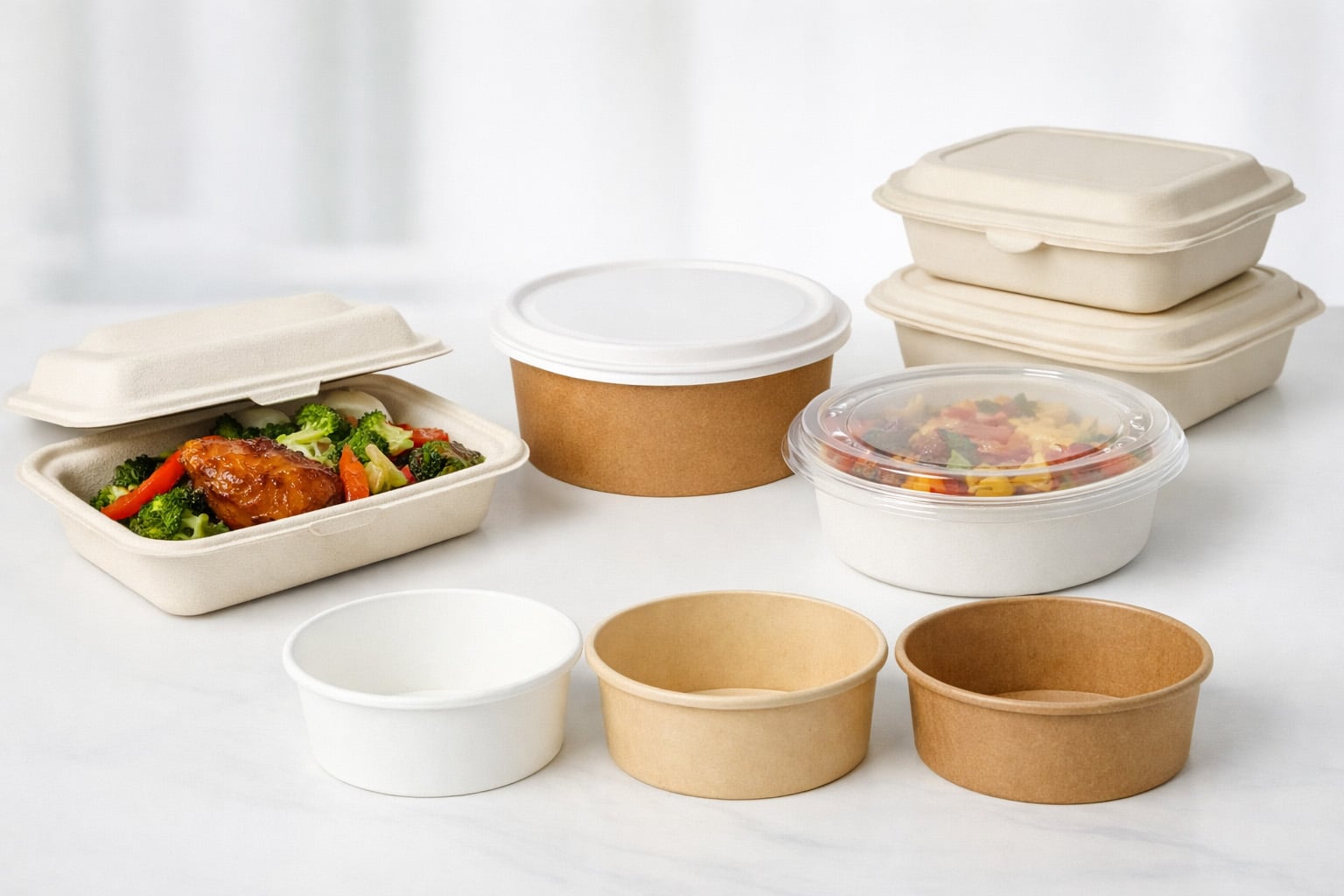
Many buyers still begin by comparing bagasse takeaway containers, paper food containers, and cornstarch takeaway containers as if the material itself automatically defines performance. In practice, that approach often leads to the wrong buying decision. A takeaway container usually fails not because its material category sounds weak, but because the selected product is not matched to the real use case. The same package may work well for one menu and fail quickly for another.
This is especially true in modern takeaway service, where food is no longer packed for one simple scenario. Some meals are hot and oily. Some are liquid-heavy. Some are sealed for longer delivery. Some are likely to be reheated by the end user after arrival. A container that is acceptable for one of these conditions may be unsuitable for another, even if both products are sold under the same broad material label.
Strong sourcing decisions begin with the application itself. Buyers should first define whether the food is hot, oily, sauce-heavy, liquid-based, or likely to be reheated later. They should also define how long the product must remain stable during transport and whether the container will be used mainly for short pickup service or for longer last-mile delivery. Once those factors are clear, the packaging conversation becomes much more useful. Until then, comparing prices and materials alone is often misleading.
From a supplier-evaluation perspective, one early sign of maturity is whether the supplier asks these questions before recommending a product. A supplier that immediately offers a catalog and quotation without confirming food scenario, lid requirement, or reheating expectation is often selling by product list, not by real takeaway packaging logic.
Bioleader Sourcing Note
Before asking for final quotations, prepare a short packaging brief that covers menu type, serving temperature, oil level, delivery duration, lid requirement, and whether the customer may reheat the meal after delivery. This single step improves supplier recommendations and reduces the risk of approving the wrong takeaway container for the right product concept.
1.2 Heat, steam, oil, and movement create compound stress
In real takeaway use, packaging does not fail because of one isolated variable. A container may appear strong when empty, yet perform poorly once hot food is packed inside, steam begins to build under the lid, oil collects around the rim, and delivery movement adds pressure to the closure system.
The actual delivery environment creates compound stress. Heat affects the structure. Steam increases internal moisture. Oil and sauces test the weak points of edges and sealing lines. Delivery movement and stacking test whether the container can retain its form after filling. These factors do not happen one by one. They happen together, which is why seemingly minor weaknesses can become real-world complaints once food leaves the kitchen.
A container that performs acceptably with dry rice may fail with curry. A box that looks secure in a showroom may loosen after thirty minutes of transport with oily food. A bowl that seems stable under short hot-fill use may be less reliable if reheating is expected later. In other words, takeaway packaging performance is not one-dimensional. It should be judged in the same combined conditions that the end customer will actually create.
This is also why buyers increasingly search by problem, not just by product name. Phrases such as leak-proof food containers, hot food takeaway containers, microwave-safe takeout containers, and food containers with lids for delivery all reflect the same reality: performance matters most when the food is packed, closed, moved, and used.
Bioleader Sourcing Note
Ask suppliers which menu families each product is actually designed for. A stronger supplier should be able to distinguish between products for hot meals, oily meals, soup or liquid-heavy foods, and microwave-oriented use instead of recommending the same takeaway packaging route for every application.
1.3 The real cost of a poor container is not the unit price
One of the most common mistakes in takeaway sourcing is to treat packaging as a simple cost line and then compare mainly on unit price. In reality, poor packaging often becomes expensive after launch. Leakage damages customer trust. Lid failure creates product complaints. Softening reduces handling confidence for staff. An unstable container can slow down the packing line, increase rejection during service, and create inconsistencies between locations or batches.
For takeaway brands and foodservice operators, the hidden cost of a poor container is not just replacement packaging. It is also customer refunds, negative reviews, delivery dissatisfaction, and internal inefficiency. When packaging does not behave consistently, it creates friction across the entire operation. This is why strong buyers increasingly evaluate containers by commercial reliability, not just by the quoted price per piece.
Good takeaway packaging procurement is not only about product purchase. It is also about risk control. A good supplier does not simply offer a lower price. It helps prevent avoidable packaging failure by matching the correct route to the actual food scenario.
Bioleader Sourcing Note
When comparing suppliers, do not ask only for the lowest price per unit. Ask which product route is expected to create the lowest complaint risk under your actual service conditions. This makes the comparison far more useful in real commercial decision-making.
2. What Actually Defines a High-Performance Takeaway Food Container
2.1 Leak resistance starts at the rim, not in the product brochure
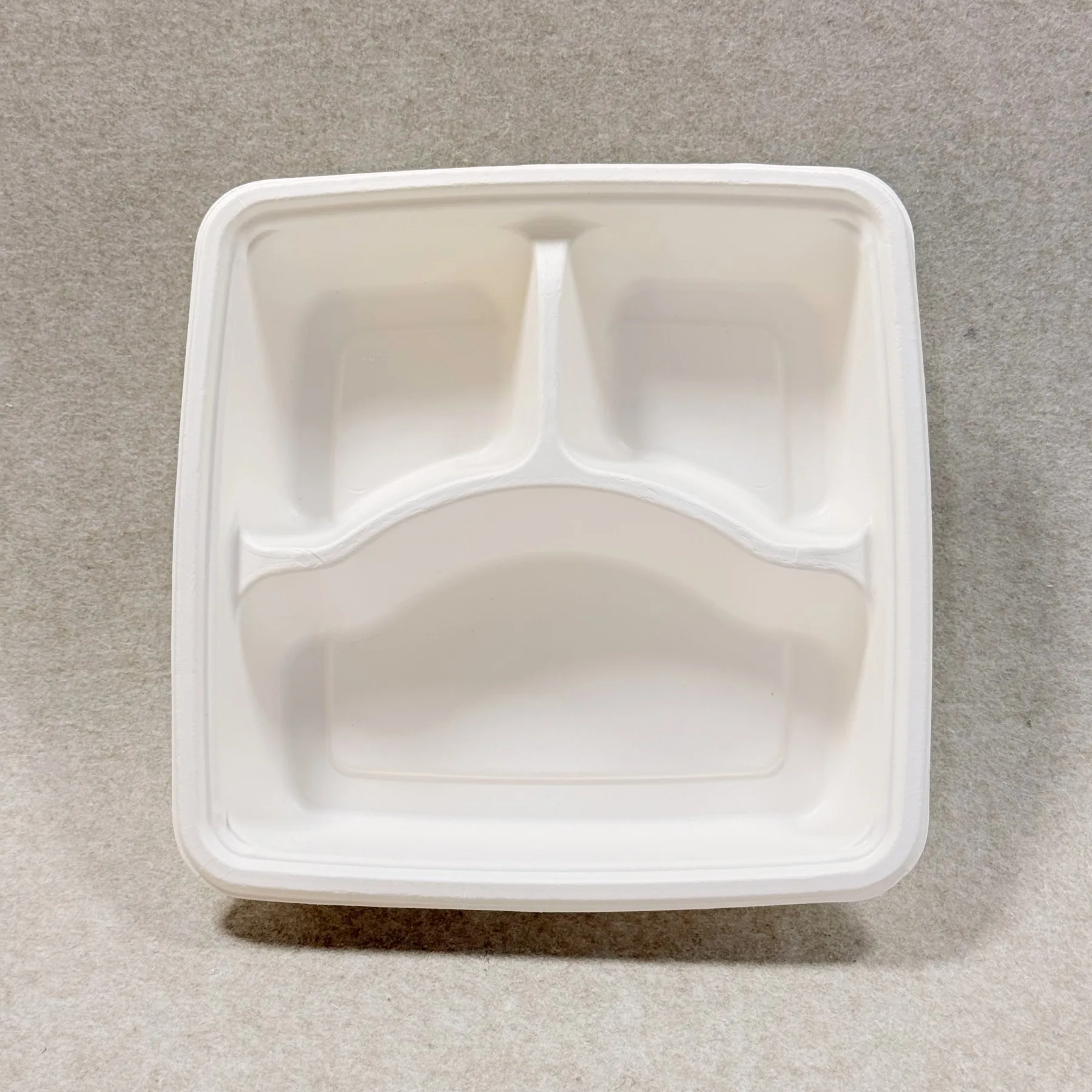 | 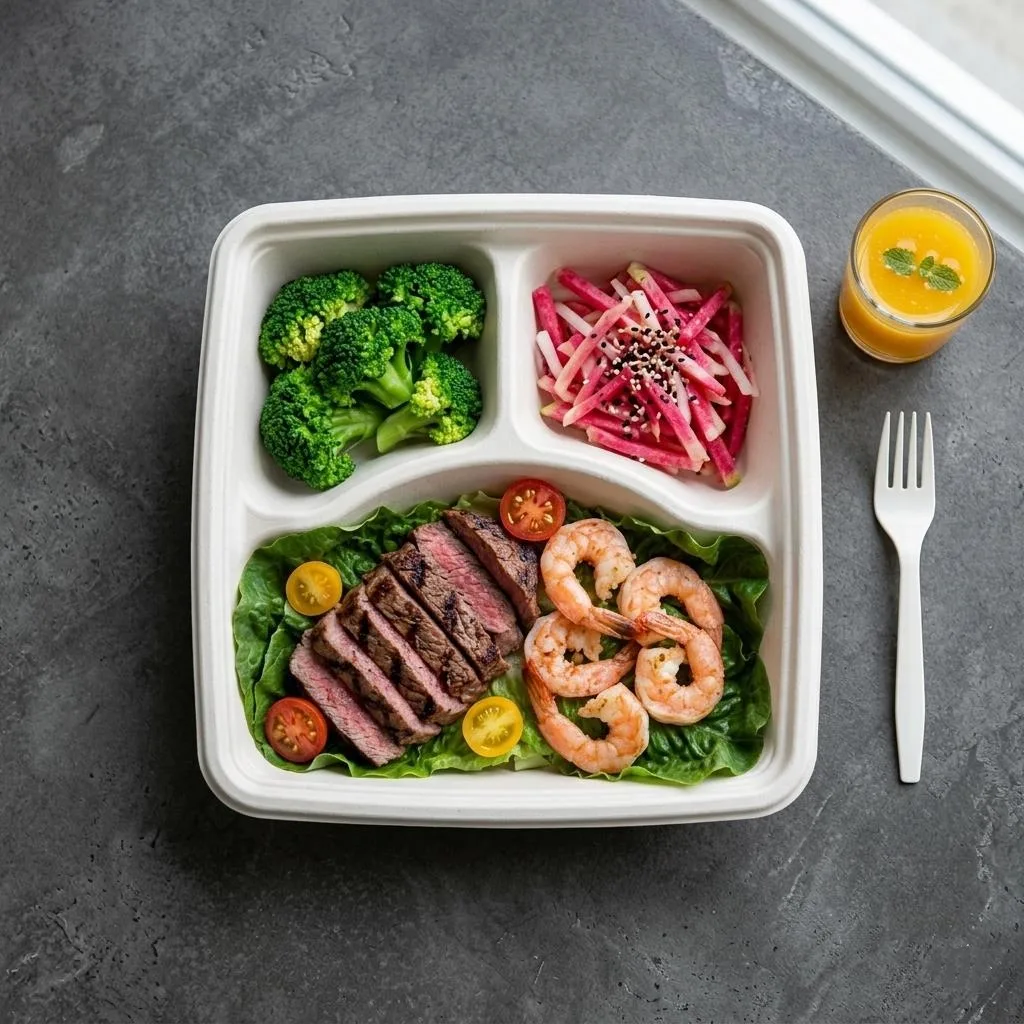 |
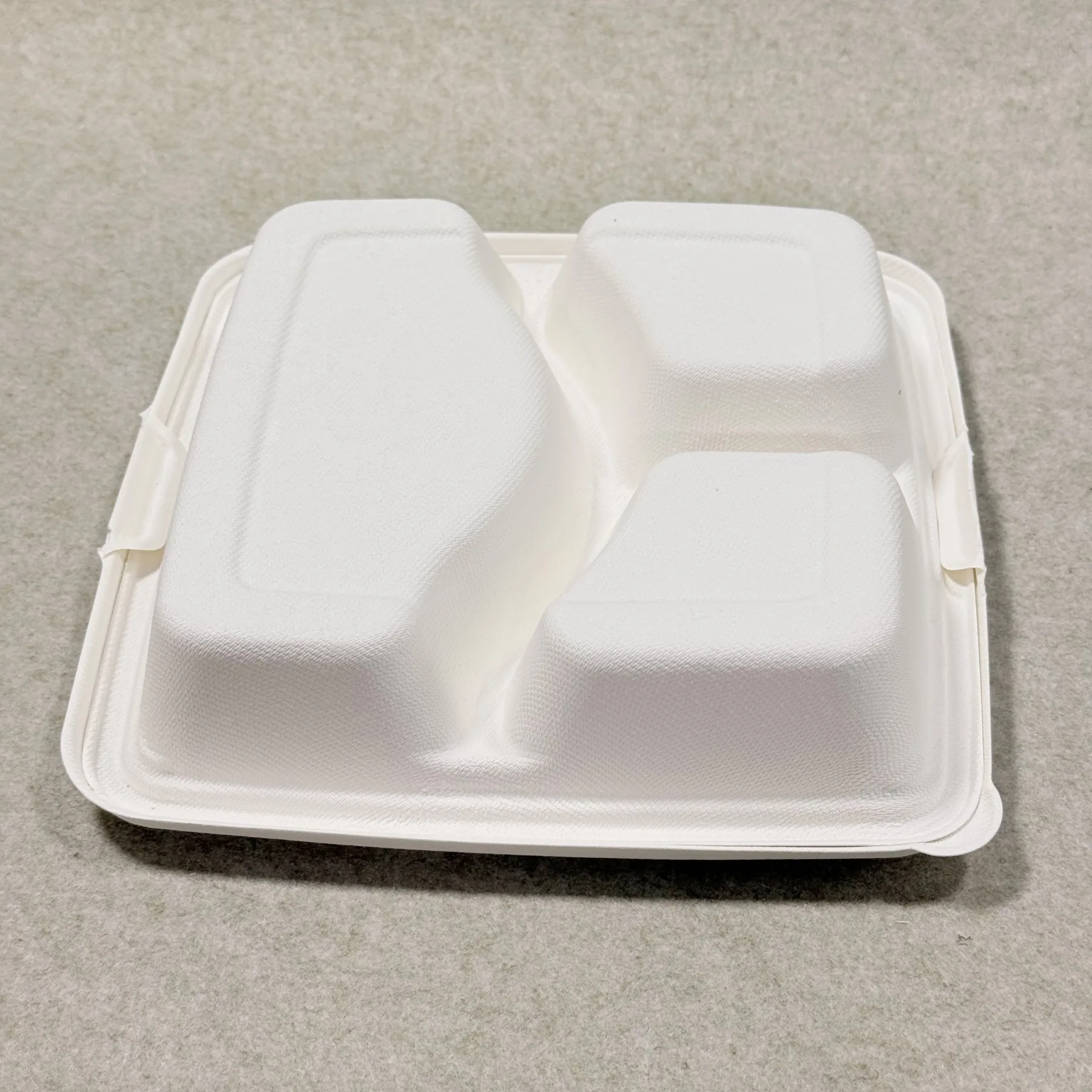
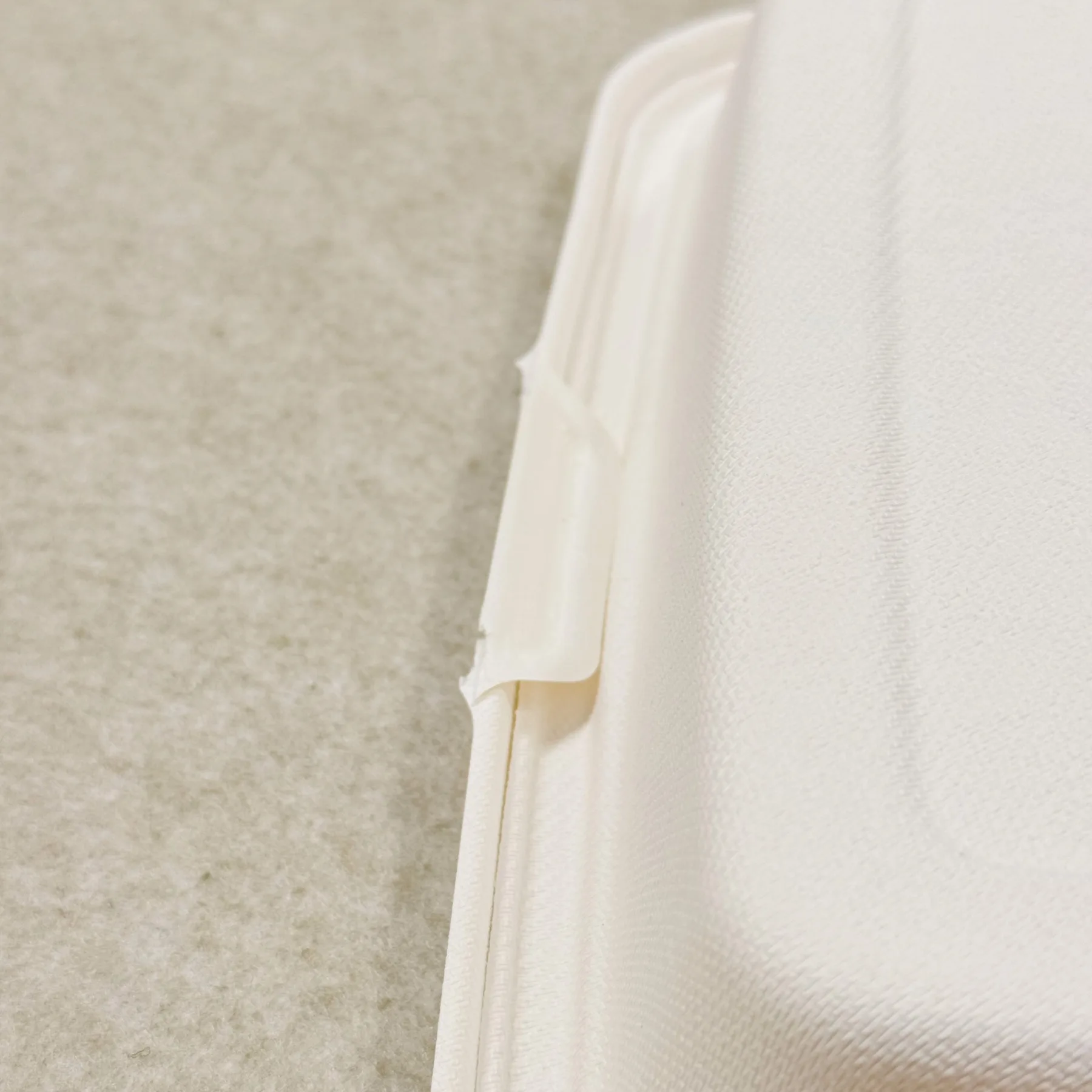
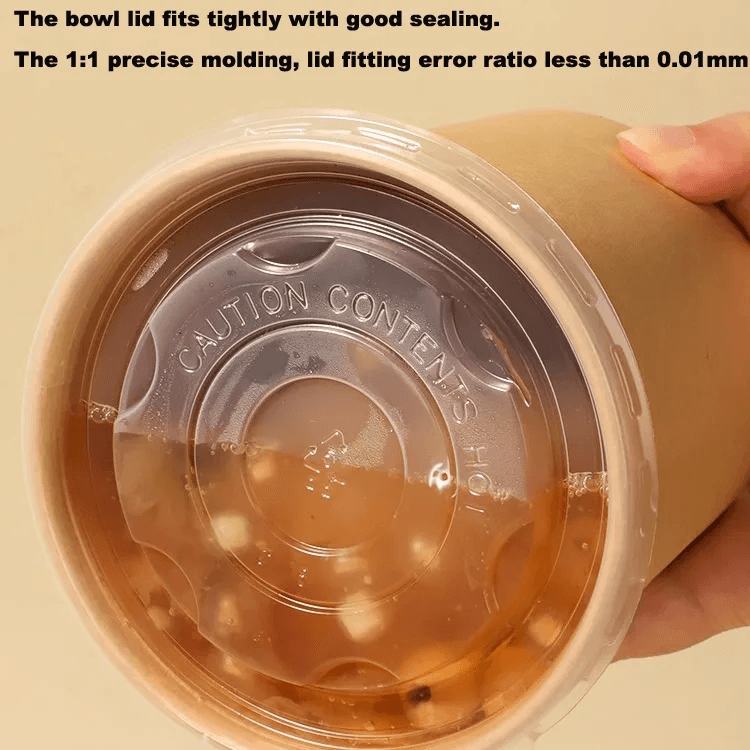
Many products are marketed as leak-proof food containers, but in actual takeaway use, leakage is often not a matter of what the brochure says. It is a matter of where the weakness appears once the container is filled, closed, and moved. In many cases, leakage starts at the rim, where sealing precision, closure depth, and lid fit are more important than visual thickness.
A container can look strong and still perform poorly if the lid-body relationship is inconsistent. A lid that feels tight when quickly pressed down by hand may still become unstable after the package is filled with hot food, exposed to steam, or moved through delivery. That is why buyers should judge leak resistance as a system performance issue, not as a simple appearance issue.
The more reliable takeaway routes are usually those where the closure is not only strong in theory, but consistent in real use. This is one reason why buyers should pay attention to whether the supplier understands lid-body precision, snap-lock consistency, and sealing behavior with real food load rather than describing the product only in broad quality terms.
This is also where Bioleader’s approach is commercially relevant. Bioleader places strong attention on container-to-lid compatibility, because actual sealing reliability depends on matching precision and scenario fit, not just on whether the lid shape looks compatible in a catalog image.
 |  |
Bioleader Sourcing Note
Always test the exact takeaway container and the exact matching lid together. Do not evaluate the base separately. Ask the supplier whether the quoted configuration is recommended for sauce-heavy meals, liquid-heavy foods, and hot takeaway delivery, not only for dry-food use.
2.2 Structural stability matters more than simple wall thickness
Another common mistake is to assume that the thicker product is automatically the better performer. In real takeaway packaging, thickness alone does not define reliability. A container with poor structure may deform under hot food load or stacking pressure even if it initially feels rigid. Once that happens, the sealing line may change, the lid may become less stable, and the risk of leakage can increase.
This is why reinforcing ribs, wall geometry, and base support matter so much. A well-designed takeaway container holds its shape more consistently after filling, during short holding, and through movement in transport. Better structure often delivers better performance than simply adding more material. For hot meal takeaway in particular, shape retention is a major part of what buyers should really be evaluating.
The more useful industry rule is simple: high-performance takeaway packaging is defined by structural behavior under real use, not just by material category or thickness.

Bioleader Sourcing Note
During sample review, compare products not only when empty, but after they are filled and closed. A practical check is to compare shape retention after hot filling, short holding, and light stacking. Containers that lose shape too early often create later sealing and handling problems.
2.3 The lid system is part of the performance route
In takeaway packaging, the lid should never be treated as an accessory after the base container has already been selected. The lid is part of the full performance route. Even a strong body can become unreliable if the wrong lid is paired with it, or if the selected lid is technically compatible but commercially unsuitable for the real food and transport scenario.
This is especially important when the application involves hot food, internal steam, repeated movement, or possible reheating after delivery. In these cases, the lid must do more than simply close. It must balance closure stability, condensation behavior, handling practicality, and sometimes reheating-related expectations. A lid that solves one problem may create another if the full scenario has not been considered.
This is why the distinction between paper lids and PP lids matters in practical sourcing. Paper lids may support a more fiber-forward packaging direction and stronger visual consistency with paper-based or molded fiber solutions. PP lids may be more practical in some heat-related, moisture-related, or reheating-related use scenarios. There is no universal answer. The correct lid choice depends on the packaging route and the food scenario.
Bioleader’s advantage here is not simply that it offers both paper lids and PP lids. The stronger point is that these lid routes can be matched to different container systems and different takeaway needs rather than treated as one generic add-on option.
Bioleader Sourcing Note
In every RFQ, include one direct request asking the supplier to confirm the recommended lid option for the quoted container and to explain whether that lid is suitable for hot food, delivery movement, and microwave-oriented use.
2.4 High-performance takeaway packaging is defined by fit, not hype
At this point, the real standard becomes clear. A high-performance takeaway food container is not defined by a fashionable material name, by a louder eco claim, or by a thicker wall alone. It is defined by how well the packaging route fits the real takeaway scenario. That means the right structure, the right lid system, the right heat handling, the right route for possible reheating, and the right level of transparency from the supplier.
This is exactly why Bioleader’s takeaway positioning is stronger than a one-material story. Bioleader can support buyers across high-temperature PFAS-free bagasse, water-based aqueous paper bowls, PLA-coated paper bowls, PP-coated paper bowls, matched lid systems, and a proprietary cornstarch formulation that balances usability with eco-positioning. That breadth matters because it allows real application fit, which is the true basis of packaging performance.
Bioleader Sourcing Note
When comparing suppliers, do not ask only for the “best eco option.” Ask each supplier to recommend the best-fit performance route for your actual takeaway scenario and to explain the reason clearly. This is the most reliable way to separate real packaging expertise from generic sales language.
3. Microwave-Ready Is a Use Scenario, Not a Marketing Label
3.1 Hot-food capable does not automatically mean reheating-ready
One of the most common misunderstandings in takeaway food containers is the assumption that a package suitable for hot food must also be suitable for reheating. In real commercial use, these are not the same thing. A container may perform well during hot filling and short delivery, yet still be less suitable when the end user later places the meal into a microwave. This is why microwave-ready takeaway packaging should be treated as a separate use scenario rather than a general label.
Buyers should be careful not to turn the microwave question into a simplistic yes-or-no filter. What matters is how the full packaging route behaves under real use. That includes the base material, the coating system, the lid type, the food load, and the way customers are likely to reheat the meal.
For this reason, serious suppliers do not describe all takeaway packaging as universally microwave-safe. They distinguish between products designed mainly for hot food delivery and products better suited for microwave-oriented use. That distinction is one of the clearest signs that a manufacturer understands real application performance rather than generic marketing language.
Bioleader Sourcing Note
If reheating may be part of customer behavior, ask the supplier to confirm whether the quoted takeaway container is recommended for delivery only, short hot holding, or microwave-oriented use. Treat these as different commercial scenarios rather than as one broad packaging claim.
3.2 Reheating performance depends on the full packaging route
In actual foodservice use, reheating performance depends on more than the container body alone. It depends on the interaction between the container structure, coating route, lid pairing, and the type of food being packed. Meals with high oil content, dense sauces, or higher moisture release can create a very different internal environment from dry or lightly filled meals. This is why two containers that appear similar in catalog form may behave quite differently once they are used with real food.
A more mature takeaway packaging strategy avoids broad assumptions. It asks practical questions instead. Is the meal likely to be reheated immediately after delivery, or only occasionally? Is the package likely to remain partially sealed during reheating? Does the menu release a large amount of steam? Is the container being selected for functional reheating performance, for compostable positioning, or for a balance of both?
This is also one of the reasons why high-performance manufacturers increasingly present paper packaging not as one category, but as a platform with multiple routes. The same paper bowl concept may support very different commercial outcomes depending on whether the route is water-based aqueous coating, PLA coating, or PP coating.
Bioleader Sourcing Note
When comparing reheating-related options, do not ask only whether a paper bowl can be used for microwave heating. Ask which paper route is most suitable for your actual meal type, customer behavior, and brand positioning.
3.3 Why PP-coated paper bowls matter when reheating practicality is the priority
In many commercial takeaway scenarios, the buyer is not looking for the broadest sustainability slogan. The buyer is looking for a package that performs reliably when the meal is delivered hot and may also be reheated later. This is where PP-coated paper bowls become especially relevant. They are often the more practical route when the priority is functional reheating performance in real foodservice use.
This does not mean that every project should automatically move toward PP coating. It means the buyer should be realistic about the job the package needs to do. If reheating functionality is central to the menu concept, then a route that supports better practical microwave-oriented use may be the more commercially sensible answer.
This is one reason Bioleader’s packaging logic is stronger than a one-direction eco narrative. Bioleader can support buyers not only with water-based aqueous paper bowls and PLA-coated paper bowls, but also with PP-coated paper bowls when the commercial need is more directly tied to reheating practicality.
Bioleader Sourcing Note
If your takeaway concept involves office lunches, delivered ready meals, or menu items that customers are likely to reheat after arrival, ask suppliers whether a PP-coated paper bowl would be a more practical route than a coating system chosen mainly for messaging value.
3.4 Water-based, PLA, and PP routes should be judged by application fit, not by trend language
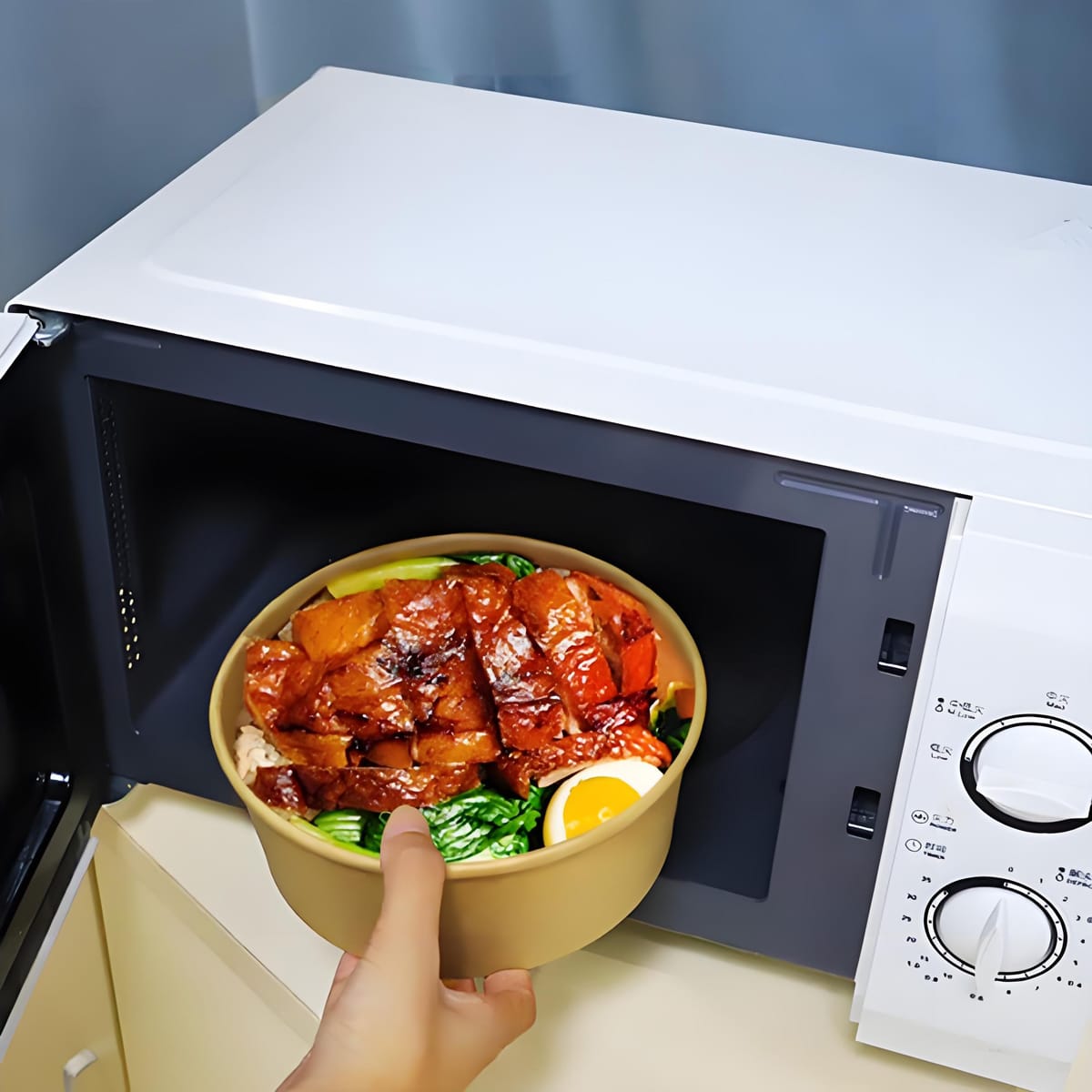
The most useful way to compare paper-based takeaway packaging is not to ask which route sounds more advanced in abstract terms. The more useful question is which route fits the intended application. Water-based aqueous paper bowls are increasingly relevant for buyers seeking a stronger plastic-reduction direction while still maintaining practical foodservice usability. PLA-coated paper bowls are better aligned with projects where compostable positioning and bio-based messaging are central to the brand strategy. PP-coated paper bowls are especially relevant where microwave-oriented practicality matters more than broad trend language.
The value of this distinction is strategic. It allows buyers to stop treating paper packaging as one generic category and start treating it as a set of routes with different strengths. A weak supplier usually talks about paper bowls in broad, interchangeable terms. A stronger supplier explains why one route is better for plastic-reduction messaging, another is better for compostable positioning, and another is better for reheating-related practicality.
Bioleader Sourcing Note
When a supplier proposes a paper-based takeaway solution, ask one follow-up question: Why is this coating route the best fit for our actual use case? The quality of that answer will often tell you more than the sample itself.
4. Performance Routes, Not Just Material Names
4.1 High-temperature PFAS-free bagasse is a serious route for demanding hot-food delivery
When buyers evaluate bagasse takeaway containers, the discussion often becomes too simple. Many people stop at the phrase PFAS-free and assume that the claim alone is enough to define the value of the product. In reality, for hot meal takeaway, the more important question is whether the container can remain stable, practical, and leak-resistant under actual high-temperature food conditions.
This is where high-temperature PFAS-free bagasse becomes a meaningful positioning route. It is valuable because it gives buyers a stronger answer for demanding hot-food takeaway applications where heat handling, oil management, and delivery stability must work together.
Bioleader’s position in this area is strong because it can offer high-temperature PFAS-free bagasse takeaway containers as a performance-oriented route rather than as a simple marketing claim.
Bioleader Sourcing Note
If your menu involves hot meals, oil-heavy dishes, or more demanding delivery conditions, do not stop at asking whether the container is PFAS-free. Ask whether the supplier offers a high-temperature PFAS-free bagasse route specifically designed for stronger hot-food performance.
4.2 Cornstarch should be positioned as a balanced usability route, not just a bio-based label
Cornstarch takeaway containers are often discussed too broadly. The conversation tends to focus on whether the product sounds more eco-friendly than traditional plastic, but in real packaging use, that is only part of the picture. What matters just as much is whether the formulation creates a product that feels stable, works smoothly in daily service, and supports the intended takeaway application without creating new handling problems.
This is why formulation balance matters. A well-developed cornstarch route should balance usability, rigidity, handling feel, and environmental positioning. If one of those elements is weak, the commercial value of the route becomes less convincing.
Bioleader’s proprietary cornstarch formulation fits this stronger positioning because the goal is not only a better sustainability narrative, but also a more reliable everyday user experience.
Bioleader Sourcing Note
When evaluating cornstarch products, ask suppliers not only about material category, but also about daily handling performance, stability in routine takeaway use, and whether the formulation has been developed for a more balanced combination of usability and eco-positioning.
4.3 Paper takeaway packaging should be treated as a system, not as one category
One of the biggest mistakes buyers make with paper food containers is treating them as a single product category. In reality, paper-based takeaway packaging should be understood as a system. Its final performance depends on the interaction between the paper structure, the coating route, the seam or forming quality, the lid pairing, and the intended food scenario.
This is particularly important in takeaway foodservice, where bowls and containers may be used for soups, noodles, rice meals, salads, deli items, or reheating-related applications. The wrong coating route or the wrong lid pairing can change how the product performs commercially, even when the base format appears similar.
Bioleader Sourcing Note
When reviewing paper-based takeaway solutions, ask suppliers to explain the full paper system logic, including the coating type, recommended lid, and intended food scenario. This creates a much more meaningful comparison than judging paper products by appearance alone.
4.4 Water-based aqueous paper bowls support a stronger plastic-reduction direction
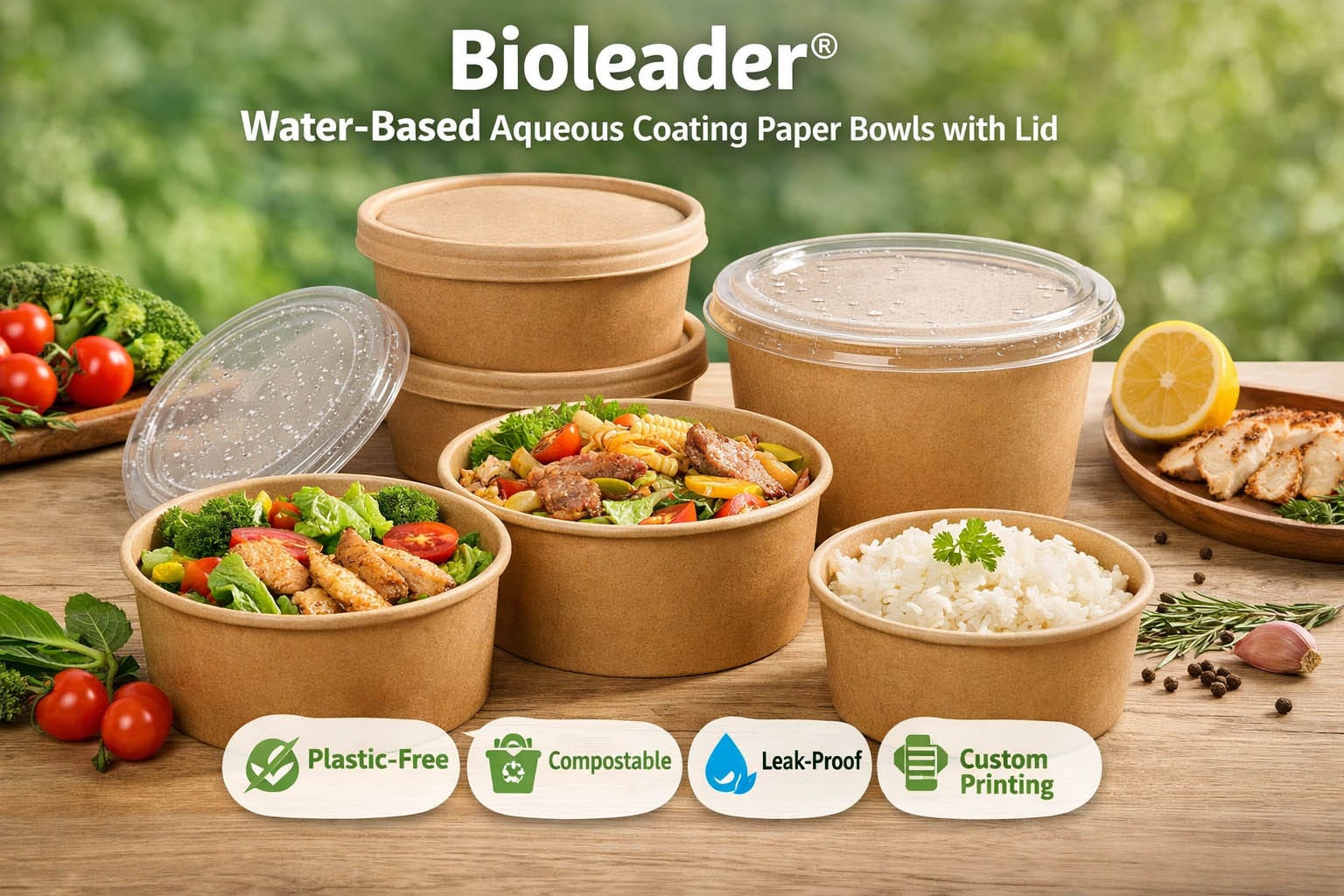
Among paper-based routes, water-based aqueous paper bowls are increasingly important for buyers that want more than a basic paper packaging story. They are especially relevant for projects where plastic reduction, future-facing positioning, and practical foodservice usability all need to be addressed together.
The value of an aqueous-coated route is that it supports a more differentiated positioning. It allows the buyer to move beyond generic paper bowl language and toward a route that more clearly reflects a modern plastic-reduction direction.
Bioleader’s water-based aqueous paper bowls fit this category well because they can be presented not as novelty items, but as part of a more mature takeaway packaging route portfolio.
Bioleader Sourcing Note
If your project places strong emphasis on plastic-reduction messaging without wanting to give up practical foodservice usability, ask suppliers whether a water-based aqueous paper bowl route would be a better long-term fit than a more generic paper option.
4.5 PLA-coated paper bowls fit projects where compostable positioning is central
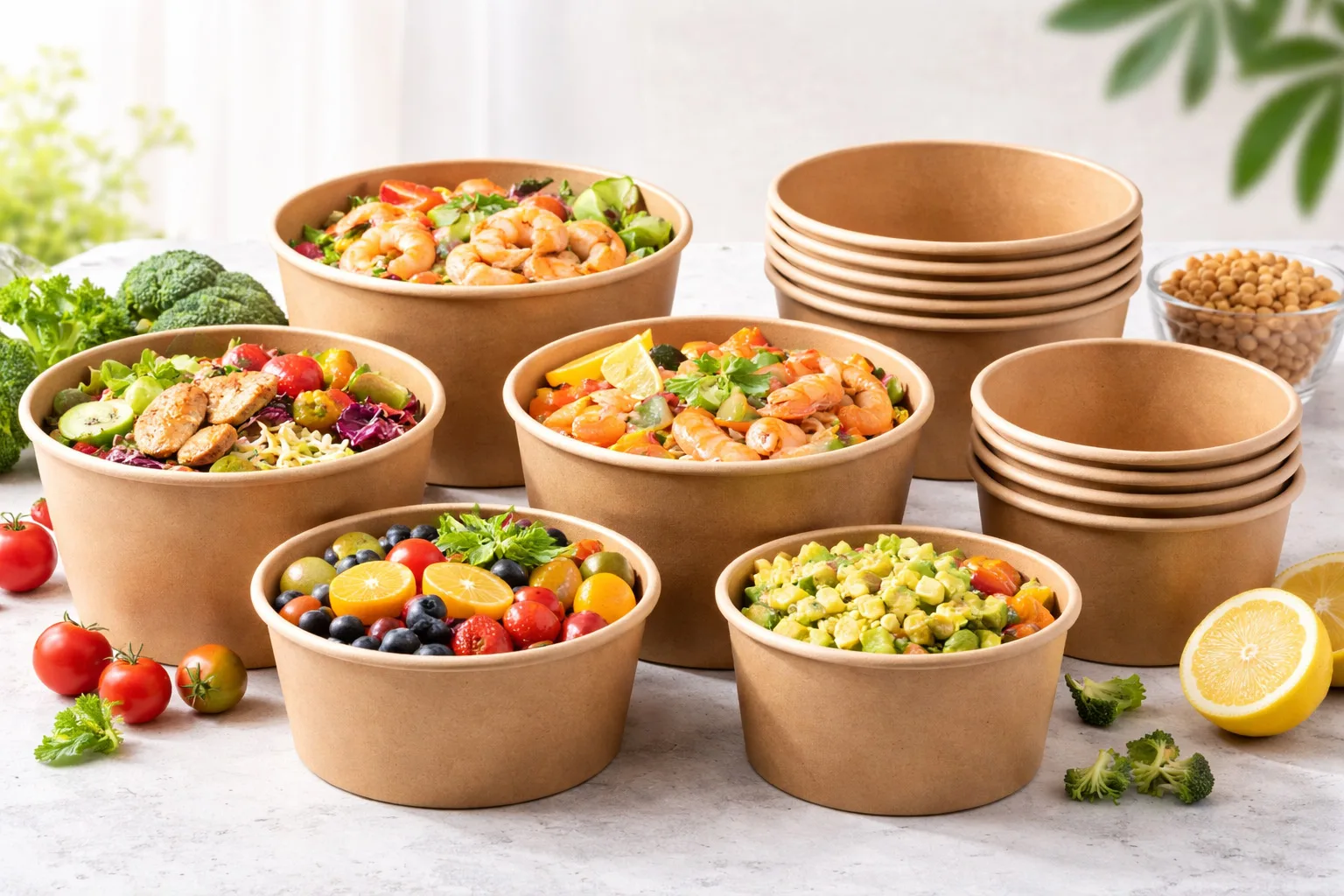
PLA-coated paper bowls should be positioned carefully. Their strongest value is not that they replace every other route. Their value is that they support takeaway projects where compostable positioning, bio-based messaging, and the right application fit all align.
A stronger supplier explains that PLA-coated paper works best where the brand story, disposal narrative, and foodservice scenario actually fit the route. Bioleader’s PLA-coated paper bowls belong in exactly that kind of route logic.
Bioleader Sourcing Note
If your brand or project places real strategic value on compostable paper-based packaging, ask suppliers whether a PLA-coated paper route genuinely matches the food application, disposal expectations, and end-user behavior instead of assuming it should be used by default.
4.6 Different routes create different strengths, and that is exactly the point
The goal is not to prove that one material is always superior. The real goal is to show that different performance routes solve different commercial problems. High-temperature PFAS-free bagasse can be a stronger answer for demanding hot-food takeaway. Cornstarch can be positioned as a balanced usability route. Water-based aqueous paper bowls can support a stronger plastic-reduction direction. PLA-coated paper bowls can support compostable positioning. PP-coated paper bowls can solve more functional reheating-related needs.
This is exactly why Bioleader’s takeaway positioning is stronger than a one-material story. Bioleader is not trying to force all buyers into the same packaging answer. It is showing that the company understands how different takeaway scenarios require different high-performance routes.
Bioleader Sourcing Note
Do not compare suppliers only by who offers the most materials. Compare them by who can explain which route is best for which takeaway scenario and why. That is the clearest sign of real category expertise.
5. The Lid System Is Often the Hidden Reason a Container Succeeds or Fails
5.1 Paper lids and PP lids solve different commercial problems
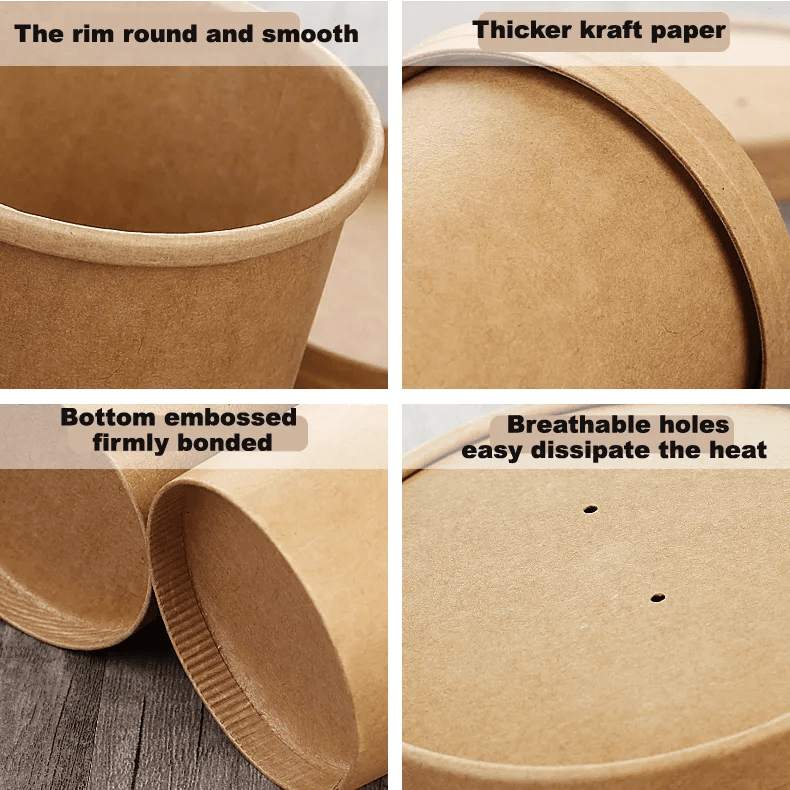 |  |
In takeaway packaging, many buyers still treat the lid as a secondary detail. In real use, that is often where major differences appear. The lid does not simply close the container. It influences sealing consistency, steam control, handling convenience, and, in some cases, reheating suitability. This is why the lid should be selected as part of the full takeaway packaging route rather than as a late accessory choice.
Paper lids can support a more fiber-forward packaging direction and stronger visual consistency with paper-based or molded fiber containers. PP lids may offer more practical advantages in certain heat-related, moisture-related, or reheating-related scenarios, especially where reliable closure and more functional handling are the higher priorities.
Bioleader Sourcing Note
Ask suppliers to recommend the lid based on the food type, delivery duration, steam level, and whether reheating is expected. The better supplier is not the one that gives the fastest answer, but the one that gives the most scenario-based answer.
5.2 Condensation control is part of sealing performance
A lid that closes tightly is not always the best lid in practical takeaway service. In many real food applications, the issue is not just whether the lid stays on. It is whether the full container-and-lid system can manage condensation and internal steam without creating new problems.
This is especially important for hot meals, noodle dishes, soups, and other takeaway foods that release moisture after packing. The strongest packaging systems balance closure stability with moisture behavior. They do not simply seal well in an empty state; they continue to behave well after filling, holding, and transporting.
Bioleader Sourcing Note
When testing takeaway lids, do not evaluate only whether the lid can be attached firmly. Also evaluate how the full package behaves after hot filling, short holding, and real transport-style movement. This is where condensation-related weaknesses often become visible.
5.3 Lid pairing is a signal of supplier maturity
One of the clearest differences between weaker suppliers and stronger suppliers is how they discuss lid pairing. A weaker supplier often focuses on whether a lid can physically fit. A stronger supplier focuses on whether the lid is the right match for the intended takeaway scenario.
This is exactly where Bioleader’s approach becomes commercially meaningful. Bioleader supports both paper lids and PP lids across different takeaway systems, not as a generic menu of accessories, but as part of a matched packaging logic.
Bioleader Sourcing Note
In RFQs and sample discussions, ask suppliers not only which lid can fit, but which lid should be paired with the quoted container for your exact takeaway use case. That single question often reveals how well the supplier understands real application performance.
6. Supplier Transparency Matters More Than Broad Eco Claims
6.1 Strong suppliers explain boundaries, not just advantages
In the current packaging market, almost every supplier can use words like eco-friendly, PFAS-free, compostable, or sustainable. The difference appears when buyers ask where a product works best, where it should be used more carefully, and what exactly the claim applies to. Strong suppliers are usually comfortable giving these boundaries. Weak suppliers often avoid them.
This matters because boundary-setting is one of the clearest commercial signals of real expertise. A supplier that openly explains that one route is better for demanding hot-food takeaway, another is better for compostable positioning, and another is better for reheating-related practicality sounds more credible than a supplier that says every route is suitable for everything.
Bioleader Sourcing Note
During supplier screening, ask one direct question: Where is this route most suitable, and where should it be evaluated more carefully? Suppliers that answer clearly usually understand their products better than those that reply only with general sales language.
6.2 Product-line clarity matters more than general company claims
Buyers often receive company-level certifications, general brochures, or broad packaging claims that sound impressive at first glance. But in actual procurement, what matters more is whether the supplier can connect those claims to the exact product line and lid combination being quoted.
The stronger supplier is the one that can explain what applies to the exact route being recommended, whether it is high-temperature PFAS-free bagasse, water-based aqueous paper bowls, PLA-coated paper bowls, PP-coated paper bowls, or a cornstarch formulation intended for balanced usability.
Bioleader Sourcing Note
Ask for product-line-specific support, not just company-level materials. This makes it much easier to judge whether the quoted route truly matches your takeaway use case and market expectation.
6.3 Practical clarity is one of the strongest trust signals in this category
In takeaway packaging, credibility is built through useful differentiation and commercial honesty. A trustworthy supplier should know how packaging behaves in real delivery conditions, explain why one route is stronger than another for a defined scenario, and be willing to define where a route is appropriate and where it may not be the best choice.
This is exactly why transparency matters so much in a crowded market. Buyers are more likely to trust suppliers that speak clearly about performance fit, lid matching, reheating boundaries, and application logic, rather than those that only repeat broad eco language.
This is also why Bioleader should continue to present its strength not as “we have many materials,” but as “we understand which route works best in which real takeaway scenario.”
Bioleader Sourcing Note
In your own product pages and quote language, define the best-fit scenario, the main performance advantage, and the practical boundary for each route. This improves trust with buyers and makes the content more credible.
7. How Bioleader Builds High-Performance Takeaway Packaging Across Multiple Routes
7.1 Bioleader does not rely on a one-material story

Real takeaway service involves different foods, different delivery models, different reheating expectations, and different market priorities. A manufacturer that understands only one route cannot explain the category as convincingly as one that can compare multiple routes with commercial clarity.
Bioleader’s advantage is that it does not position takeaway packaging as a one-material answer. It positions it as a performance-first route system. That allows the company to guide buyers toward a stronger fit rather than pushing the same packaging story for every use case.
Bioleader Sourcing Note
When positioning Bioleader in content, emphasize that the company is not only offering products. It is offering multiple high-performance takeaway packaging routes based on scenario fit.
7.2 Bioleader’s core routes reflect real takeaway applications
Bioleader’s takeaway packaging logic is built around routes that solve different commercial problems. High-temperature PFAS-free bagasse takeaway containers provide a stronger answer for demanding hot-food delivery where heat handling, oil resistance logic, and delivery stability matter together. Water-based aqueous paper bowls support a stronger plastic-reduction direction for brands that want a more advanced paper-based packaging narrative without losing practical usability.
PLA-coated paper bowls fit projects where compostable positioning and bio-based messaging are central and where the application logic supports that route. PP-coated paper bowls provide a more practical answer for projects where microwave-oriented performance is the higher commercial priority. Alongside these, Bioleader supports paper lids and PP lids as matched systems rather than as disconnected accessories, and offers a proprietary cornstarch formulation that aims to balance eco-positioning with more reliable daily handling.
Bioleader Sourcing Note
In all product and brand content, repeat the route logic clearly: high-temperature PFAS-free bagasse, water-based aqueous paper, PLA-coated paper, PP-coated paper, matched lids, and balanced cornstarch formulation. This reinforces Bioleader’s multi-route positioning.
7.3 What this means for buyers
For buyers, Bioleader’s multi-route logic means better packaging fit, better guidance on lid choice, and a stronger chance of avoiding mismatch between product claim and real takeaway behavior. The brand is not limited to one sustainability narrative. It is linked to a broader and more commercially useful concept: high-performance packaging fit.
Bioleader’s strength is that it can define takeaway packaging by performance logic, scenario fit, lid matching, and application-based route selection. That is the type of market position this article should keep reinforcing.
Bioleader Sourcing Note
When building content around Bioleader, do not position the company only as eco-friendly. Position it as a manufacturer that understands how takeaway food containers actually perform in delivery, lidded transport, and reheating-related use.
8. What Smart Buyers Still Need to Ask Before Ordering
8.1 Questions about the food scenario
Even after a promising packaging route has been identified, buyers should still ask a few practical questions to make sure the recommendation truly fits the job. The first group of questions should always relate to the actual food scenario. What type of food will be packed? Is it hot, oily, watery, or likely to be reheated later? How long is the expected delivery cycle?
Bioleader Sourcing Note
Make sure your inquiry always includes the actual menu type and delivery model. Without this information, even a good supplier can only give a generic recommendation.
8.2 Questions about structure and lid pairing
The second group of questions should focus on how the package is built and how it closes. What lid options are available? What kind of closure logic does the system rely on? Has the container-and-lid combination been considered for sauce-heavy foods, liquid-heavy meals, or longer delivery handling?
Bioleader Sourcing Note
Do not approve the container and lid separately. Ask the supplier to recommend the full matched system and to explain why that pairing is suitable for your actual takeaway use case.
8.3 Questions about reheating fit and route logic
The third group of questions should clarify reheating expectations and route logic. Is reheating expected at all? If so, which route is more suitable? Should the project lean toward PP-coated paper bowls for more practical microwave-oriented use, or is the takeaway model more strongly aligned with another route?
Bioleader Sourcing Note
Add one direct line to your RFQ: Please confirm whether this route is recommended for reheating-related use and whether the quoted lid is suitable for the same scenario.
8.4 Questions about compliance clarity and claim boundaries
The final group of questions should cover compliance logic and claim clarity. Does the PFAS-free positioning apply to this exact route? Is a stronger plastic-reduction direction preferred? Is compostable positioning actually central to the project, or is performance fit the bigger concern?
In many cases, the strongest buying question is not “Which material is most sustainable?” but “Which route is most appropriate for this use case and most clearly supported by the supplier?”
Bioleader Sourcing Note
Ask suppliers to define not only the main advantage of the quoted route, but also the main boundary. That answer often reveals more real expertise than the product brochure itself.
Conclusion: High-Performance Takeaway Packaging Is About Fit, Not Hype
There is no single best takeaway food container for every menu, every delivery model, or every brand strategy. The right route depends on the actual job the packaging must do. That includes heat, oil, delivery movement, lid pairing, possible reheating, and the level of claim transparency expected by the buyer and the market.
This is why high-performance takeaway packaging should never be judged only by material name, by visual thickness, or by the loudest sustainability language. The more reliable standard is application fit. A container succeeds when the structure, lid system, route logic, and commercial recommendation all match the real takeaway scenario.
That is also why Bioleader is positioned strongly in this category. The company does not rely on one packaging story. It supports multiple performance routes, including high-temperature PFAS-free bagasse, water-based aqueous paper bowls, PLA-coated paper bowls, PP-coated paper bowls, matched paper lids and PP lids, and a proprietary cornstarch formulation developed for more balanced daily usability.
FAQ
1. What makes a takeaway food container leak-resistant?
Leak resistance usually depends on the full system rather than on one simple factor. The most reliable takeaway food containers combine good rim design, stable lid-body precision, consistent closure performance, and enough structural stability to hold shape after filling and transport.
2. Are takeaway food containers microwave safe?
Not all takeaway food containers should be treated the same way for reheating. Microwave-oriented performance depends on the base material, the coating route, the lid type, the food load, and how the meal is likely to be reheated in real use.
3. Are bagasse takeaway containers suitable for hot food?
Yes, many bagasse takeaway containers are well-suited for hot food applications, especially when the route is designed for stronger hot-food performance. For more demanding uses, buyers should evaluate whether a high-temperature PFAS-free bagasse route is more appropriate than a standard option.
4. What is the difference between aqueous, PLA-coated, and PP-coated paper bowls?
Water-based aqueous paper bowls are often used where a stronger plastic-reduction direction matters. PLA-coated paper bowls fit projects where compostable positioning is more central. PP-coated paper bowls are often the more practical route where microwave-oriented performance is a higher priority.
5. Which is better for takeaway: bagasse, cornstarch, or paper containers?
There is no universal answer. The better choice depends on the menu type, delivery conditions, reheating expectations, brand positioning, and the level of performance the buyer needs from the final packaging system.
6. Why do some takeaway containers leak even when they look thick?
Thickness alone does not guarantee performance. Many leakage problems begin at the rim or come from weak lid matching, unstable closure logic, or poor structure under real food load and delivery movement.
7. Are cornstarch takeaway containers good for commercial foodservice use?
They can be a strong option when the formulation is developed for real service use and when the buyer values a balance between eco-positioning and everyday usability. Formulation quality matters much more than broad material wording alone.