Why Eco-Conscious Moms Are Choosing Compostable Plates for Kids’ Parties
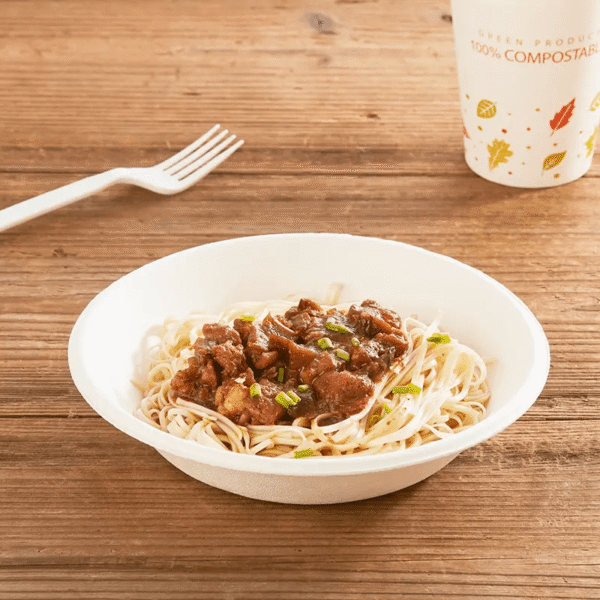
Eco-conscious moms are switching to compostable plates because they’re safer for kids, easier on the planet, and practical for busy party days. Plant-based materials like bagasse and cornstarch-PLA are sturdy, leak-resistant, PFAS-free, and microwave-safe, handling cake, snacks, and saucy foods without sogginess. Cleanup is faster—plates go to compost instead of landfill—while themed, minimalist designs look great in photos. With regulations tightening and zero-waste habits rising, compostables deliver convenience, compliance, and feel-good sustainability without sacrificing price, performance, or aesthetics.
In recent years, environmental awareness has surged globally, reshaping consumer behavior across multiple sectors. Among these shifts, mothers have emerged as key drivers in adopting sustainable products for their families, especially when it comes to children’s parties. The demand for eco-friendly kids party plates is growing rapidly, reflecting a broader societal push toward responsible consumption.
This transition is not only motivated by a desire to reduce environmental footprints but also by stricter regulations targeting single-use plastics and non-compostable materials. As moms seek safer, greener options for their children’s parties, compostable plates and dinnerware have become the preferred choice.
What Are Eco-Friendly Kids Party Plates? Market Overview and Material Science
Defining Eco-Friendly and Compostable Dinnerware
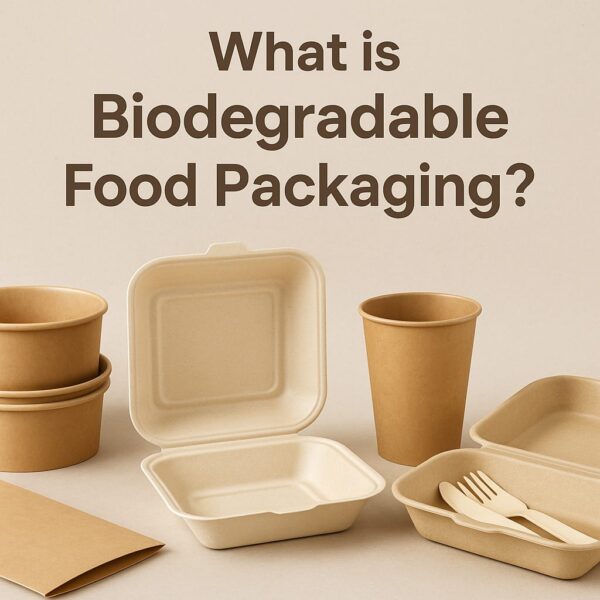
Eco-friendly kids party plates refer to tableware made from renewable, biodegradable, or compostable materials that minimize environmental impact. Common materials include:
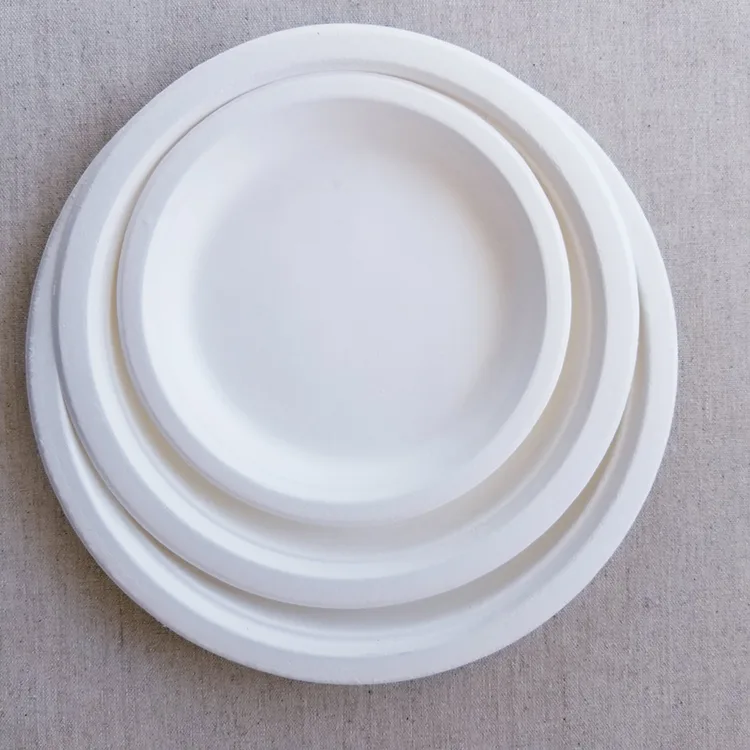
Bagasse: The fibrous residue left after extracting juice from sugarcane, which is renewable and biodegradable.
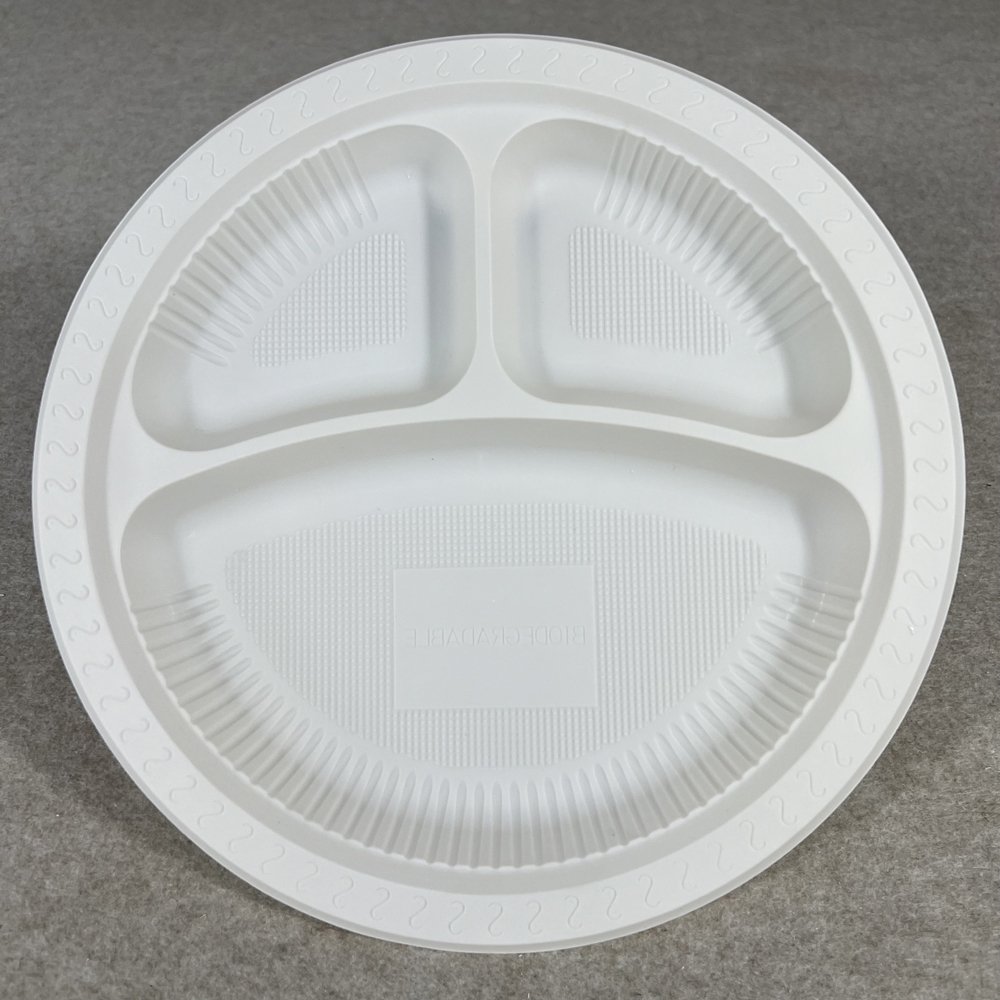
Polylactic Acid (PLA): A bioplastic derived from fermented plant starch, fully compostable under industrial conditions.
Cornstarch-based materials: Made from corn polymers, these plates decompose naturally.
Paper pulp: Often recycled or sustainably sourced, molded into sturdy plates.
These materials contrast sharply with conventional plastic, which persists in landfills and oceans for centuries.
|
|
| Aspect | Bagasse | PLA (Polylactic Acid) | Cornstarch-based Material | Paper Pulp |
|---|---|---|---|---|
| Raw Material Source | Fibrous residue from sugarcane juice extraction (natural plant fiber) | Bioplastic made from fermented corn or plant starch | Polymer derived from corn starch or similar plant sources | Recycled paper pulp or sustainably sourced wood pulp |
| Environmental Performance | Renewable, biodegradable in both industrial and home compost | Fully compostable under industrial composting conditions | Biodegradable; degradation speed depends on compost conditions | Biodegradable and recyclable; fast degradation rate |
| Safety | Natural, non-toxic, food-safe grade | Food-grade certified, meets ASTM D6400 standard | Natural material, non-toxic, food-contact safe | Non-toxic, meets food safety standards |
| Water and Oil Resistance | Good; suitable for juicy and oily foods | Moderate; oil resistant but not suitable for prolonged soaking or high heat | Moderate; sensitive to moisture, often requires coatings | Moderate; absorbs moisture easily, often requires coatings |
| Heat Resistance | Can withstand temperatures above ~100°C; suitable for hot foods | Up to ~60-70°C; suitable for cold or warm foods | About 70°C; relatively low heat tolerance | Low heat resistance; typically for cold or room temperature foods |
| Structural Strength | High strength; sturdy and resistant to deformation | Brittle; prone to cracking | Moderate strength; can break easily | Flexible but low compression strength |
| User Experience | Similar texture to hardboard; solid and reliable | Lightweight and transparent, plastic-like feel | Light and soft to the touch | Rough texture; relatively thick and heavy |
| Typical Use Cases | Suitable for hot, cold, and oily foods at kids’ parties | Ideal for cold foods, warm foods, and beverage cups | Best for short-term use with cold foods | Suitable for cold foods and dry snacks |
Market Growth and Consumer Adoption
According to a Verified Market Research report, the global kids tableware market was valued at approximately $4.9 billion in 2023 and is projected to reach over $10.5 billion by 2031, growing at a CAGR of 10.5%. Within this, the demand for eco-friendly and compostable kids dinnerware is one of the fastest-growing segments, fueled by consumer preference shifts and regulatory pressures.
Additionally, Data Horizon Research projects the global market for eco-friendly baby and toddler tableware to expand from $1.8 billion in 2023 to $4.2 billion by 2033, underscoring the long-term growth prospects.
Why Moms Prefer Compostable Kids Dinnerware: Health and Convenience
Health and Safety as the Primary Drivers
When it comes to young children, safety is paramount. Moms prioritize safe tableware for toddlers that is free from toxic chemicals such as BPA, phthalates, and heavy metals commonly found in some plastics. Compostable plates made from natural fibers and plant-based bioplastics offer peace of mind because:
They do not leach harmful substances into food.
They are hypoallergenic and meet stringent food-contact safety standards.
Certifications such as ASTM D6400 (U.S.) and EN13432 (Europe) provide assurance of biodegradability and safety.
Practical Advantages for Busy Families
Children’s parties can be hectic, and parents appreciate tableware that is not only safe but also convenient and easy to clean up. Compostable plates simplify post-party disposal—after use, they can be composted industrially or sometimes even in home compost setups, reducing landfill waste.
Furthermore, these plates are sturdy and moisture-resistant, designed to hold various party foods without sogginess or leakage, enhancing user experience.
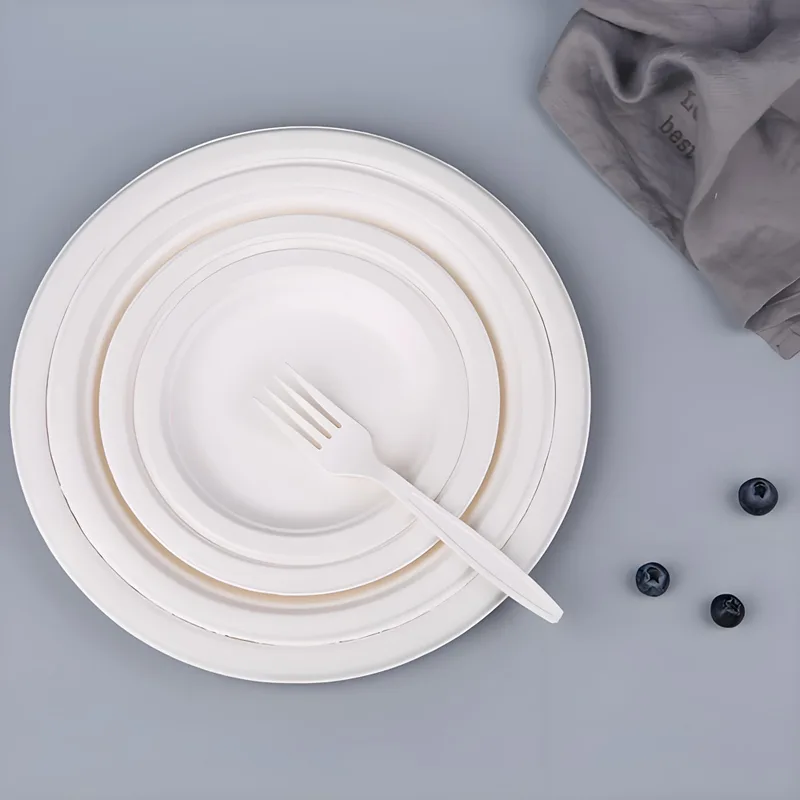
The Importance of Safe Tableware for Toddlers: Design and Material Considerations
Toddlers pose unique challenges when it comes to tableware, as their developmental stage demands both physical safety and user-friendly design. Beyond the fundamental requirement of chemical safety—ensuring the absence of toxins like BPA, phthalates, or heavy metals—the design and material properties must accommodate toddlers’ evolving motor skills, behaviors, and preferences.
Ergonomic Design Features
Anti-slip surfaces and bases are critical in preventing accidental spills and food waste during mealtime. Toddlers often have unsteady hands, and a plate or bowl that easily slides can lead to frustration or injury. Materials like bagasse or specially textured PLA plates can incorporate surface patterns or rubberized bases to improve grip without compromising compostability.
Durability and impact resistance are essential because toddlers frequently drop or mishandle their tableware. Compostable materials have historically been criticized for brittleness, but recent innovations in pulp molding and bioplastic blends have significantly enhanced strength. High-quality bagasse plates, for instance, resist cracking and deformation even under rough handling, ensuring safety and longevity during parties or daily use.
Lightweight yet sturdy construction enables easy handling by small hands, reducing fatigue and encouraging self-feeding. Lightweight materials that maintain rigidity without excessive thickness offer a superior user experience. This is particularly important in helping toddlers develop independence during meals.

Regulatory Landscape Driving Industry Change
Environmental regulations worldwide are shaping the future of disposable tableware. Key policies include:
UK Plastic Packaging Tax
Introduced in April 2022, the UK Plastic Packaging Tax charges £200 per ton on plastic packaging with less than 30% recycled content. While this applies to conventional plastics, it signals the government’s strong stance on reducing plastic waste, indirectly boosting demand for compostable alternatives.
EU Single-Use Plastics Directive (SUPD)
Effective from July 2021, the SUPD bans certain single-use plastic products, including plastic plates and cutlery, across EU member states. This directive encourages producers and consumers to shift to alternatives such as compostable tableware.
UK Single-Use Plastic Ban (Effective October 2023)
England enforced a ban on sales of single-use plastic plates, bowls, cutlery, and other items. This legislative environment compels event organizers and consumers alike to seek compliant, eco-friendly solutions for children’s parties and other gatherings.
Consumer Behavior Insights: Moms as Eco-Conscious Decision Makers
Environmental Awareness Drives Purchase Decisions
Mothers, especially millennials and Gen Z, show heightened concern for the environment. Over 70% actively seek eco-friendly kids party plates and are willing to pay a premium for certified compostable products that ensure their children’s safety and reduce environmental harm.
Influence of Social Media and Parenting Communities
Social platforms and online mom groups are key channels for sharing reviews and recommendations. Nearly 85% of moms consult peer feedback before buying, and influencer endorsements significantly boost brand credibility in the eco-friendly tableware market.
Importance of Transparency and Certification
Moms prioritize brands that openly disclose material sources, manufacturing processes, and environmental certifications such as ASTM D6400 and EN13432. Transparency builds trust, while lack of it can drive consumers to switch brands.
Emotional Connection and Brand Loyalty
Purchasing compostable tableware represents care for children’s health and a commitment to a sustainable future. Brands that tell authentic stories aligned with these values cultivate stronger loyalty and long-term customer relationships.
Industry Trends and Future Outlook
Innovation in Materials and Design
Manufacturers are continuously innovating to improve compostable tableware:
Developing stronger, water-resistant, and heat-tolerant materials.
Integrating vibrant, child-friendly designs that appeal to kids and parents alike.
Offering customizable options for themed parties, increasing product desirability.
Emphasis on Certification and Transparency
Eco-conscious consumers demand clarity on product claims. Brands investing in recognized certifications like EN13432, ASTM D6400, and OK Compost gain a competitive edge by assuring compliance and environmental integrity.
Market Education and Advocacy
Educating consumers about the benefits of compostable products and how to dispose of them properly is essential. Brands are leveraging digital channels and partnerships with environmental organizations to drive awareness.
Growth Projections
With environmental legislation tightening and consumer preferences shifting, the market for eco-friendly kids party plates and safe tableware for toddlers is expected to continue robust growth, presenting significant opportunities for companies aligned with sustainability.
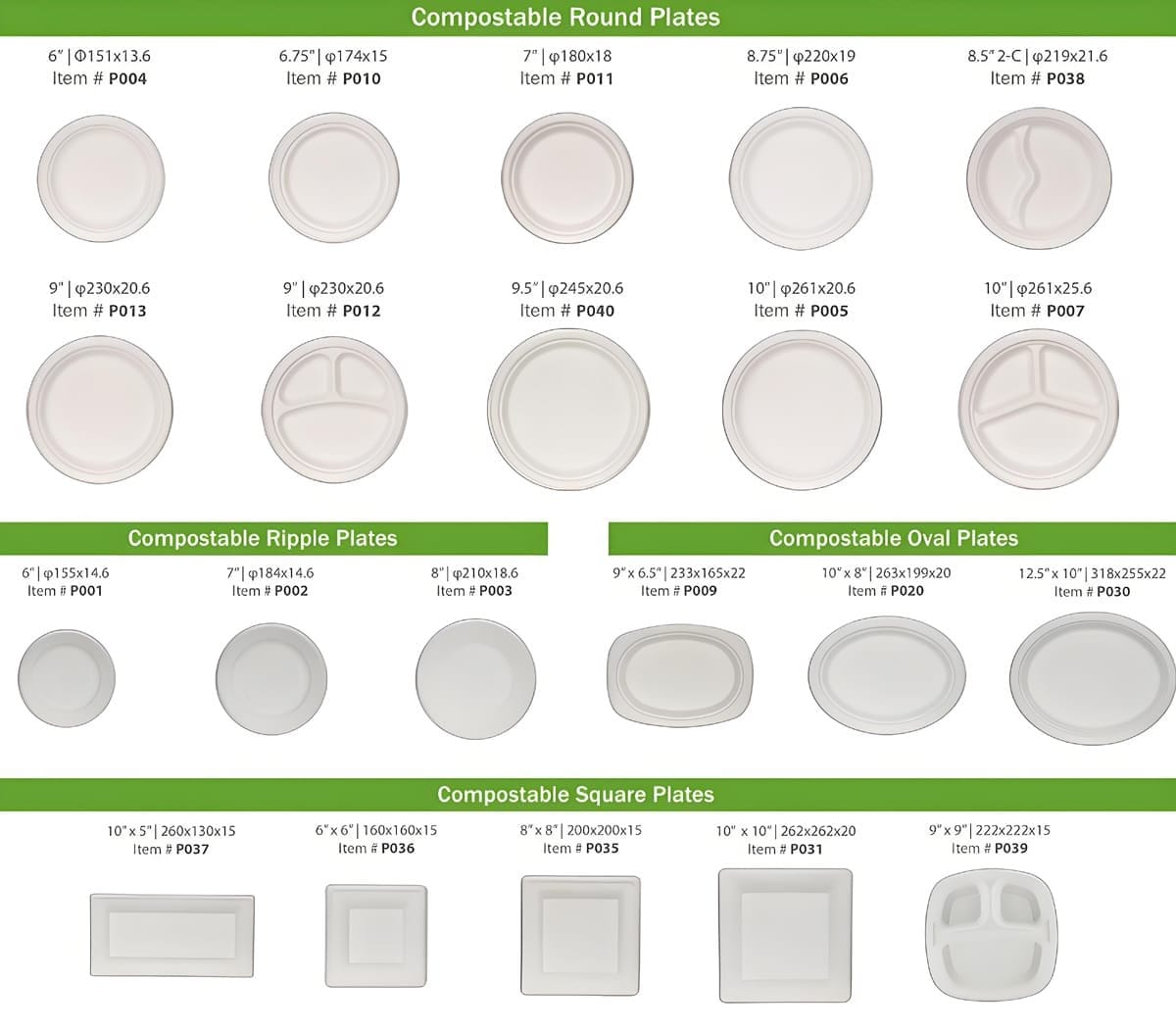
Bioleader® Case Study: Pioneering Sustainable Kids Dinnerware Solutions
Bioleader® is a leading innovator in the field of compostable tableware, specializing in high-quality, eco-friendly products designed specifically for children’s parties and family events. With a firm commitment to sustainability, Bioleader® utilizes responsibly sourced raw materials such as bagasse—a natural byproduct of sugarcane processing—and biodegradable cornstarch composites.

The company’s product line strictly adheres to international standards, including ASTM D6400 and EN13432 certifications, ensuring that each item is not only fully compostable but also safe for food contact and child-friendly use. Bioleader® places a strong emphasis on combining durability and design, delivering tableware that meets the practical needs of active children while supporting environmental stewardship.
Through strategic partnerships with family-focused organizations and eco-conscious brands, Bioleader® has established itself as a trusted name in sustainable packaging. This success story highlights how Bioleader® effectively integrates consumer health concerns, regulatory compliance, and innovative material science to lead the transition toward greener, safer kids’ dinnerware solutions.

Conclusion
The convergence of rising environmental consciousness among mothers, stricter regulations, and scientific validation of compostable materials is reshaping the children’s party tableware market. Choosing compostable kids dinnerware offers moms a safe, convenient, and eco-friendly alternative to conventional plastics, embodying a future-oriented lifestyle.
For businesses, responding proactively to these trends by investing in sustainable materials, obtaining certifications, and engaging in consumer education is critical to capturing this growing market segment.
Ultimately, the choice of compostable plates for kids’ parties is more than a purchasing decision—it’s a commitment to protecting the planet for the next generation.
FAQ
References:
European Bioplastics. Single-Use Plastics Directive. https://www.european-bioplastics.org/policy/single-use-plastics-directive/
ASTM International. Standard Specification for Compostable Plastics D6400. https://www.astm.org/d6400-19.html
Verified Market Research. Kids Tableware Market Report. https://www.verifiedmarketresearch.com/product/kids-tableware-market/
UK Government. Plastic Packaging Tax Guidance. https://www.gov.uk/guidance/plastic-packaging-tax
NielsenIQ. Sustainability and Consumer Behavior. https://nielseniq.com/global/en/insights/analysis/2023/sustainability-in-consumer-purchasing/
Party Kit Network. England’s Single-Use Plastic Ban Explained. https://www.partykitnetwork.org/post/new-ban-on-single-use-plastic-tableware-in-england-explained
Bioleader® Official Website. Sustainable Compostable Tableware Solutions. https://www.bioleaderpack.com/
Compostable Plates for Kids’ Parties: What, Why, How, Options & Considerations
What they are: Plates made from renewable fibers—typically sugarcane bagasse or cornstarch-based bioplastics—engineered to be non-toxic, PFAS-free, sturdy, and industrially compostable. They resist oil, moisture, and heat, making them suitable for cake, pizza, fruit, and warm snacks.
Why parents prefer them: Lower plastic waste, safer contact with food, faster cleanup, and on-trend designs that elevate the party look. Choosing certified compostables supports zero-waste goals and keeps microplastics out of kids’ mealtime.
How they help on party day: Stackable, lightweight plates speed setup; leak-resistant fibers reduce mess; microwave-safe options reheat food; after the party, plates go to the compost stream, simplifying waste sorting for hosts.
Option set (mix & match):
- Materials: Bagasse (matte, rigid), Cornstarch-PLA (smooth, high grease resistance), Kraft (natural look).
- Formats: 6–7″ dessert plates, 8–10″ dinner plates, compartment trays for mixed snacks, matching bowls/cups/cutlery.
- Design: Minimalist neutrals, pastel themes, or custom prints to match invites and backdrops.
Considerations before buying:
- Certification: Prefer EN 13432 / ASTM D6400-compliant products and PFAS-free claims for food safety.
- Disposal path: Check local industrial composting or community compost options; provide clearly labeled bins at the venue.
- Menu fit: Match plate size and rigidity to foods (saucy, oily, or hot items ≈ bagasse/cornstarch best).
- Budget & supply: Bulk packs reduce unit cost; choose standard sizes to avoid over-spec.
- Branding: For schools or recurring events, consider simple custom prints to reinforce the eco message.
Bottom line: Compostable plates deliver a kid-safe, photo-ready party experience with simple, guilt-free cleanup—aligning parents’ values with practical hosting and today’s sustainability standards.