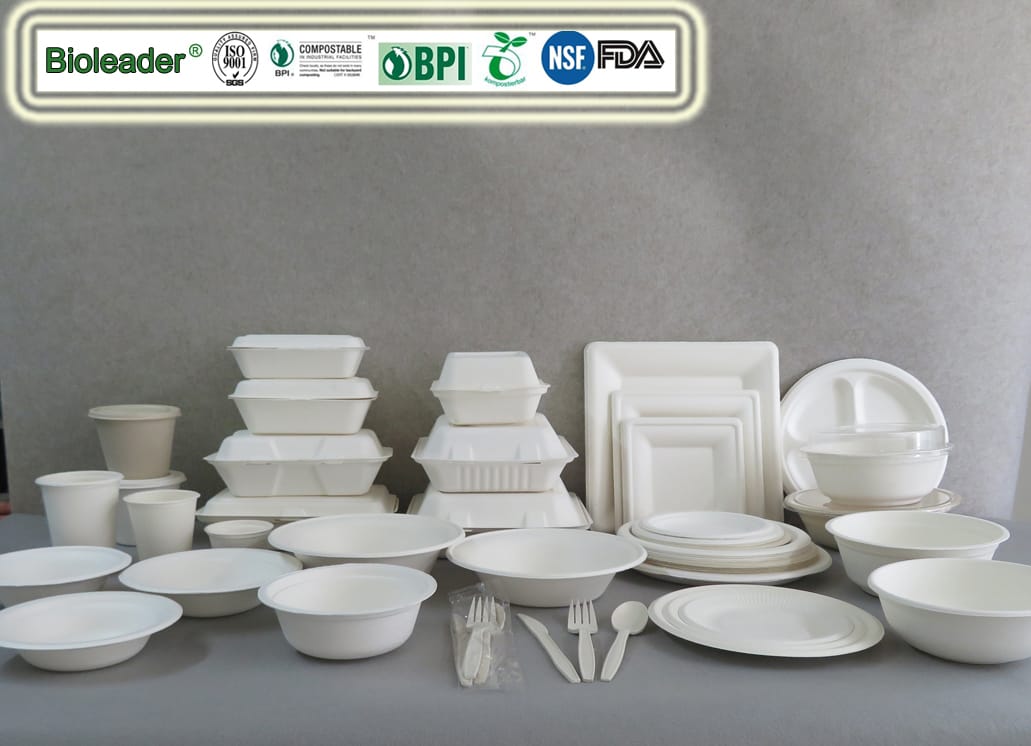
What Is a Cornstarch Clamshell Box?
A cornstarch clamshell box is a hinged food container made for convenient one-piece meal packing. In the market, it is usually positioned as part of the disposable lunch box, takeout food container, and eco friendly disposable food containers category. The clamshell structure gives foodservice operators one clear benefit: the base and lid stay connected, so the pack line moves faster and staff do not need to match a separate lid with every box.
On the product side, the value is straightforward. A clamshell box helps with packing speed, counter efficiency, stacking after sealing, and clean takeaway presentation. For brands handling lunch sets, rice dishes, noodles, grilled items, bakery products, and casual takeaway meals, that simple format can reduce handling friction during busy service windows.
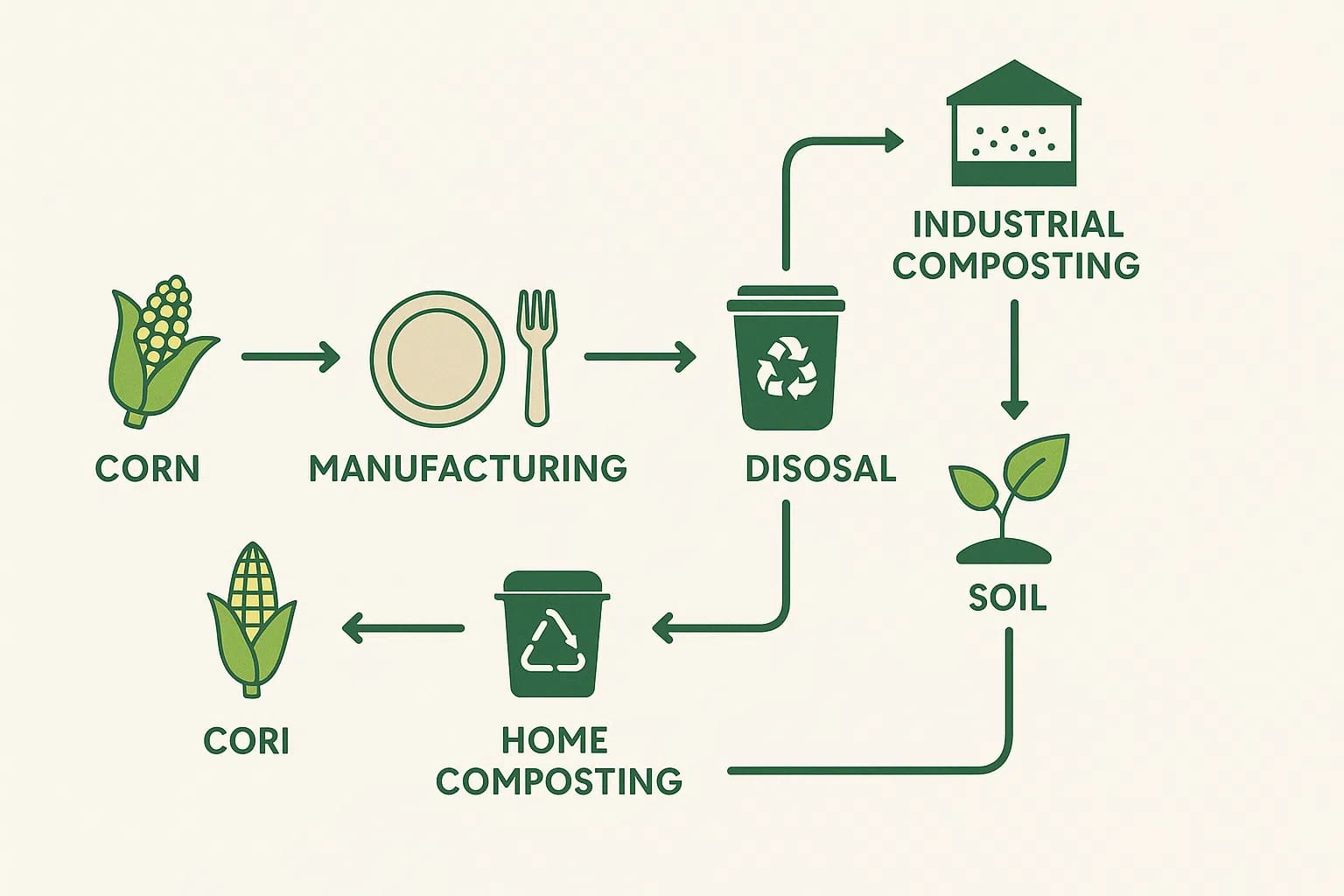
For readers who want to see common size options and product styles, the original product reference can still be used here: Cornstarch Clamshell.
Where Does It Work Best in Real Foodservice Use?
The strongest application of a cornstarch food container is in single-portion takeaway meals and delivery-ready food packaging. In practice, it works best where food needs to be packed quickly, carried securely, and opened by the customer without making the meal look compressed or messy.
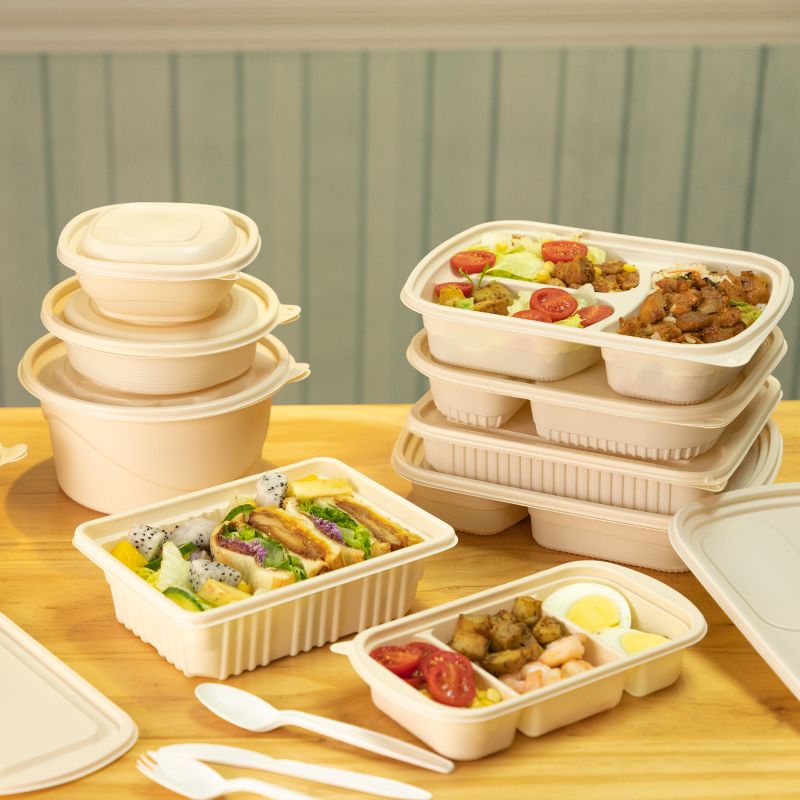
Typical use cases include:
1. Rice meals and set lunches: a good fit for fast lunch service, staff meals, school meals, and casual dine-out takeaway.
2. Fried snacks and side dishes: useful when the operator wants a box with more structure than a thin bag or wrap.
3. Noodles, pasta, and hot savory items: suitable when the product specification supports warm food contact and short holding time.
4. Bakery, sandwiches, and light meal boxes: helpful where presentation matters and the package is part of the perceived value.
This is why the cornstarch clamshell box is often chosen by brands that want packaging to feel more organized and more premium, while still staying within a disposable operating model.
How Can It Benefit Your Business?

The first benefit is service efficiency. A hinged box is faster to open, fill, and close than a base-plus-lid system. During peak takeaway hours, even small time savings per order can improve the speed of the packing station.
The second benefit is food presentation. Many restaurants now rely on social sharing, delivery app photos, and customer unboxing impressions. A tidy cornstarch tableware format can make the food look more deliberate and less like low-cost emergency packaging.
The third benefit is brand positioning. Packaging is now part of the customer’s sustainability judgment. That trend is not theoretical. The European Commission notes that packaging represents 40% of plastics used in the EU and that packaging waste reached 186.5 kg per person in 2022 [1]. At the same time, the OECD reports that only 9% of plastic waste is ultimately recycled globally [2]. For many food brands, this is one reason why switching part of the takeaway range to biodegradable food packaging or compostable takeaway containers has become a visible commercial decision, not just an environmental one.
The fourth benefit is portfolio flexibility. A business that already sells bowls, trays, cutlery, and cups can use a cornstarch clamshell box as part of a wider coordinated range that includes cornstarch tableware, biodegradable cutlery, and other takeaway packaging formats under one cleaner purchasing story.
What Should Buyers Check Before Ordering?
Even in an application-focused purchase, buyers should avoid choosing only by appearance. The right questions are operational:
- Can it hold the actual menu? Rice with sauce, oily stir-fry, fried food, or moist bakery items all stress packaging differently.
- Does the hinge stay reliable during rush-hour use? A box that looks fine in a sample room can slow down service if the lid alignment is weak.
- Is the wall rigid enough for delivery? The box should remain stable after filling, stacking, and short transport.
- Does it fit your portion size? Oversized boxes raise material cost and make meals look under-filled. Undersized boxes damage presentation and frustrate customers.
- Can it support your brand image? For many operators, the packaging must look clean, modern, and consistent with a more sustainable brand identity.
A practical sample test is still the best way to decide. Fill the box with the actual food, close it during live kitchen conditions, hold it for the normal dispatch time, and then check appearance, closure, base stiffness, and customer-opening experience. That test tells more than a generic sales claim.
Why Do Some Businesses Prefer It Over Foam or Standard Plastic?
Foam and conventional plastic are still chosen in some markets because they are familiar and often low-cost. But many food brands want a pack that better matches a modern sustainability message. A cornstarch clamshell box usually performs well for operators who want a container that feels more aligned with eco friendly disposable food containers without moving into a high-complexity packaging system.
It also fits the wider shift in how customers and platforms evaluate packaging. In many categories, the container is no longer invisible. It affects user reviews, order photos, and repeat perception. That is why packaging selection increasingly sits between operations, marketing, and customer experience.
At the same time, businesses should stay realistic. Different materials serve different menus. Some heavy-liquid applications may still be better suited to bowls or other specialty packs. A good packaging strategy does not force one material to do everything. It builds the right mix across cornstarch food boxes, bowls, trays, and related takeout food container formats.
Conclusion
The cornstarch clamshell box is best understood as an application-driven foodservice package. Its value comes from how well it supports real meals, fast service, organized delivery, and a cleaner brand image. For many restaurants, distributors, and packaging buyers, that makes it a highly practical member of the broader cornstarch tableware and biodegradable food packaging range.
The businesses that get the most value from it are usually the ones that evaluate it by actual food use, not by generic green wording alone. When the size is right, the hinge works smoothly, the filled box stays presentable, and the pack matches the brand’s sustainability positioning, a cornstarch food container can deliver both operational value and stronger customer perception.
FAQ
1. What food is a cornstarch clamshell box best for?
It is commonly used for rice meals, set lunches, fried snacks, sandwiches, bakery items, and many everyday takeaway foods that need a neat, easy-to-carry pack.
2. Is a cornstarch clamshell box suitable for hot food?
Many foodservice-grade products are designed for warm or hot meals, but buyers should confirm the specific temperature and holding-time performance for the exact item before bulk purchase.
3. Why do restaurants choose cornstarch clamshell boxes for takeaway?
Because they combine easy packing, good presentation, brand-friendly appearance, and a stronger sustainability message than foam in many takeaway settings.
4. Are cornstarch clamshell boxes better than foam containers?
For many brands, they are a better fit when the goal is to improve packaging image and support an eco friendly disposable food containers strategy. The best choice still depends on the menu, transport conditions, and budget.
5. What is the most important thing to test before placing an order?
Run a real food trial with your actual menu. Check filling speed, closure, stacking, appearance after holding, and the overall takeaway experience.
References
- [1] European Commission, Packaging Waste: packaging accounts for 40% of plastics used in the EU; packaging waste reached 186.5 kg per person in 2022.
https://environment.ec.europa.eu/topics/waste-and-recycling/packaging-waste_en - [2] OECD, Global Plastics Outlook / plastics lifecycle overview: only 9% of plastic waste is ultimately recycled globally.
https://www.oecd.org/en/publications/global-plastics-outlook_de747aef-en.html - [3] U.S. EPA, Paper and Paperboard Material-Specific Data: paper and paperboard recycling rate reached 68.2% in 2018, useful as context when foodservice buyers compare alternative takeaway packaging materials.
https://www.epa.gov/facts-and-figures-about-materials-waste-and-recycling/paper-and-paperboard-material-specific-data
Copyright Notice:
© 2026 Bioleader®. If you wish to reproduce or reference this content, you must provide the original link and credit the source. Any unauthorized copying will be considered an infringement.