Why the World Is Switching to Biodegradable & Compostable Tableware
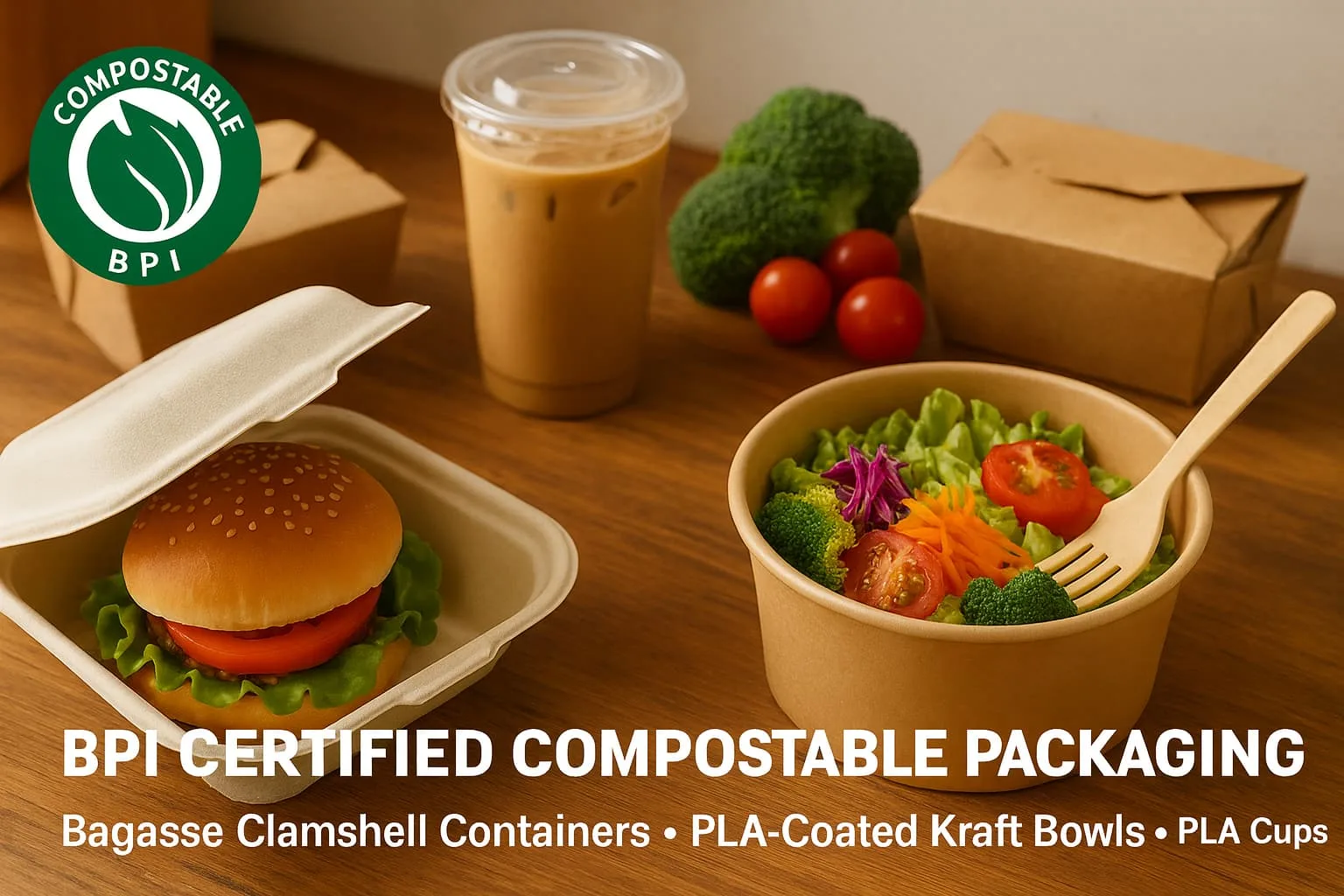
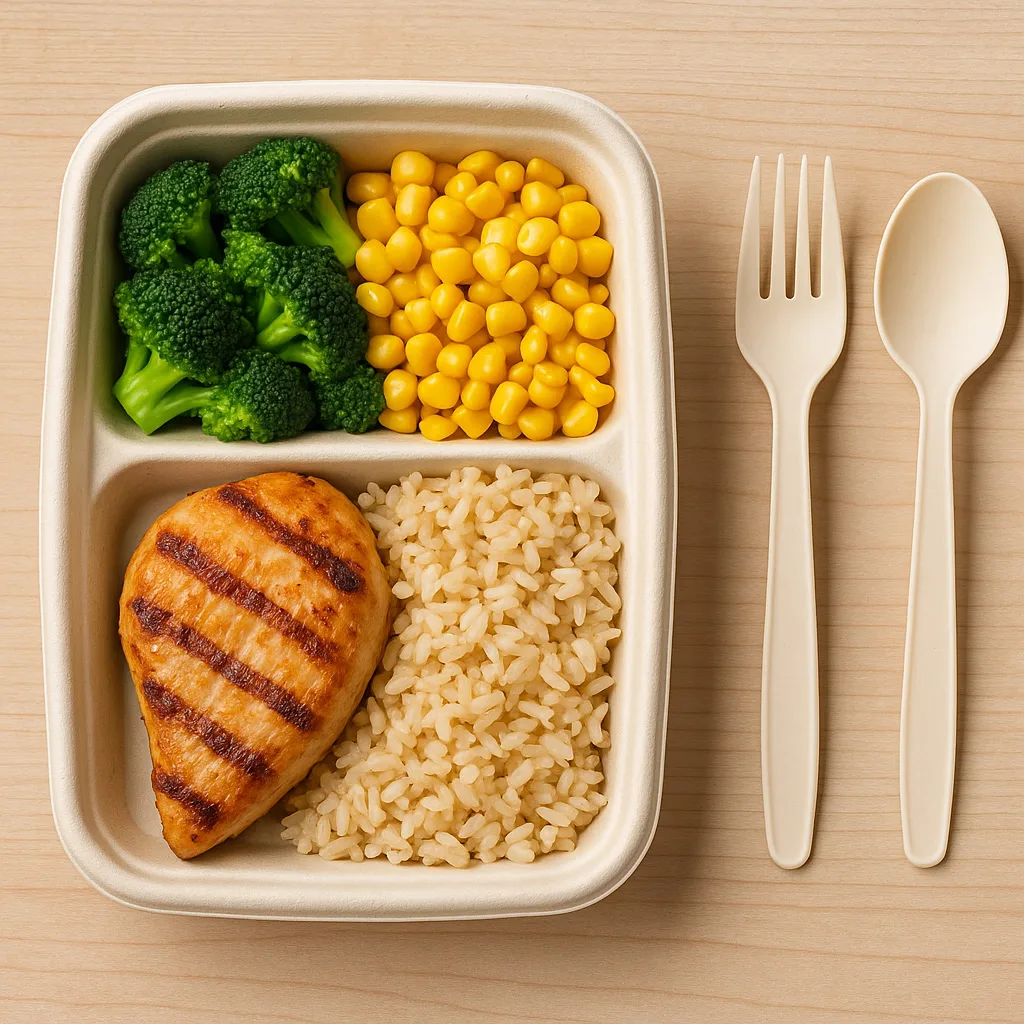
As plastic bans tighten across the globe and climate concerns escalate, both consumers and businesses are urgently seeking biodegradable & compostable tableware. Traditional plastic plates and cutlery are increasingly viewed as outdated and unsustainable. In response, eco-conscious brands are turning to innovations like sugarcane bagasse tableware, cornstarch utensils, and plant-based compostable bowls. These solutions not only reduce landfill waste but also support the shift toward a circular economy.
The demand for sustainable tableware is no longer a niche—it’s a necessity. In this guide, we rank the top 15 manufacturers worldwide in 2025 leading the charge toward plastic-free tableware.
📊 Manufacturer Snapshot Table
| Company Name | Year Founded | Headquarters | Key Products |
|---|---|---|---|
| BioPak | 2006 | Australia | Compostable food containers, eco cutlery |
| Bioleader® | 2012 | China | Bagasse tableware, cornstarch tableware |
| Vegware | 2006 | United Kingdom | Compostable bowls, utensils, cups |
| Greenwave | 2009 | USA | Sugarcane bagasse containers, trays |
| Ecoware | 2009 | India | Compostable bowls, biodegradable tableware |
| Huhtamaki | 1920 | Finland | Molded fiber trays, eco lids |
| PacknWood | 2002 | France / USA | Disposable eco plates, wooden cutlery |
| Pappco Greenware | 2012 | India | Sugarcane bagasse tableware |
| Biotrem | 2012 | Poland | Wheat bran plates, edible cutlery |
| GreenGood USA | 2005 | USA | Compostable packaging and systems |
| YJS Environmental | 2008 | China | Bagasse food containers, molded pulp |
| Ecolates | 2011 | China | Cornstarch cutlery, compostable food boxes |
| Green Olive Group | 2014 | China | Biodegradable trays, sugarcane clamshells |
| Zhiben | 2017 | China | Molded fiber tableware, plant-based lids |
| Envigreen Biotech | 2015 | India | Plastic-free compostable utensils |
1. BioPak
BioPak, headquartered in Australia, is a globally recognized leader in compostable food packaging. Since 2006, they’ve provided foodservice businesses with plant-based plates, trays, and eco friendly cutlery.
Strengths: Strong CSR programs, composting partnerships, and B Corp certification.
Weaknesses: Higher prices in international markets.
2. Bioleader®
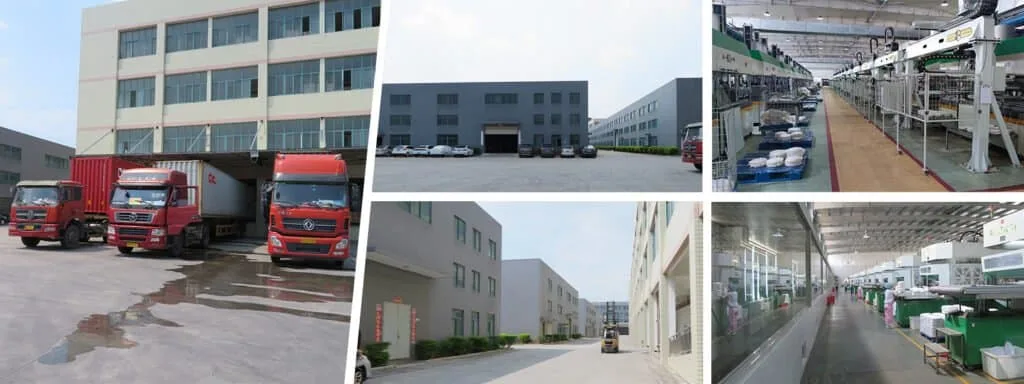
Overview: As a top-tier manufacturer and innovator in bagasse food containers, Bioleader® sets the standard in Asia and exports globally. Specializing in sugarcane-based, plant-fiber molded pulp containers, Bioleader® combines sustainability with scalable production.
Founded: 2012
Headquarters: Xiamen, China
Product Range:
Sugarcane bagasse clamshells and trays
PLA and cornstarch cups and cutlery
Molded pulp trays for takeout and supermarket packaging
Innovations:
PFAS-free coating technology
Microwave-safe and freezer-safe testing certifications
Home and industrial compostability testing (per EN13432, ASTM D6400)
Certifications:
ISO 9001, FDA, SGS, OK Compost, BPI, LFGB
Strengths:
Competitive pricing for global wholesale.
Flexible customization (OEM/ODM).
Advanced automated pulp molding production lines.
Bulk capacity: 100+ containers/month.
Challenges:
Primarily B2B focused; limited DTC visibility.
Contact:
📍 Address: No.39 Xinglong Road,Xiamen, Fujian,China
📞 Phone: +86 – 15980856610
📧 Email: [email protected]
🌐 Website: www.bioleaderpack.com
3. Vegware
UK-based Vegware is renowned for stylish, certified compostable bowls, plates, and cups for restaurants and caterers.
Pros: Great branding, high quality, widely certified in EU/US.
Cons: Higher cost, especially for custom design orders.
4. Greenwave
Operating out of the U.S., Greenwave focuses on sugarcane bagasse products for institutional and commercial dining.
Pros: Strong U.S. distribution, FDA compliant
Cons: Limited global export outside North America
5. Ecoware
India’s Ecoware offers 100% compostable bowls, trays, and plant-based utensils since 2009.
Pros: Affordable, plastic-free, zero waste
Cons: Design variety is limited
6. Huhtamaki
This Finnish conglomerate is a global packaging powerhouse with a dedicated molded fiber line.
Pros: R&D strength, sustainability reporting
Cons: Not specialized in food-grade customization
7. PacknWood
A French-American supplier known for premium eco friendly cutlery and disposable eco plates with elegant aesthetics.
Pros: FSC-certified, great for upscale brands
Cons: Not cost-effective for mass markets
8. Pappco Greenware
Pappco serves India and Southeast Asia with cost-effective bagasse packaging and plant based utensils.
Pros: High-volume capacity, broad product range
Cons: Packaging designs are less refined
9. Biotrem
Biotrem (Poland) innovates with wheat bran-based plates and cutlery, some of which are even edible.
Pros: Unique compostable concept
Cons: Shorter shelf life, higher fragility
10. GreenGood USA
Offers compostable food containers and accompanying composting systems, ideal for closed-loop cafeterias.
Pros: Integrated systems for schools/hospitals
Cons: Niche customer base
11. YJS Environmental
Founded in 2008, YJS Environmental is a Chinese leader in bagasse molded pulp products with ISO/FDA certifications.
Pros: OEM/ODM options, high production output
Cons: Less known brand identity
12. Ecolates
Ecolates specializes in compostable tableware made from cornstarch and PLA, with stylish designs for export.
Pros: Modern factory, flexible MOQ
Cons: Developing international presence
13. Green Olive Group (China)
Provides plastic-free food containers and compostable plates, used widely in Asia-Pacific catering.
Pros: Large supply chain network
Cons: Limited branding support
14. Zhiben
Zhiben focuses on molded fiber packaging for electronics and food, blending functionality and design.
Pros: Advanced automation and design patents
Cons: High minimum order volumes
15. Envigreen Biotech
Offers starch-based, plastic-free utensils, gaining traction in eco-focused communities.
Pros: 100% oil-free and toxin-free products
Cons: Limited to small-scale production
Conclusion: The Future of Tableware Is Here
From multinational giants like Huhtamaki and Vegware to rising Asian innovators such as Bioleader® and YJS Environmental, these fifteen manufacturers represent the most influential and forward-thinking players in the biodegradable & compostable tableware industry. Each company contributes uniquely—some with cutting-edge R&D in plant-based utensils, others with scalable OEM solutions for compostable food containers and eco friendly cutlery.
While Western brands often lead in design aesthetics and certification transparency, Chinese manufacturers like Bioleader® offer unmatched production scale, cost-efficiency, and export agility. Indian companies such as Ecoware, Envigreen, and Pappco bridge affordability with environmental responsibility, serving both emerging and mature markets.
Despite their differences, all 15 share one mission: to replace outdated, polluting plastic tableware with high-performance, planet-friendly alternatives—like sugarcane bagasse plates, cornstarch bowls, and plastic-free takeaway trays—that meet the growing demands of global consumers and regulators alike. This dynamic mix of innovation, volume capacity, and ecological integrity makes them the key players shaping the sustainable food packaging future.
🌱 FAQ
1. What are biodegradable and compostable tableware made from?
Most are made from sugarcane bagasse, cornstarch, wheat bran, or PLA (plant-based plastic).
2. Is biodegradable cutlery microwave-safe?
Bagasse and cornstarch products are generally microwave-safe for short durations, but always check packaging.
3. How do I know if a product is truly compostable?
Look for third-party certifications like BPI, TÜV Austria, or EN13432.
4. Which is better: bagasse or plastic-free PLA?
Bagasse decomposes faster and is preferred for hot items; PLA is clearer but needs industrial composting.
5. Where can I buy biodegradable tableware wholesale?
Leading manufacturers like Bioleader®, Pappco, and Vegware offer bulk purchasing with private labeling.
References
European Bioplastics e.V.
“What are bioplastics?”
https://www.european-bioplastics.org/bioplastics/United States Environmental Protection Agency (EPA)
“Composting at Home”
https://www.epa.gov/recycle/composting-homeWikipedia Contributors
“Biodegradable Packaging for Environment” – Wikipedia
https://en.wikipedia.org/wiki/Biodegradable_Packaging_for_Environment- Wikipedia Contributors
“Bagasse” – Wikipedia
https://en.wikipedia.org/wiki/Bagasse Xiamen Bioleader Environmental Protection Technology Co., Ltd.
“About Us – Bioleader®”
https://www.bioleaderpack.com/about-us/Xiamen Bioleader Environmental Protection Technology Co., Ltd.
“Products – Sugarcane Bagasse Tableware”
https://www.bioleaderpack.com/products/sugarcane-bagasse-tableware/Xiamen Bioleader Environmental Protection Technology Co., Ltd.
“Products – Compostable Cornstarch Cutlery”
https://www.bioleaderpack.com/products/cornstarch-cutlery/Biotrem Sp. z o.o.
“Innovative Wheat Bran Tableware”
https://biotrem.pl/en/