Introduction
Planning a memorable party or event involves more than just food and music—it’s about creating an experience that feels thoughtful, effortless, and responsible. In an age where sustainability is a core value for both consumers and event professionals, the tools we use to serve food matter more than ever. Enter eco disposable sectioned dinner plates: the sustainable solution designed for efficiency, style, and environmental consciousness.
This blog explores why these plates are revolutionizing the party and catering industry, the science behind their eco-friendly benefits, and how choosing the right biodegradable party plates can transform your event into a zero-waste success.
1. What Are Eco Disposable Sectioned Dinner Plates?
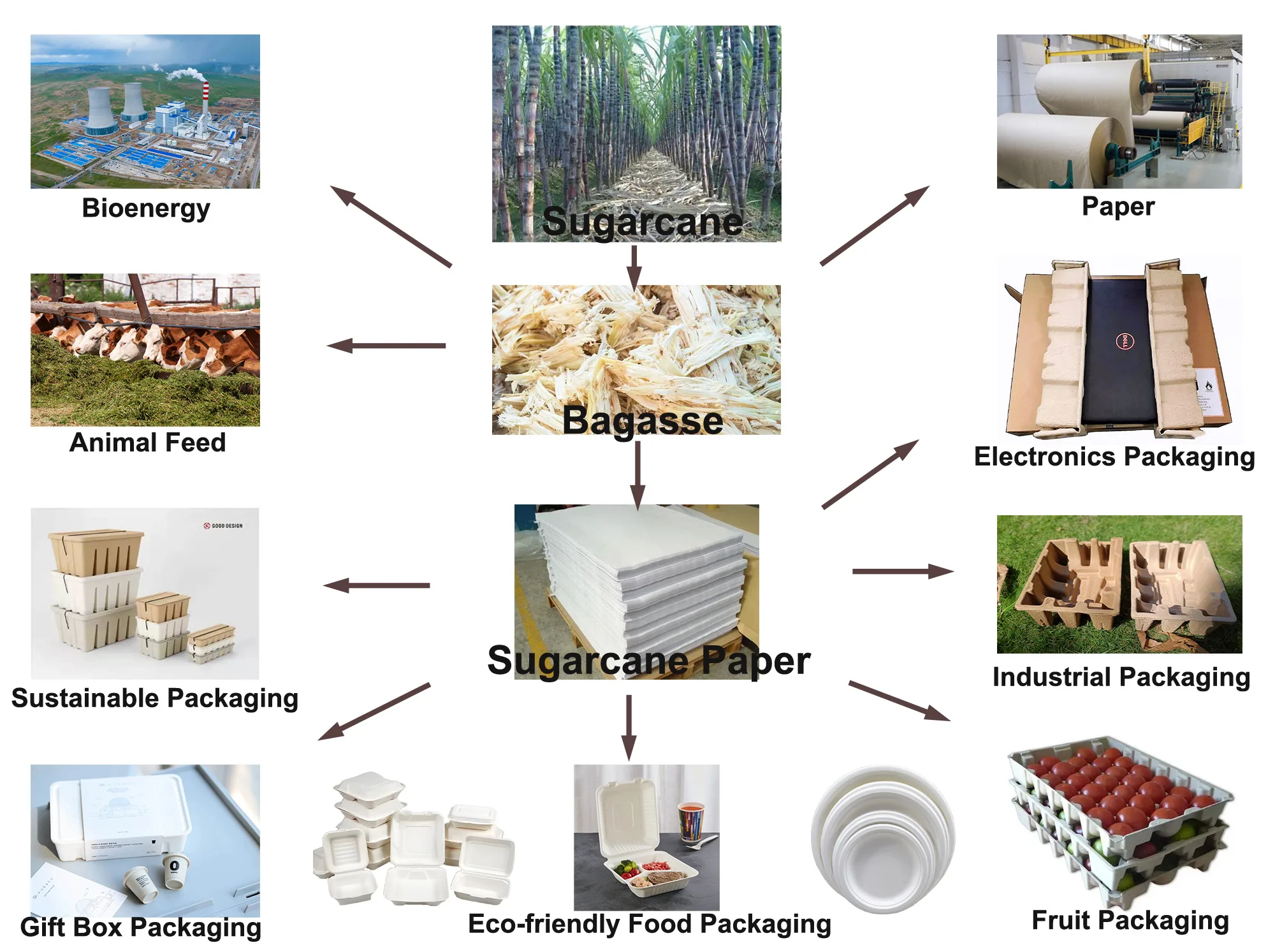
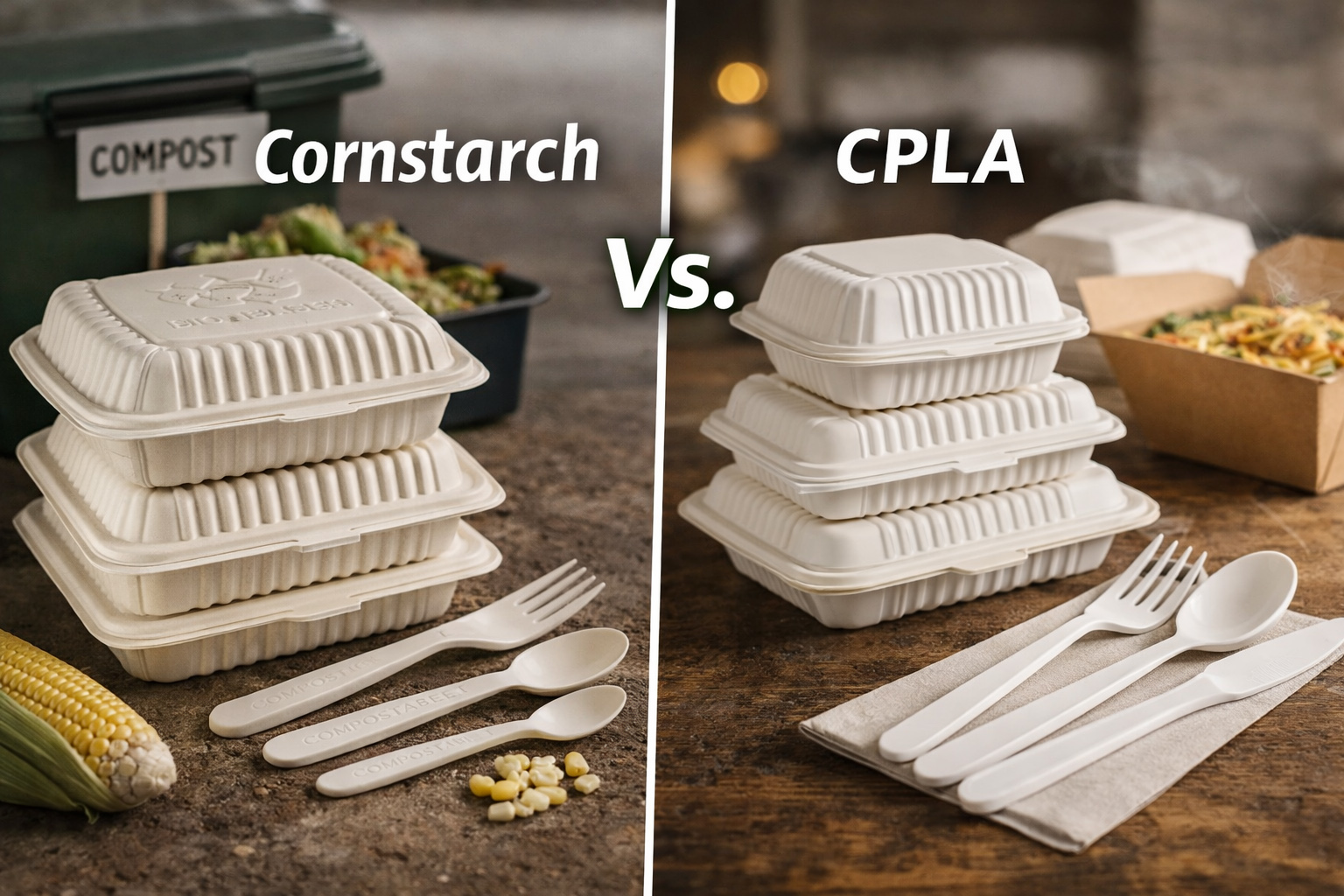
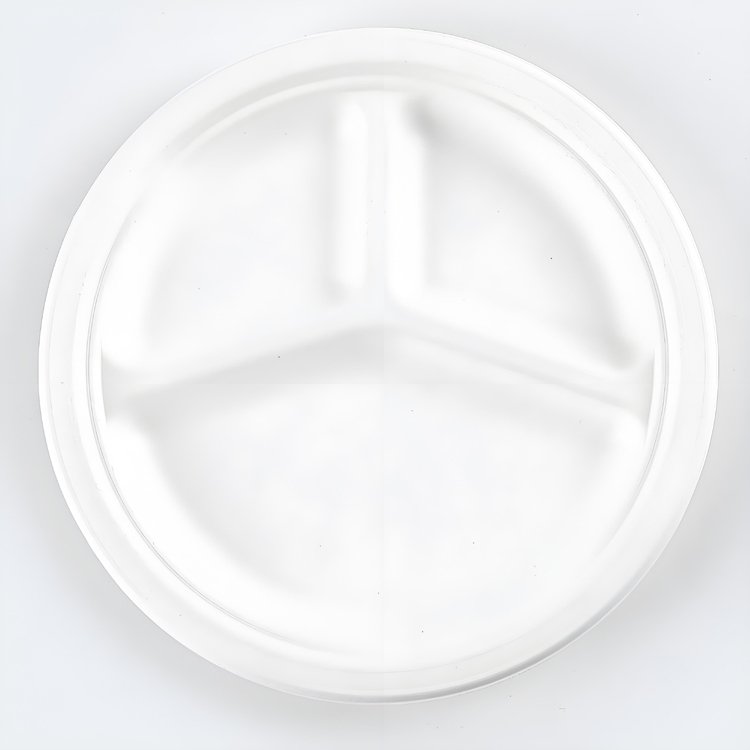
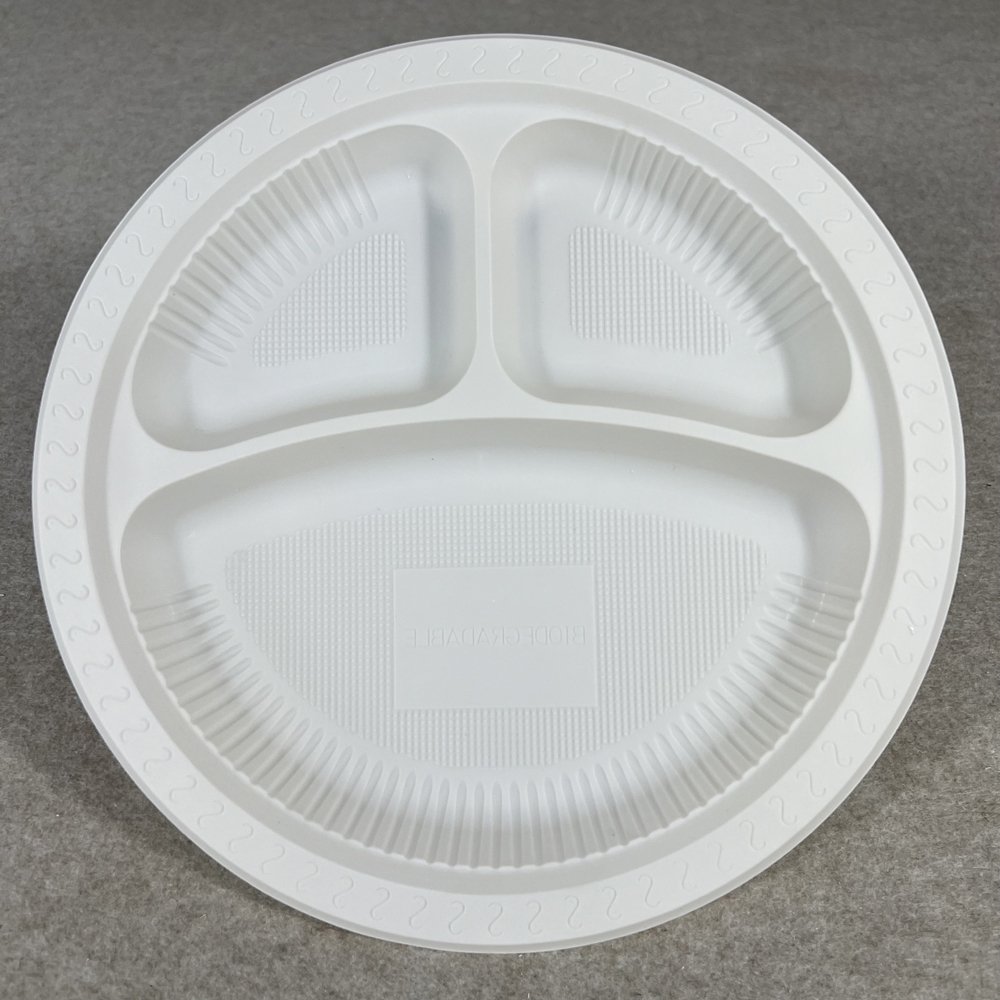
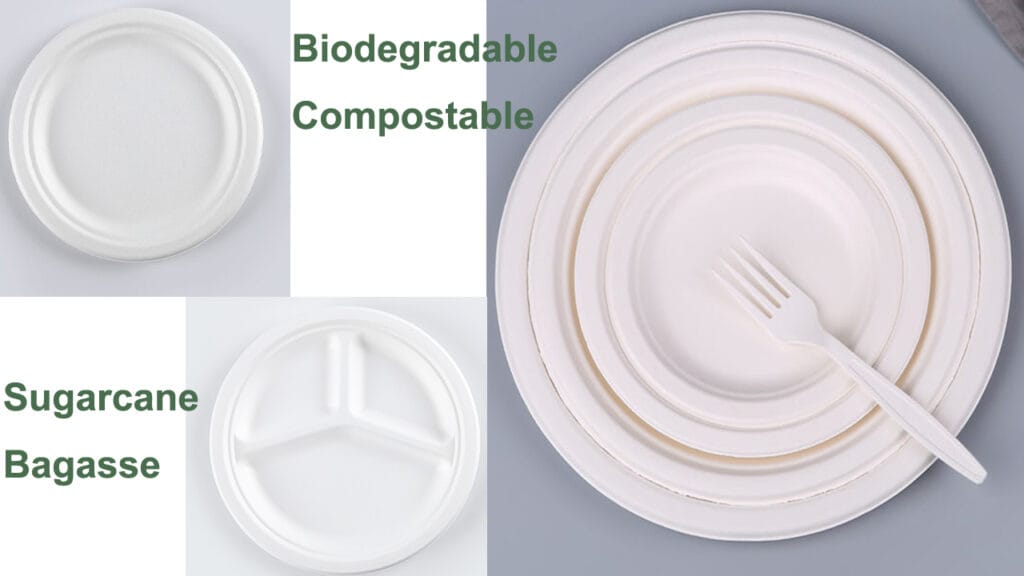
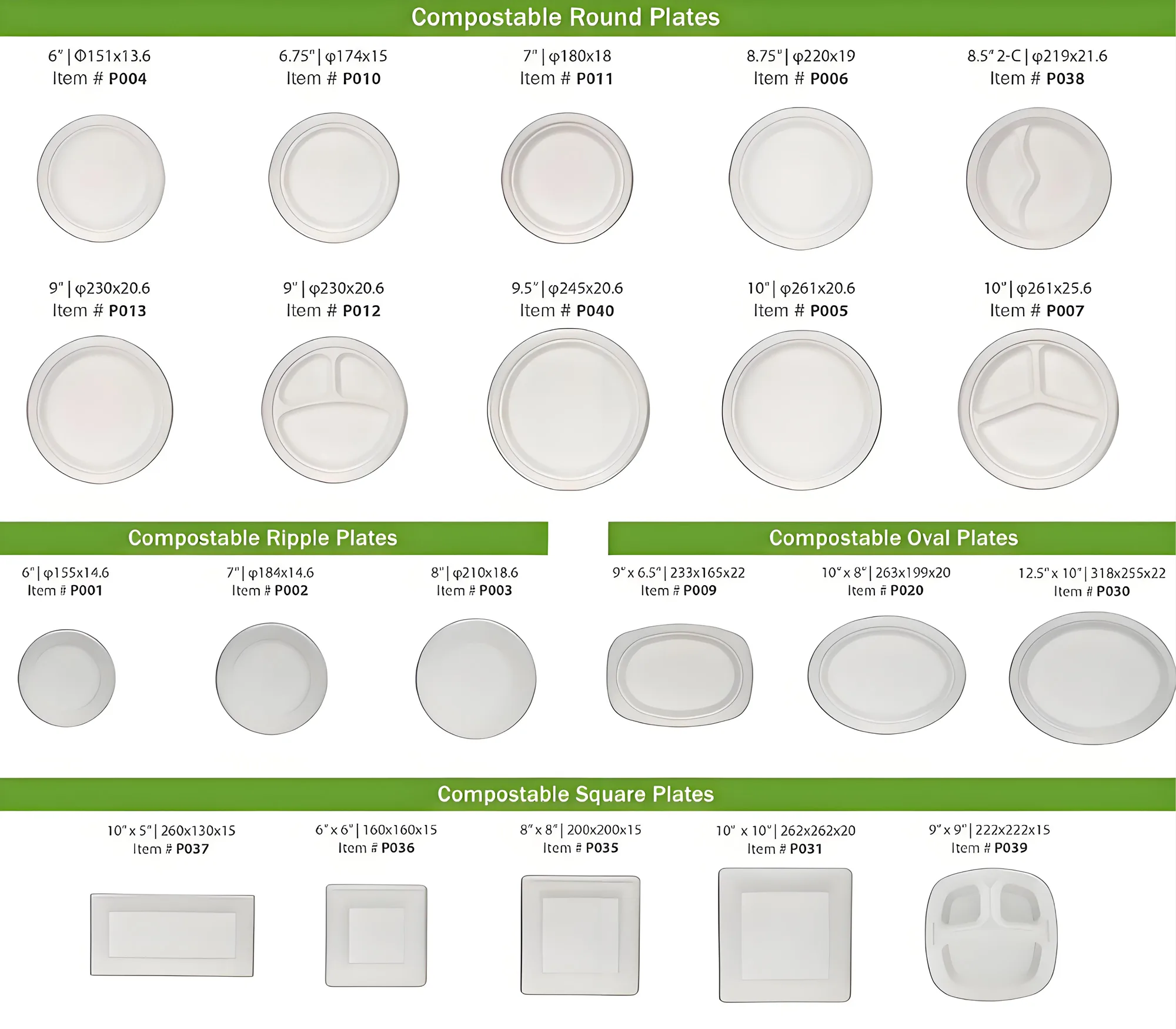
Eco disposable sectioned dinner plates are single-use plates made from compostable or biodegradable materials like sugarcane bagasse, cornstarch, or wheat straw. They feature multiple compartments or sections that allow for portion control and prevent food mixing—a critical feature for buffets, bento-style meals, and diverse food menus at parties.
These plates serve the dual purpose of being highly functional and environmentally responsible, offering a better alternative to plastic and Styrofoam plates that pollute landfills and oceans.
2. Why Use Sectioned Plates for Parties?
a. Efficient Food Presentation
Sectioned plates provide clean, compartmentalized serving areas, which makes them ideal for multi-course meals, potlucks, or culturally diverse cuisines where mixing flavors is undesirable.
b. Minimizes Food Waste
Guests are more likely to take appropriate portions when plates are divided. This supports portion control and reduces over-serving, which translates to less food waste.
c. Enhances Visual Appeal
Well-plated food enhances the overall dining experience. A sectioned plate organizes the meal beautifully, which can be especially beneficial for social media-savvy guests who love to share their food photos.
d. Suitable for All Ages
Whether it’s a kid’s birthday party, a wedding, or a corporate event, sectioned plates cater to different dietary needs and preferences.
3. The Environmental Cost of Traditional Plastic Plates
The global plastic pollution crisis is accelerating. According to a 2021 UNEP report, over 400 million tons of plastic are produced annually, and a significant portion comes from single-use items like cutlery and plates. Most of these plastics are non-biodegradable, taking hundreds of years to break down and leaching harmful chemicals into soil and water systems.
Polystyrene (Styrofoam), commonly used for cheap party plates, is non-compostable and toxic when incinerated. It has been banned in several regions due to its environmental and health impacts.
Using eco disposable plates helps mitigate this damage and shifts demand toward greener production.
4. What Makes Eco Disposable Sectioned Plates Sustainable?
a. Compostability
Materials like sugarcane bagasse are fully compostable, breaking down in commercial composting facilities within 60–90 days.
b. Renewable Resources
Bagasse and cornstarch come from agricultural waste or renewable crops, making them a far better choice than petroleum-based plastics.
c. Minimal Carbon Footprint
Compared to plastic manufacturing, producing compostable dinnerware requires less energy and emits fewer greenhouse gases.
d. Safe for Humans and Soil
These plates are free from PFAS (per- and polyfluoroalkyl substances), heavy metals, and other harmful additives. When composted, they enrich soil quality rather than degrade it.
5. Use Cases: Ideal Scenarios for Sectioned Eco Plates
- Weddings & Receptions – Formal meals served in elegant, sustainable packaging.
- Corporate Events – Show commitment to ESG goals with eco-conscious catering.
- Birthday Parties – Kid-friendly and safe for all ages.
- Food Festivals – Serve multiple cuisines with zero mess.
- Picnics & BBQs – Durable and leak-resistant for outdoor use.
6. Choosing the Right Eco-Friendly Sectioned Plate
When sourcing eco-friendly party plates, consider the following:
- Material: Sugarcane bagasse is the most popular for its strength and fast compostability.
- Number of Sections: Choose based on your menu layout.
- Microwave Safe & Leak-Proof: Ensures versatility and reliability.
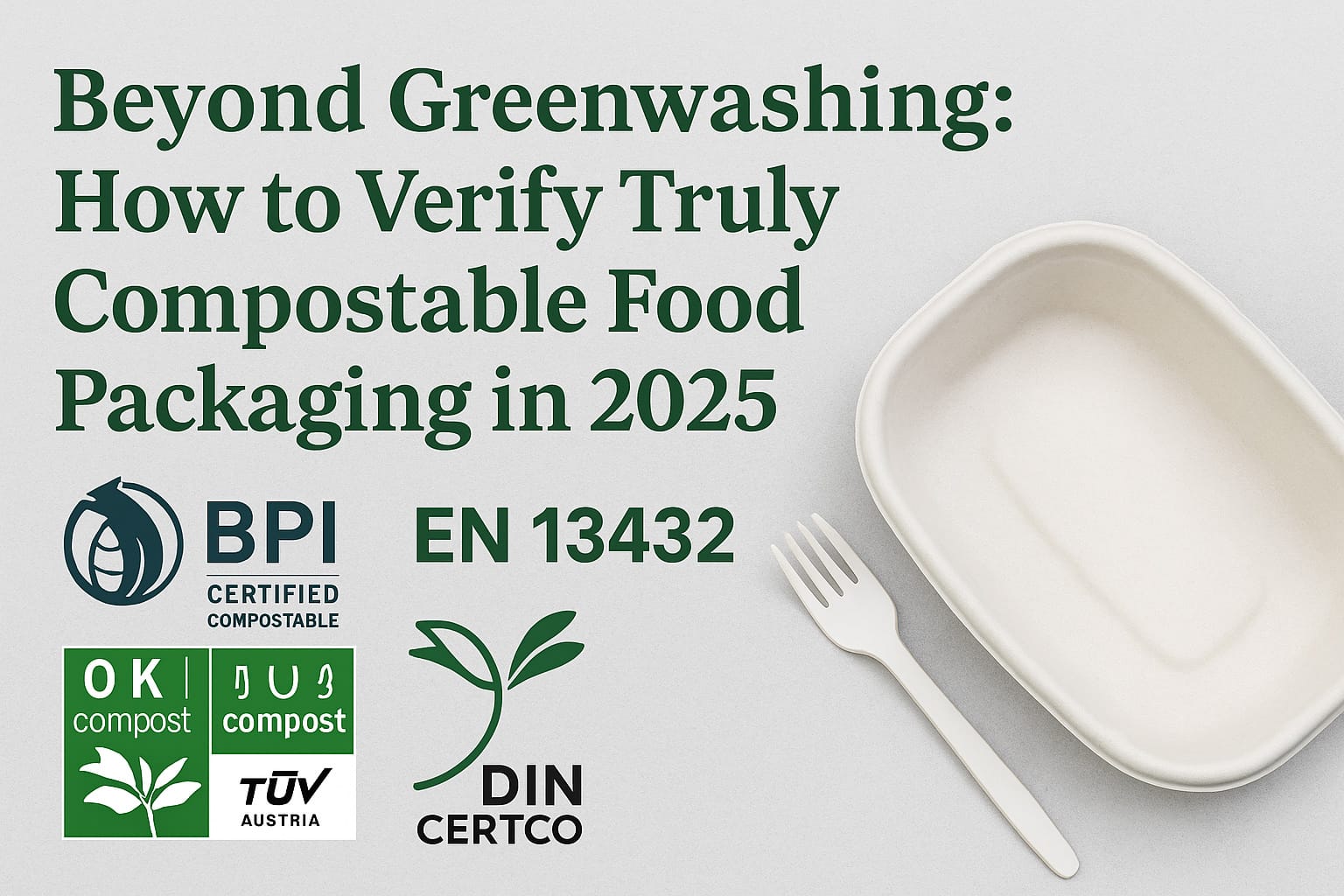
- Certifications: Look for BPI, OK Compost, or EN13432 certification.
7. Benefits Beyond the Environment
a. Brand Differentiation
For businesses and caterers, using sustainable tableware sends a strong message about corporate responsibility and innovation.
b. Convenience
No washing. No waste sorting. These plates go straight into the compost bin.
c. Compliance with Green Regulations
As cities and countries enforce bans on single-use plastics, switching to compostable plates keeps your event legally compliant.
8. How to Host a Truly Zero-Waste Party
- Use compost bins and signage to educate guests.
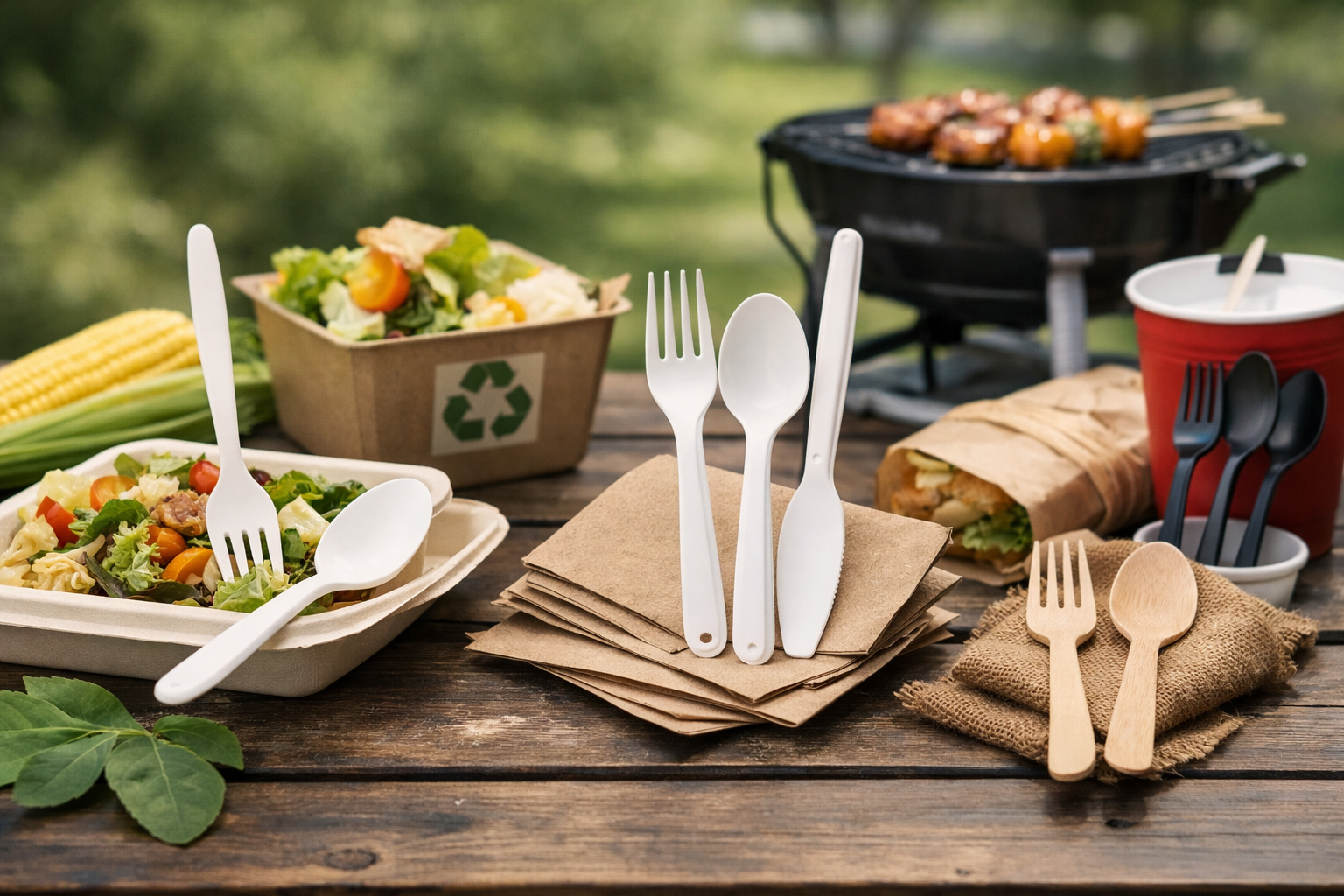
- Pair sectioned plates with compostable cutlery and cups.
- Choose local, organic catering to reduce food miles.
- Avoid plastic decorations—opt for recyclable or reusable options.
9. Scientific Backing: Why Biodegradable is Better
Studies by institutions like the Environmental Protection Agency (EPA) and National Renewable Energy Laboratory (NREL) show that compostable foodware reduces landfill mass by up to 90% when properly disposed of.
Moreover, LCA (life cycle assessment) data indicates that sugarcane-based packaging emits 50–70% fewer greenhouse gases than conventional plastics over its entire life cycle.
10. Recommended Supplier: Xiamen Bioleaderpack Co., Ltd.
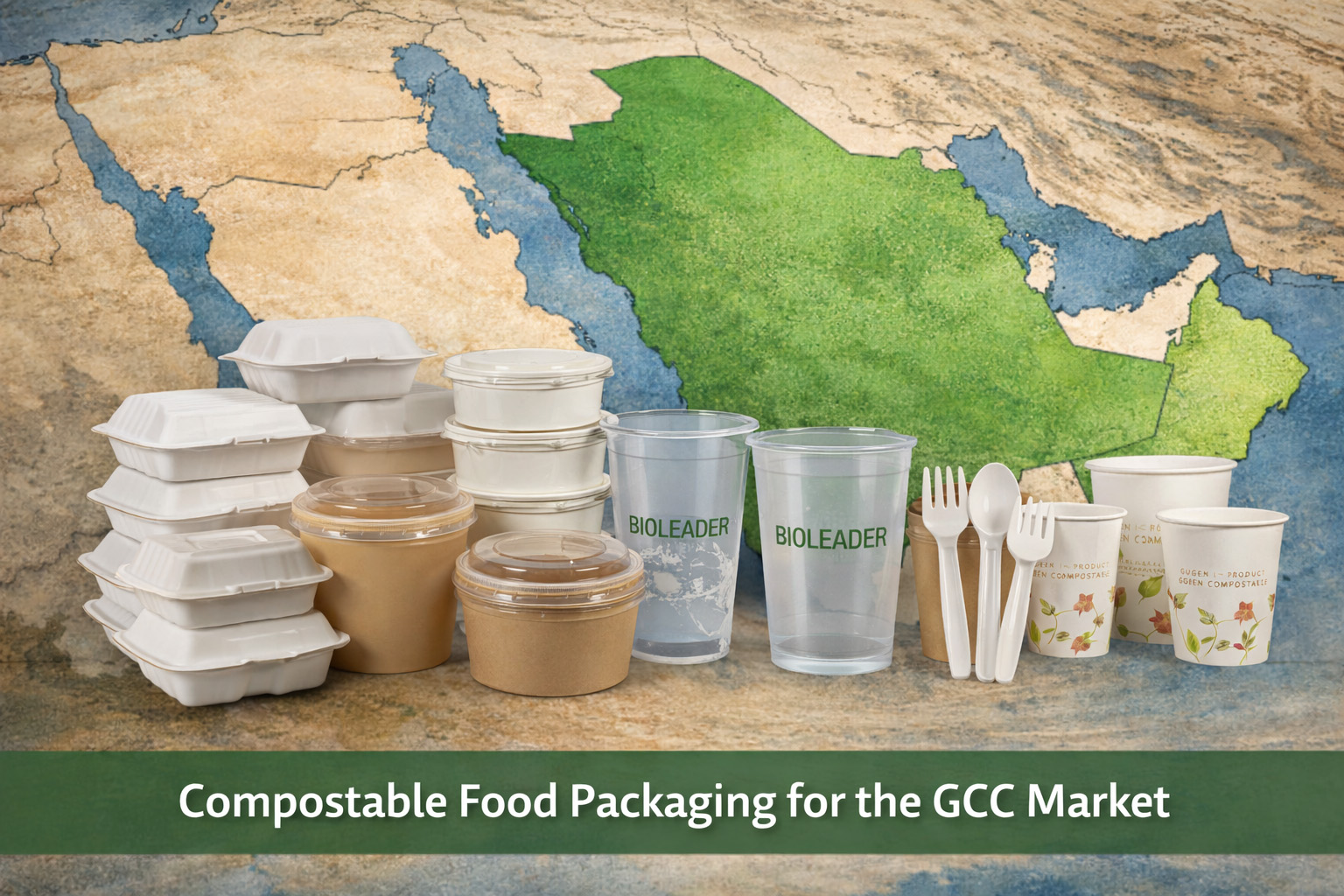
For those looking to purchase high-quality biodegradable sectioned dinner plates- bagasse plates in bulk, we recommend sourcing from Xiamen Bioleaderpack Co., Ltd. Their products are certified, reliable, and tailored for both retail and food service operations.

Conclusion: Smart Parties Start with Smart Plates
Sustainable celebrations don’t require compromise. With eco disposable sectioned dinner plates, you can achieve beautiful food presentation, effortless cleanup, and environmental responsibility in one simple choice. Whether you’re hosting a cozy gathering or a grand event, this eco innovation brings both peace of mind and elevated style to the table.
Make the switch today—for your party, your guests, and the planet.
FAQs
Q1: Are compostable plates microwave safe?
Yes, most bagasse and cornstarch-based plates are microwave safe for short durations.
Q2: Do sectioned plates cost more than regular plates?
Slightly, but the environmental and functional value far outweighs the cost difference.
Q3: Can these plates hold liquids like sauces or gravies?
Yes, high-quality compostable plates are leak-proof and durable.
Q4: Where can I buy these plates in bulk?
We recommend Xiamen Bioleaderpack Co., Ltd. for wholesale and custom solutions.
Q5: What happens if I throw these plates in regular trash?
While composting is ideal, they still degrade faster than plastics even in landfill conditions.