Wheat Straw Plates Pros And Cons 101: What It Is, When To Use, And How To Choose | Bioleader® Insights
Actionable coverage of wheat straw plates pros and cons: eco-friendly, biodegradable, compostable materials, performance data, and compliance under EN13432 & ASTM D6400. Includes BPI/TÜV references and Food-Contact Tested guidance for safe deployment. Buyer-focused: manufacturer insights, bulk/wholesale buying playbooks, OEM/ODM customization tips, full size range selection.
wheat straw plates pros and cons — Quick Summary
Items displayed (articles): 12
Last updated: 2025-04-16
Includes test data, compliance guides, buyer FAQs, and real-world use cases.
FAQ of Bioleader's Eco-friendly Disposable Tableware
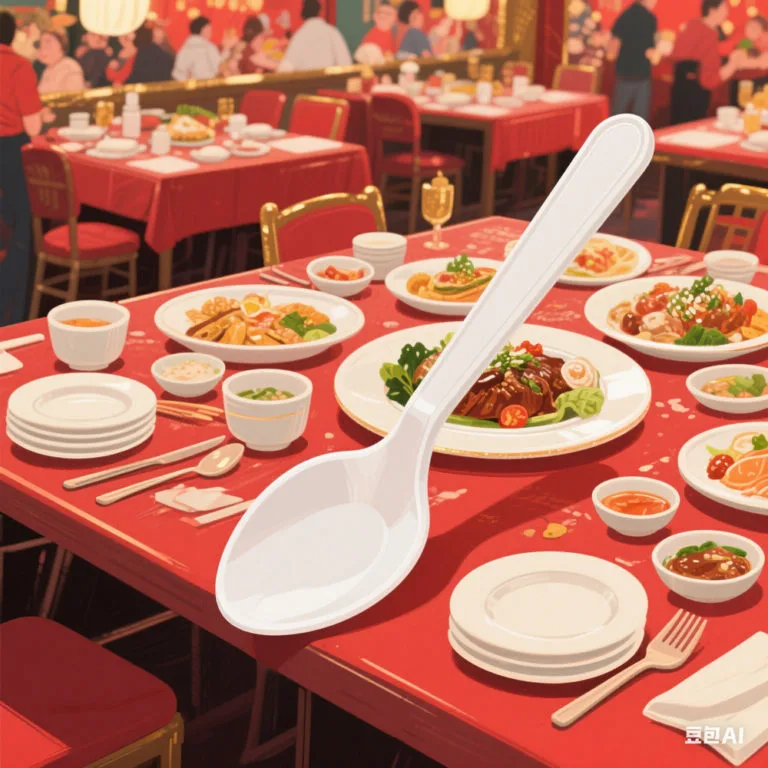
Can PLA spoons be customized for business branding?
Absolutely. PLA spoons can be ordered with customizable packaging and logo printing to support branding for restaurants, catering, and food delivery businesses.
How are biodegradable spoons and forks produced?
These utensils are created through a meticulous production process, ensuring high quality and durability.
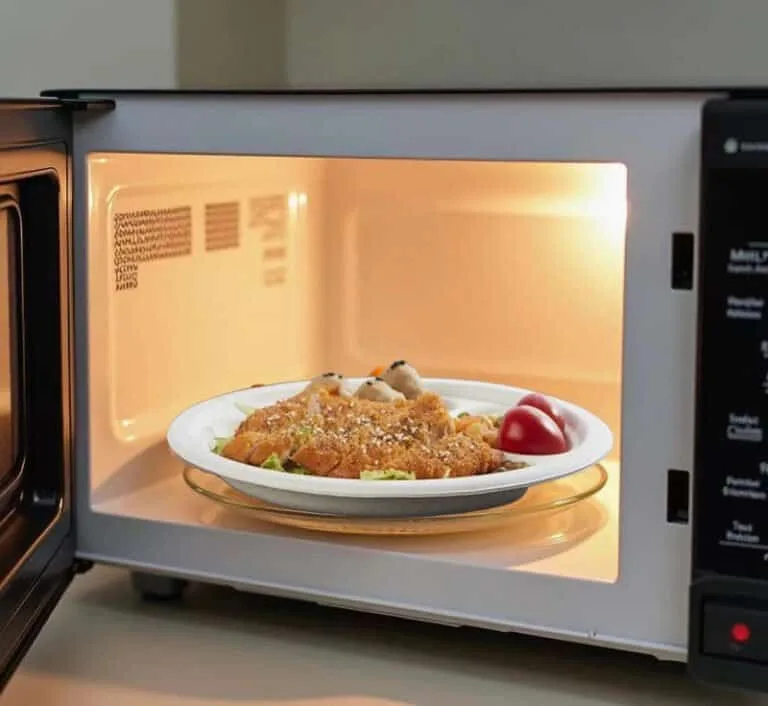
Are eco-friendly utensils safe for hot and cold foods?
Yes, high-quality eco-friendly utensils are designed to withstand both hot and cold foods without bending or breaking, making them suitable for various dining needs.
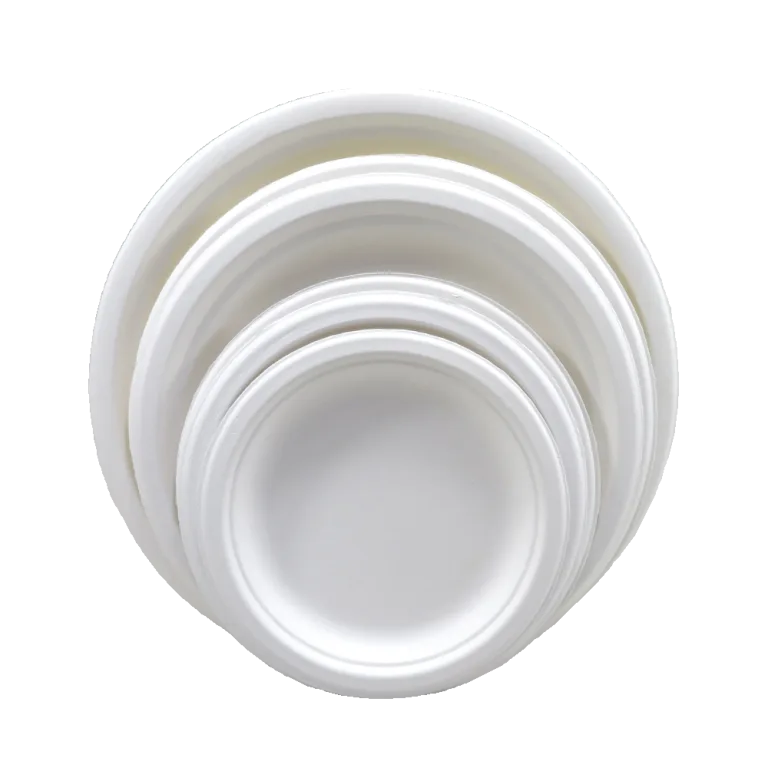
Are wheat straw plates really biodegradable?
Yes, wheat straw plates are fully biodegradable — wheat straw plates pros and cons. Under industrial composting conditions, they typically decompose within 90–180 days, and within 6–12 months in backyard compost setups , wheat straw plates pros and cons.
How do wheat straw plates compare to plastic plates?
Wheat straw plates are biodegradable, compostable, and non-toxic, while plastic plates are petroleum-based, non-biodegradable, and may leach harmful chemicals , wheat straw plates pros and cons.