Waste Valorization Essentials: Quick Guide | Bioleader®

Browse articles grouped under the "Waste Valorization" tag for topic-specific information and examples. The featured articles may approach the topic from different product, material, application, market, or sourcing perspectives. Check each article for its exact scope, technical data, standards, sources, and recommendations.
Waste Valorization — Content Overview
  • Featured articles shown: 12
  • Directly tagged articles: 1
  • Latest tagged article update: 2025-06-12
  • Coverage, examples, and specific recommendations vary by individual article.

Editor's Picks: Top Waste Valorization Guides 2026

FAQ of Bioleader's Eco-friendly Disposable Tableware

What is the capacity of a 1300ml paper salad bowl?

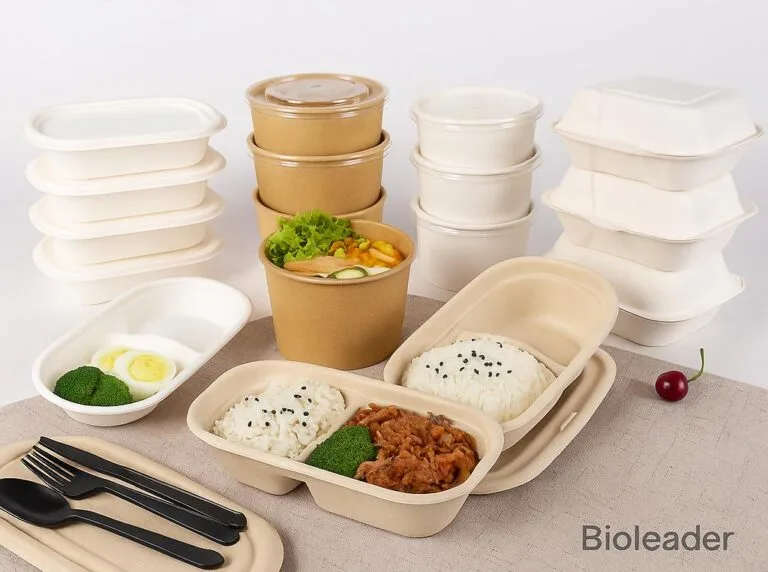
A 1300ml paper salad bowl is designed for extra-large single-serve or generous meal-size portions. It is commonly used for salads, rice bowls, poke bowls, cold noodles, pasta, fruit portions, desserts, side dishes, and takeaway meals. For buyers building a wider foodservice range, 1300ml can be paired with 500ml, 750ml, 1000ml, 1090ml, and 1200ml paper salad bowls — Waste Valorization.

What is the capacity of a 750ml rectangular paper salad bowl?

A 750ml rectangular paper salad bowl is designed for regular single-serve or meal portions. It is commonly used for salads, rice bowls, sushi-style meals, cold noodles, desserts, side dishes, and takeaway meals , Waste Valorization. For buyers building a wider rectangular bowl range, 750ml can be paired with 500ml, 650ml, and 1000ml rectangular paper bowls — Waste Valorization.

What is the capacity of a 1000ml rectangular paper salad bowl?

A 1000ml rectangular paper salad bowl is designed for large single-serve or meal portions. It is commonly used for salads, rice bowls, sushi-style meals, cold noodles, pasta, desserts, side dishes, and takeaway meals. For buyers building a wider rectangular bowl range, 1000ml can be paired with 500ml, 650ml, and 750ml rectangular paper bowls.

What are the environmental benefits of using bagasse?

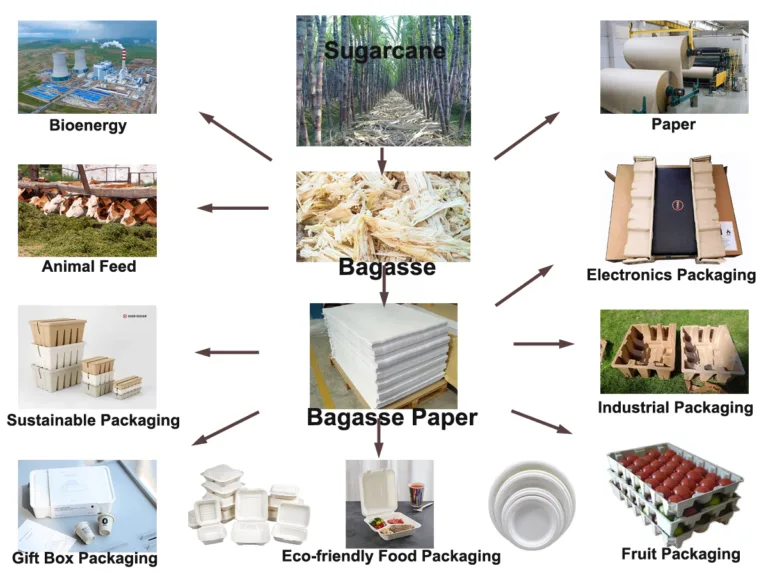
Bagasse reduces agricultural waste, lowers greenhouse gas emissions, and supports circular economy practices by transforming byproducts into value-added sustainable goods.

What is bagasse used for in the sugar industry?

Bagasse is used as a biofuel to power sugar mills, as a raw material for paper and packaging products, and in producing biodegradable tableware and building materials.

Related Insights

🚀Ready to Go Green and Choose ?

Join the global movement toward zero-waste packaging.


Bioleader® offers:

  • 📦 Bulk order support & fast delivery

  • ✍️ Custom branding and OEM solutions

  • 🌍 Worldwide eco-packaging compliance

Get the Catalogue Products List  & Contact Us Now! 👉

Contact Us for Quote

Click or drag files to this area to upload.You can upload up to 5 files.
The more details you share, the faster and more accurate our quotation will be.