Waste Reduction Compliance Checklist | Bioleader® Sustainable Packaging

Actionable coverage of Waste Reduction: eco-friendly, biodegradable, compostable materials, performance data, and compliance under EN13432 & ASTM D6400. Includes BPI/TÜV references and Food-Contact Tested guidance for safe deployment. Buyer-focused: manufacturer insights, bulk/wholesale buying playbooks, OEM/ODM customization tips, full size range selection.

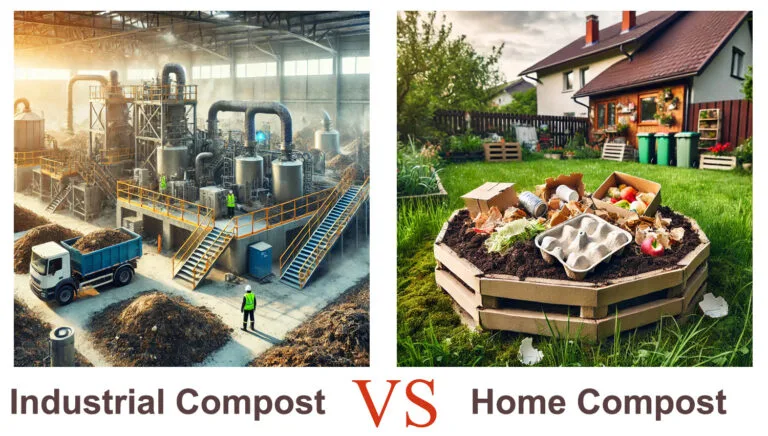
Quick Summary: Industrial Compost vs Home Compost

Industrial composting and home composting both turn organic waste into useful compost, but they are not the same system. Industrial composting uses controlled high heat, moisture, oxygen, and processing equipment, while home composting relies on slower natural decomposition in a backyard bin or pile.

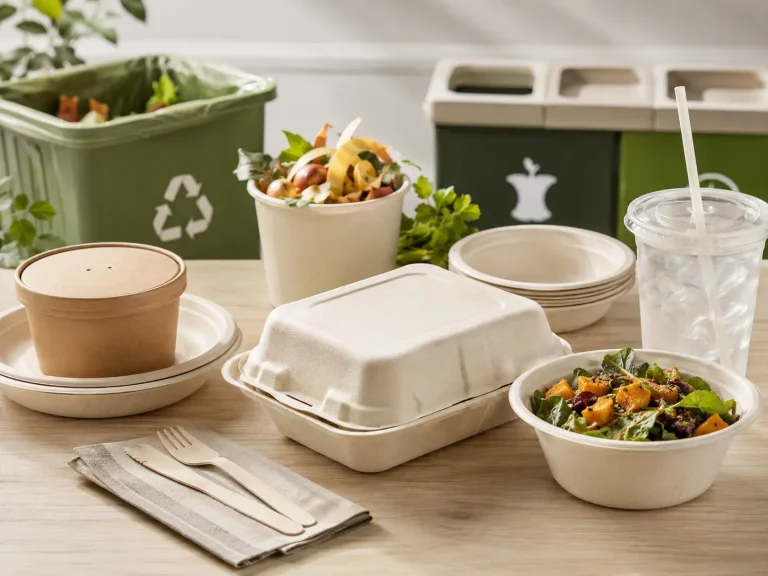
Best material match: PLA, PHA, coated compostable paper cups, certified compostable cutlery, and many compostable food packaging products usually require industrial composting. Food scraps, yard waste, uncoated paper, cardboard, coffee grounds, and untreated natural fibers are more suitable for home composting.

Buyer note: “compostable” does not always mean “home compostable.” Buyers should check certification marks, composting conditions, local facility acceptance, material composition, and whether the product is certified for industrial composting or home composting.

Waste Reduction — Quick Summary
  • Items displayed (articles): 12
  • Last updated: 2025-02-14
  • Includes test data, compliance guides, buyer FAQs, and real-world use cases.

Editor’s Picks: Top Waste Reduction Guides 2026

FAQ of Bioleader's Eco-friendly Disposable Tableware

5. What certifications should I look for when buying from an eco tray factory?

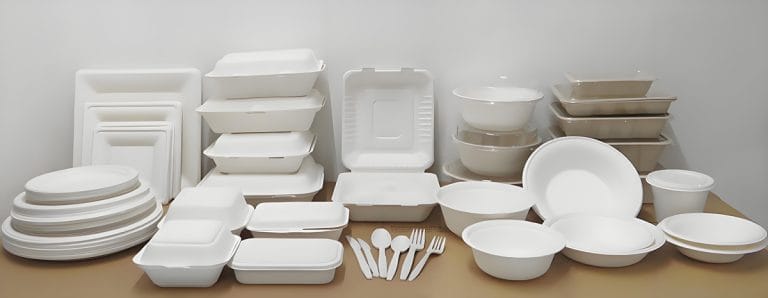
Reputable factories provide certifications such as OK Compost, BPI, TÜV Austria, EN13432, FDA, and LFGB. These ensure the trays are compostable, food-safe, and compliant with international sustainability standards — Waste Reduction. Packaging Insight: Why Choose Bioleader® Eco-Friendly Trays with Lids for Sustainable Food Packaging How do Bioleader® eco-friendly trays combine performance with sustainability? Utilizing bagasse and other renewable fibers, these trays deliver sturdy, leak-resistant food packaging that withstands hot and cold meals, while being fully compostable.

Catering Service

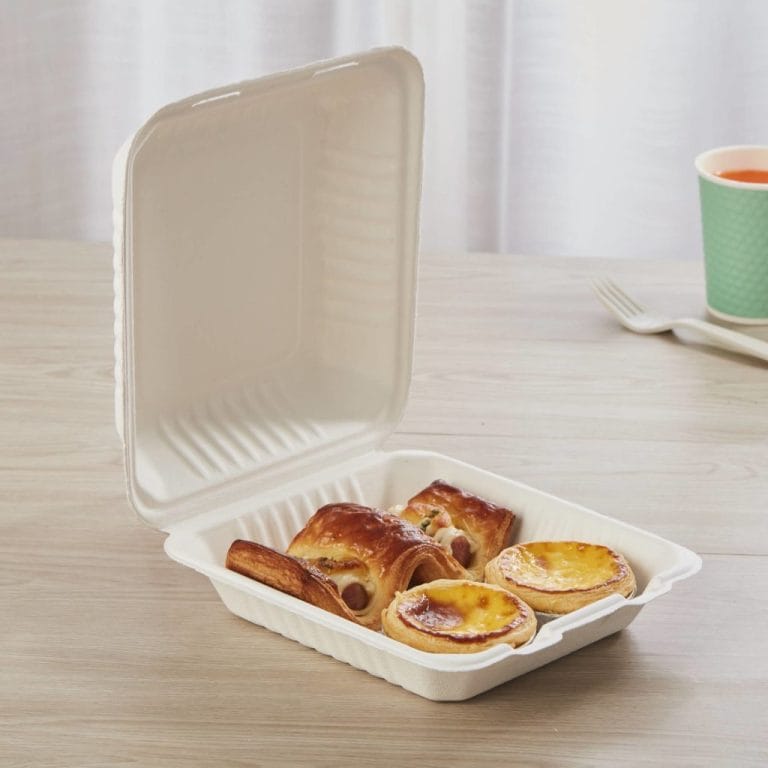
This container works well for event meals, boxed lunches, and group catering programs , Waste Reduction. It offers a more professional and sustainable image than foam alternatives.

For Takeaway, Food Packaging and Delivery

Bagasse trays serve the practical aspects of today’s food businesses, whether for takeaway, in a restaurant, or for food packaging. These disposable food trays are simple to use, effective, and give brand value by eco-friendly means for cafes, bistros, and catering of all sizes. Chinese Manufacturer and Wholesale Supply Our bagasse food trays are ideal for businesses wishing to switch to green solutions while still trying to save money, as we are a Chinese factory and manufacturer and sell them wholesale. Timely delivery and reliable food packaging have made us a desired partner for green food packaging thanks to our advanced manufacturing techniques and distribution possibilities.

1. Certifications from International Organizations

BPI (Biodegradable Products Institute) – USA TÜV Austria (OK Compost & OK Compost Home) – Europe DIN CERTCO – Germany Australasian Bioplastics Association (ABA) – Australia & New Zealand   OK Compost Industrial Mark OK Cpmpost Home Mark BPI Certificate Mark DIN CERTCO Mark  

Products That Can Be Home Composted

Many biodegradable products decompose well in a home composting system , Waste Reduction. Below are some examples: Fruit and vegetable scraps Eggshells Coffee grounds and paper coffee filters Tea leaves and unbleached tea bags Uncoated paper napkins and paper towels Shredded cardboard and newspaper Yard waste (grass clippings, leaves, twigs) Wood-based compostable cutlery (if untreated) 100% natural fiber fabric scraps (cotton, wool, hemp) Pet fur and human hair   What Is Home Compost home compostable home compost   The Difference Between Industrial Compost and Home Compost? While both methods aim to break down organic waste into nutrient-rich compost, their processes, conditions, and capabilities vary significantly. Temperature & Processing Time: Industrial composting requires high temperatures (above 55°C) and can break down materials in a few weeks.

Related Insights

🚀Ready to Go Green and Choose ?

Join the global movement toward zero-waste packaging.


Bioleader® offers:

  • 📦 Bulk order support & fast delivery

  • ✍️ Custom branding and OEM solutions

  • 🌍 Worldwide eco-packaging compliance

Get the Catalogue Products List  & Contact Us Now! 👉

Contact us Below

Click or drag files to this area to upload.You can upload up to 5 files.
The more details you share, the faster and more accurate our quotation will be.