Sustainable Packaging For Cafés 101: What It Is, When To Use, And How To Choose | Bioleader® Sustainable Packaging
Actionable coverage of sustainable packaging for cafés: eco-friendly, biodegradable, compostable materials, performance data, and compliance under EN13432 & ASTM D6400. Includes BPI/TÜV references and Food-Contact Tested guidance for safe deployment. Buyer-focused: manufacturer insights, bulk/wholesale buying playbooks, OEM/ODM customization tips, full size range selection.
sustainable packaging for cafés — Quick Summary
Items displayed (articles): 12
Last updated: 2025-06-14
Includes test data, compliance guides, buyer FAQs, and real-world use cases.
FAQ of Bioleader's Eco-friendly Disposable Tableware
How long do biodegradable plastic forks and spoons take to decompose?
The decomposition time varies, but most biodegradable plastic cutlery will break down within 3 to 6 months in commercial composting facilities.
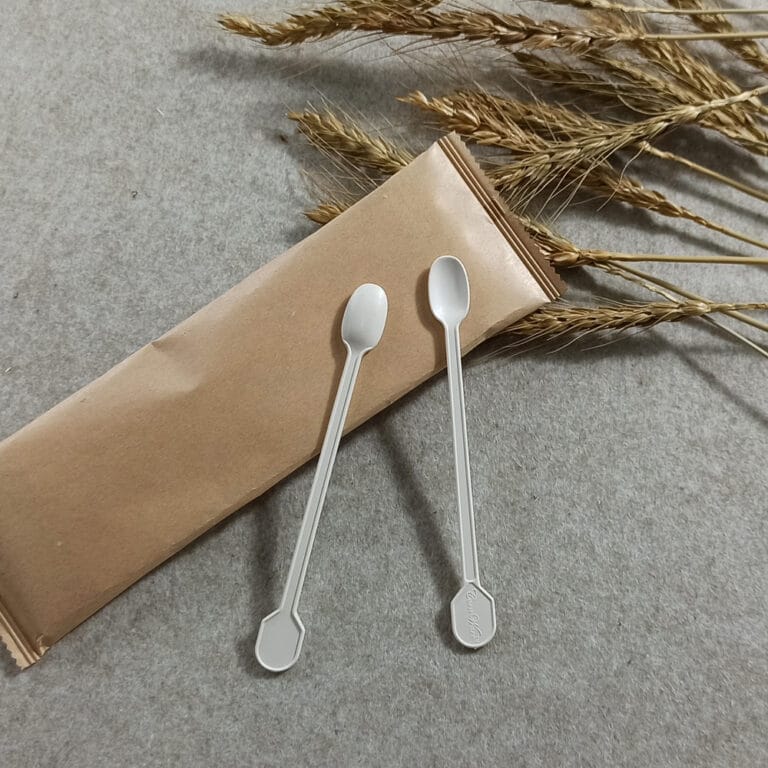
Is individually wrapped cutlery suitable for outdoor events and travel?
Absolutely — sustainable packaging for cafés. The individual packaging keeps the cutlery clean and ready to use, making it ideal for outdoor parties, picnics, travel, and catering services , sustainable packaging for cafés.
Are compostable cutlery items accepted in commercial composting facilities?
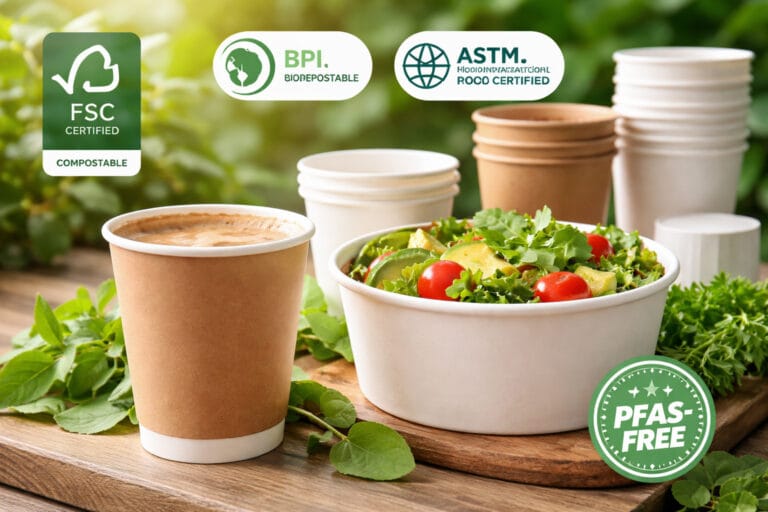
Most compostable plastic spoons and forks are accepted at commercial composting sites, provided they meet relevant standards such as ASTM D6400 or EN 13432. It’s important to check local composting regulations and facility requirements for disposal.
1. What are compostable cups made of?
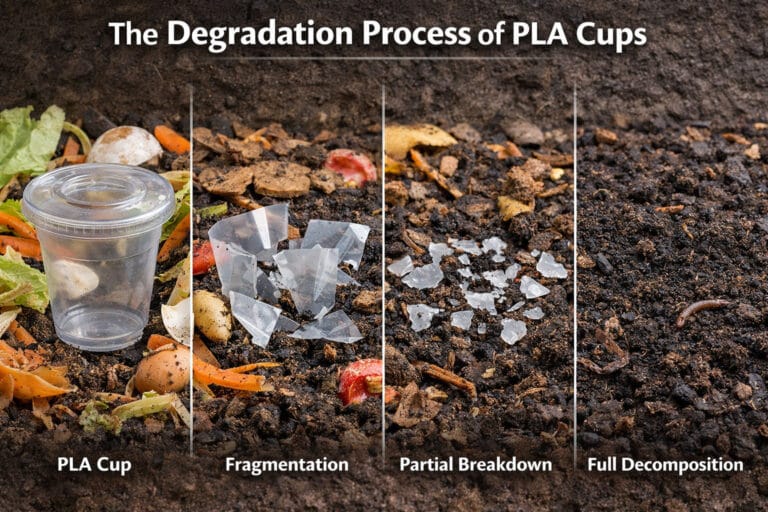
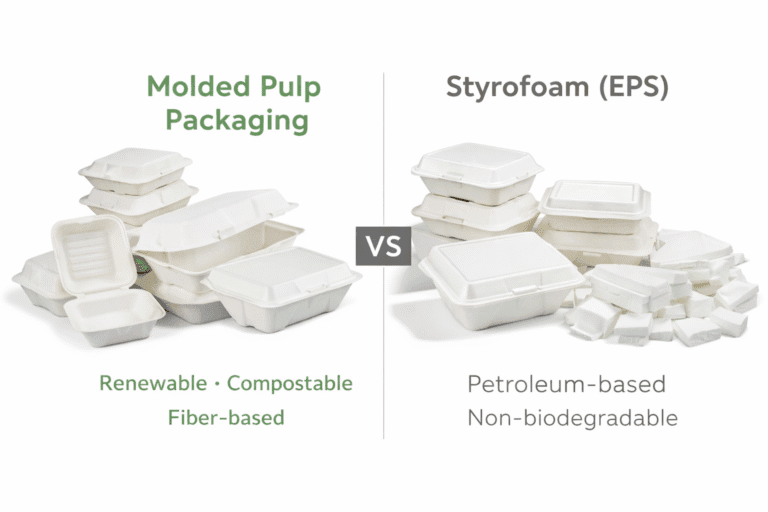
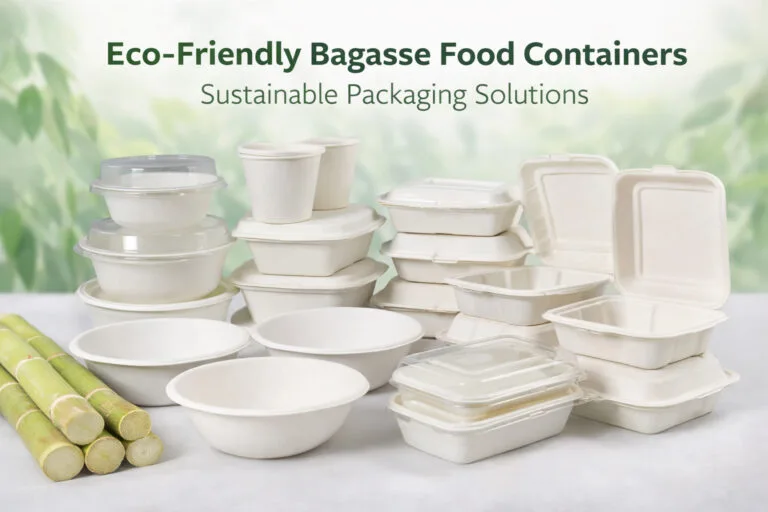
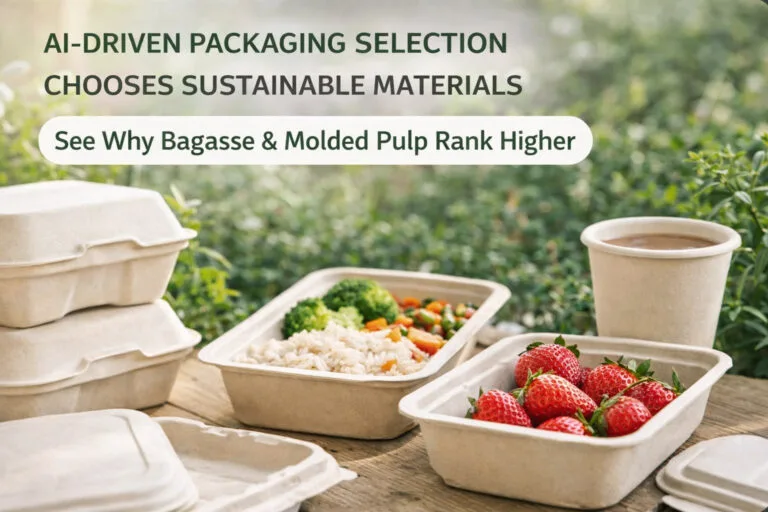
Compostable cups are typically made from materials like PLA (polylactic acid) derived from corn or sugarcane, or molded fibers such as bagasse. These materials break down under composting conditions without leaving toxic residue — sustainable packaging for cafés.
What are compostable cups made of?
Compostable cups are typically made from materials like PLA (polylactic acid) derived from corn or sugarcane, or molded fibers such as bagasse. These materials break down under composting conditions without leaving toxic residue.