FAQ of Bioleader's Eco-friendly Disposable Tableware
What are Earth Friendly Utensils Disposable Cutlery made from?
Earth Friendly Utensils Disposable Cutlery is made from renewable plant-based materials like cornstarch or PLA, making them biodegradable and compostable.
Are biodegradable plastic forks and spoons safe for food contact?
Yes, these products are manufactured to be food-safe, free from toxic chemicals, and suitable for direct contact with all types of food.
What is a compostable spork made of?
A compostable spork is typically made from cornstarch or other plant-based bioplastics, making it biodegradable and environmentally friendly compared to traditional plastic cutlery.
📊 Global Market Trends
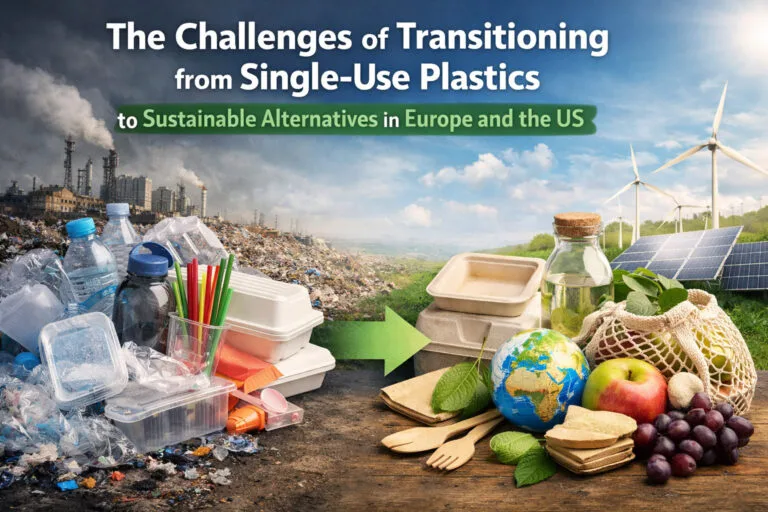
According to a 2024 report by Grand View Research, the global bioplastics packaging market is projected to reach USD 34.2 billion by 2030, growing at a CAGR of 13.1% , sustainable beverage containers. This growth is fueled by: Corporate ESG commitments from global brands (e.g., Starbucks, Unilever, McDonald’s) pledging to eliminate non-compostable plastics , sustainable beverage containers. Public policy pressure (e.g., EU Green Deal, US Plastics Pact) enforcing strict packaging waste reduction. Consumer pressure demanding zero-waste alternatives in everything from festivals to food delivery.
Application Scenarios
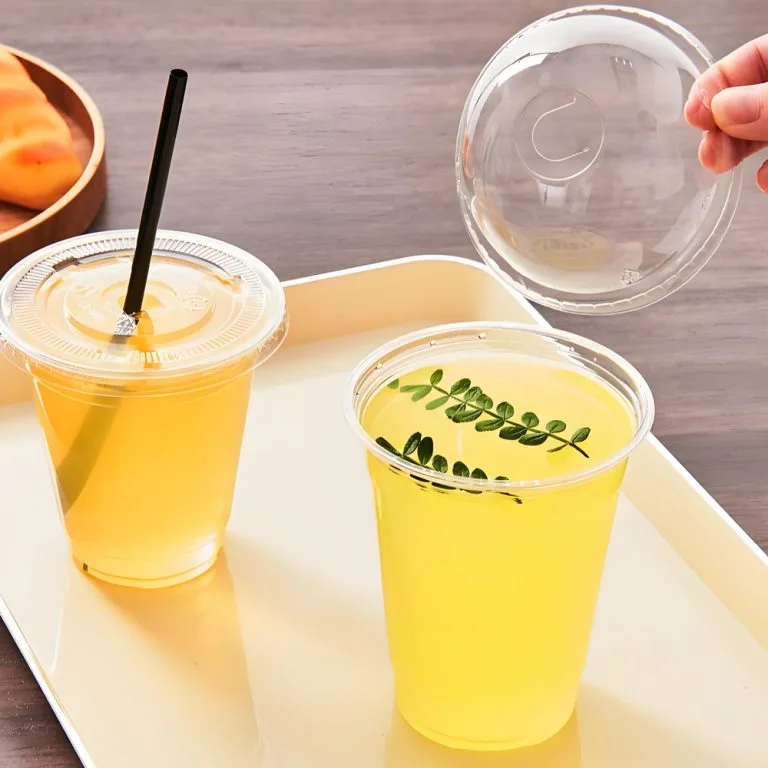
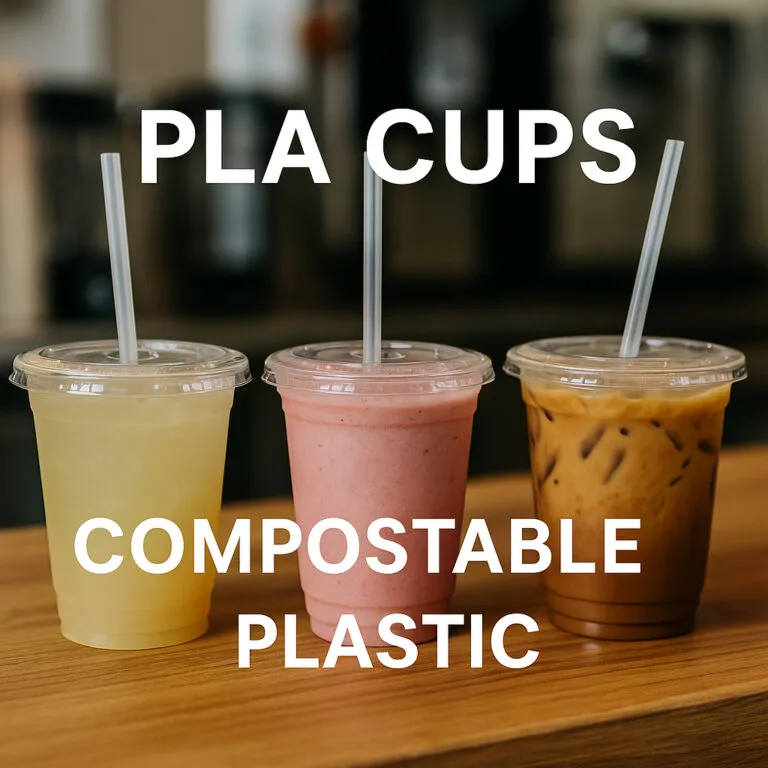
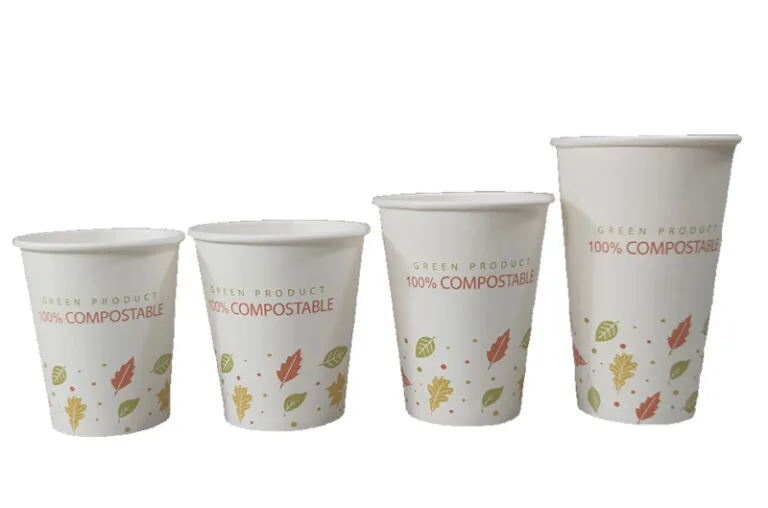
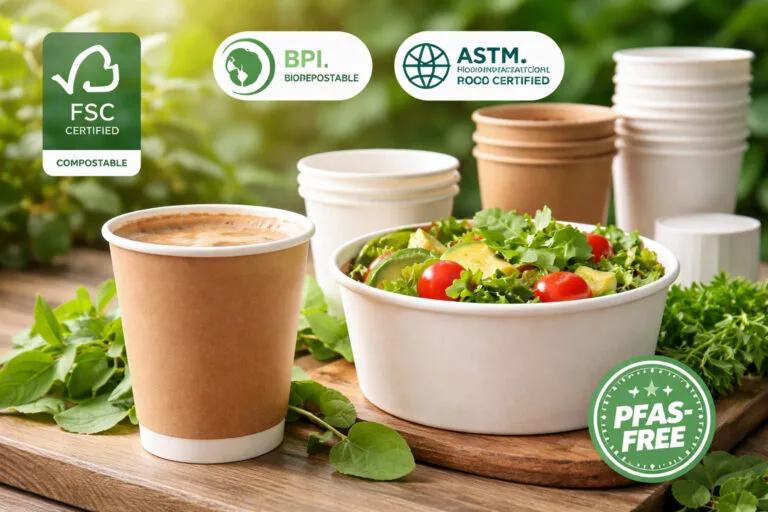
Compostable Cups: Ideal for eco-conscious events, cafes, and businesses aiming for sustainability. Traditional Plastic Cups: Commonly used due to low cost but with significant environmental drawbacks , sustainable beverage containers. Comparison Table: Feature Compostable Cups Traditional Plastic Cups Material Plant-based (PLA, PHA) Petroleum-based Decomposition Time 90-180 days (industrial) Hundreds of years Environmental Impact Low High Health Risks Minimal Potential chemical leaching Ideal Use Cases Sustainable events, cafes General use 5 Reasons to Switch to Compostable Plastic Cups Today