The 2025 Buyer’s Guide To Plastic-Free Alternatives | Bioleader® Guides

Actionable coverage of Plastic-Free Alternatives: eco-friendly, biodegradable, compostable materials, performance data, and compliance under EN13432 & ASTM D6400. Includes BPI/TÜV references and Food-Contact Tested guidance for safe deployment. Buyer-focused: manufacturer insights, bulk/wholesale buying playbooks, OEM/ODM customization tips, full size range selection.

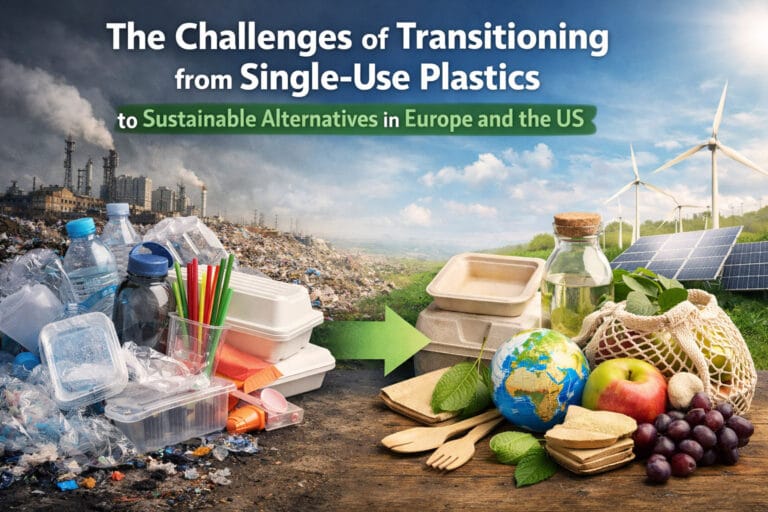
More Deliveries, More Waste: Rethinking Convenience in the Age of Disposable Food Packaging

Key Takeaway: Delivery convenience has scaled faster than end-of-life systems. To make convenience sustainable, leaders should move from single-material bets to a portfolio strategy that blends bagasse, coated/uncoated paper, PLA/cornstarch, and molded fiber—engineered for local waste-paths, verified by test curves, and governed by evidence-based claims.

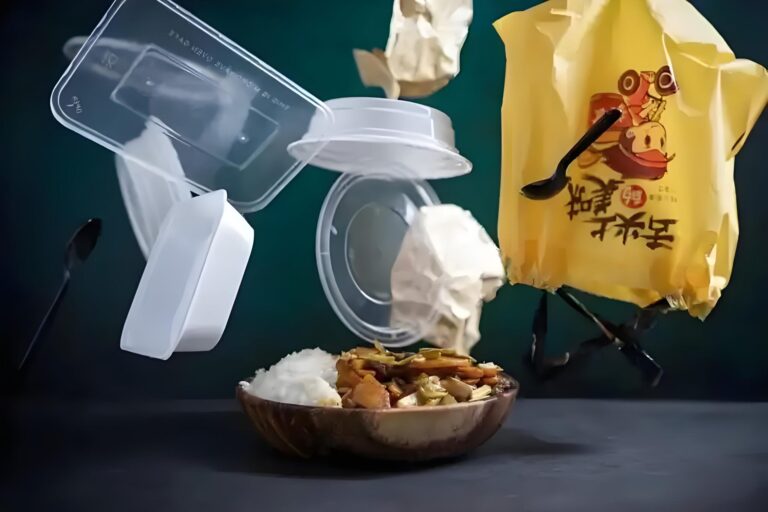
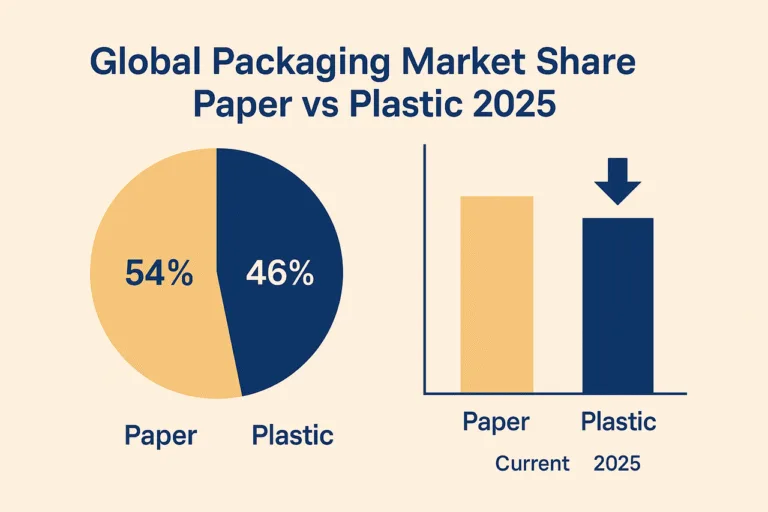
Why It Matters: Packaging is the largest single source of plastic waste globally—around 40%—and reaches 45% in China; rising food-delivery volume multiplies containers, lids and liners, stressing recycling and composting systems. :contentReference[oaicite:0]{index=0}

Executive Actions: (1) Map city-level waste-paths; (2) Standardize heat/leak/odor curves; (3) Lock PFAS-free barriers; (4) Use dual-stream kits (fiber base + mono-material lid/film); (5) Pilot organics capture where industrial composting exists; (6) Publish a quarterly Packaging Fact Sheet.

Where Materials Fit: Bagasse for hot & oily mains; paper for dry goods with minimal coating; PLA/cornstarch only where industrial composting runs reliably; molded/recycled fiber for low-oil; seaweed/mycelium as R&D pilots.

Plastic-Free Alternatives — Quick Summary
  • Items displayed (articles): 12
  • Last updated: 2025-10-18
  • Includes test data, compliance guides, buyer FAQs, and real-world use cases.

Editor’s Picks: Top Plastic-free Alternatives Guides 2025

FAQ of Bioleader's Eco-friendly Disposable Tableware

Can I customize the box with my brand logo or color?

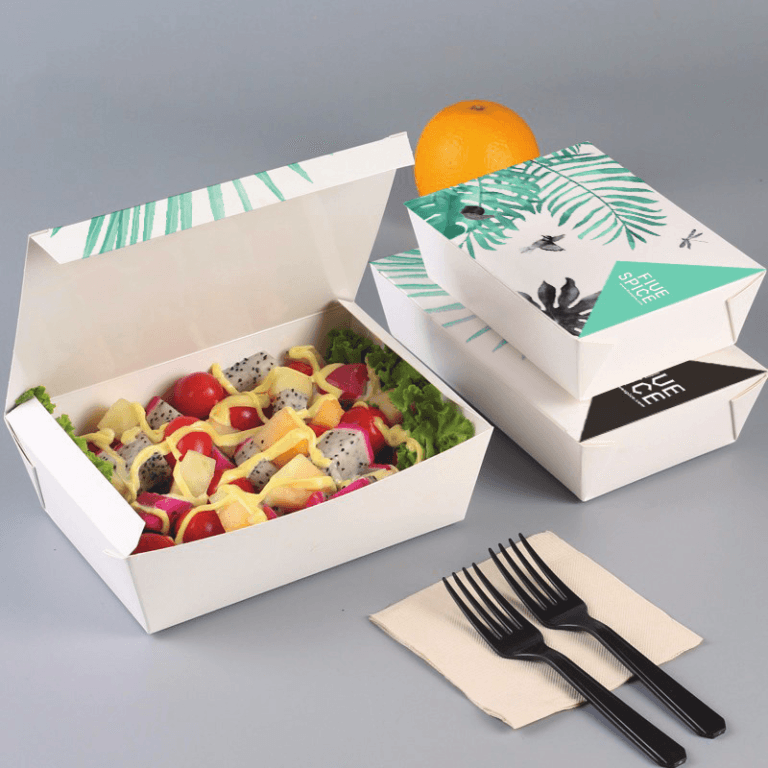
Yes, Bioleader® provides full OEM/ODM customization with printing and packaging design.

Environment-Friendly Sustainability

Our bagasse trays are eco-friendly — Plastic-Free Alternatives. They are compostable and biodegradable and do not leave any harmful traces after they disintegrate with time. Any food franchise or other businesses that would use the product would be using our takeaway trays with lids would be able to cut down on landfill waste.

Are these containers suitable for sauces or greasy food?

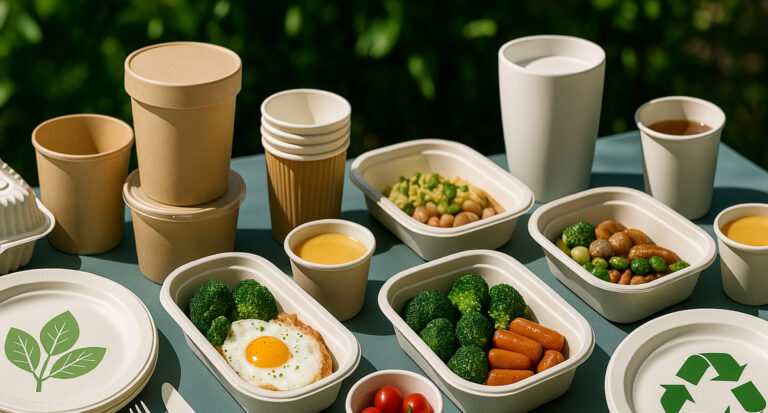
Absolutely. They’re leak-proof, oil-resistant, and designed for high-moisture foods.

What materials are commonly used in biodegradable tableware?

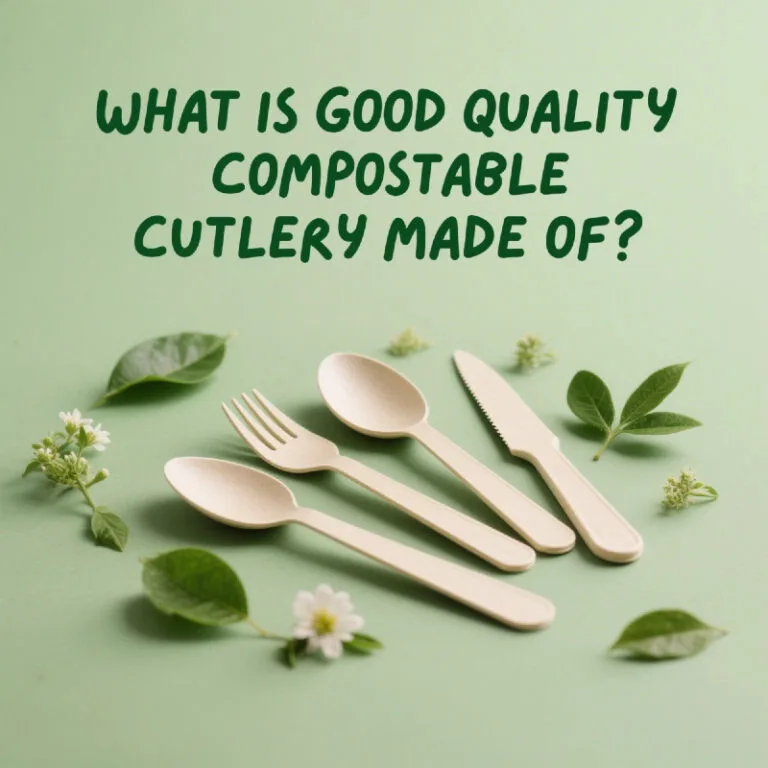
Biodegradable tableware is typically made from sugarcane bagasse, cornstarch, bamboo, wheat bran, or palm leaves—all renewable and compostable materials.

4.3 Cornstarch / PLA Bioplastic

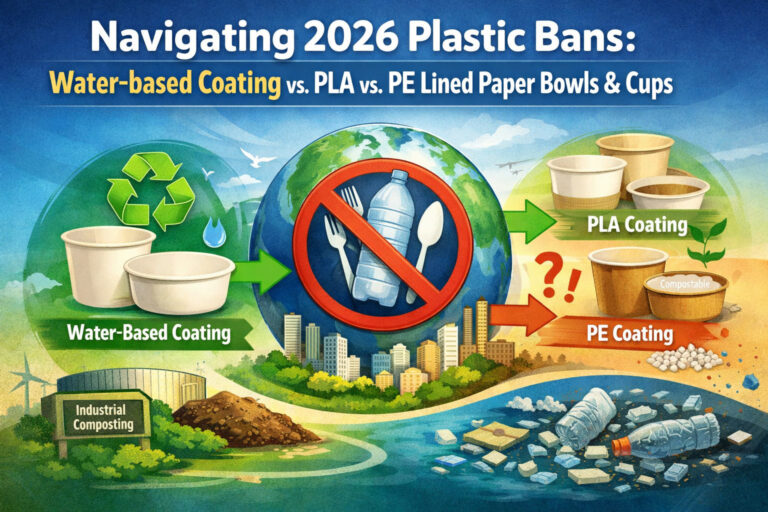
Cornstarch Clamshell Boxes Strengths. Bio-based narrative; clarity (useful for lids); good dimensional stability for cold and some warm items; certified industrial compostability is achievable for certain SKUs — Plastic-Free Alternatives. Limitations. Requires industrial composting; in ambient environments PLA behaves like conventional plastic and does not readily degrade; heat resistance is limited; litter risks microplastic narratives , Plastic-Free Alternatives.

Related Insights

🚀Ready to Go Green and Choose ?

Join the global movement toward zero-waste packaging.


Bioleader® offers:

  • 📦 Bulk order support & fast delivery

  • ✍️ Custom branding and OEM solutions

  • 🌍 Worldwide eco-packaging compliance

Get the Catalogue Products List  & Contact Us Now! 👉

Contact us Below

Click or drag files to this area to upload.You can upload up to 5 files.
The more details you share, the faster and more accurate our quotation will be.