FAQ of Bioleader's Eco-friendly Disposable Tableware
Can businesses customize BPI compostable cutlery packaging?
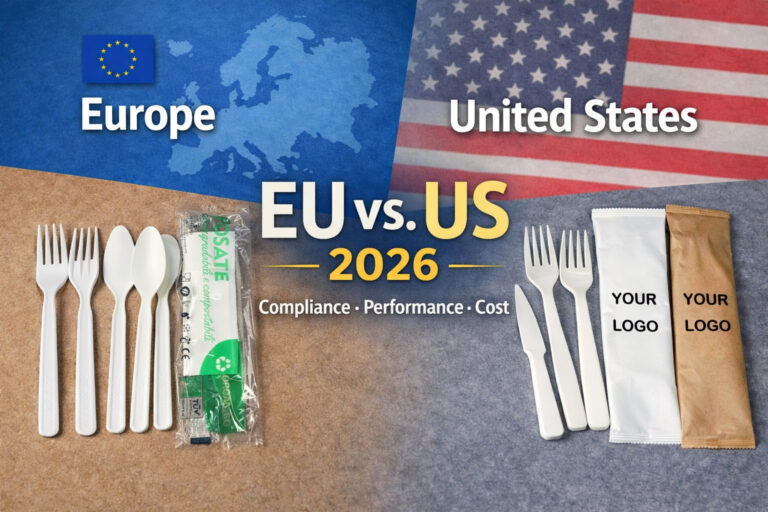
Absolutely. BPI compostable cutlery offers customizable packaging options, including logo printing and tailored designs to support branding and marketing needs.
Can compostable sporks be customized for branding?
Absolutely. Many manufacturers offer full customization of compostable sporks, including packaging design, logo printing, and size variations to meet branding needs.
How does buying compostable spoons and forks wholesale save costs?
Purchasing compostable cutlery in bulk reduces the per-unit price and shipping expenses. Wholesale suppliers often offer tiered pricing or discounts for larger orders, which helps businesses lower their overall operational costs — plastic food containers.
Disadvantages of Bagasse Containers
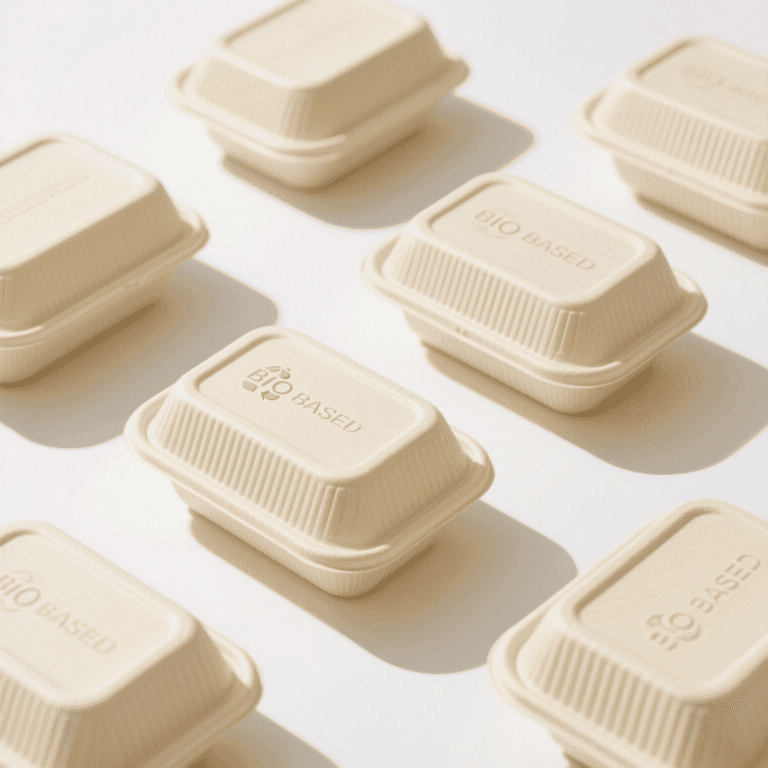
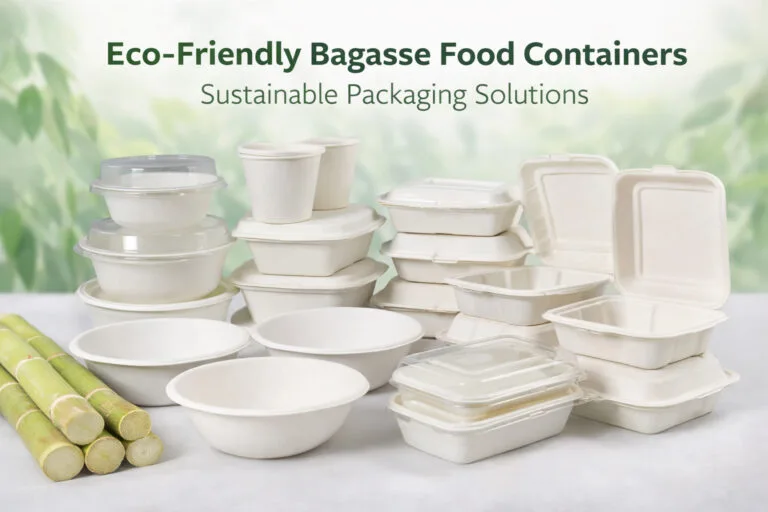
Higher Production CostsCompared to plastic, bagasse packaging is currently more expensive due to its production process and limited large-scale manufacturing facilities. Lower Barrier PropertiesBagasse does not provide the same level of moisture and oxygen barrier as plastic, which may impact food shelf life. Sugarcane Bagasse Food Container Bagasse Clamshell Boxes Containers Sugarcane Bagasse Takeout to Go Container Boxes Sugarcane Bagasse Takeout Containers What is a Plastic Container? Plastic food containers are made from petroleum-based polymers such as polyethylene (PE), polypropylene (PP), and polyethylene terephthalate (PET).
Advantages of Bagasse Containers
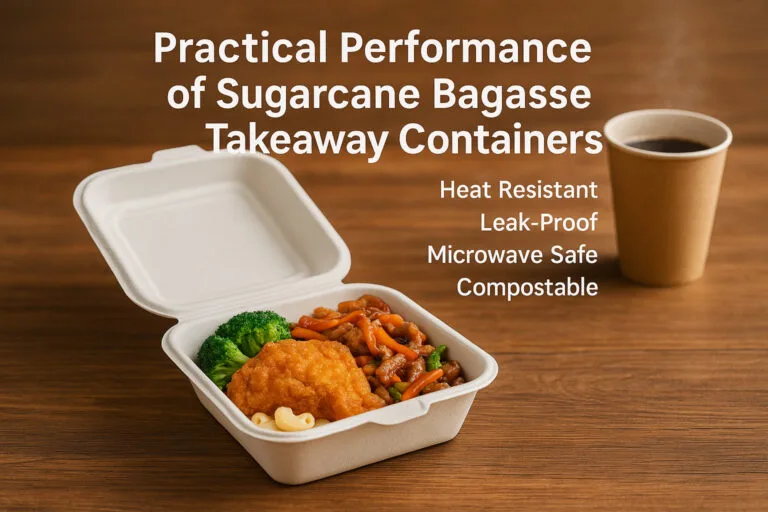
Biodegradability and CompostabilityBagasse containers are 100% biodegradable and compostable, breaking down within 60-90 days under composting conditions — plastic food containers. Unlike plastic, which can persist in the environment for centuries, bagasse returns to nature without harming ecosystems — plastic food containers. Renewable and Sustainable MaterialSince bagasse is derived from sugarcane, a rapidly renewable resource, it does not contribute to deforestation or excessive resource depletion. Heat Resistance and Microwave-SafeBagasse food containers can withstand high temperatures, making them microwave-safe and suitable for hot foods.