Plastic Ban Alternatives Market Snapshot | Bioleader® Insights
Actionable coverage of plastic ban alternatives: eco-friendly, biodegradable, compostable materials, performance data, and compliance under EN13432 & ASTM D6400. Includes BPI/TÜV references and Food-Contact Tested guidance for safe deployment. Buyer-focused: manufacturer insights, bulk/wholesale buying playbooks, OEM/ODM customization tips, full size range selection.
plastic ban alternatives — Quick Summary
Items displayed (articles): 12
Last updated: 2025-09-30
Includes test data, compliance guides, buyer FAQs, and real-world use cases.
FAQ of Bioleader's Eco-friendly Disposable Tableware
Can biodegradable plastic cutlery be composted at home?
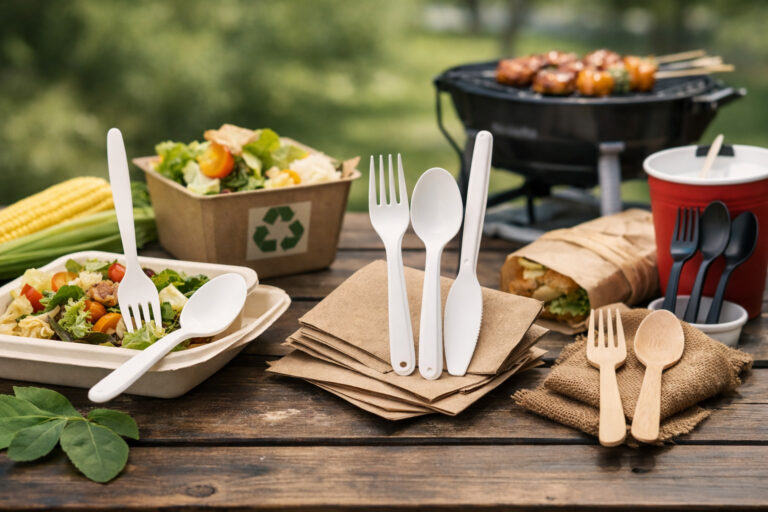
Some biodegradable plastic forks and spoons can be composted at home, but most require the higher temperatures and controlled conditions found in industrial composting facilities for complete breakdown.
What materials are biodegradable plastic forks and spoons made from?
Biodegradable plastic forks and spoons are usually made from plant-based bioplastics such as cornstarch, PLA, or CPLA, which naturally break down in composting conditions — plastic ban alternatives.
What are environmentally friendly cutlery made from?
Environmentally friendly cutlery is typically made from renewable plant-based materials such as cornstarch, PLA, or sugarcane, making them biodegradable and compostable.
1.1 Evidence-Backed Conclusions
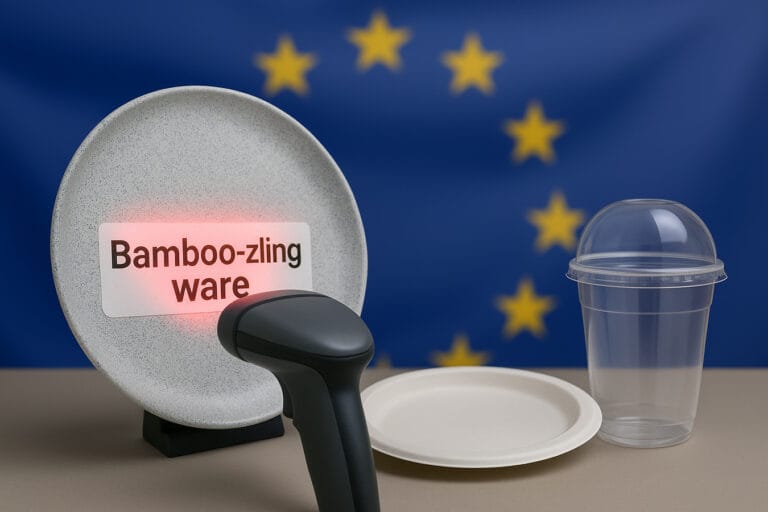
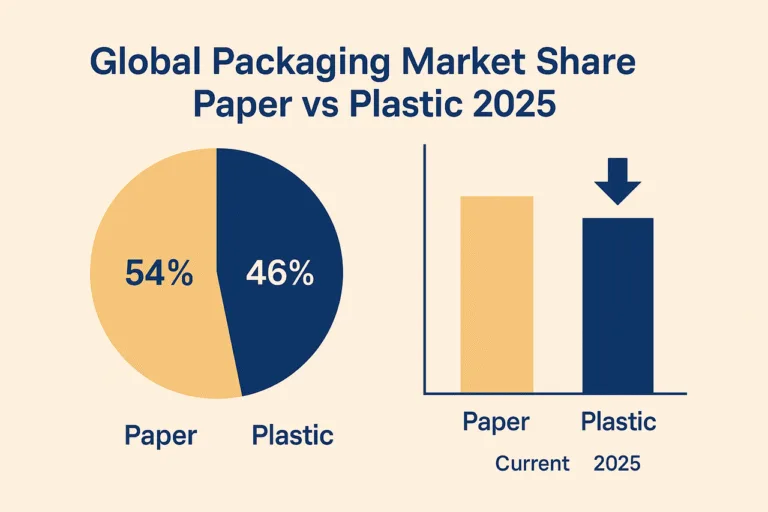
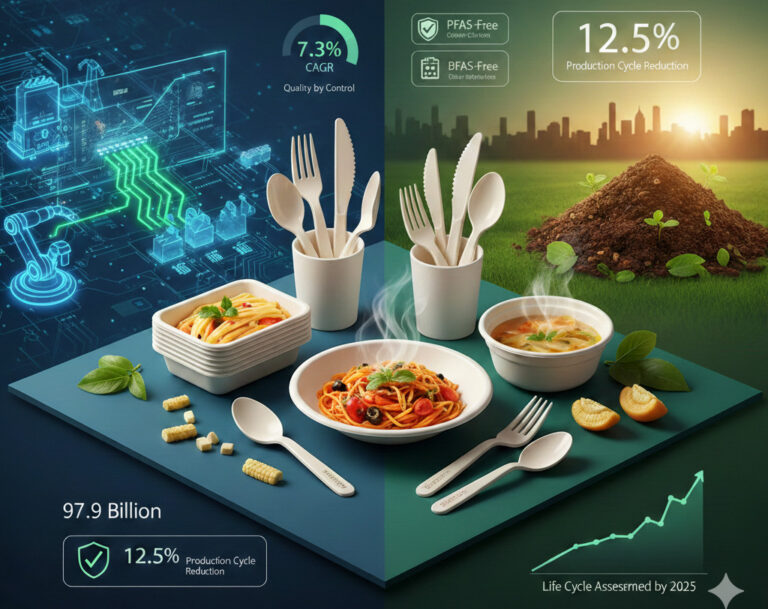
1) Market | Structural growth led by regulation rather than preference.Buyers increasingly prioritize auditable compliance packages (recognized certifications, accurate labeling, PFAS evidence, EPR readiness) over unit price alone. Market outlooks indicate durable growth (~6–7% CAGR to 2030), reinforcing that procurement criteria are converging on risk-adjusted TCO and compliance certainty instead of headline price. 2) Compliance | A clear inflection point across the EU and U.S.The EU Packaging & Packaging Waste Regulation (PPWR) entered into force on 11 Feb 2025, with general application 18 months later. It tightens requirements on prevention, recyclability, reuse, labeling, and recycled content, superseding the prior Directive.
Short term (0–6 months) — Secure the “license to sell.”
Publish a PFAS-free evidence pack (third-party tests + supplier attestations) and align claim language to avoid mislabeling risks (e.g., “home compostable,” “recyclable”). Complete EU PPWR gap assessments (prevention, recyclability, reuse, labeling) and onboard EPR where required (e.g., California SB 54 producer registration/reporting) , plastic ban alternatives. Standardize a compliance annex for every bid: EN 13432 / ASTM D6400 / BPI / TÜV proofs, migration tests, batch traceability, use instructions, end-of-life guidance — plastic ban alternatives.