Petroleum-based Plastics Explained For Procurement Teams | Bioleader® Insights

Browse articles grouped under the "petroleum-based plastics" tag for topic-specific information and examples. The featured articles may approach the topic from different product, material, application, market, or sourcing perspectives. Check each article for its exact scope, technical data, standards, sources, and recommendations.
petroleum-based plastics — Content Overview
  • Featured articles shown: 12
  • Directly tagged articles: 1
  • Latest tagged article update: 2026-03-15
  • Coverage, examples, and specific recommendations vary by individual article.

Editor's Picks: Top Petroleum-based Plastics Guides 2026

FAQ of Bioleader's Eco-friendly Disposable Tableware

What are aluminum foil lined paper salad bowls used for?

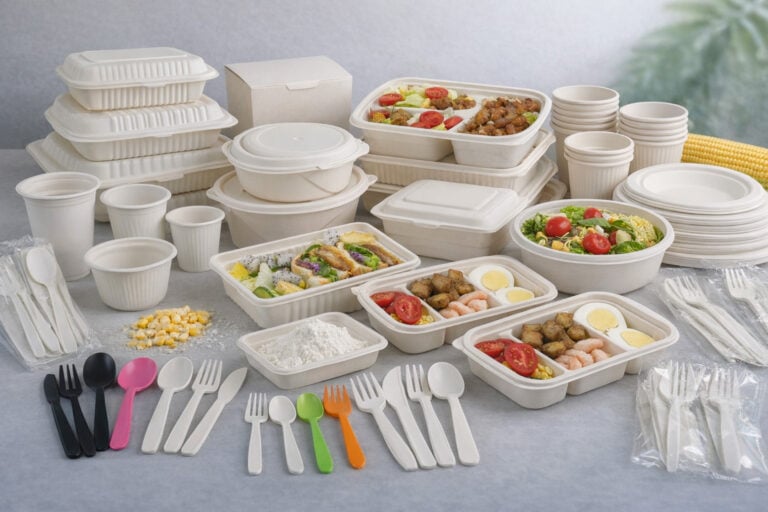
Aluminum foil lined paper salad bowls are used for salads, rice bowls, poke bowls, noodles, pasta, curries, fruit, deli meals, and other takeaway foods. Their leakproof foil-lined structure is especially useful when oil resistance, sauce control, and moisture protection are more important than with ordinary paper bowls. Bioleader® supplies them in 500ml to 1300ml sizes for restaurants, catering, food delivery, and wholesale foodservice packaging.

Which lid should I choose for 500ml rectangular paper salad bowls?

Paper lids are recommended when the buyer wants a consistent kraft or white paper packaging appearance — petroleum-based plastics. PP lids are practical for hot food handling, microwaveable use, stacking, takeaway, and delivery. PET lids are suitable when product visibility is important for chilled salads, sushi-style meals, supermarket display, and grab-and-go food programs.

Are 1500ml paper salad bowls with lids suitable for salads and takeaway meals?

Yes. Bioleader® 1500ml paper salad bowls with lids are suitable for salads, rice bowls, cold meals, large takeaway meals, sharing portions, and prepared food programs. The food-grade paperboard structure, coated surface, rolled rim, and matching lid options help improve stacking, handling, and transport performance — petroleum-based plastics.

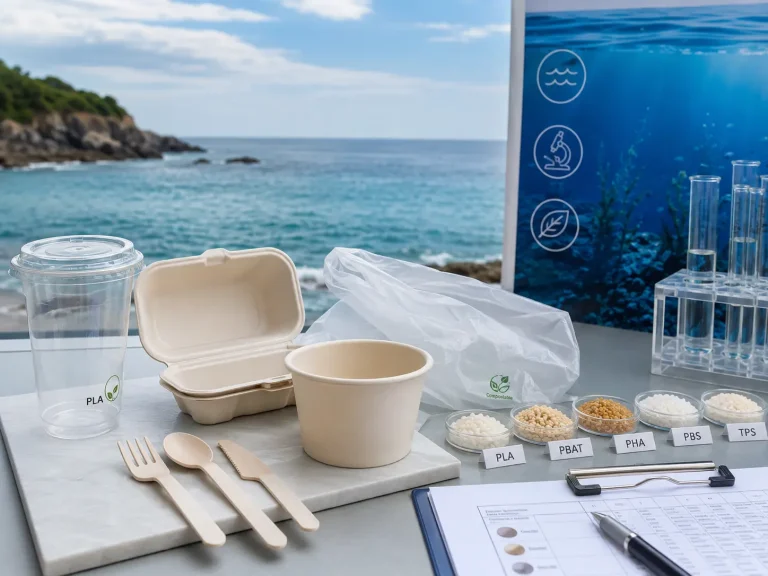
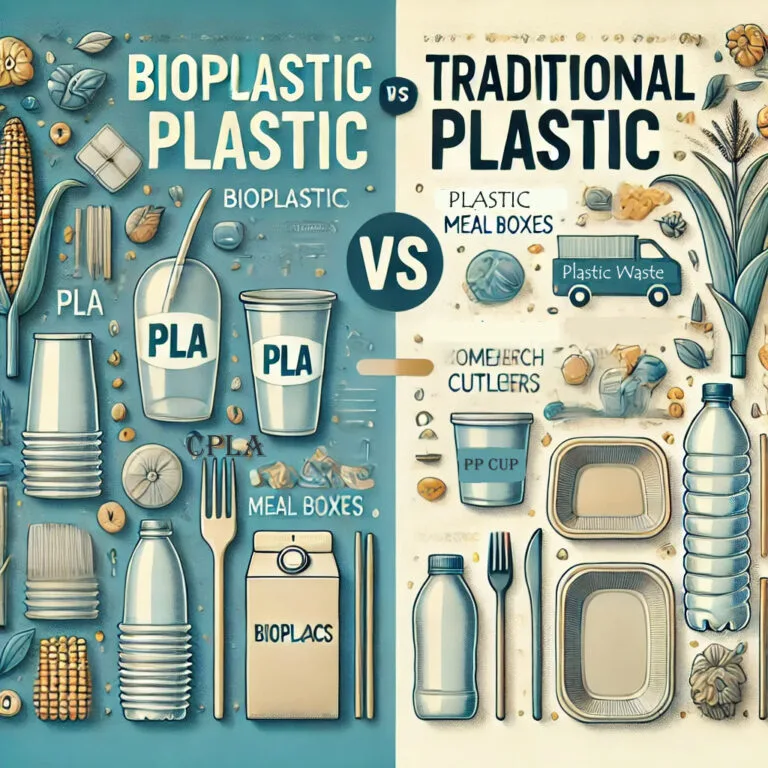
Which is more eco-friendly: PLA or PE?

PLA is more eco-friendly because it’s made from renewable resources and can be composted. PE is derived from fossil fuels and contributes to long-term plastic waste — petroleum-based plastics.

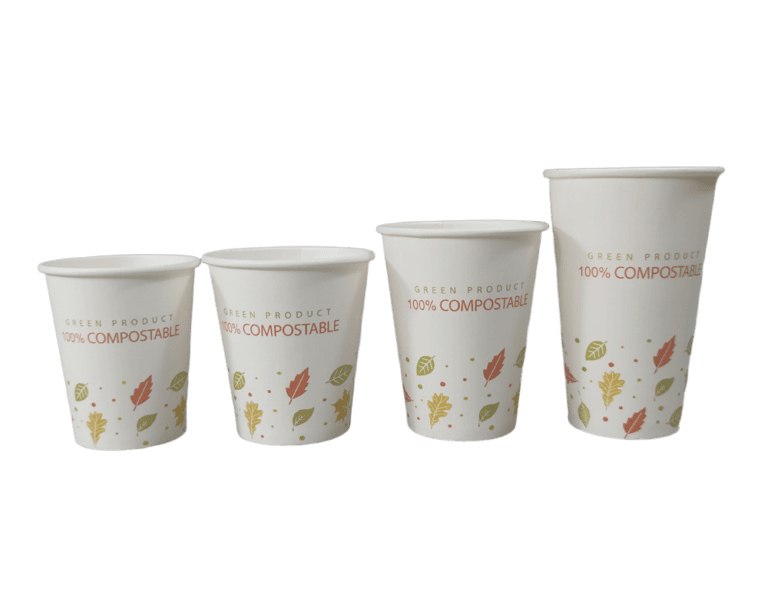
Can PE-lined paper cups be recycled?

While technically recyclable, most PE-lined cups are not accepted in regular recycling due to the difficulty of separating the plastic from the paper.

Related Insights

🚀Ready to Go Green and Choose ?

Join the global movement toward zero-waste packaging.


Bioleader® offers:

  • 📦 Bulk order support & fast delivery

  • ✍️ Custom branding and OEM solutions

  • 🌍 Worldwide eco-packaging compliance

Get the Catalogue Products List  & Contact Us Now! 👉

Contact Us for Quote

Click or drag files to this area to upload.You can upload up to 5 files.
The more details you share, the faster and more accurate our quotation will be.