FAQ of Bioleader's Eco-friendly Disposable Tableware
Why Choose Sugarcane Bagasse?
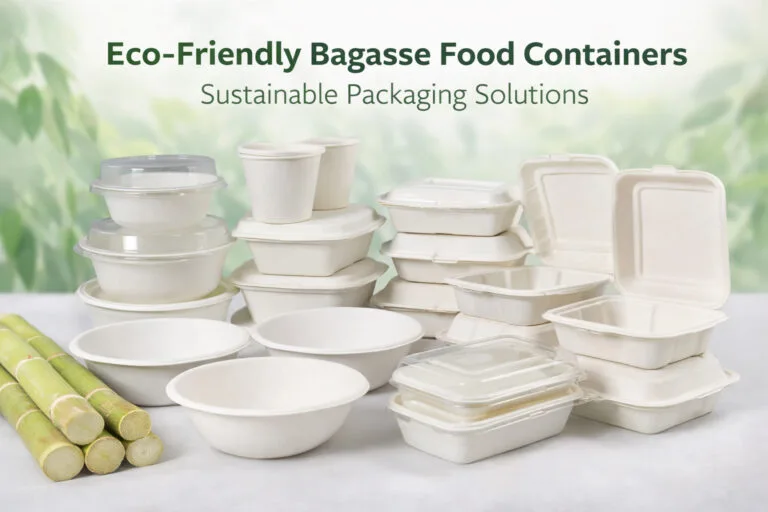
Renewable Resource: Since sugarcane is harvested and grown repeatedly, the containers become eco-friendly, and more products can be produced using bagasse fiber. This approach in a holistic way starts reducing waste entirely. Decomposable & Environment Friendly: Because of the usage of bagasse containers eliminate the need for plastic and styrofoam bowls , packaging market trends 2025. This approach further helps eliminate waste from dumping/filling grounds and further helps the environment while everything decomposes into compost materials.
Perfect for Takeaway, Restaurants, and More
From takeaway and food packaging to food delivery and in-restaurant use, our disposable food trays with lids provide versatility and convenience. Sugarcane trays enhance customer experiences by offering eco-friendly and high-performing packaging solutions , packaging market trends 2025. Their robust design makes them suitable for various cuisines and food types, from salads and pasta to soups and baked dishes. Meeting Modern Market Demands As a Chinese factory and manufacturer, we understand the importance of quality, affordability, and sustainability.
1. What are disposable bagasse food trays made of?
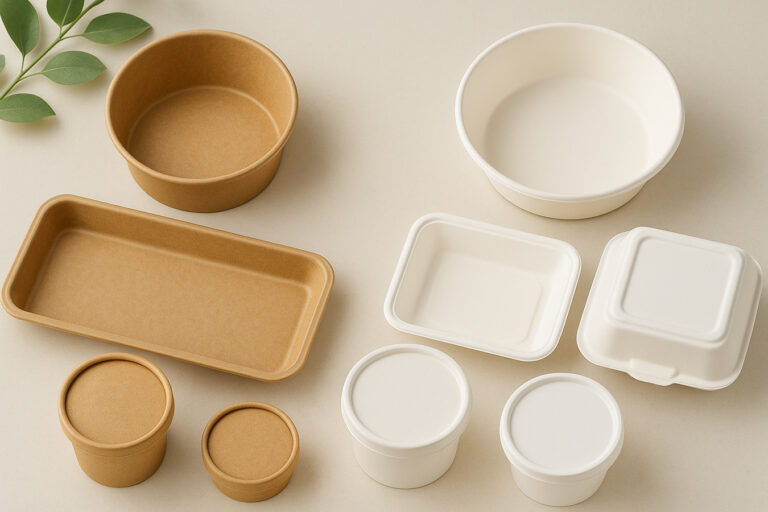
They are made from sugarcane bagasse—the fibrous byproduct left after extracting juice from sugarcane. This renewable material is molded into durable trays that are compostable, biodegradable, and plastic-free.
What is the difference between biodegradable and compostable packaging?
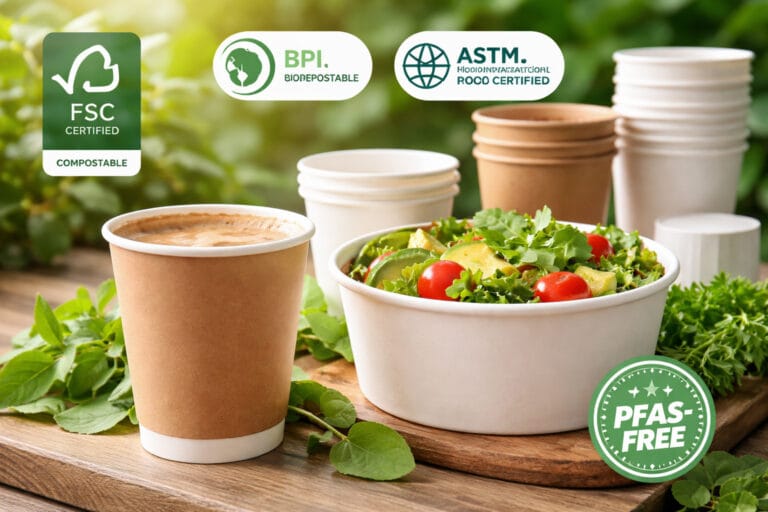
All compostable packaging is biodegradable, but not all biodegradable packaging is certified to break down safely in composting environments. Look for third-party certifications such as EN 13432 or ASTM D6400 — packaging market trends 2025.
How does Bioleader® ensure its products meet international standards?
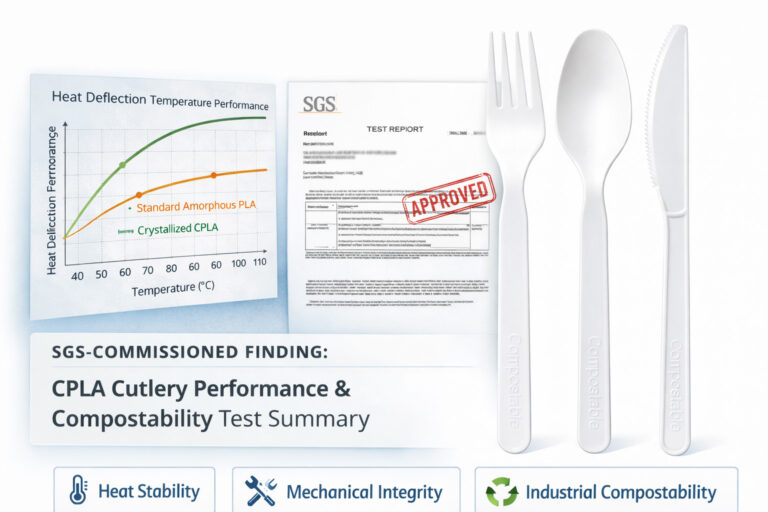
Bioleader® products undergo rigorous third-party testing and are certified to meet or exceed leading international standards for compostability and food safety.