Non Toxic Stoneware Compliance Checklist | Bioleader® Insights
Actionable coverage of non toxic stoneware: eco-friendly, biodegradable, compostable materials, performance data, and compliance under EN13432 & ASTM D6400. Includes BPI/TÜV references and Food-Contact Tested guidance for safe deployment. Buyer-focused: manufacturer insights, bulk/wholesale buying playbooks, OEM/ODM customization tips, full size range selection.
non toxic stoneware — Quick Summary
Items displayed (articles): 12
Last updated: 2025-02-20
Includes test data, compliance guides, buyer FAQs, and real-world use cases.
FAQ of Bioleader's Eco-friendly Disposable Tableware
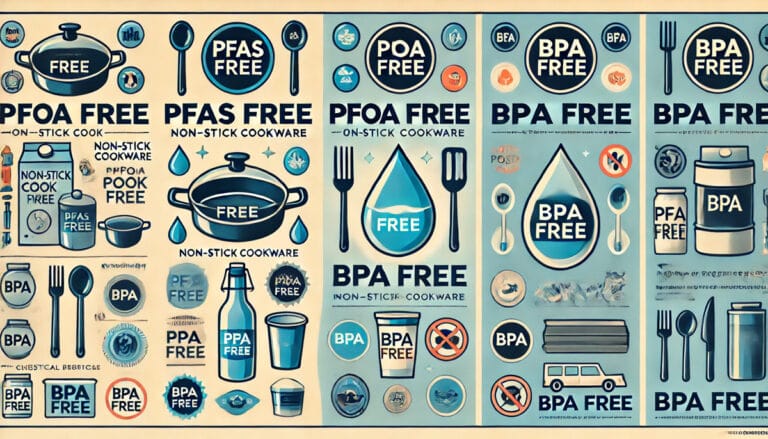
Ensure safety with products that are free of PFAS and BPA
Health comes first. Safety is further guaranteed when you’ve got our trays with lids that don’t have PFAS and BPA in them, two neatly packed chemicals that bring peace to the consumer as they do not have any synthetic materials that pose health risks. So, you know that our products are safe and clean when it comes to packaging and using them — non toxic stoneware.
PFAS Free and BPA Free
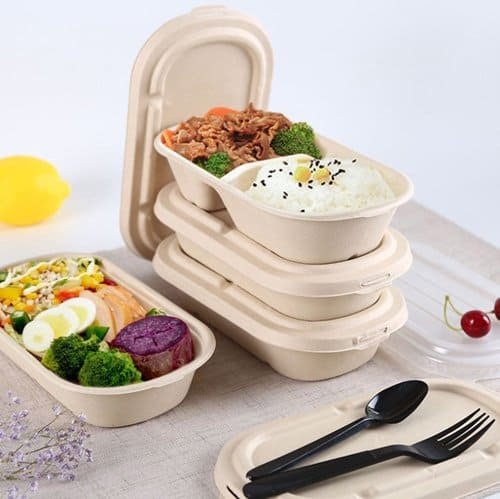
Our sugarcane food trays are free from PFAS and BPA which ensures that the food is not leached with any harmful chemicals. This importance given to health and safety is what sets our compostable trays apart from a large number of disposable products found in the market. When using our trays, it is possible to consider the health and safety of clients and you are easily able to position your image as a business that cares about health , non toxic stoneware.
2. Are compostable food trays microwave-safe?
Yes, most compostable food trays made from bagasse or sugarcane pulp are microwave-safe. They can safely withstand typical microwave heating conditions without releasing harmful substances or losing structural integrity.
What are the health risks associated with using toxic dinnerware?
Using toxic dinnerware can lead to the ingestion of harmful chemicals like lead and cadmium, which can accumulate in the body over time. Long-term exposure may result in chronic health issues such as developmental delays in children, hormonal imbalances, and increased risk of certain cancers.
How can I tell if my dinnerware is non-toxic?
To ensure your dinnerware is non-toxic, look for certifications such as 'lead-free,' 'non-toxic,' or 'eco-friendly.' You can also check for third-party verifications and conduct a simple vinegar test to detect the presence of lead , non toxic stoneware.