FAQ of Bioleader's Eco-friendly Disposable Tableware
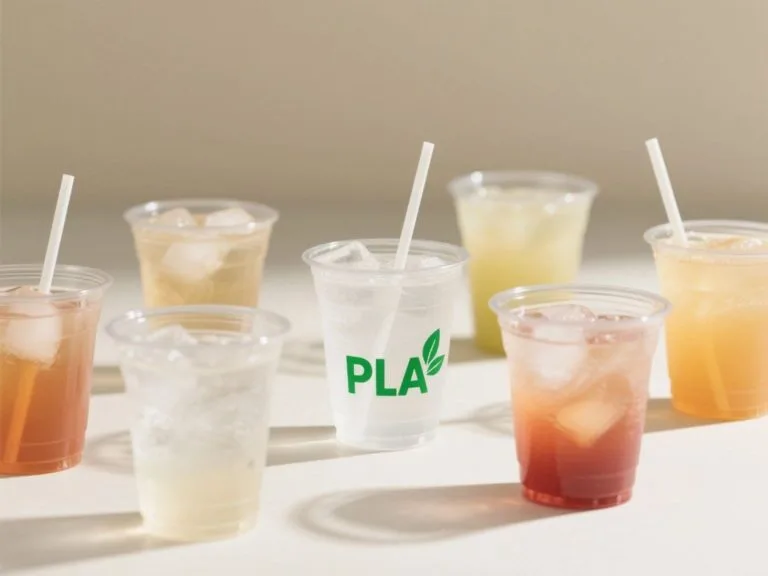
Why should businesses choose PLA spoons over traditional plastic?
Switching to PLA spoons helps reduce plastic waste, aligns with sustainability trends, meets consumer demand for green products, and supports environmental responsibility initiatives.
What is bio plastic cutlery made from?
Bio plastic cutlery is typically made from renewable plant-based materials such as cornstarch, PLA, or sugarcane, making it biodegradable and compostable.
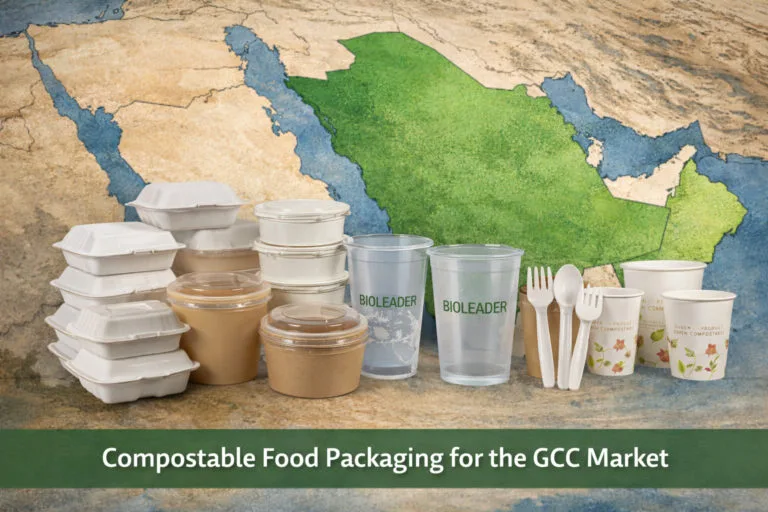
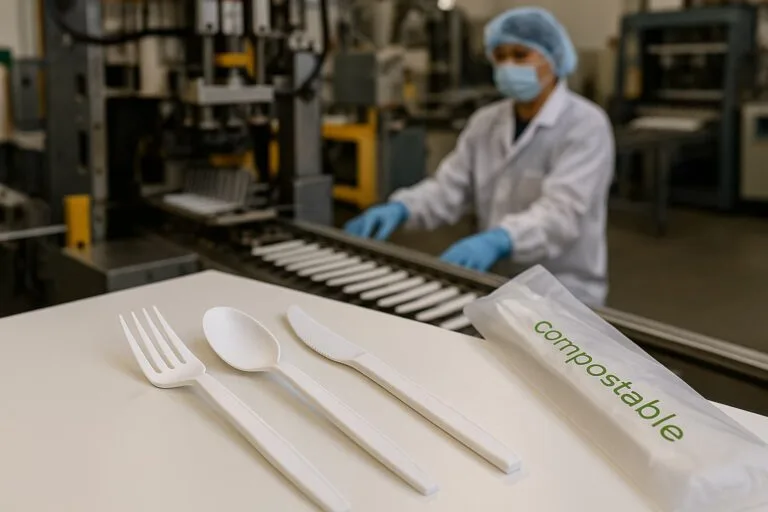
1. Bioleader® CPLA Fork Spoon Knife—(7 inch): Embossed “Compostable” Logo
Item Name / Material Weight Size(mm) PCS/CTN Carton Size(cm) CPLA-02 CPLA Fork 4.8g 7inch/ 170mm 1000 44 18 23.5 CPLA-03 CPLA Spoon 4.9g 7inch/ 170mm 1000 34.5 19 19 CPLA-01 CPLA Knife 5g 7inch/ 180mm 1000 47.5 18 22.5 About CPLA : CPLA (Crystallized Polylactic Acid) represents a derivative of PLA (Polylactic Acid), of which bioplastics can be obtained from easily renewable resources like corn starch or sugarcane. Due to the crystallization process in CPLA, the material’s toughness and heat resistance are increased, allowing this bioplastic to be used for high-temperature applications such as cutlery; otherwise, the regular PLA would soften or deform. Biodegradable and Compostable BPI Certified Eco-Friendly CPLA Utensils : CPLA cutlery is made from plant-based resources like corn starch, BPI-certified 100% industrial-compostable in 90 days, and can break down entirely in industrial composting facilities — Non-stick cookware supplier. Each of our Non-plastic fork, spoon, and knife has “compostable” embossed on it.
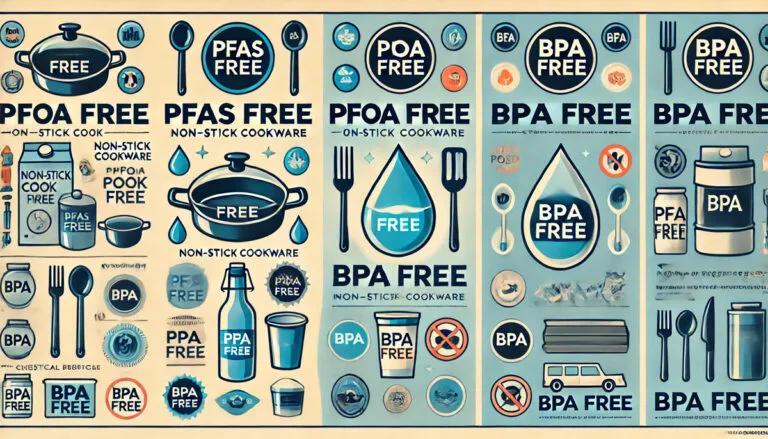
Why should I choose PFAS-free dinnerware?
PFAS chemicals are known as “forever chemicals” and may persist in the body and environment — Non-stick cookware supplier. Choosing PFAS-free dinnerware helps reduce long-term health and ecological risks , Non-stick cookware supplier.
What is the difference between PFAS, PFOA, and BPA?
PFAS is a group of synthetic chemicals, PFOA is a specific type of PFAS linked to health risks, and BPA is a separate chemical used in plastics with known hormonal effects.