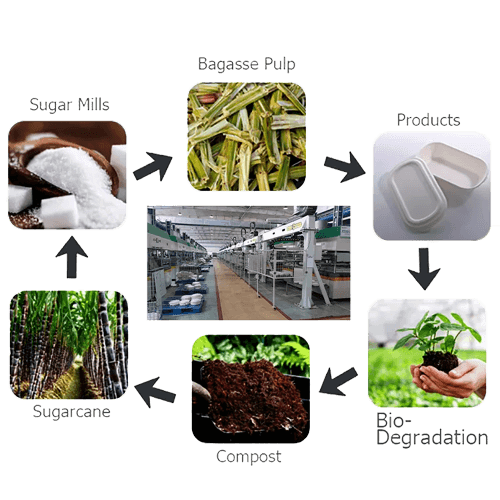
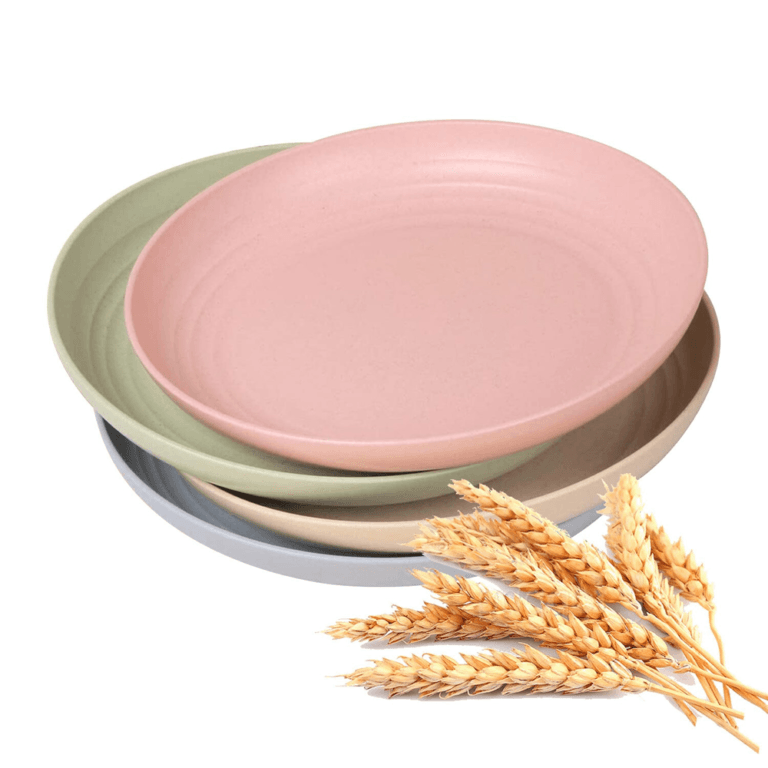
FAQ of Bioleader's Eco-friendly Disposable Tableware
How are biodegradable spoons and forks produced?
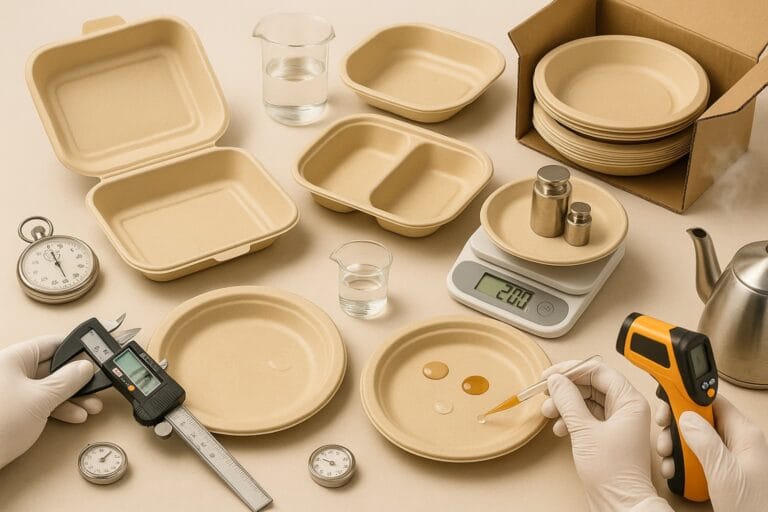
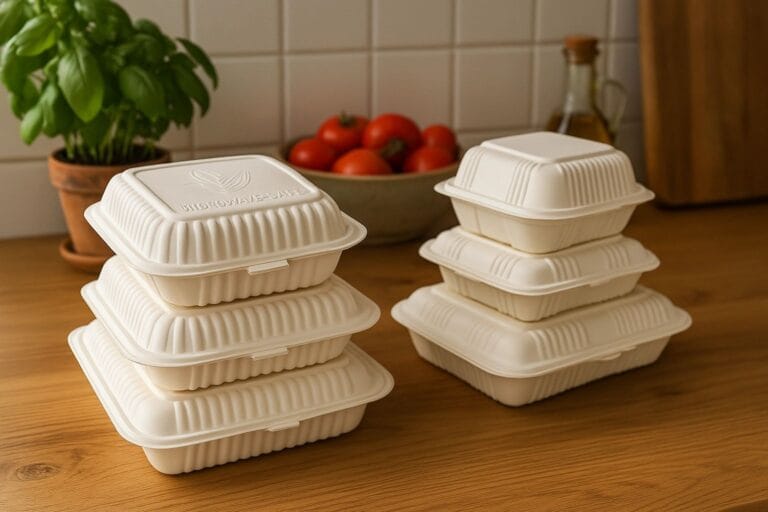
These utensils are created through a meticulous production process, ensuring high quality and durability — Microwave-safe plates.
Why should businesses choose PLA spoons over traditional plastic?
Switching to PLA spoons helps reduce plastic waste, aligns with sustainability trends, meets consumer demand for green products, and supports environmental responsibility initiatives.
Are earth friendly disposable utensils safe for hot and cold foods?
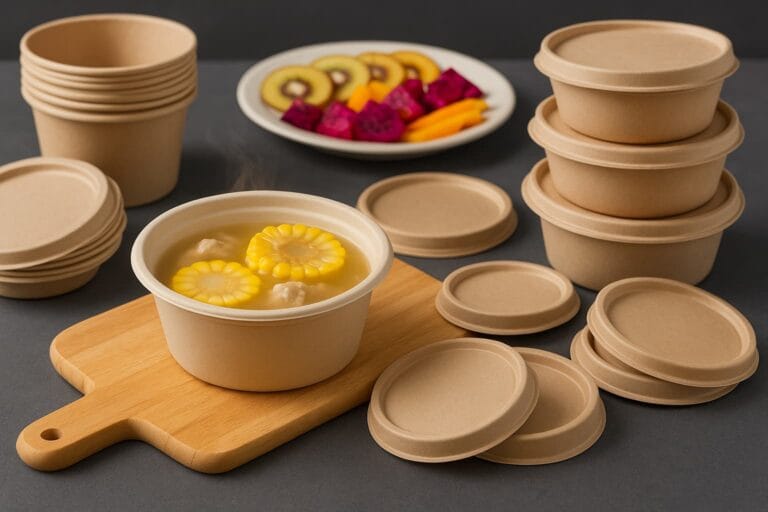
Yes, these utensils are designed to be strong and heat-resistant, suitable for serving both hot and cold foods in restaurants, catering, and events — Microwave-safe plates.
6. Recycled Paper Plates
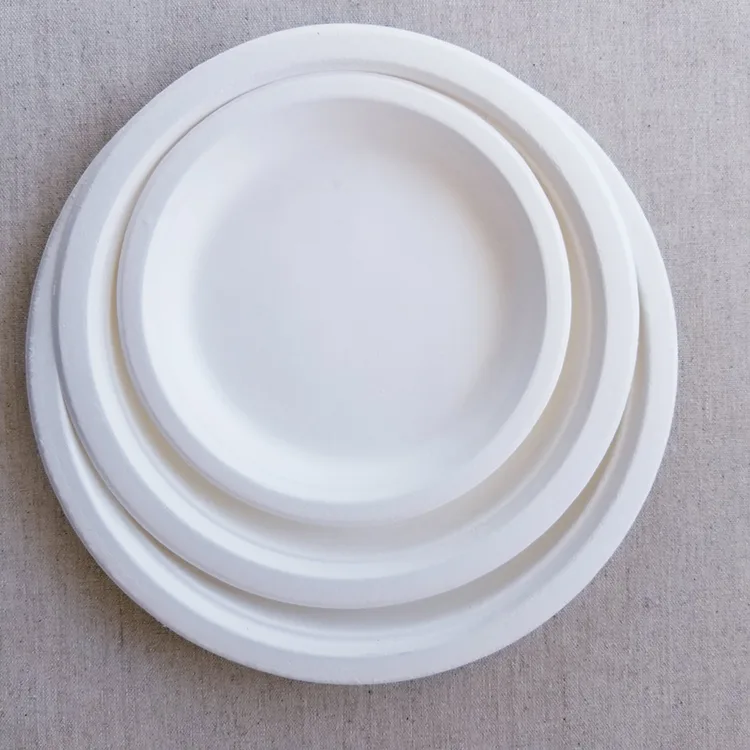
Material: Made from recycled paper fibers. They may or may not have a plastic or wax coating. Use: Designed for the environmentally conscious consumer but still offer standard durability. Environmental Impact: Recycled paper plates help reduce waste, though their environmental benefits are reduced if they are coated with plastic — Microwave-safe plates.
1. Standard Paper Plates
Material: Typically made from wood pulp (paperboard) and coated with a layer of wax or plastic to make them moisture-resistant. Use: Common for everyday use at parties, picnics, or casual dining. Environmental Impact: Non-biodegradable when coated with plastic. If coated with wax, they are more biodegradable but still not ideal for composting.