Guide To Lifecycle Analysis: Materials, Standards & Best Practices | Bioleader® Guides

Actionable coverage of lifecycle analysis: eco-friendly, biodegradable, compostable materials, performance data, and compliance under EN13432 & ASTM D6400. Includes BPI/TÜV references and Food-Contact Tested guidance for safe deployment. Buyer-focused: manufacturer insights, bulk/wholesale buying playbooks, OEM/ODM customization tips, full size range selection.

As the world moves toward more sustainable packaging solutions, businesses and consumers increasingly scrutinize the materials used in everyday products like disposable paper cups. A critical decision comes down to the type of lining—PLA (polylactic acid) or PE (polyethylene)—that provides the cup’s inner moisture barrier. This blog explores the key differences between PLA and PE linings, focusing on their materials, environmental impact, functionality, and economic implications, to help you make an informed choice.

lifecycle analysis — Quick Summary
  • Items displayed (articles): 12
  • Last updated: 2025-02-06
  • Includes test data, compliance guides, buyer FAQs, and real-world use cases.

Editor’s Picks: Top Lifecycle Analysis Guides 2026

FAQ of Bioleader's Eco-friendly Disposable Tableware

Do the containers comply with environmentally friendly customs?

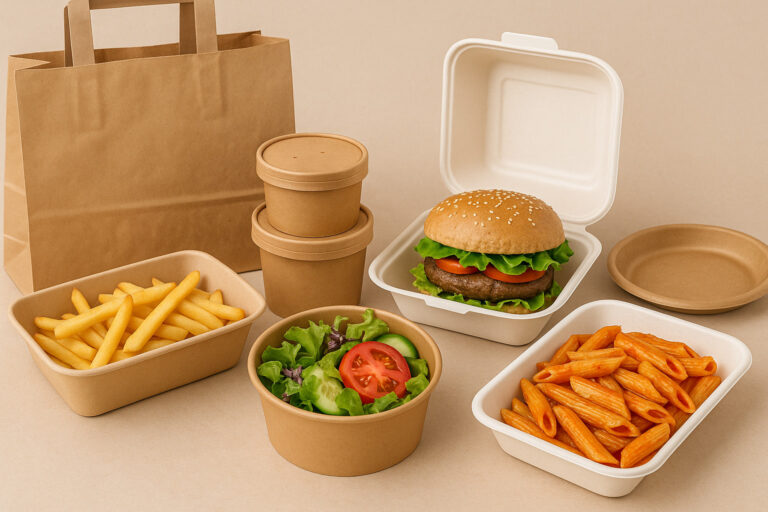
Yes, our to go salad bowls are eco friendly because it is made of biodegradable materials such as kraft paper and white paper card board which is better than plastic.

Can the bowls withstand hot liquids such as soup?

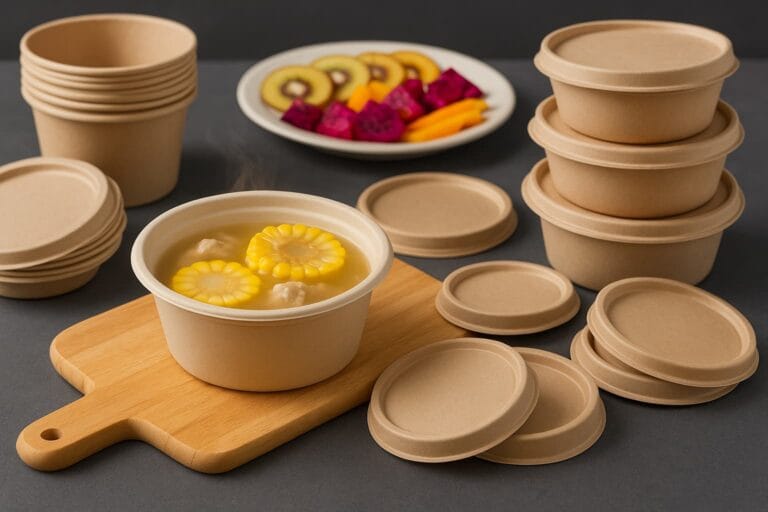
Yes, the takeaway bowls with lids can be used for holding all kinds of food, both hot and cold, such as soups and stews while preventing any spillage or leakage.

FSC-certified Wood Paper Materials: Kraft Paper and White Cardboard Paper

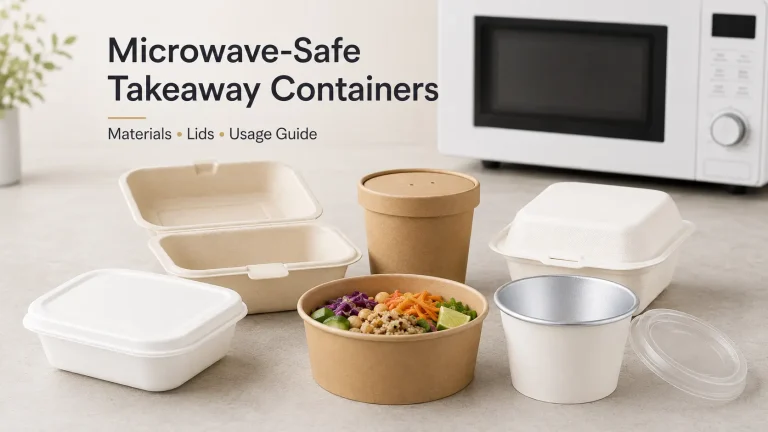
Our to go bowls with lids are made from two main types of materials: Kraft paper and white cardboard paper — lifecycle analysis. Kraft paper is brown and more coarse than most papers and has high toughness and some water-resistant properties which make it good for holding medium-to-heavy and medium-hot food items , lifecycle analysis. Conversely, the white cardboard paper provides an aesthetic appeal even as it remains tough. Both of these materials can be recycled and are environmentally friendly – a fact that helps in the packaging design that conforms to the current green principles and yet maintains the needed standard.

What is the difference between PLA and PE lining in paper cups?

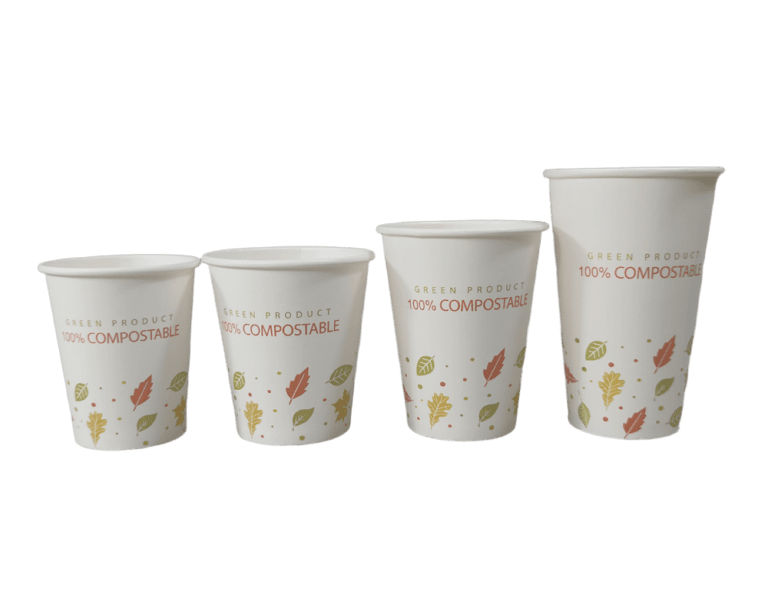
PLA (polylactic acid) is a plant-based, compostable lining, while PE (polyethylene) is a petroleum-based plastic lining. PLA is biodegradable; PE is not , lifecycle analysis.

Do PLA cups cost more than PE-lined cups?

Yes, PLA-lined cups are generally more expensive due to sustainable sourcing and compostability certifications, but they align better with green packaging goals.

Related Insights

🚀Ready to Go Green and Choose ?

Join the global movement toward zero-waste packaging.


Bioleader® offers:

  • 📦 Bulk order support & fast delivery

  • ✍️ Custom branding and OEM solutions

  • 🌍 Worldwide eco-packaging compliance

Get the Catalogue Products List  & Contact Us Now! 👉

Contact us Below

Click or drag files to this area to upload.You can upload up to 5 files.
The more details you share, the faster and more accurate our quotation will be.