Home Compostable Certification 101: What It Is, When To Use, And How To Choose | Bioleader® Insights

Actionable coverage of home compostable certification: eco-friendly, biodegradable, compostable materials, performance data, and compliance under EN13432 & ASTM D6400. Includes BPI/TÜV references and Food-Contact Tested guidance for safe deployment. Buyer-focused: manufacturer insights, bulk/wholesale buying playbooks, OEM/ODM customization tips, full size range selection.
Quick Summary:
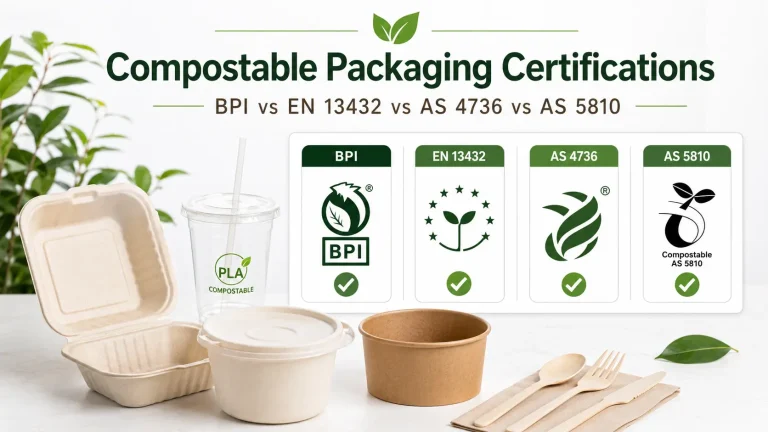
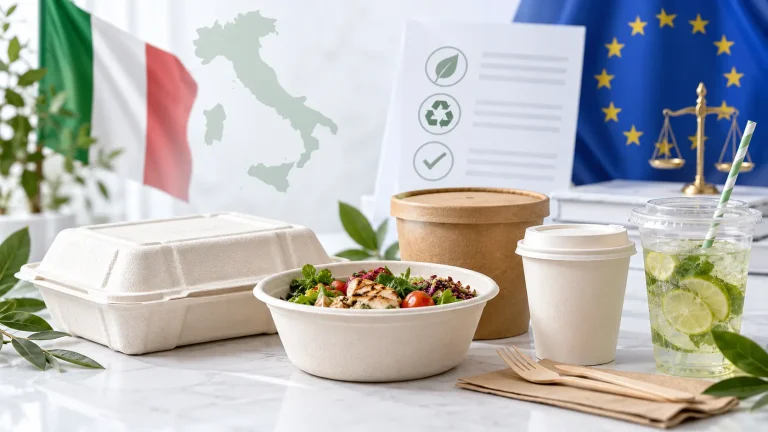
This guide clarifies global distinctions between “biodegradable” and “compostable” plastics and highlights the emerging compliance landscape for exporters. Compostable materials like bagasse and PLA require third-party certification (EN 13432, ASTM D6400, BPI, AS 4736 etc.), proper labeling, and EPR registration across regions—EU, North America, Asia-Pacific, Middle East, South America—to avoid customs delays and greenwashing penalties. Practical scenarios and a compliance checklist help B2B buyers and exporters meet regulatory demands and secure global market access.
home compostable certification — Quick Summary
  • Items displayed (articles): 12
  • Last updated: 2025-07-24
  • Includes test data, compliance guides, buyer FAQs, and real-world use cases.

Editor’s Picks: Top Home Compostable Certification Guides 2026

FAQ of Bioleader's Eco-friendly Disposable Tableware

1. What are bagasse food trays made from?

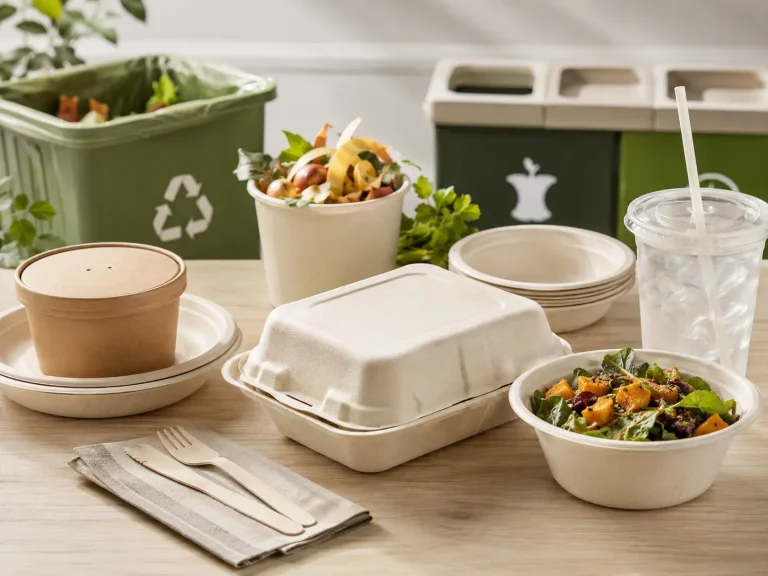
Bagasse food trays are made from the fibrous residue left after extracting juice from sugarcane. This renewable material is molded into sturdy, compostable trays, providing an eco-friendly alternative to plastic or foam trays.

4. Can I order eco friendly trays with lids directly from a wholesale factory?

Yes. Many factories—especially in China, India, and Southeast Asia—offer bulk wholesale options with OEM/ODM services. This includes custom branding, embossed logos, and private label packaging for large-volume buyers.

Why Customers Love Sugarcane Fiber Bowls:

Sustainability at the Core: An increasing number of customers are turning to bagasse bowls since it is the best eco-friendly option for low-effort everyday life such as normal feeding, conducting parties, and even for takeout. Practical for a Wide Range of Foods: Not one food is left out, these biodegradable bowls work well with all types of food — home compostable certification. Be it, salads, soup or even takeout, experience excellent performance. A Safe Choice: With the worry about food containers that might be laden with harmful chemicals, sugarcane bowls become the better option for these consumers as the containers are free from such ingredients.

Are all compostable plastics suitable for home composting?

No , home compostable certification. Only products tested and certified to OK Compost HOME or AS 5810 can be safely composted at home.

Definitions and Key Differences

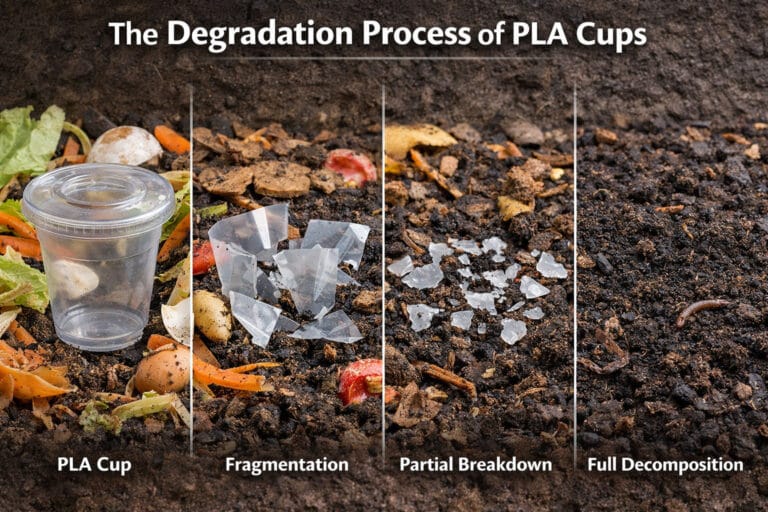
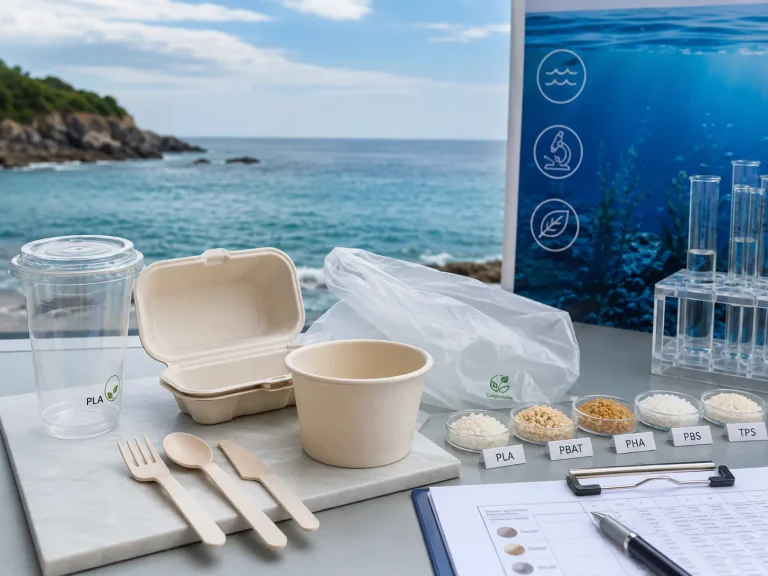
Biodegradable Plastics:Plastics that can break down by the action of microorganisms into water, carbon dioxide, biomass, and sometimes residual matter — home compostable certification. However, biodegradation time and completeness can vary greatly, and some “biodegradable” products may only fragment, leaving microplastics. Compostable Plastics:A stricter subset of biodegradable plastics. Must fully break down into non-toxic components (CO₂, water, biomass) within a specific timeframe, under defined composting conditions, leaving no toxic residue or microplastics.

Related Insights

🚀Ready to Go Green and Choose ?

Join the global movement toward zero-waste packaging.


Bioleader® offers:

  • 📦 Bulk order support & fast delivery

  • ✍️ Custom branding and OEM solutions

  • 🌍 Worldwide eco-packaging compliance

Get the Catalogue Products List  & Contact Us Now! 👉

Contact us Below

Click or drag files to this area to upload.You can upload up to 5 files.
The more details you share, the faster and more accurate our quotation will be.