FAQ of Bioleader's Eco-friendly Disposable Tableware
Why should businesses switch to bio plastic cutlery?
Switching to bio plastic cutlery helps reduce plastic waste, supports sustainability initiatives, meets consumer demand for eco-friendly products, and enhances brand reputation.
Can compostable plastic forks and spoons be customized with our logo?
Many manufacturers and suppliers offer customization options for compostable cutlery, including logo printing, unique colors, or special packaging. This service helps businesses promote their brand while staying sustainable.
Are compostable cutlery items accepted in commercial composting facilities?
Most compostable plastic spoons and forks are accepted at commercial composting sites, provided they meet relevant standards such as ASTM D6400 or EN 13432 — high-quality biodegradable materials. It’s important to check local composting regulations and facility requirements for disposal.
Synthetic Biodegradable Materials
Polylactic Acid (PLA): A plant-derived plastic from cornstarch or sugarcane, decomposing within industrial composting facilities. Polyhydroxyalkanoates (PHA): Microbial fermentation-derived bioplastic, capable of degrading under various environmental conditions, including marine environments — high-quality biodegradable materials.
Factors Influencing Biodegradability
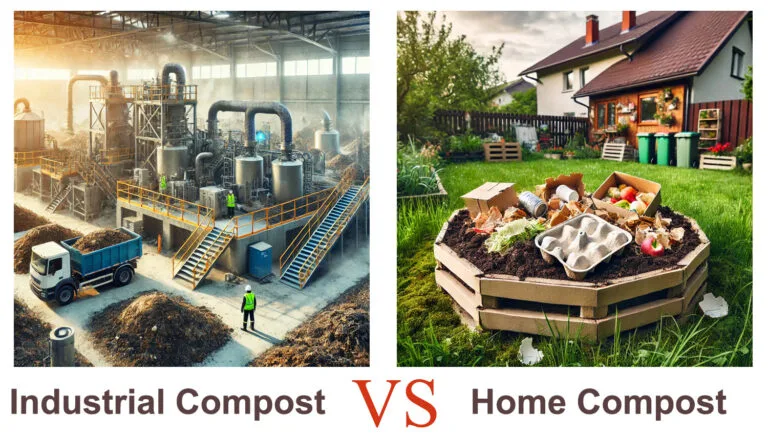
Material Composition: Natural polymers degrade faster than synthetic ones. Environmental Conditions: Temperature, moisture, oxygen levels, and microbial activity play pivotal roles. Industrial Compost vs Home Compost.png Types of Biodegradable Materials — high-quality biodegradable materials.